6-Phosphogluconate dehydrogenase promotes mitochondrial fusion and immune suppression in tumor-associated monocytic suppressor cells
Saeed Daneshmandi, Qi Yan, Eduardo Cortes Gomez, Jee Eun Choi, Eriko Katsuta, Ehsan Gharib, Prashant K. Singh, Richard M. Higashi, Andrew N. Lane, Teresa W-M. Fan, Jianmin Wang, Elizabeth A. Repasky, Philip L. McCarthy, Hemn Mohammadpour

TL;DR
This study shows that blocking 6PGD, an enzyme in the pentose phosphate pathway, disrupts the function of tumor-associated immune cells and improves cancer immunotherapy.
Contribution
The study identifies 6PGD as a novel metabolic regulator of M-MDSCs and a potential therapeutic target in cancer immunotherapy.
Findings
6PGD inhibition impairs M-MDSC immunosuppressive function and suppresses tumor growth.
Blocking 6PGD leads to mitochondrial fragmentation and a shift toward a proinflammatory M1-like phenotype in M-MDSCs.
6PGD blockade synergizes with anti-PD-1 immunotherapy to improve therapeutic outcomes in a preclinical model.
Abstract
The mechanisms underlying the metabolic adaptation of myeloid cells within the tumor microenvironment remain incompletely understood. Here, we identify 6-phosphogluconate dehydrogenase (6PGD), a rate-limiting enzyme in the pentose phosphate pathway (PPP), as an important regulator of monocytic-myeloid derived suppressor cell (M-MDSC) function. Our findings reveal that tumor M-MDSCs upregulate 6PGD expression via IL-6/STAT3 signaling. Blocking 6PGD, using either genetic or pharmacological approaches, impairs the immunosuppressive function of M-MDSCs and suppresses tumor growth. Mechanistically, 6PGD inhibition leads to the accumulation of its substrate, 6-phosphogluconate (6PG), within M-MDSCs, activates the JNK1-IRS1 and PI3K-AKT-pDRP1 signaling pathways, leading to mitochondrial fragmentation and elevated mitochondrial reactive oxygen species (ROS). This metabolic shift drives M-MDSCs…
Genes, proteins, chemicals, diseases, species, mutations and cell lines named across the full text — each resolved to its canonical identifier and authoritative record.
Click any figure to enlarge with its caption.
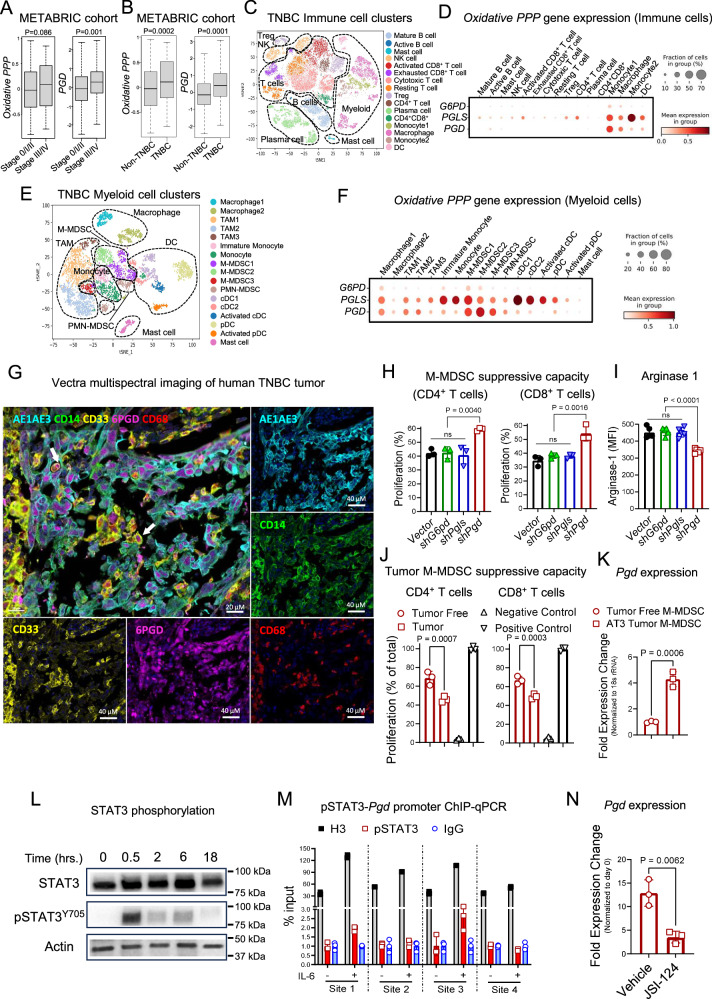 Figure 1
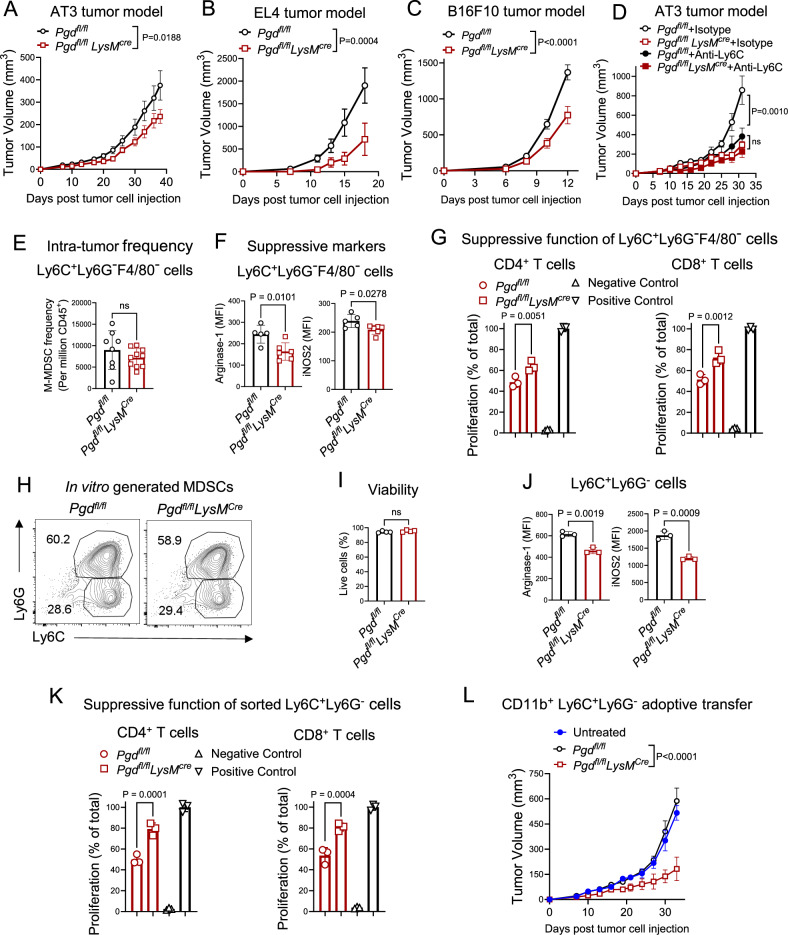 Figure 2
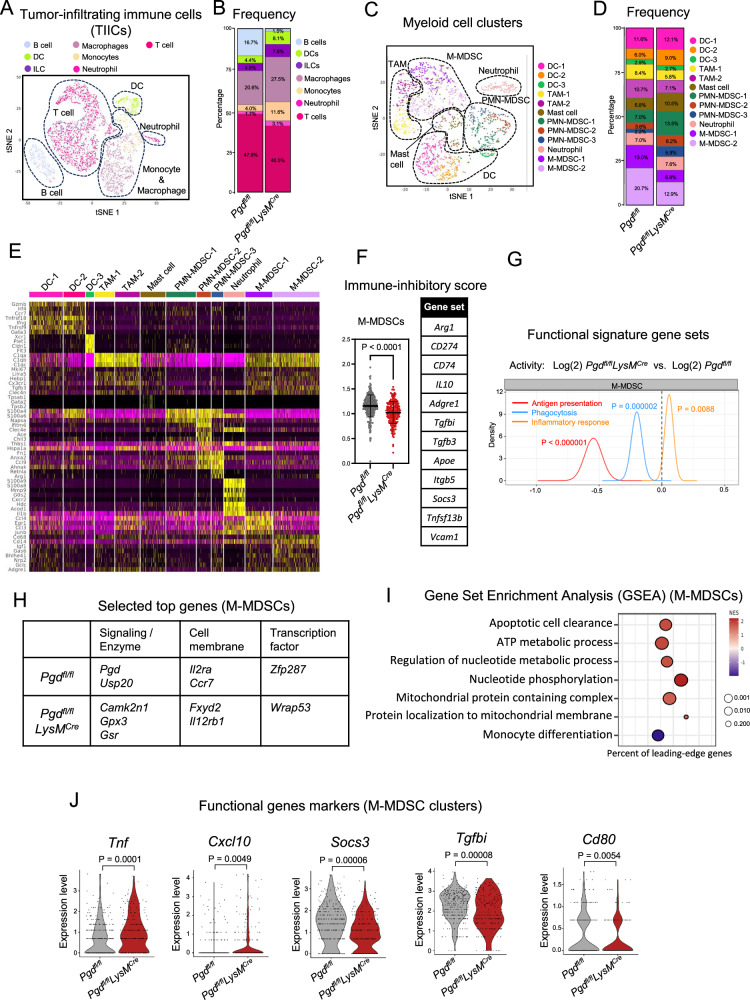 Figure 3
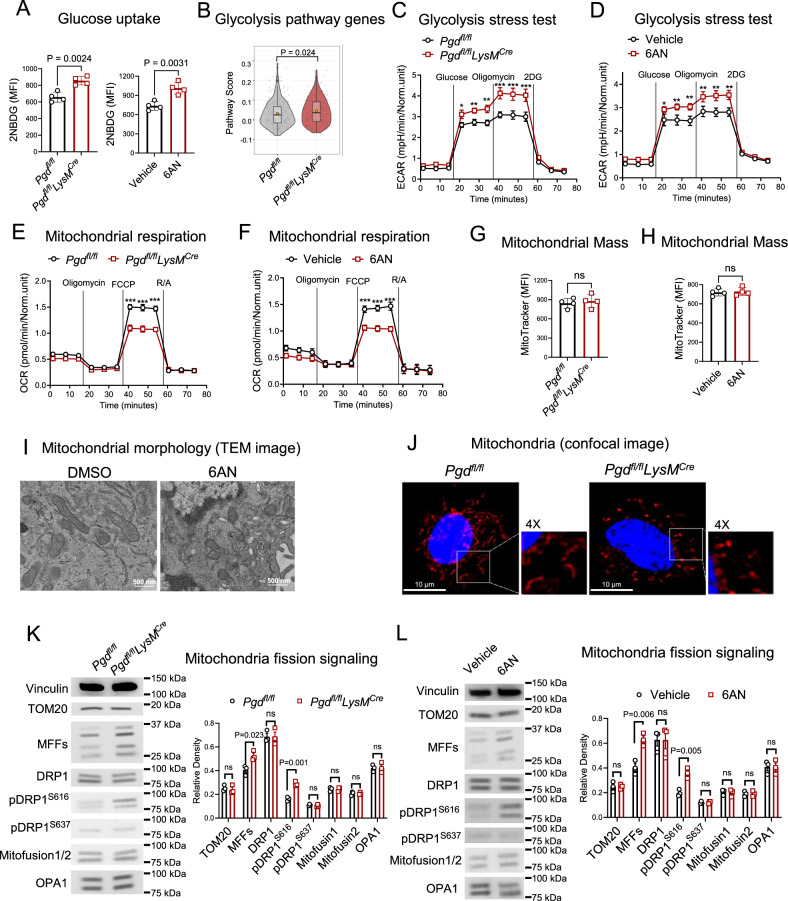 Figure 4
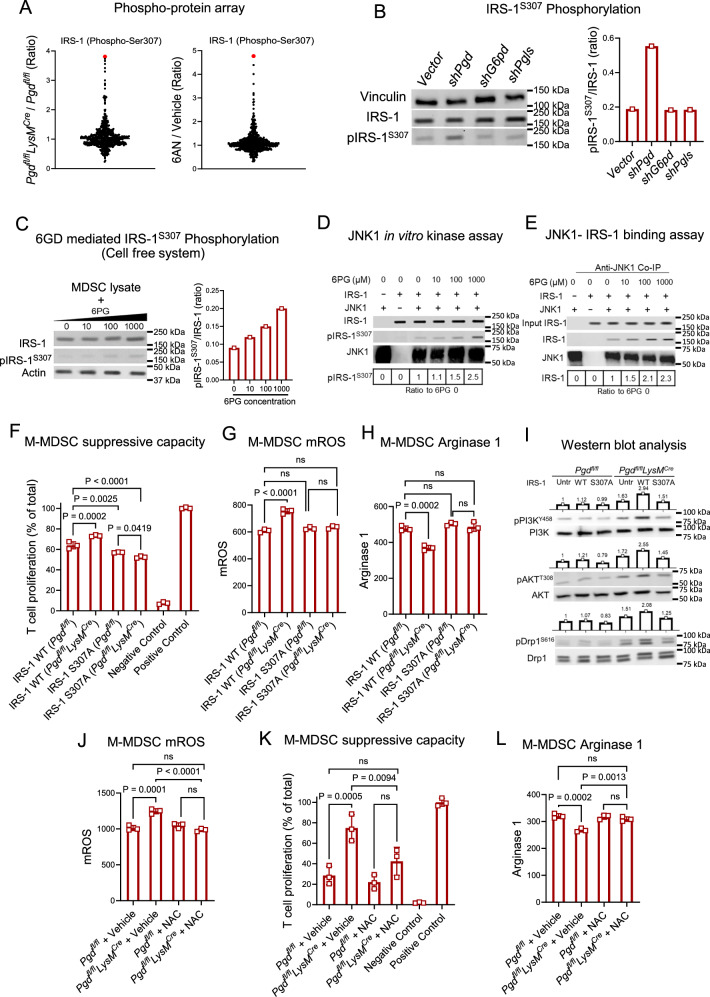 Figure 5
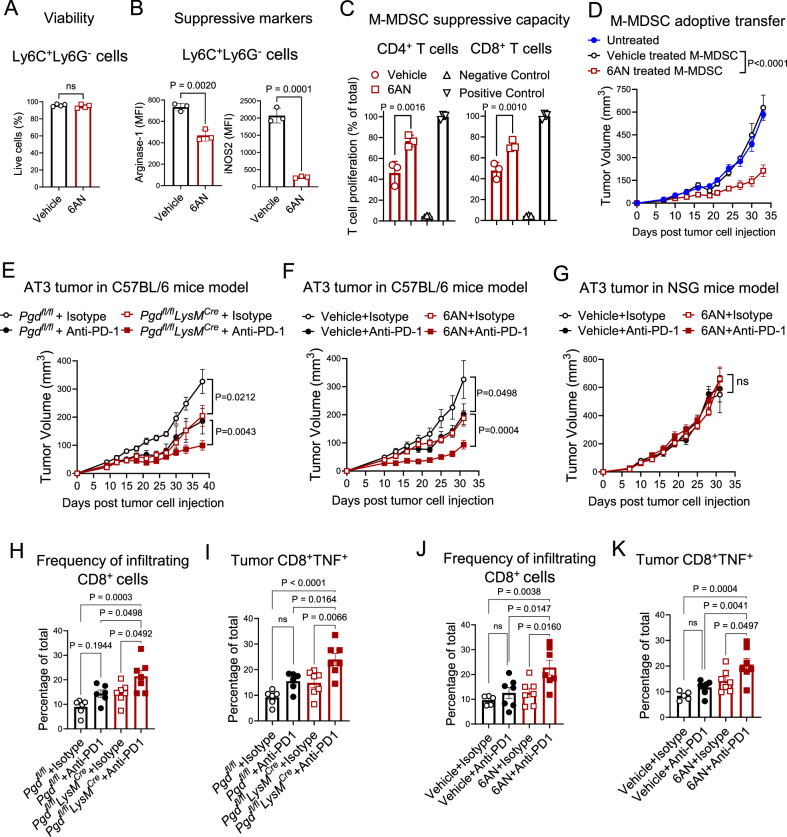 Figure 6
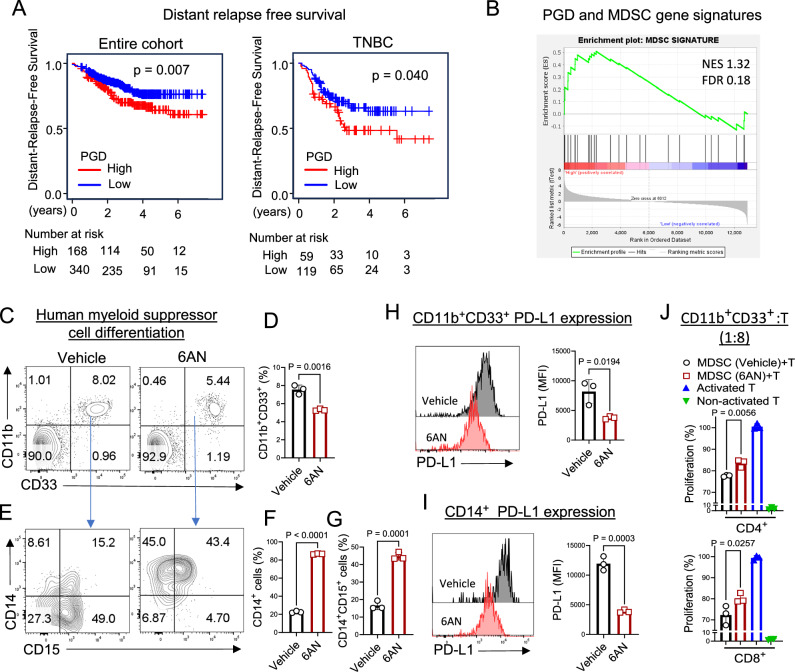 Figure 7
Peer Reviews
No public reviews on file for this paper yet. If you reviewed it on a platform where reviews are public (OpenReview, ICLR, NeurIPS, ICML), you can paste yours below so the community can read it here.
Videos
No videos yet. Explain this paper in a talk, walkthrough, or lecture? Add one.
Taxonomy
TopicsImmune cells in cancer · Immune responses and vaccinations · Neutrophil, Myeloperoxidase and Oxidative Mechanisms