Energy-driven K-means-based LEACH routing protocol for enhanced lifetime in wireless sensor networks
Imane Aly Saroit, Dina Tarek

TL;DR
This paper introduces a new routing protocol for wireless sensor networks that improves energy efficiency and extends network lifetime.
Contribution
The paper introduces an energy-proxy metric in the LEACH protocol to better reflect communication energy costs.
Findings
The proposed protocol achieves up to 16.98% improvement in network lifetime compared to traditional K-means-Based LEACH.
It outperforms DEEC-KM across all metrics including stability and energy consumption.
The protocol performs well in medium- and low-density networks while maintaining performance in dense deployments.
Abstract
Wireless Sensor Networks (WSNs) are widely deployed in monitoring and automation applications; however, their performance is constrained by the limited battery capacity of sensor nodes. Traditional K-means-based LEACH routing protocol improves cluster formation using distance-based clustering, but it still relies on Euclidean distance, which does not accurately represent the communication energy cost. The main innovation of this paper is the introduction of an Energy-Driven K-Means-Based LEACH routing protocol in which Euclidean distance is replaced with a novel energy-proxy metric derived from the Radio Energy Dissipation Model. This allows the clustering process to favor low-energy-cost links and penalize long-range transmissions, improving cluster-head placement without increasing computational complexity. The proposed protocol is evaluated against both the traditional K-means-Based…
Genes, proteins, chemicals, diseases, species, mutations and cell lines named across the full text — each resolved to its canonical identifier and authoritative record.
Click any figure to enlarge with its caption.
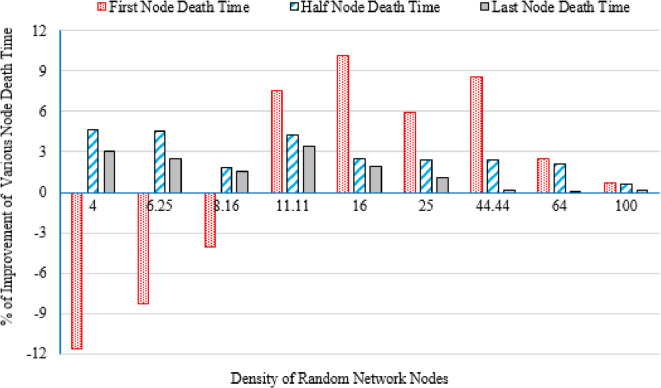 Figure 10
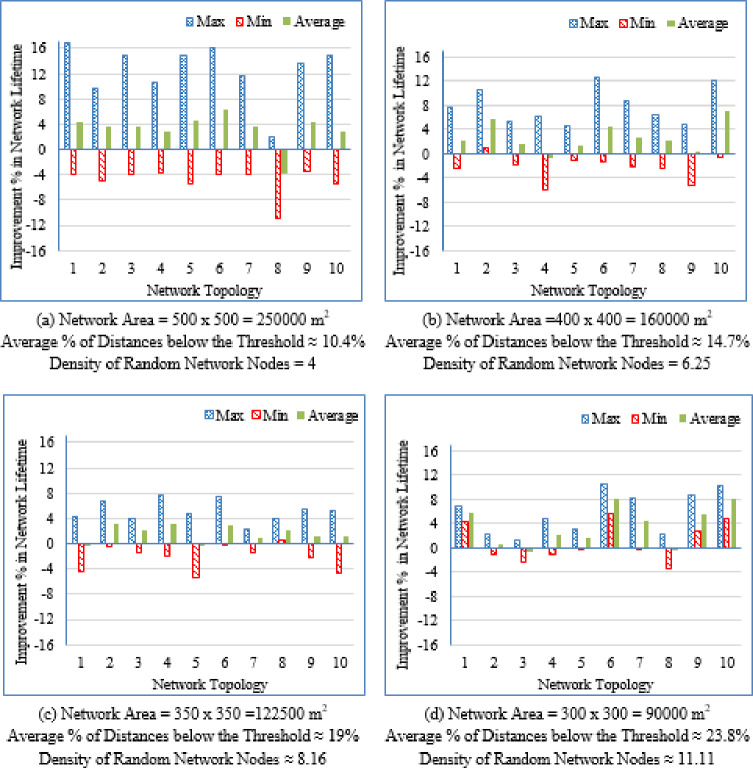 Figure 11
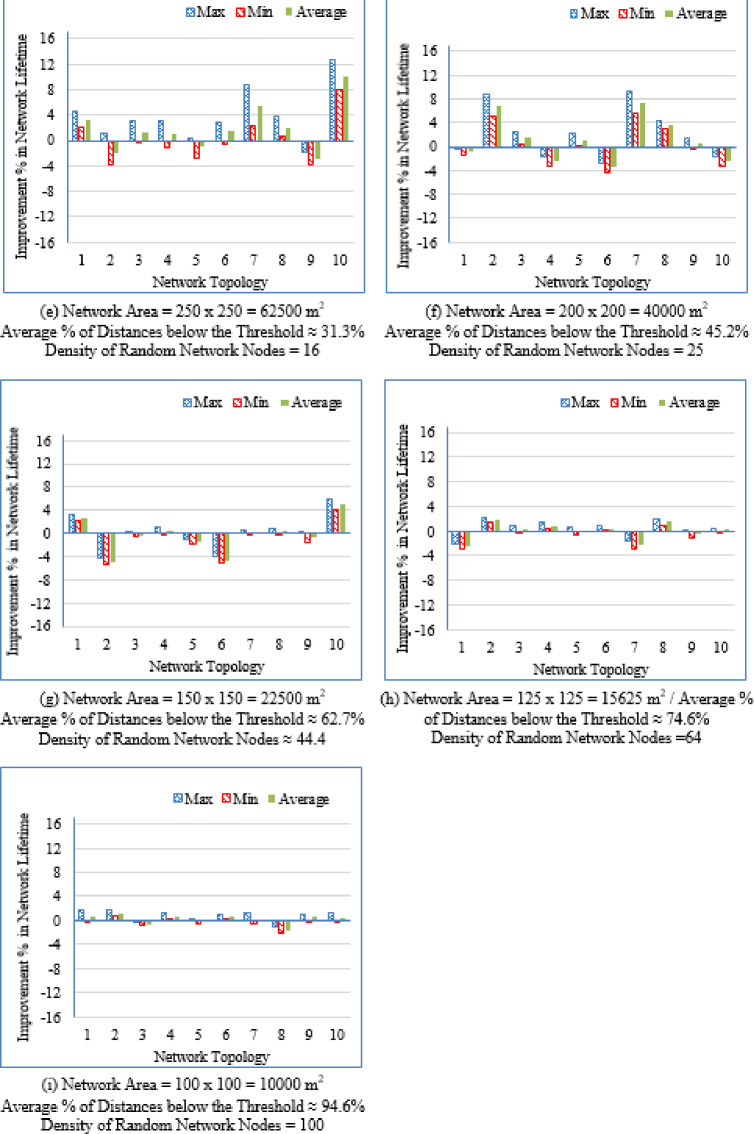 Figure 11
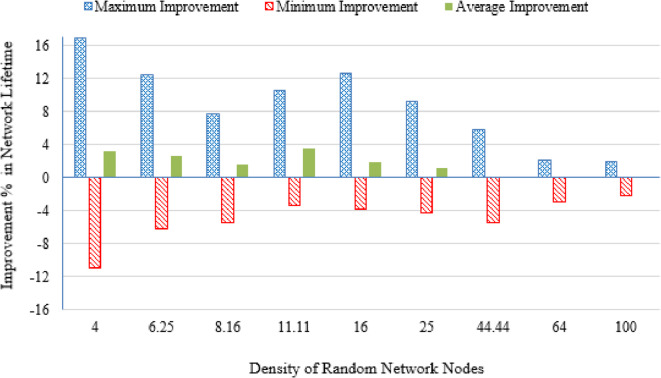 Figure 12
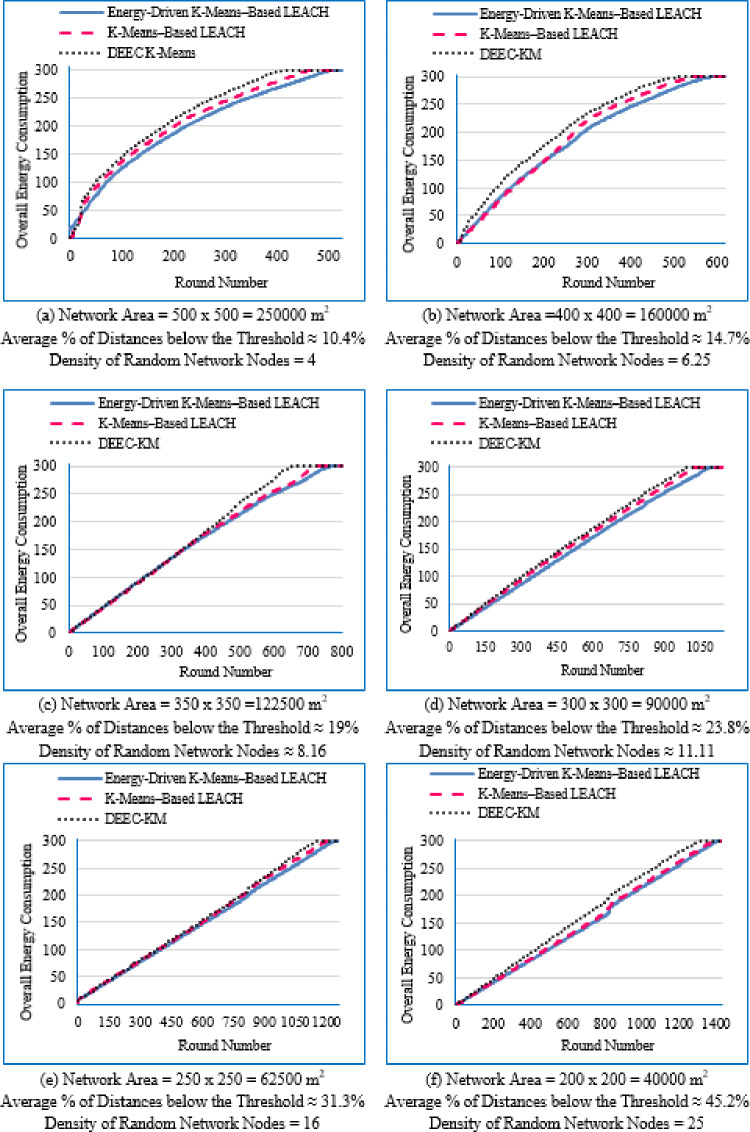 Figure 13
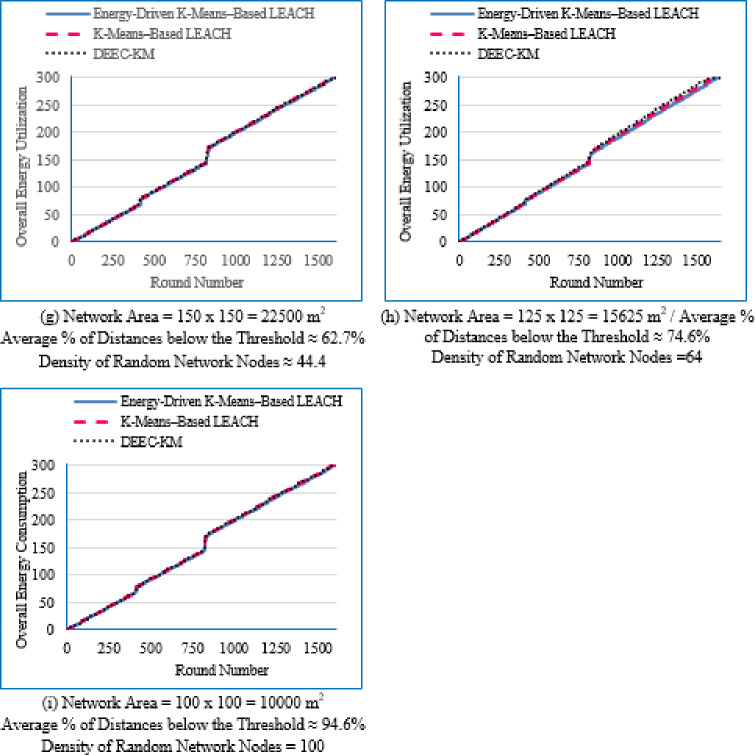 Figure 13
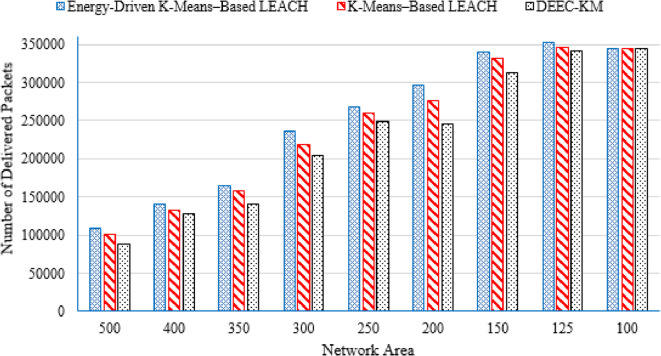 Figure 14
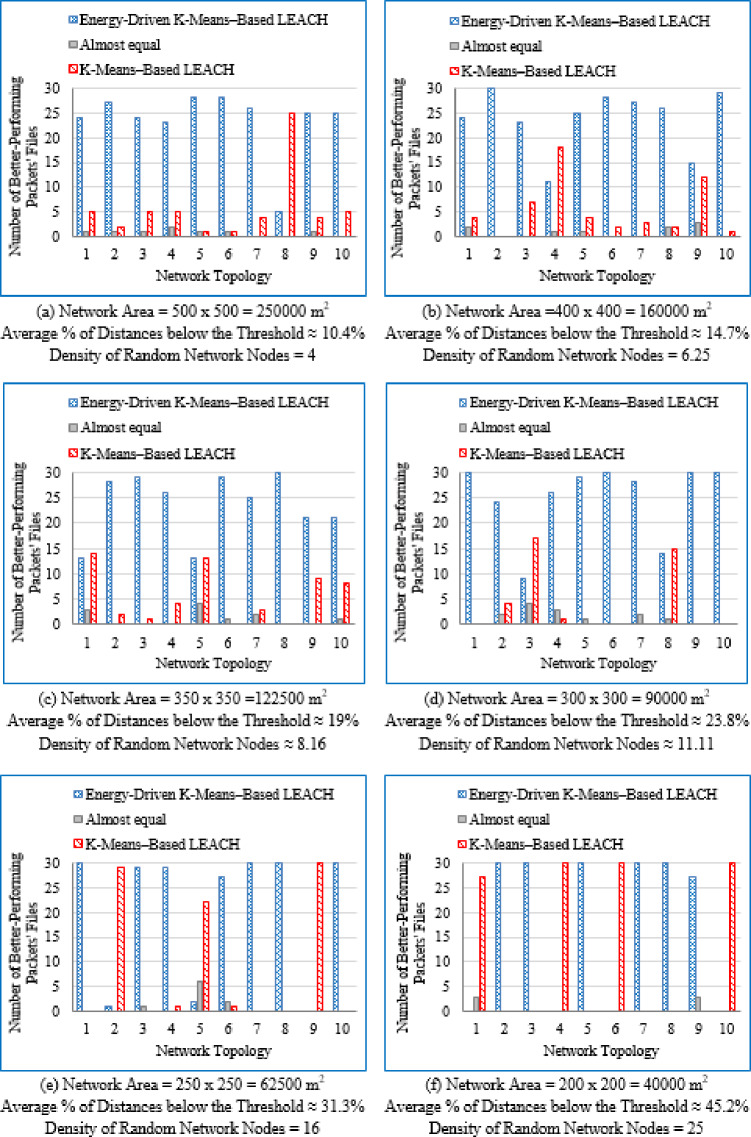 Figure 15
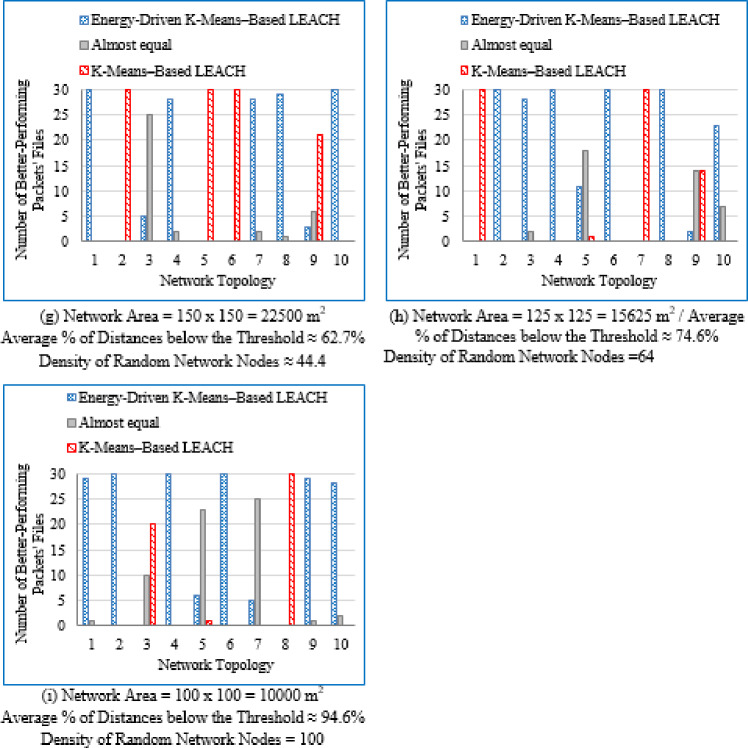 Figure 15
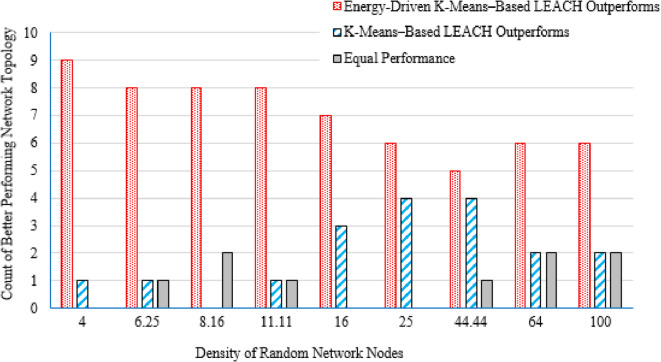 Figure 16
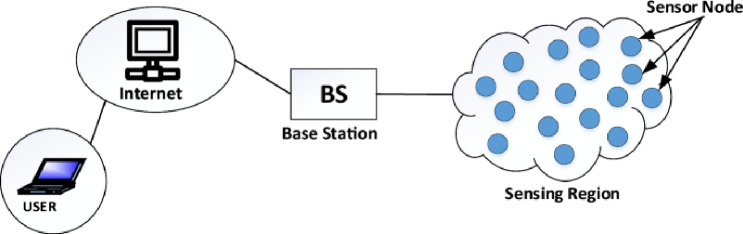 Figure 1
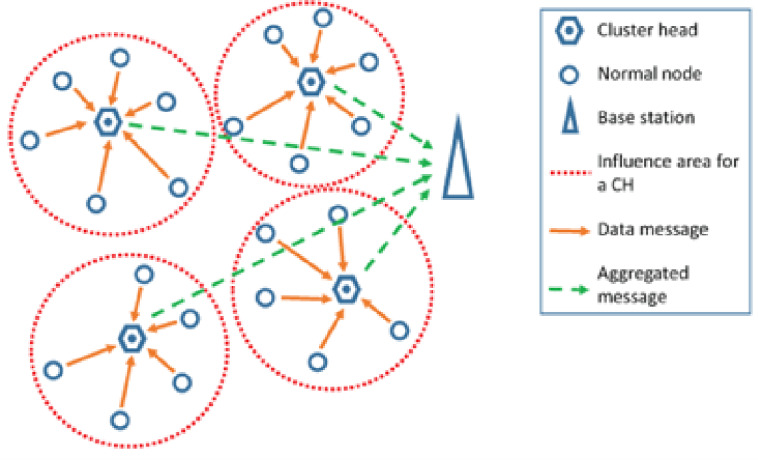 Figure 2
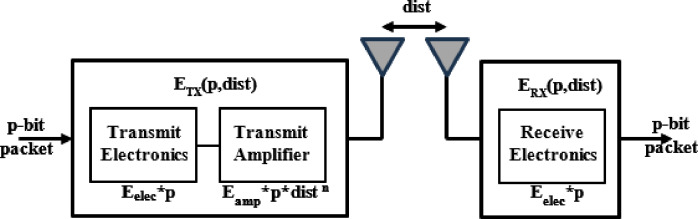 Figure 3
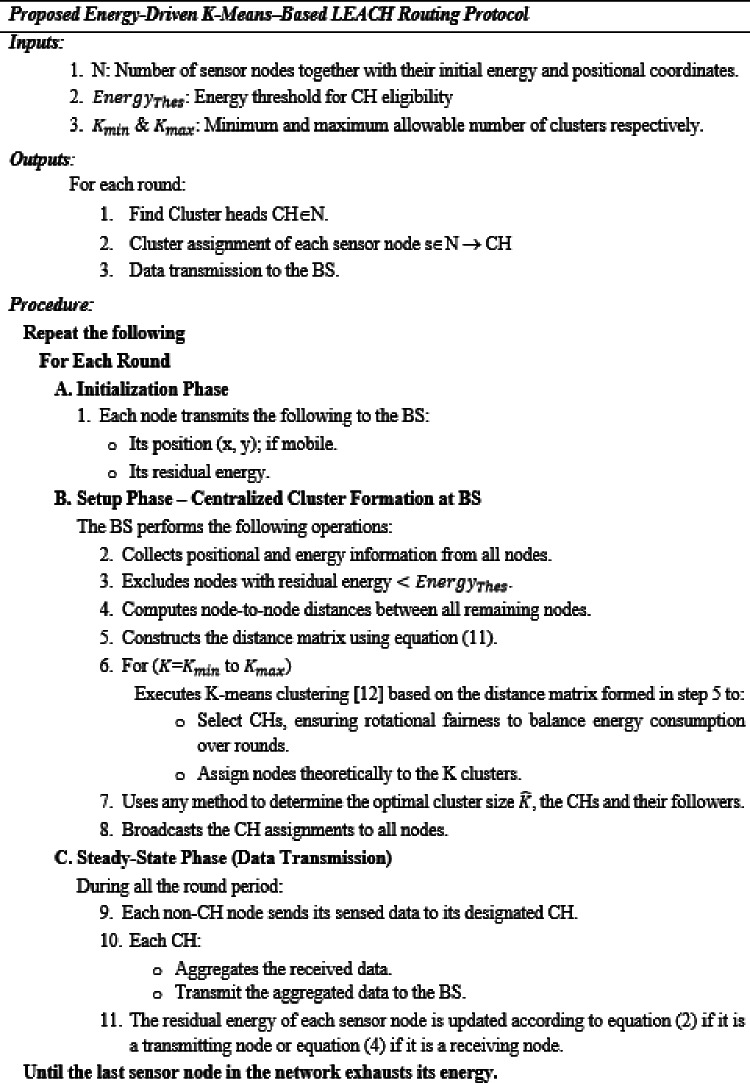 Figure 4
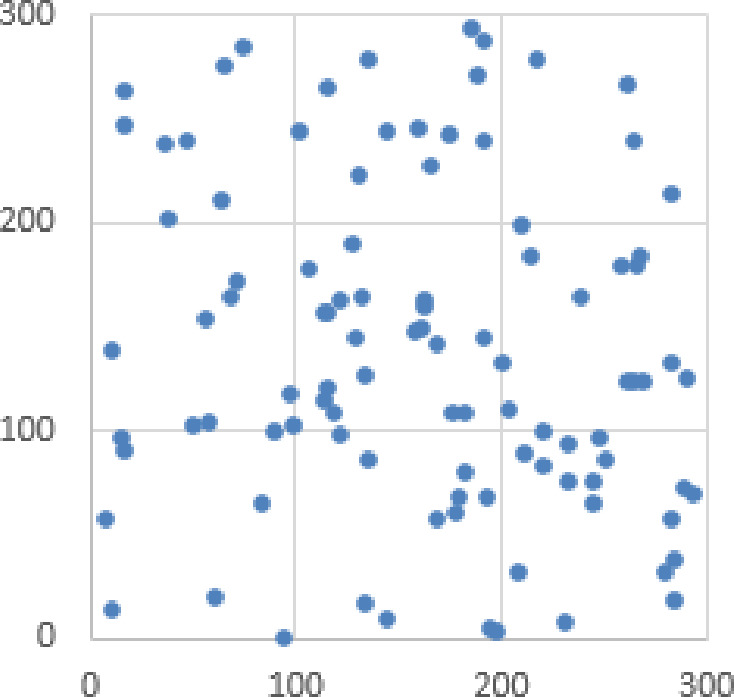 Figure 5
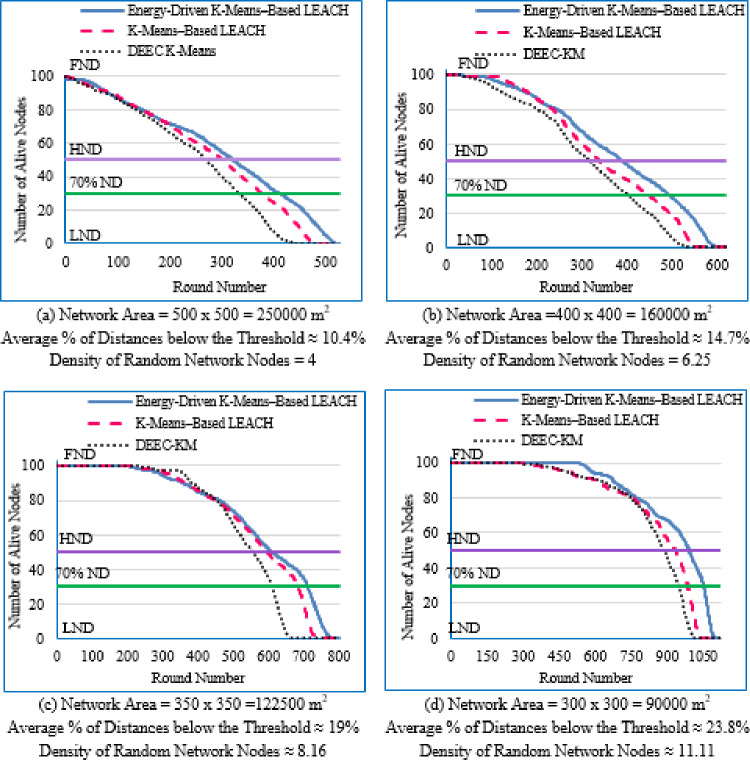 Figure 6
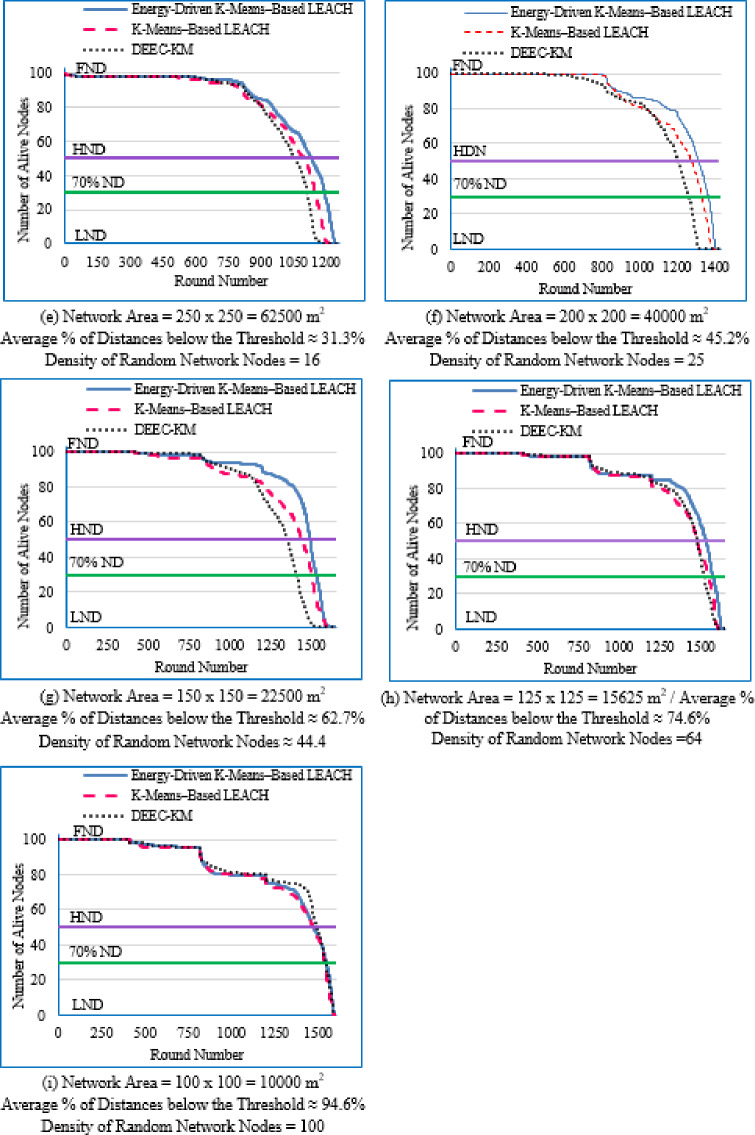 Figure 6
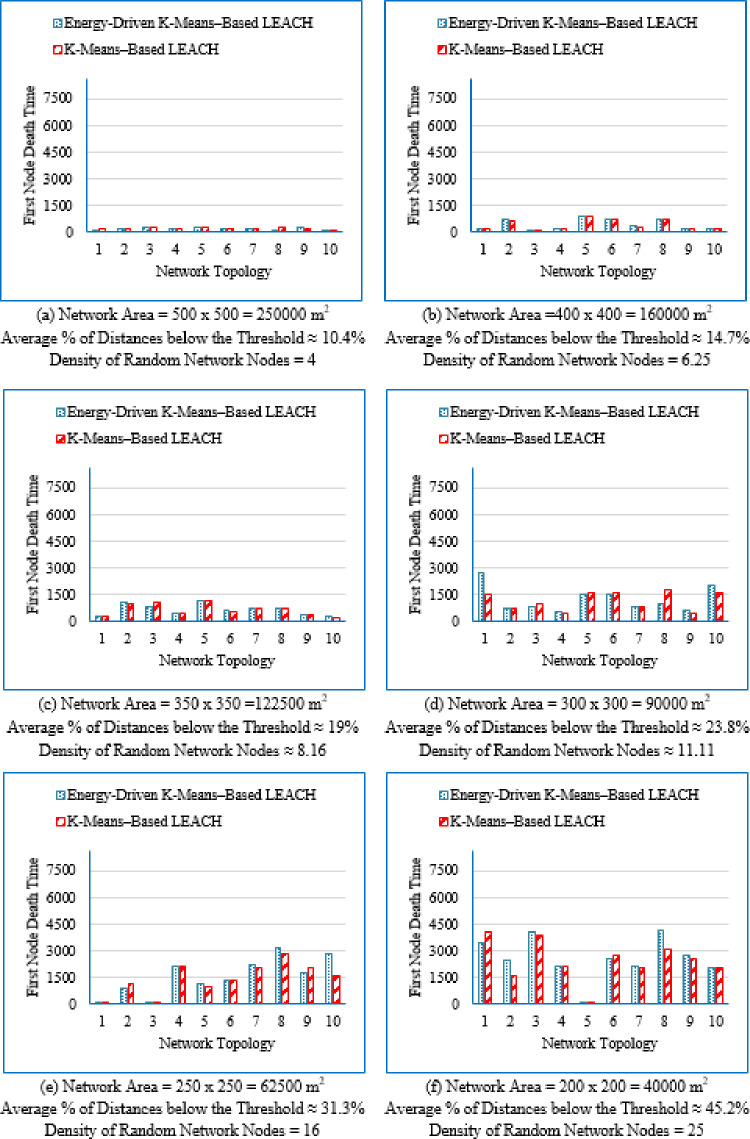 Figure 7
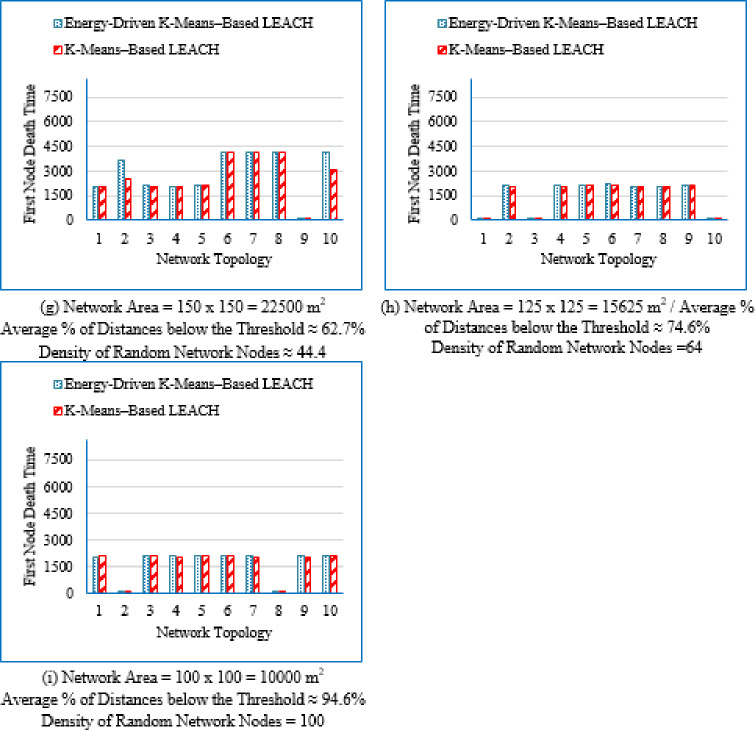 Figure 7
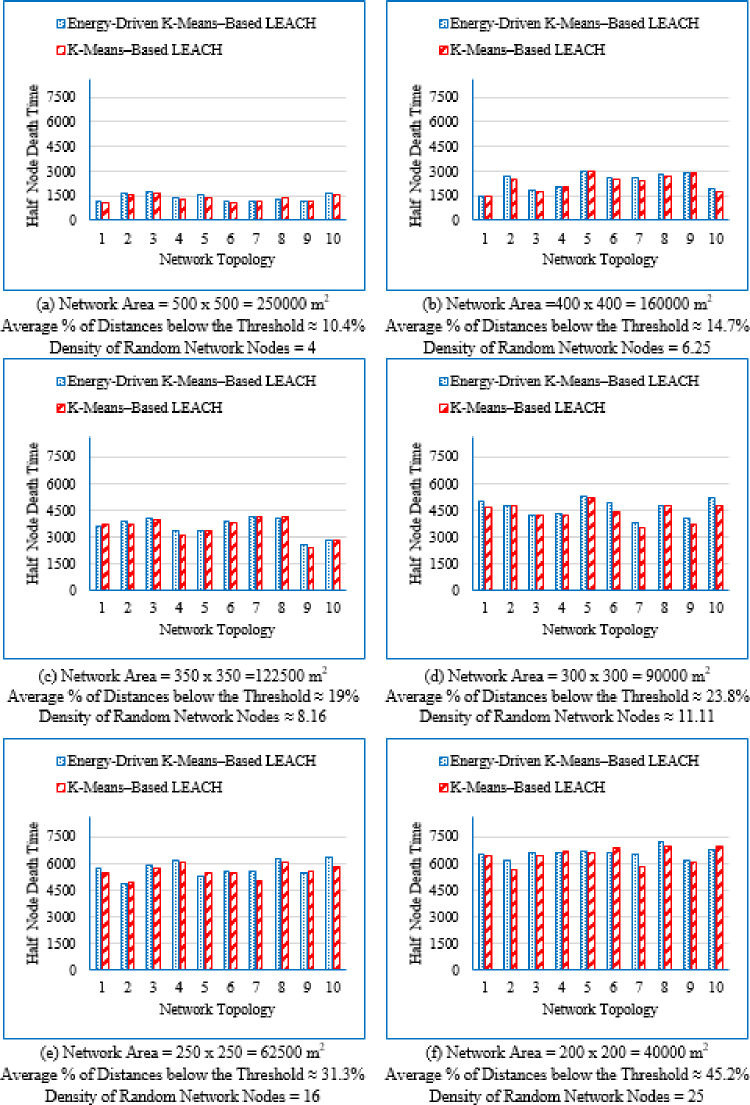 Figure 8
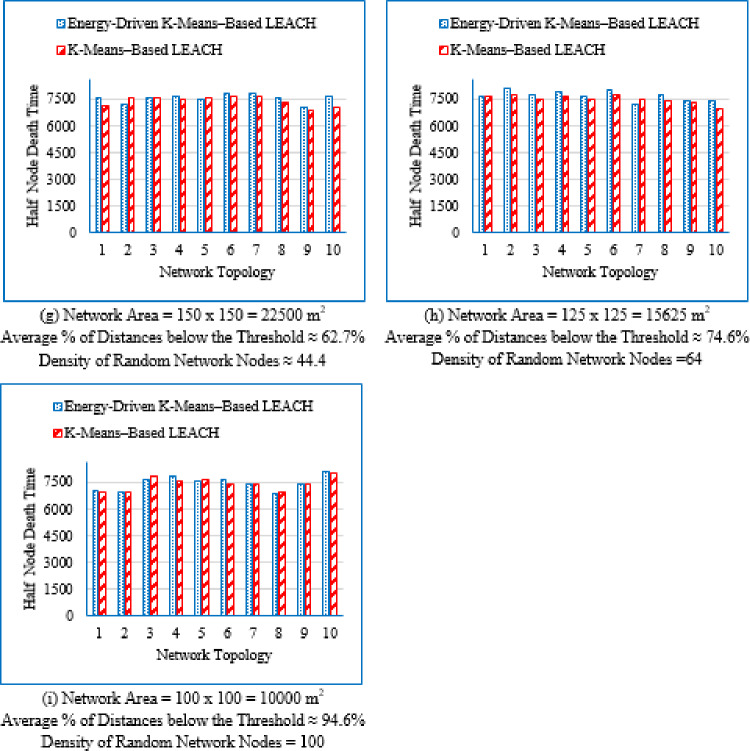 Figure 8
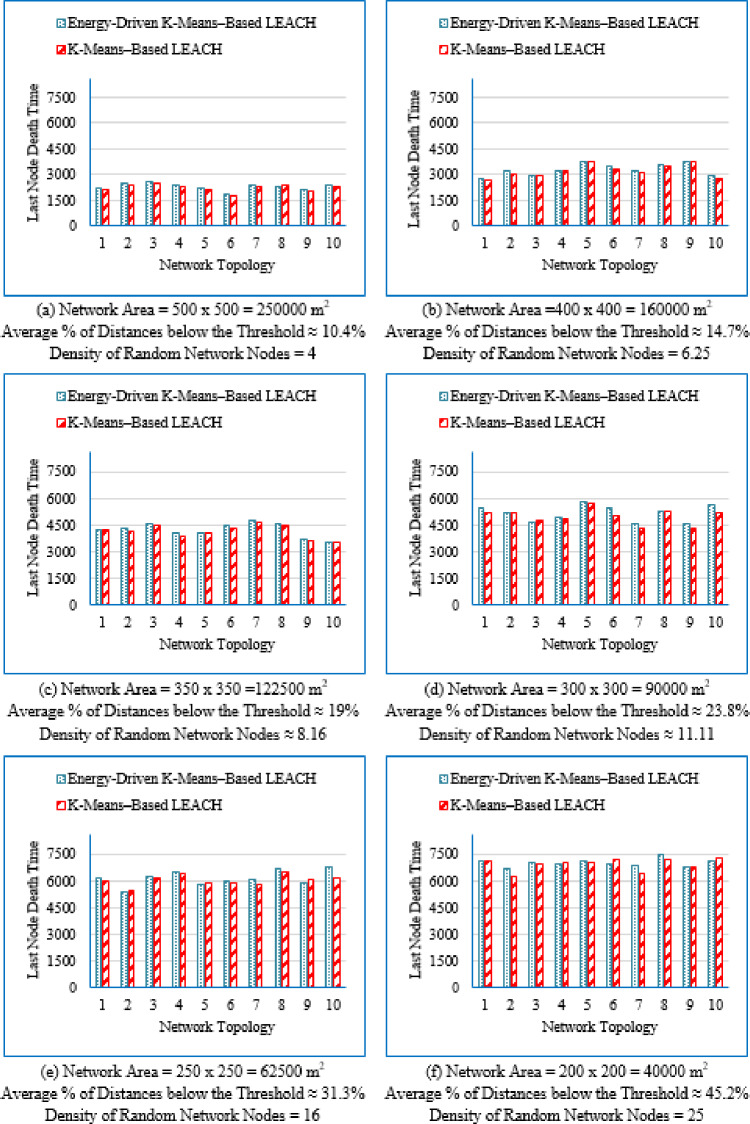 Figure 9
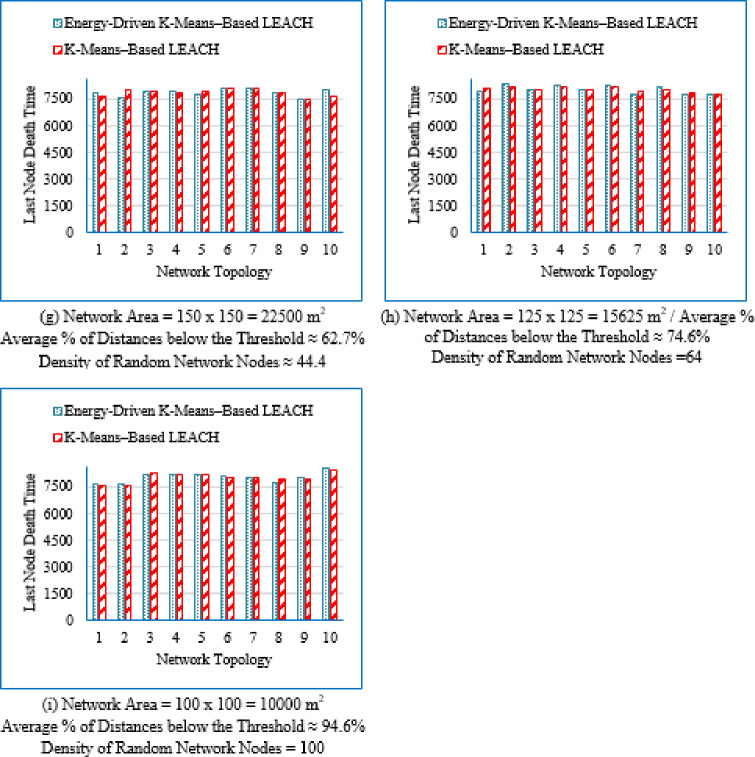 Figure 9
Peer Reviews
No public reviews on file for this paper yet. If you reviewed it on a platform where reviews are public (OpenReview, ICLR, NeurIPS, ICML), you can paste yours below so the community can read it here.
Videos
No videos yet. Explain this paper in a talk, walkthrough, or lecture? Add one.
Taxonomy
TopicsEnergy Efficient Wireless Sensor Networks · Internet of Things and AI · Security in Wireless Sensor Networks