The Optically Guided and Pre-assembled Implantation Cranial Window Reveals Cortical Spatial Representations during Navigation
Weihao Zhao, Lin Gao, Yu Wu, Guihua Xiao, Angran Li, Mingrui Wang, Hongyu Liu, Jinyuan Yang, Dongyue Jin, Yuanlong Zhang, Yongyi Yuan, Pu Dai

TL;DR
A new cranial window technique called OGPI enables long-term, high-quality neural imaging in freely moving animals, revealing how the cortex represents spatial information during navigation.
Contribution
OGPI introduces a standardized, adaptable cranial window method for chronic imaging and reveals widespread cortical spatial representations.
Findings
OGPI supports chronic imaging in freely behaving animals for over 8 months with preserved locomotor and spatial cognitive abilities.
Cortical neurons show a 'salt-and-pepper' pattern of tuning to spatial position, path, and acceleration across multiple brain regions.
A subpopulation of neurons is conjunctively tuned to spatial information and linear acceleration, suggesting a role in spatial signal generation.
Abstract
Head-mounted miniaturized microscopes have provided new capabilities for neuroscience by enabling neural imaging in freely behaving animals. The long-term application of these microscopes, however, is contingent upon specific and reliable cranial window designs. Here, we introduce optically guided and pre-assembled implantation (OGPI), a standardized cranial window technique designed for head-mounted miniaturized microscope imaging. OGPI employs a cost-effective, minimalist design and offers robust compatibility with miniaturized microscopes. This integrated method ensures precise implantation and supports chronic large-scale neural imaging in freely behaving animals for periods exceeding 8 months. The OGPI method is adaptable, supporting both semiautomated operation for enhanced throughput and manual operation for standard laboratory settings. Through behavioral assessments, we further…
Genes, proteins, chemicals, diseases, species, mutations and cell lines named across the full text — each resolved to its canonical identifier and authoritative record.
Click any figure to enlarge with its caption.
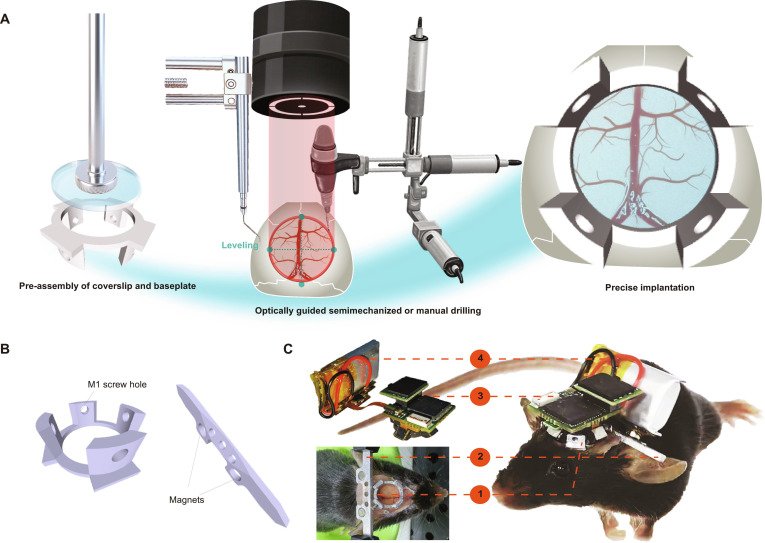 Figure 1
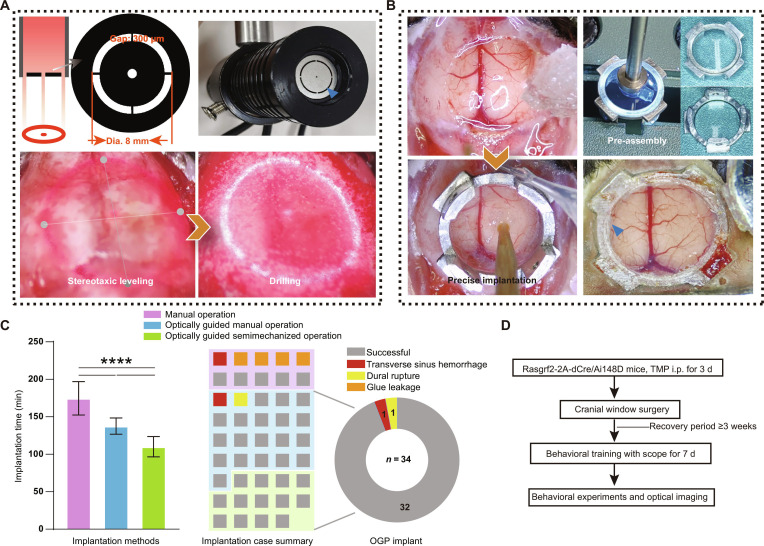 Figure 2
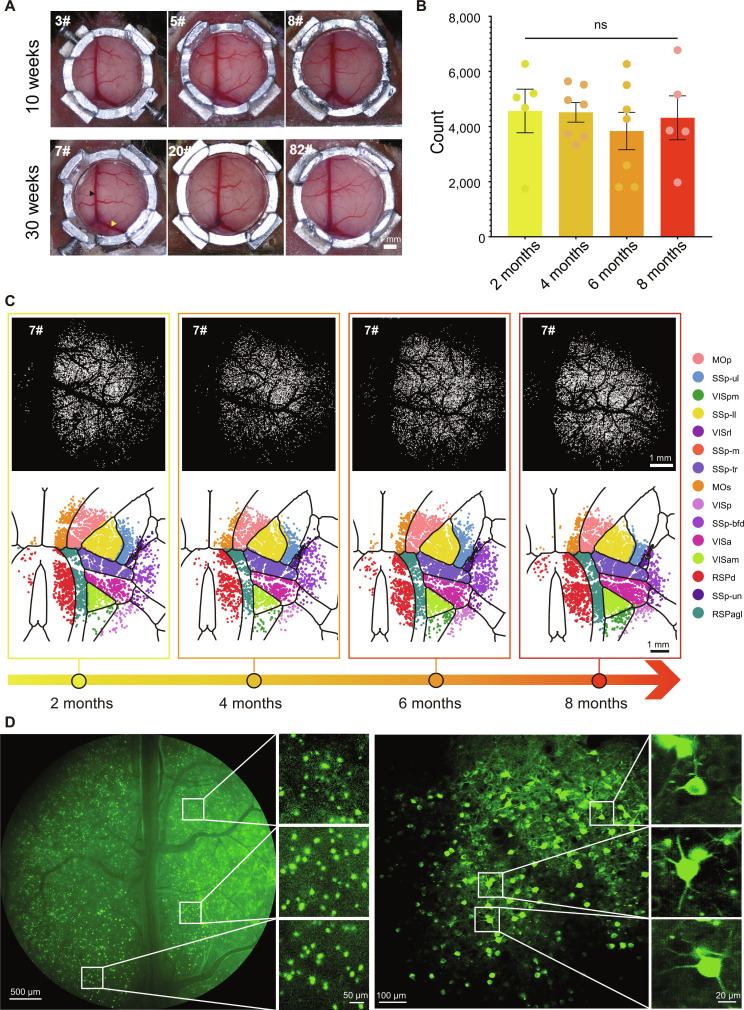 Figure 3
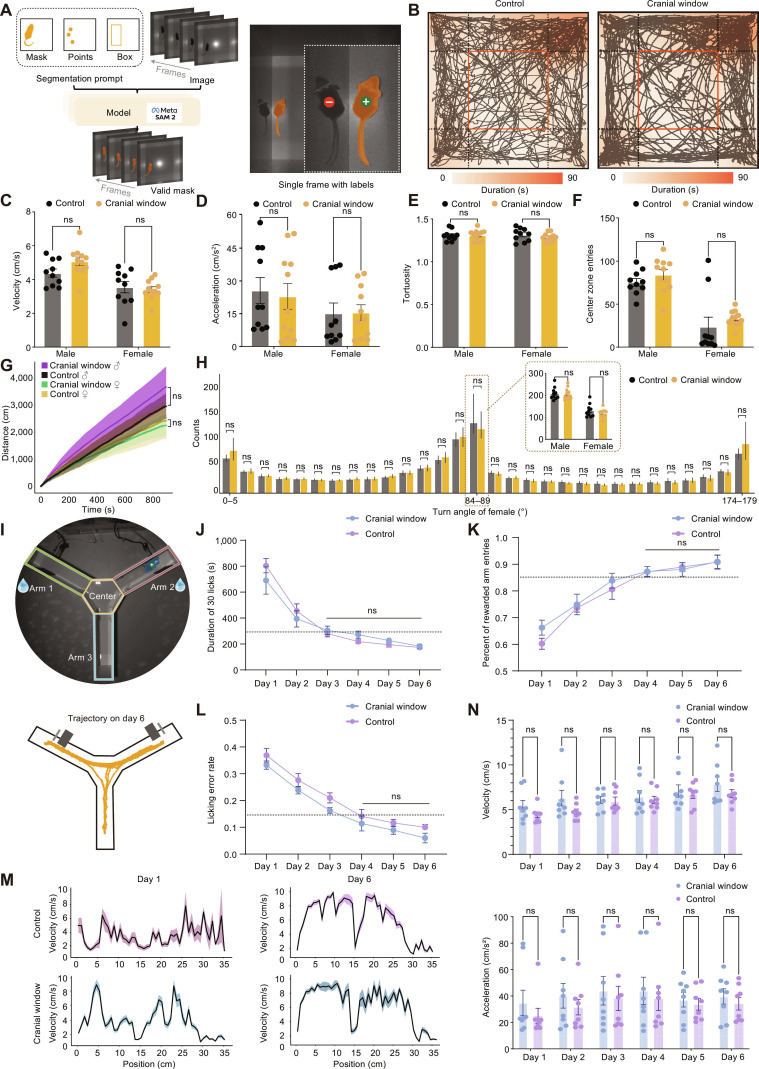 Figure 4
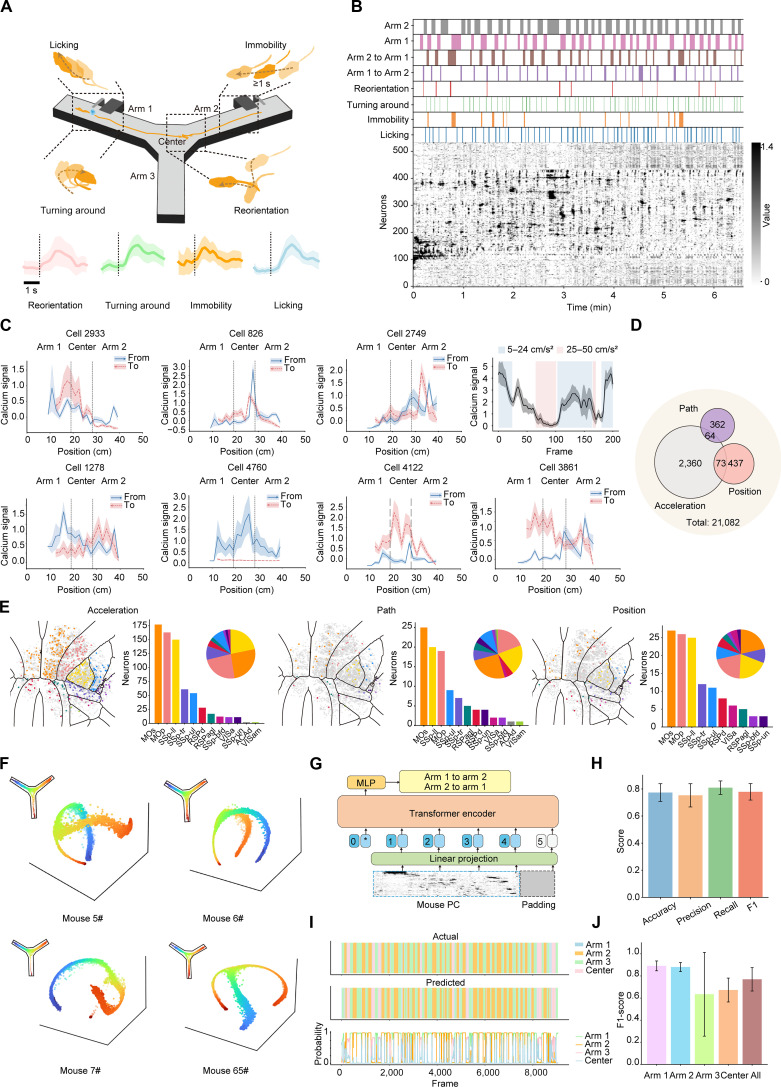 Figure 5
Peer Reviews
No public reviews on file for this paper yet. If you reviewed it on a platform where reviews are public (OpenReview, ICLR, NeurIPS, ICML), you can paste yours below so the community can read it here.
Videos
No videos yet. Explain this paper in a talk, walkthrough, or lecture? Add one.
Taxonomy
TopicsNeural dynamics and brain function · Memory and Neural Mechanisms · Neuroscience and Neuropharmacology Research