Multi-Task Cascade Forest Framework for Predicting Acute Toxicity across Species
Kunhong Liu, Ruijiang Li, Lianlian Wu, Jun Yang, Junshan Han, Song He, Xiaochen Bo, Jie Gao

TL;DR
This paper introduces a new machine learning framework for predicting chemical toxicity across species, improving accuracy and reducing reliance on animal testing.
Contribution
A novel multi-task cascade forest framework for multi-species acute toxicity prediction with improved performance and interpretability.
Findings
The proposed framework achieved a 12% performance improvement over state-of-the-art methods (R2 = 0.64, RMSE = 0.57).
Data enhancement strategies and feature fusion methods significantly improved model performance and generalization.
Feature importance analysis provided insights into species toxicity correlations.
Abstract
Evaluating chemical toxicity and its potential hazards to human health and the environment is essential in diverse fields, including medicine, industry, and agriculture. Multi-species acute toxicity prediction (MSATP) is critical in toxicity assessment. Traditional methods rely on exposing animals to a single high dose of a compound and observing its toxicity. However, with growing ethical concerns regarding animal testing, advancements in computational technology have positioned the artificial intelligence-based MSATP as an efficient alternative. Current research on MSATP commonly employs multi-task deep neural networks for modeling. However, the small size, high dimensionality, and sparsity of MSATP tabular data render them unsuitable for neural network approaches. To address this, we proposed a multi-task cascade forest framework for MSATP. This framework integrated feature…
Genes, proteins, chemicals, diseases, species, mutations and cell lines named across the full text — each resolved to its canonical identifier and authoritative record.
Click any figure to enlarge with its caption.
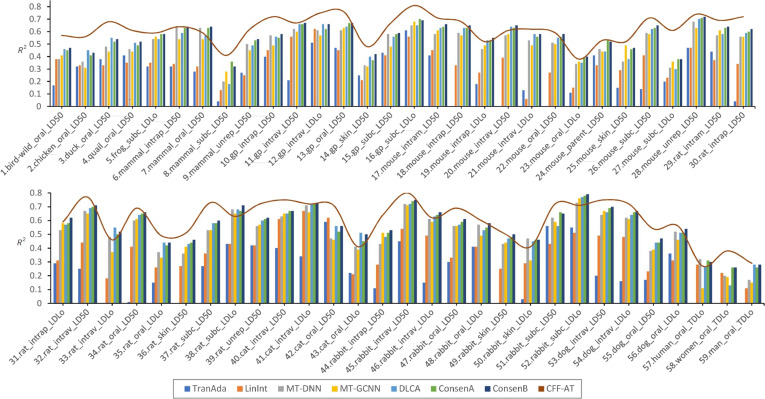 Figure 1
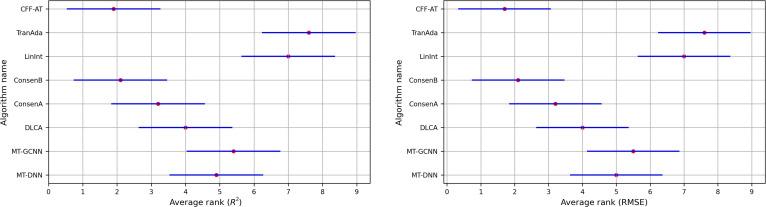 Figure 2
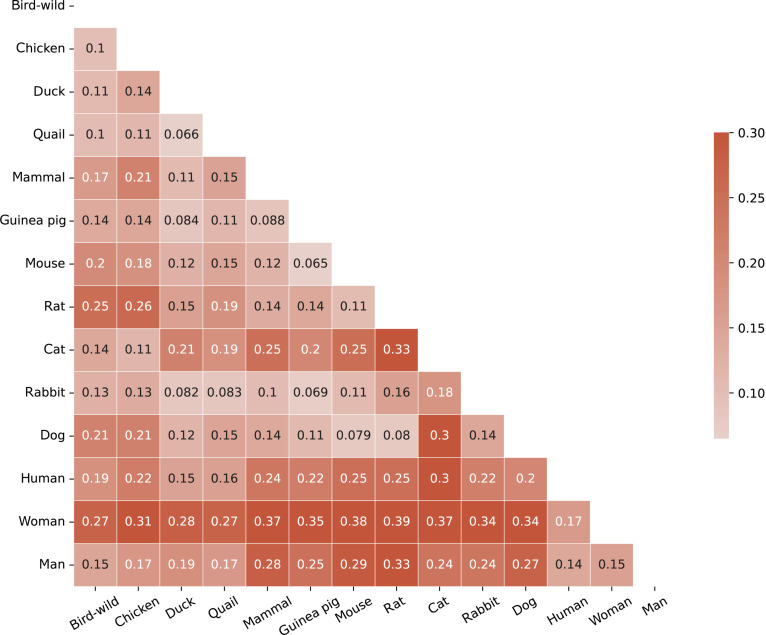 Figure 3
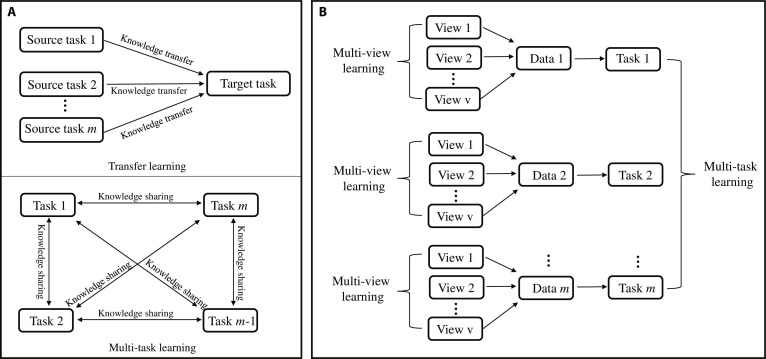 Figure 4
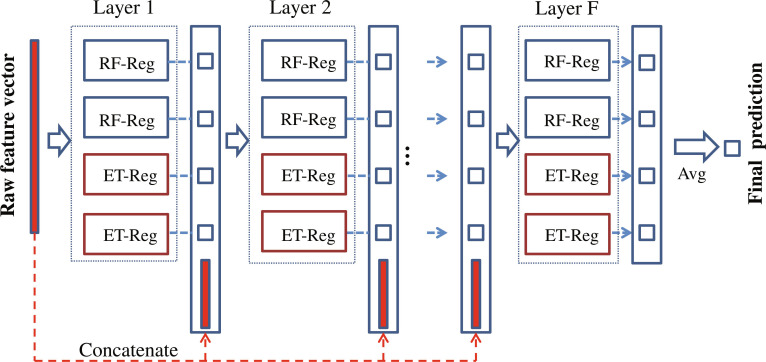 Figure 5
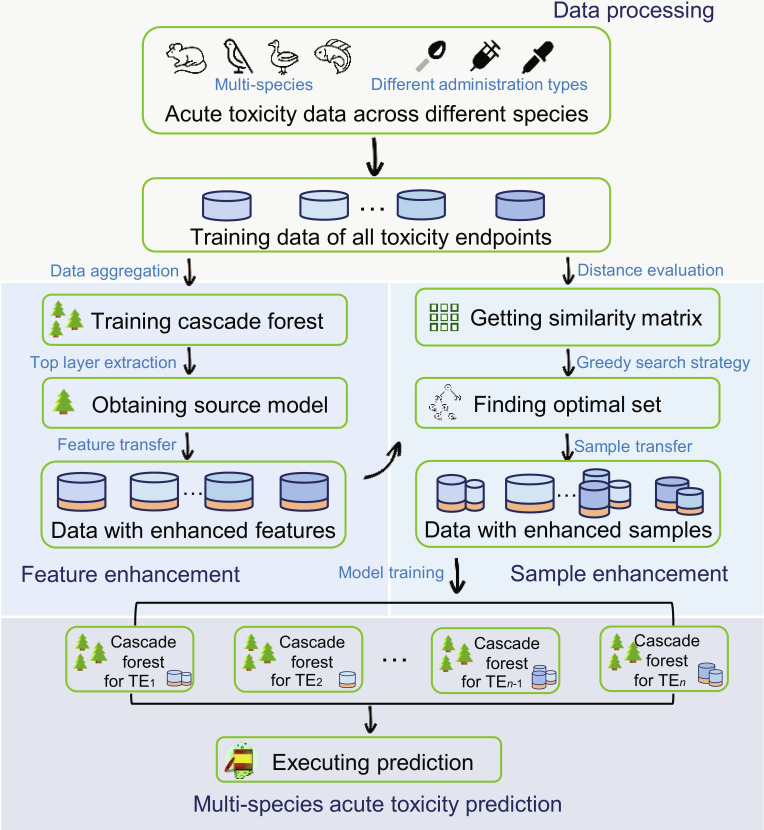 Figure 6
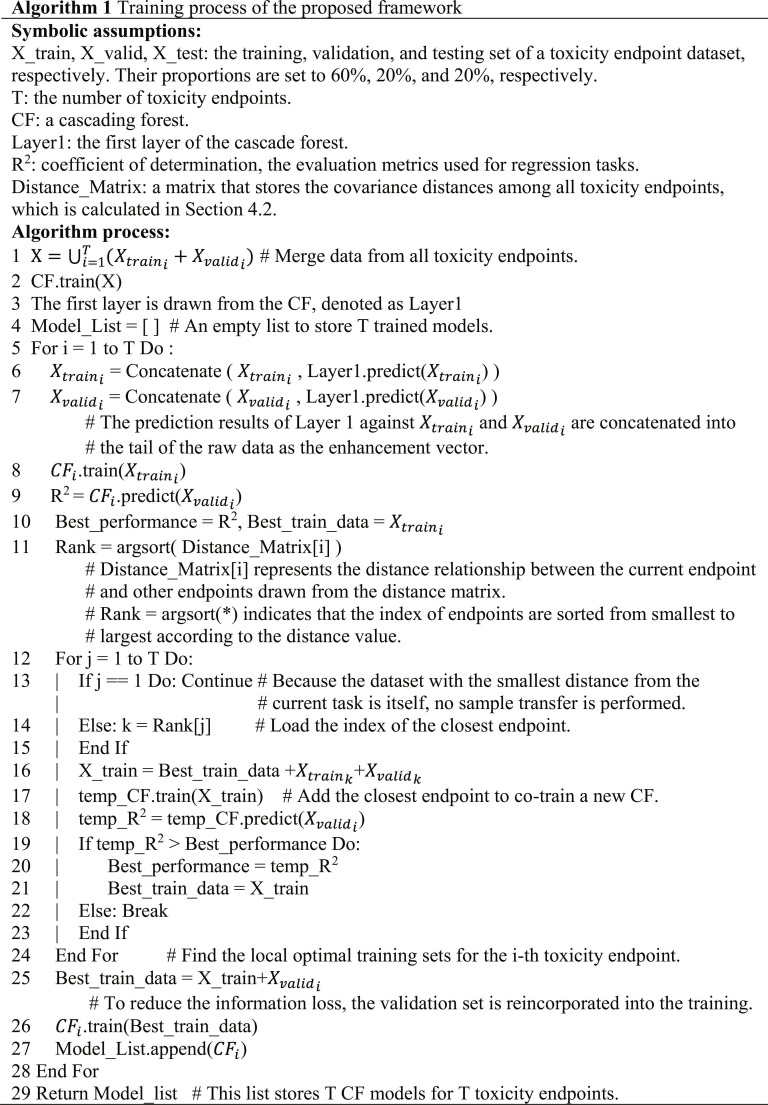 Figure 1
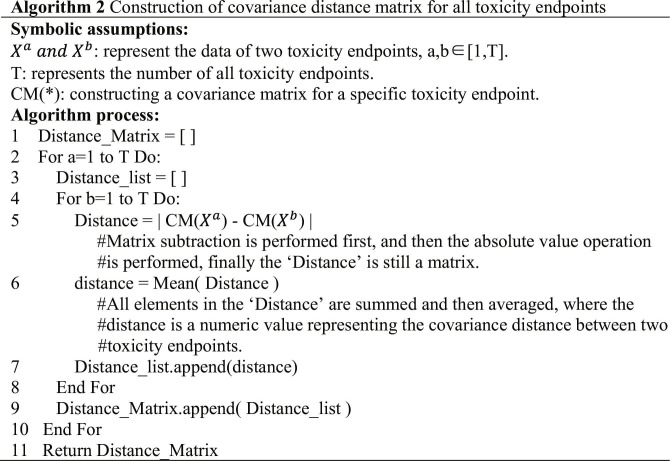 Figure 2
Peer Reviews
No public reviews on file for this paper yet. If you reviewed it on a platform where reviews are public (OpenReview, ICLR, NeurIPS, ICML), you can paste yours below so the community can read it here.
Videos
No videos yet. Explain this paper in a talk, walkthrough, or lecture? Add one.
Taxonomy
TopicsEnvironmental Toxicology and Ecotoxicology · Effects and risks of endocrine disrupting chemicals · Animal testing and alternatives