In-silico assessment of phytochemical derivatives generated using CHEESE webserver for advancement of druggable candidate in pancreatic cancer therapy
Christopher Busayo Olowosoke, Felix Oluwasegun Ishabiyi, Amal Bouribab, Aqsa Munir, Blessing Awoyemi, Winifred Njideka Nsofo, Amorha Chizoba Christabel, Jonah Ojochogwu Joy, Samir Chtita, Victor Omoboyede, Prosper Obed Chukwuemeka

TL;DR
This study uses the CHEESE webserver to generate and evaluate phytochemical derivatives for their potential to inhibit EZH2, a target in pancreatic cancer therapy.
Contribution
The study demonstrates the effectiveness of the CHEESE webserver in generating phytochemical derivatives with improved binding affinity to EZH2.
Findings
Several phytochemical derivatives showed higher binding affinities to EZH2 than the original compounds.
Molecular dynamics simulations confirmed the stability of key protein-ligand complexes.
The derivatives met pharmacokinetic and drug-likeness criteria, suggesting potential for further experimental validation.
Abstract
Research efforts for pancreatic cancer (PC) therapy has led to investigations of numerous therapeutic targets, yet there are still limited efficacy outcomes. In 2021, the annual PC cases of 508,533 resulted in mortality of 505,752 for both sexes according to GLOBOCAN. In order to address this burden, enhancer of zeste homolog 2 (EZH2); an epigenetic regulator implicated in various cancers, has been an attractive target, due to promising tumor-suppressive effects in both preclinical and clinical studies. This effect was observed from drugs that have strong affinity towards EZH2, but there is need to improve the structural moieties for better interaction towards this protein. In this study, we employed a structure-based drug discovery approach using CHEESE webserver for rapid ligand-based screening to identify and evaluate phytochemical derivatives for their potential to bind EZH2. Five…
Genes, proteins, chemicals, diseases, species, mutations and cell lines named across the full text — each resolved to its canonical identifier and authoritative record.
Click any figure to enlarge with its caption.
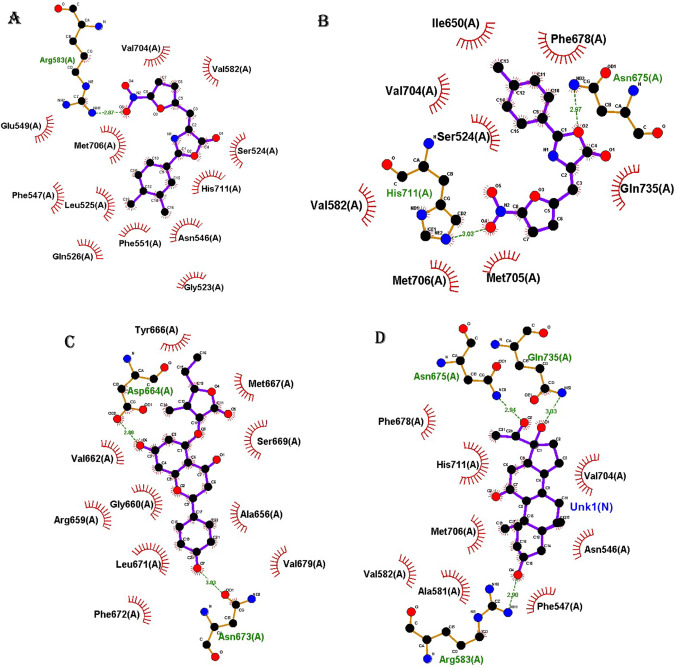 Figure 1
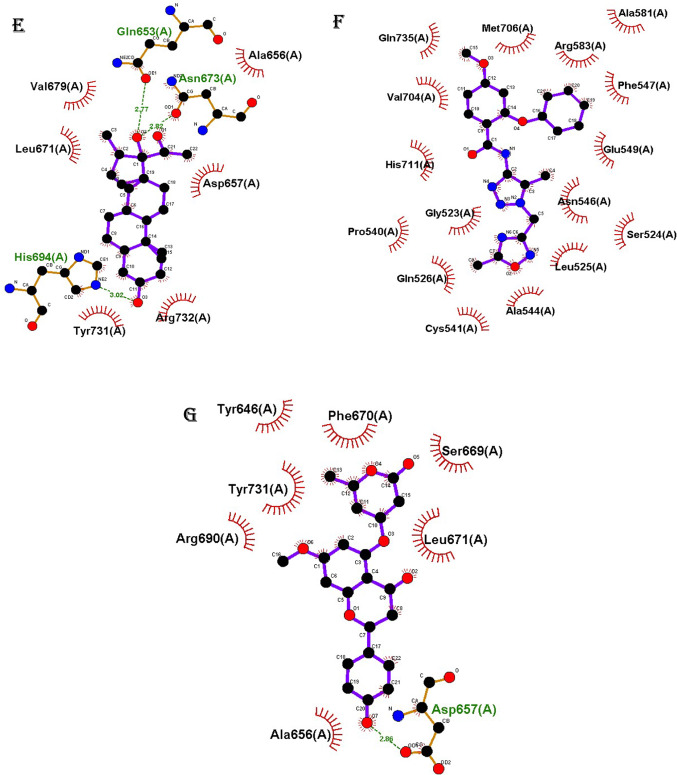 Figure 1
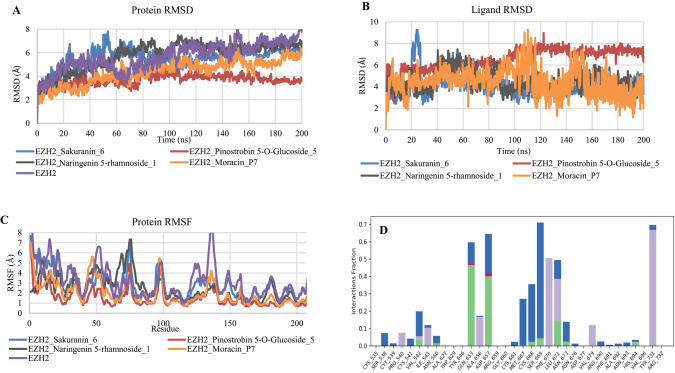 Figure 2
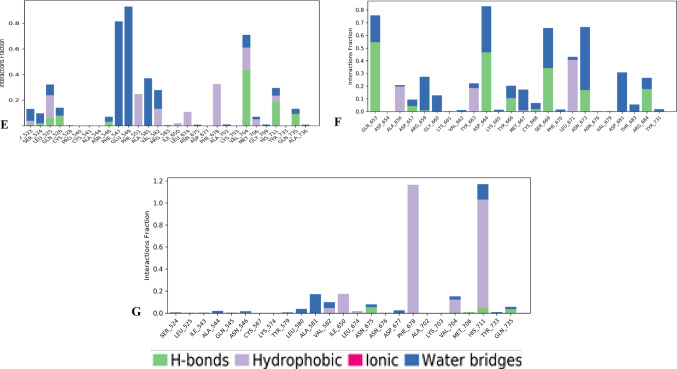 Figure 2
Peer Reviews
No public reviews on file for this paper yet. If you reviewed it on a platform where reviews are public (OpenReview, ICLR, NeurIPS, ICML), you can paste yours below so the community can read it here.
Videos
No videos yet. Explain this paper in a talk, walkthrough, or lecture? Add one.
Taxonomy
TopicsProtein Degradation and Inhibitors · Epigenetics and DNA Methylation · Computational Drug Discovery Methods