Secretoglobin 3A1 in activated muscle satellite cells contributes to myosin heavy chain IIX and IIB fiber differentiation
Shigetoshi Yokoyama, Taketomo Kido, Mitsuhiro Yoneda, Danielle A. Springer, Parirokh P. Awasthi, Raj Chari, Andrew D. Patterson, Shioko Kimura

TL;DR
Secretoglobin 3A1 helps muscle satellite cells regenerate specific muscle fibers after injury, and its absence leads to poor muscle regeneration and performance.
Contribution
SCGB3A1 is identified as a novel molecule in muscle satellite cells that regulates fiber-specific muscle regeneration.
Findings
SCGB3A1 is induced after muscle injury and contributes to regeneration of MyHC-IIX fibers.
Loss of SCGB3A1 leads to defective IIX and IIB fiber regeneration and reduced Notch3 expression.
Aged Scgb3a1-null mice show reduced muscle fiber size and compromised performance.
Abstract
Skeletal muscle has an innate ability to restore damaged muscle fibers by contributing specific progenitor cells, called muscle satellite cells. Here we show that secretoglobin (SCGB) 3A1, a tumor suppressor gene in various malignancies including rhabdomyosarcoma, is induced just after muscle injury and contributes to damaged muscle fiber regeneration. Lineage tracing of SCGB3A1 in mice show that SCGB3A1-positive cells highly express myosin heavy chain (MyHC)-IIX in damaged fiber area. Scgb3a1-null and Pax7CreERT2;Scgb3a1f/f conditional-null mice exhibit defective IIX and IIB fiber regeneration, with a concomitant reduction in the expression of Notch3, a gene important for the maintenance of satellite cell self-renewal pools. Aged Scgb3a1-null mice show reduced size of muscle fibers and mass, resulting in compromised muscle performance as compared to the age-matched wild-type mice. This…
Genes, proteins, chemicals, diseases, species, mutations and cell lines named across the full text — each resolved to its canonical identifier and authoritative record.
Click any figure to enlarge with its caption.
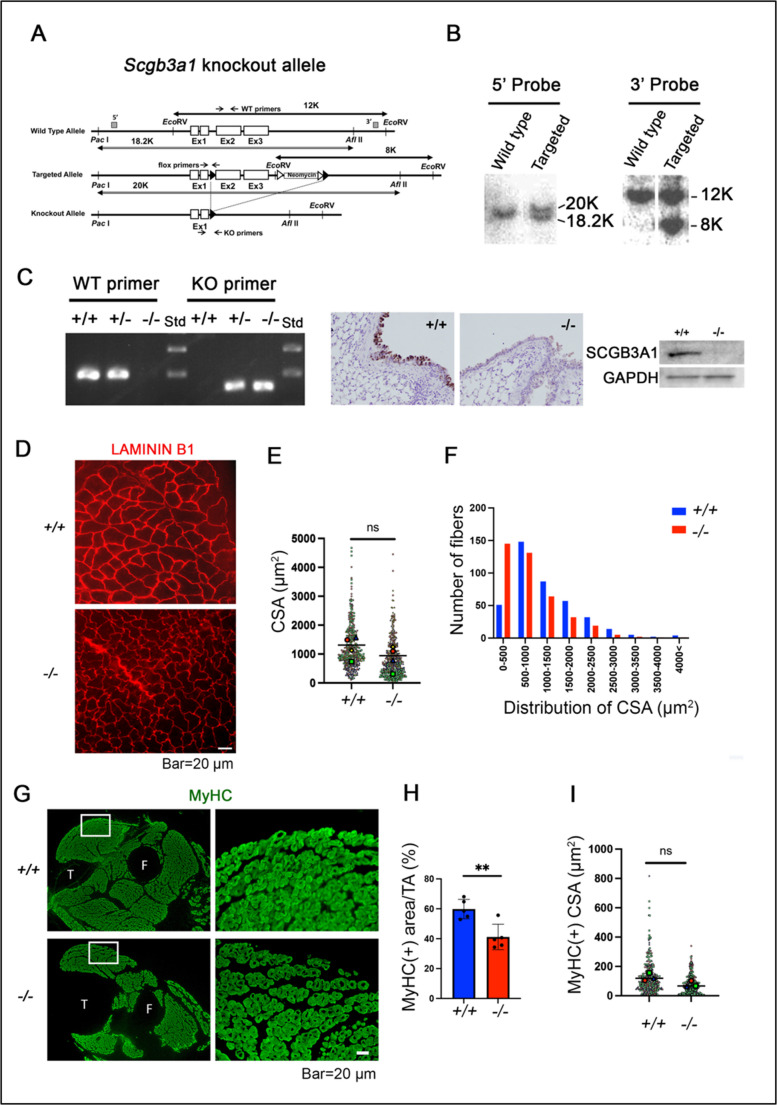 Figure 1
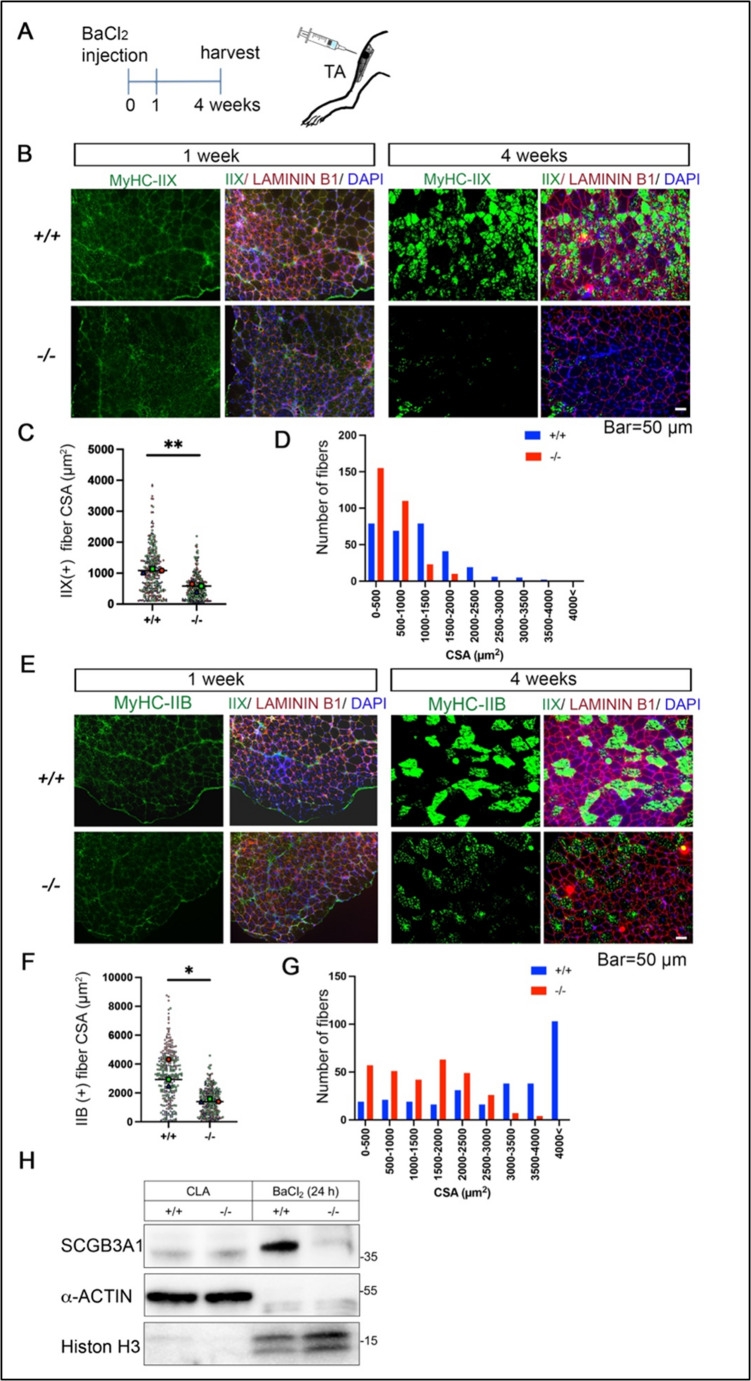 Figure 2
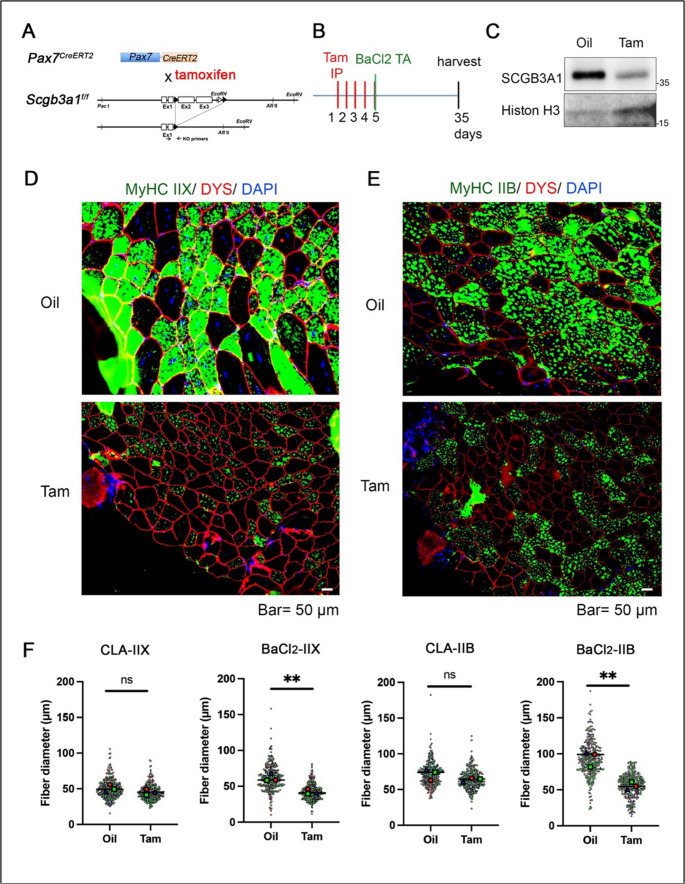 Figure 3
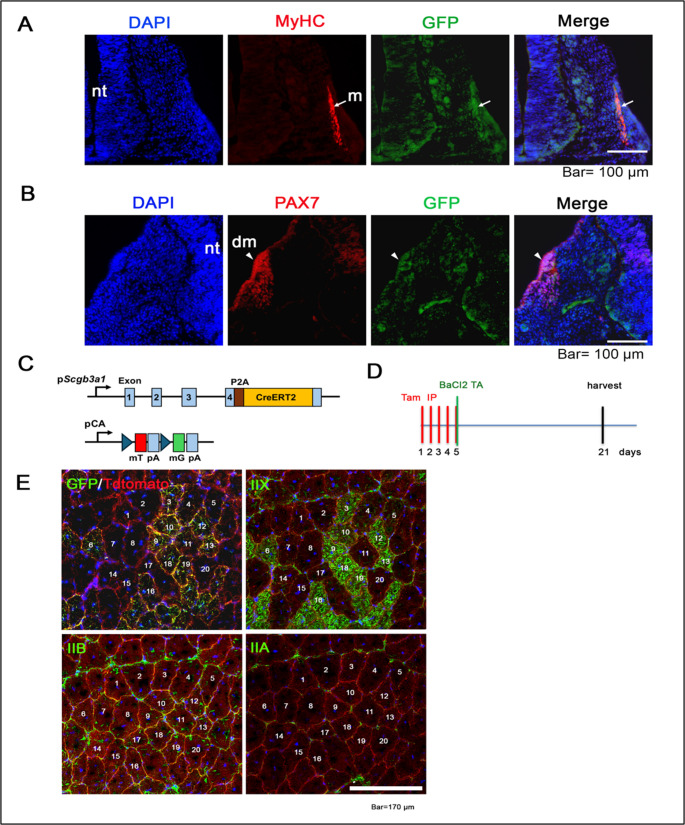 Figure 4
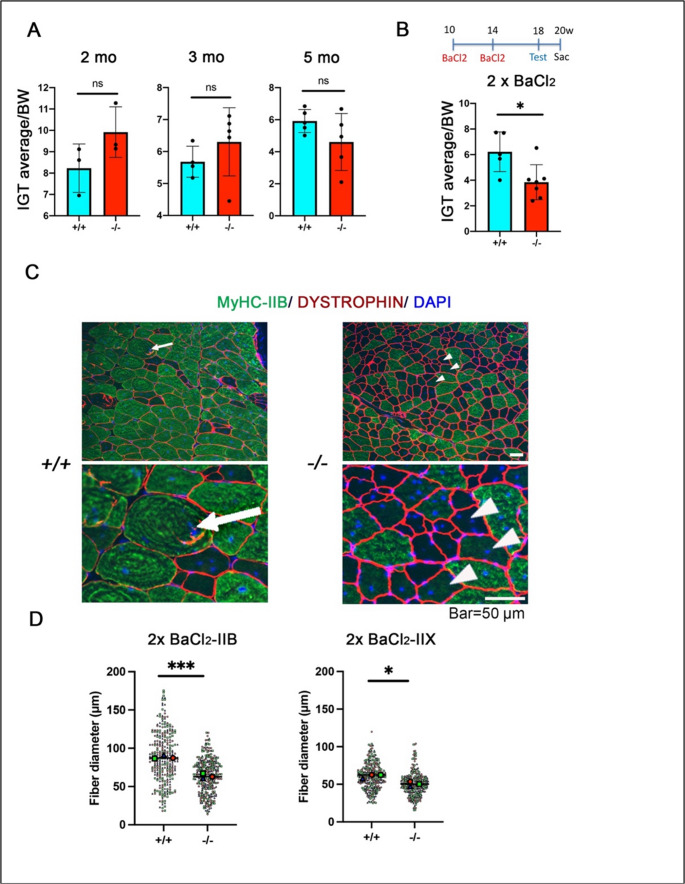 Figure 5
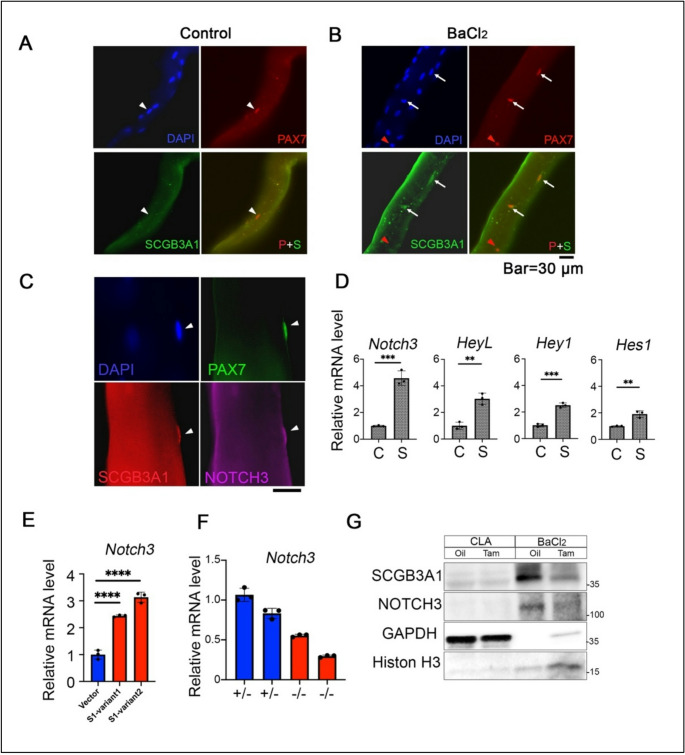 Figure 6
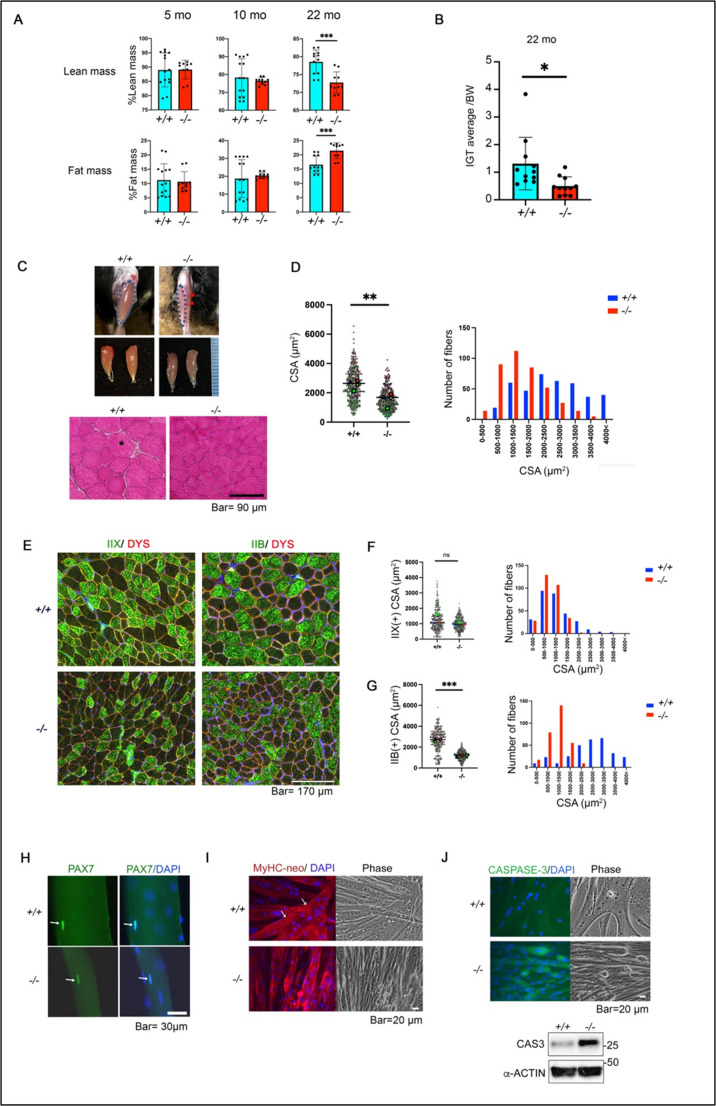 Figure 7
Peer Reviews
No public reviews on file for this paper yet. If you reviewed it on a platform where reviews are public (OpenReview, ICLR, NeurIPS, ICML), you can paste yours below so the community can read it here.
Videos
No videos yet. Explain this paper in a talk, walkthrough, or lecture? Add one.
Taxonomy
TopicsMuscle Physiology and Disorders · Cardiomyopathy and Myosin Studies · Adipose Tissue and Metabolism