Molecular insights into the bioactivity of H-thiazine compounds against breast cancer cells: a computational study
Lesego M. Mogoane, Vincent A. Obakachi, Penny P. Govender, Krishna K. Govender

TL;DR
This study explores H-thiazine compounds as potential treatments for breast cancer by evaluating their ability to inhibit EGFR, a key cancer driver.
Contribution
The study introduces new H-thiazine derivatives with better binding and stability than existing drugs, though safety concerns remain.
Findings
Methyl- and bromine-substituted H-thiazine derivatives showed higher binding affinity and stability than Olmutinib.
In silico toxicity screening revealed potential mutagenicity and hERG-II inhibition risks for the compounds.
H-thiazine derivatives are promising EGFR-targeted anti-cancer scaffolds requiring further experimental validation.
Abstract
Breast cancer, a leading cause of global mortality, necessitates novel therapies targeting key drivers like the epidermal growth factor receptor (EGFR). This computational study evaluates nine 4-phenyl-2H-[1,3]thiazino[3,2-a]benzimidazol-2-imine (H-thiazine) derivatives as potential EGFR inhibitors. Using molecular docking, ADMET profiling, molecular dynamics simulations, and binding energy calculations, we identified methyl- and bromine-substituted derivatives as probable candidates that outperform the reference drug Olmutinib in terms of binding affinity, pharmacokinetics, and stability. Although these compounds showed promising bioactivity, in silico toxicity screening indicated potential AMES mutagenicity and hERG-II inhibition, highlighting important safety liabilities. Overall, thiazine derivatives represent viable scaffolds for EGFR-targeted anti-cancer development; however,…
Genes, proteins, chemicals, diseases, species, mutations and cell lines named across the full text — each resolved to its canonical identifier and authoritative record.
Click any figure to enlarge with its caption.
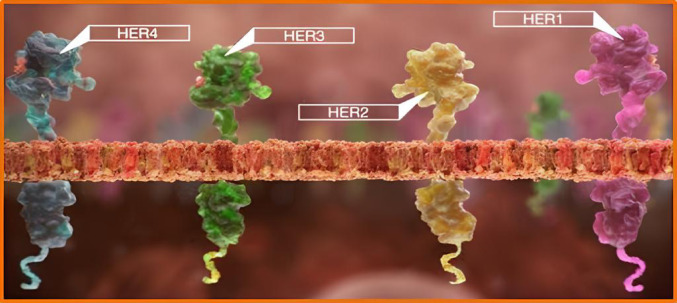 Figure 1
 Figure 2
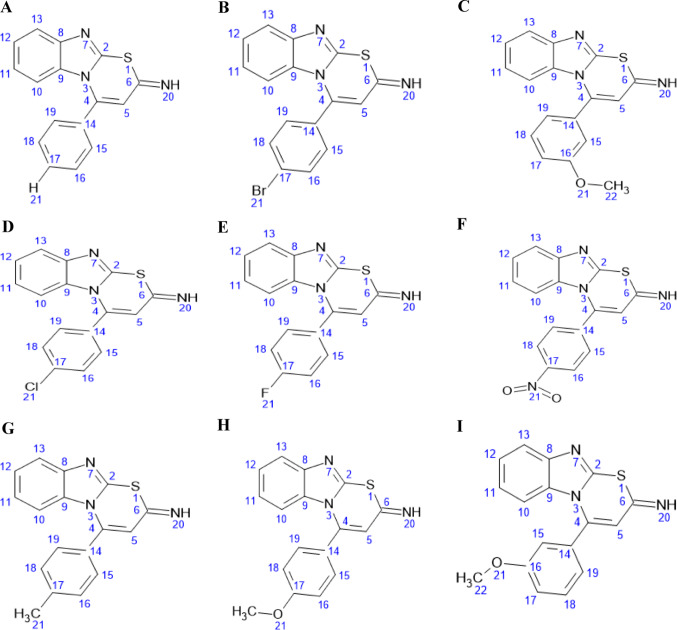 Figure 3
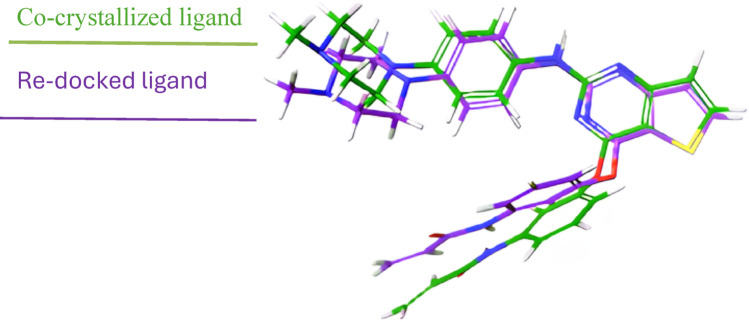 Figure 4
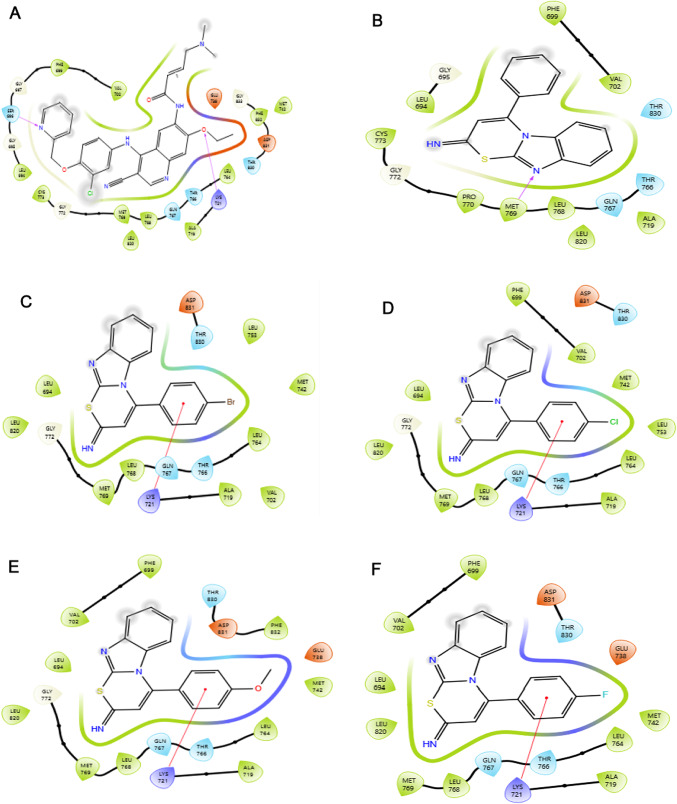 Figure 5
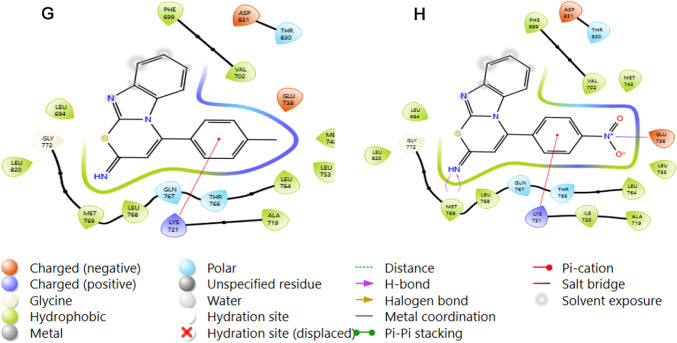 Figure 5
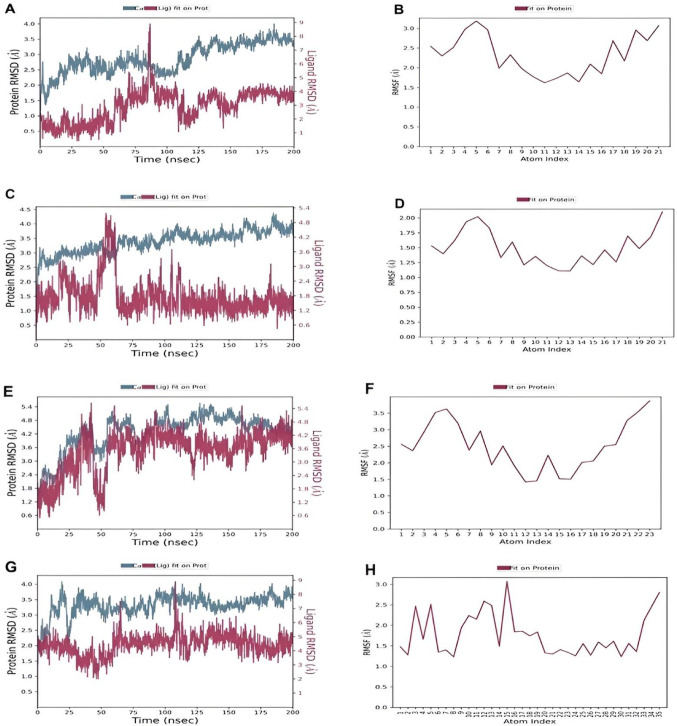 Figure 6
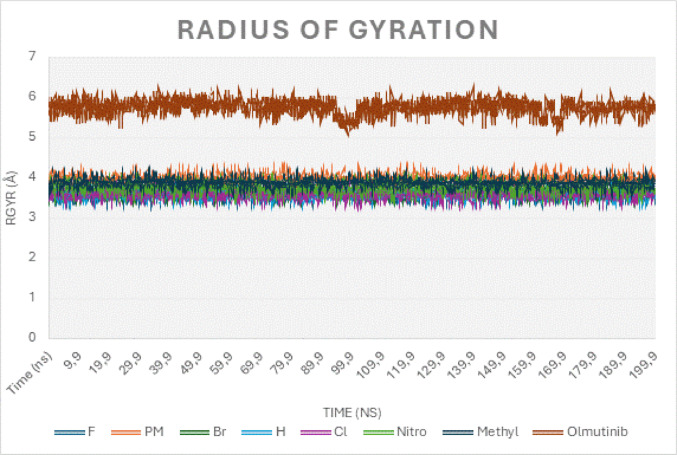 Figure 7
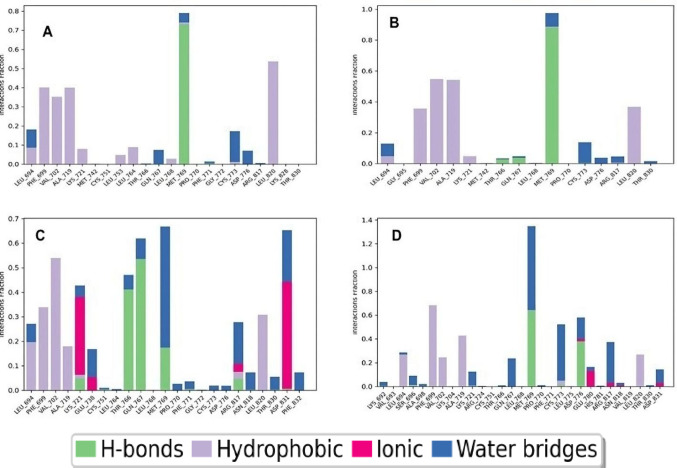 Figure 8
Peer Reviews
No public reviews on file for this paper yet. If you reviewed it on a platform where reviews are public (OpenReview, ICLR, NeurIPS, ICML), you can paste yours below so the community can read it here.
Videos
No videos yet. Explain this paper in a talk, walkthrough, or lecture? Add one.
Taxonomy
TopicsComputational Drug Discovery Methods · Synthesis and biological activity · Cancer therapeutics and mechanisms