Testing a Computational Model of Interruptions: The Effects of Time Pressure on Interruption and Response Decisions
Emma B. Knight, Hector Palada, Andrew Neal, Penelope Sanderson, Timothy Ballard

TL;DR
This study tests how time pressure affects decisions to interrupt or respond in safety-critical environments like hospitals.
Contribution
The study introduces a non-monotonic model showing how time pressure uniquely influences interruption and response decisions.
Findings
A non-monotonic model best explains interruption decisions, with high time pressure increasing interruption likelihood.
Response decisions are better explained by a monotonic model, where higher interrupter time pressure increases acceptance of interruptions.
Abstract
The objective of this study is to empirically test a computational model of interruptions processes and effects, and to compare an alternative model to determine which best explains interruption and response decision making. Interruptions in safety-critical environments (e.g., hospitals) can lead to an increased risk of error for the person being interrupted (the interruptee) but may be necessary for the person doing the interrupting (the interrupter) to maintain safety. Little research has considered the perspective of both the interrupter and interruptee. We tested a computational model of interruption and response decision processes through an experiment where participants (n = 312) worked as a nurse in a simulated clinical team. We examined how task progress, time remaining, and time pressure influenced decisions and compared the model with an alternative that allowed the effects…
Genes, proteins, chemicals, diseases, species, mutations and cell lines named across the full text — each resolved to its canonical identifier and authoritative record.
Click any figure to enlarge with its caption.
 Figure 1
 Figure 2
 Figure 3
 Figure 4
 Figure 5
 Figure 6
 Figure 7
 Figure 8
 Figure 9
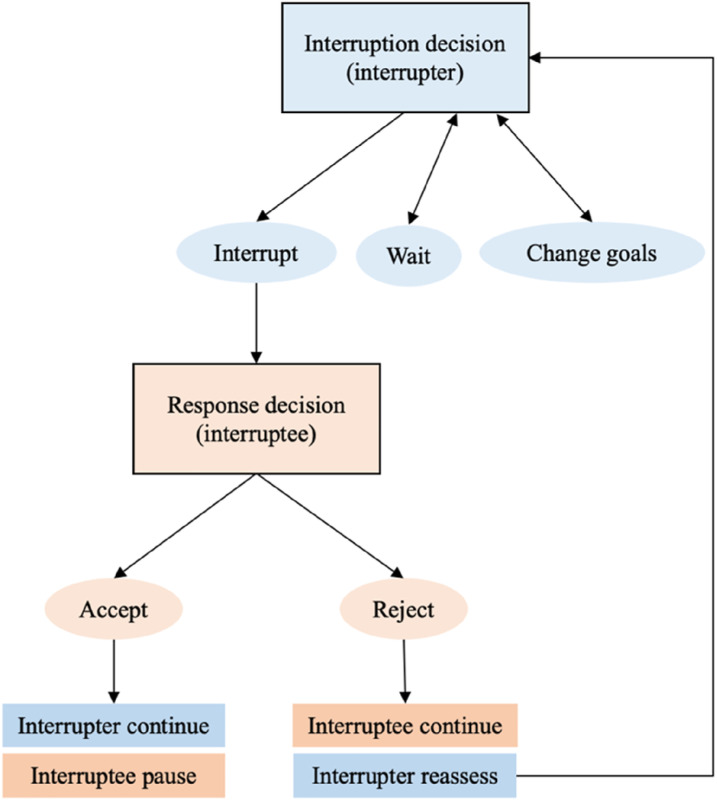 Figure 1
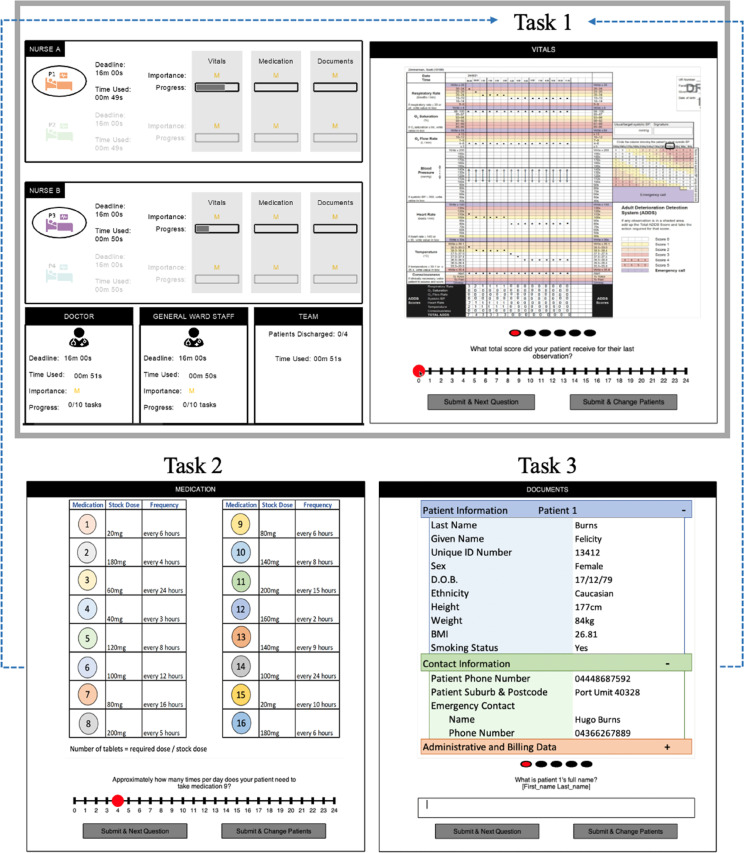 Figure 2
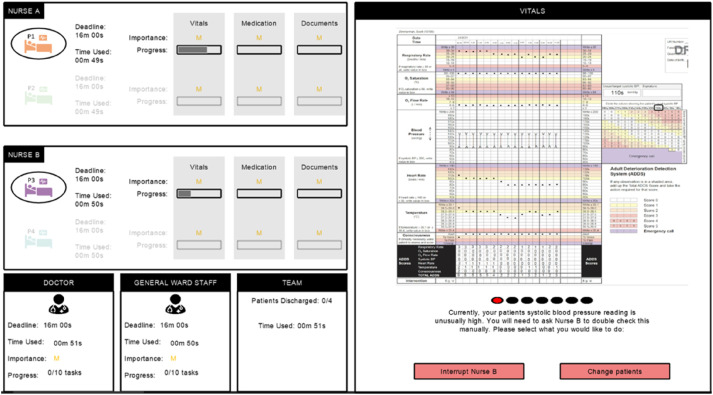 Figure 3
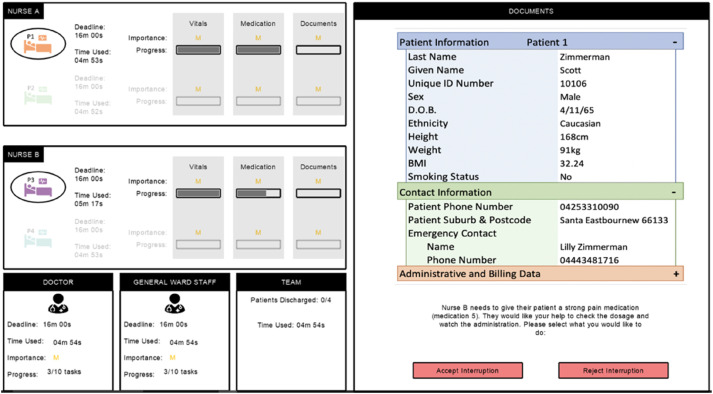 Figure 4
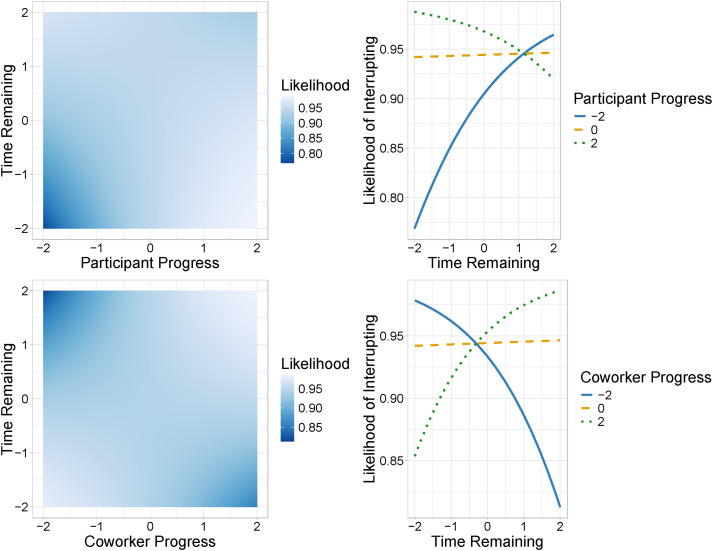 Figure 5
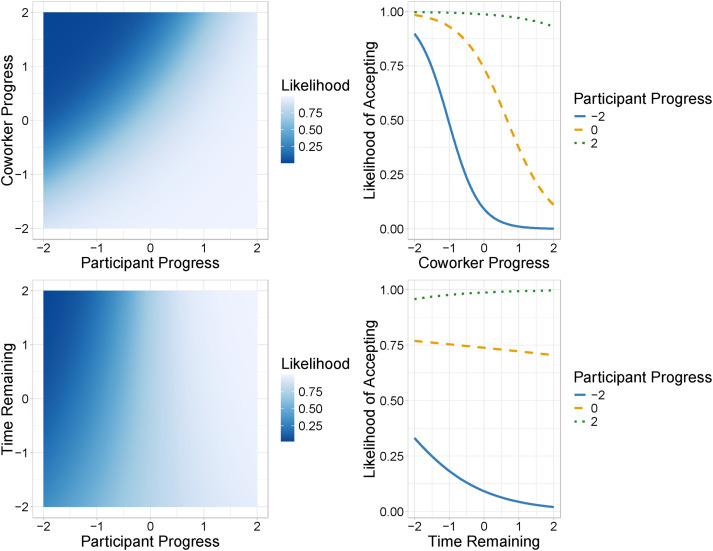 Figure 6
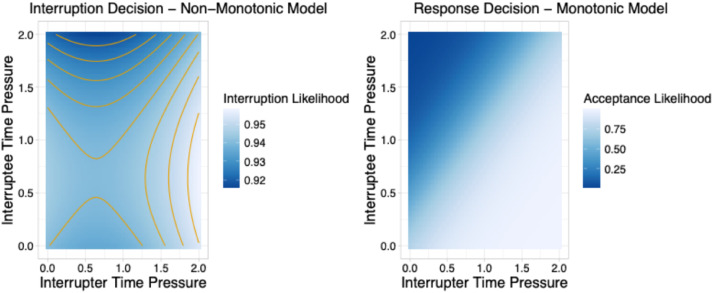 Figure 7
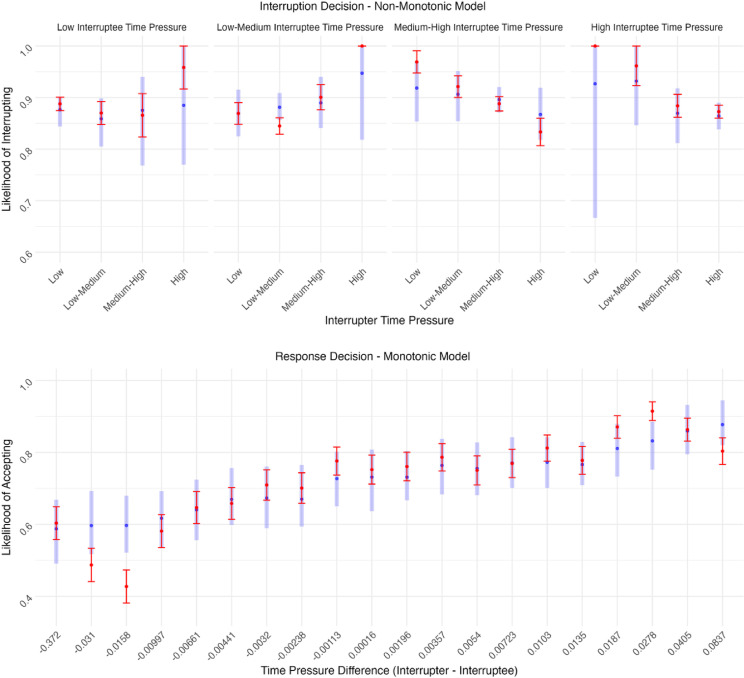 Figure 8
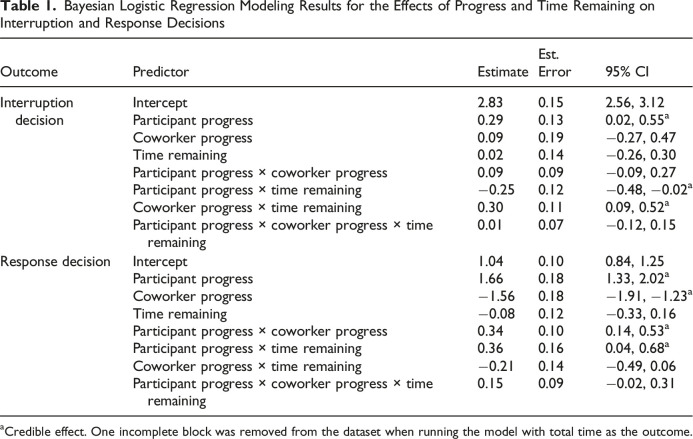 Figure 18
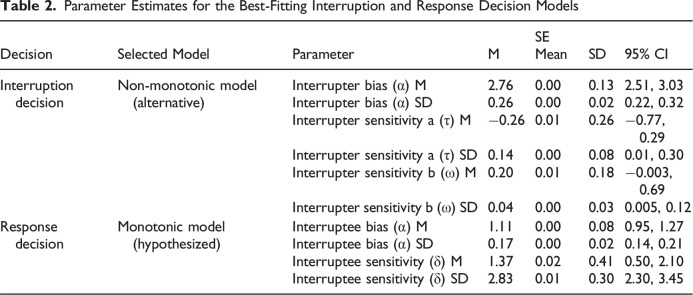 Figure 19
Peer Reviews
No public reviews on file for this paper yet. If you reviewed it on a platform where reviews are public (OpenReview, ICLR, NeurIPS, ICML), you can paste yours below so the community can read it here.
Videos
No videos yet. Explain this paper in a talk, walkthrough, or lecture? Add one.
Taxonomy
TopicsPersonal Information Management and User Behavior · Cognitive Functions and Memory · Human-Automation Interaction and Safety