Anemoside B4 attenuates intestinal damage in chickens infected with Eimeria tenella: Mechanisms involving antioxidant defense, immune modulation, and barrier repair
Mohan Yang, Haixia Han, Zhe Zheng, Qi Xin, Baihui Zhang, Tingting Yu, Xuwen Wang, Yanchun Wang, Yanan Cai

TL;DR
Anemoside B4 helps repair chicken intestinal damage from Eimeria tenella by reducing inflammation, boosting antioxidants, and improving gut barrier function.
Contribution
AB4 shows a tripartite mechanism of antioxidant, immune, and barrier repair efficacy comparable to conventional anticoccidials.
Findings
AB4 showed significantly higher radical scavenging activity than Diclazuril.
AB4 reduced cecal lesion scores and improved the CD4⁺/CD8⁺ ratio in chickens.
AB4 enhanced tight junction gene expression and restored intestinal villus architecture.
Abstract
This study aimed to investigate the reparative effects and underlying mechanisms of Anemoside B4 (AB4) on intestinal damage induced by Eimeria tenella (E. tenella) infection in chickens. Eighty 14-day-old broilers were allocated into four groups: control (CON), E. tenella-infected (E. tenella), AB4-treated (E. tenella+AB4), and diclazuril-treated (E. tenella+DC). Infected birds were orally inoculated with 4 × 10⁴ sporulated oocysts, followed by oral administration of AB4 (40 mg/kg BW) or Diclazuril (1 ml/bird, 0.2 mg/mL) at 12 hours post-infection. Key findings demonstrated that AB4 exhibited significantly superior radical scavenging activity (82.7–93.1 %) against superoxide anion, 2,2-diphenyl-1-picrylhydrazyl (DPPH), and hydroxyl radicals compared to Diclazuril (<16.3 %) . The Anticoccidial Index (ACI) for the AB4 group (163.05) indicated moderate efficacy and was comparable to the…
Genes, proteins, chemicals, diseases, species, mutations and cell lines named across the full text — each resolved to its canonical identifier and authoritative record.
Click any figure to enlarge with its caption.
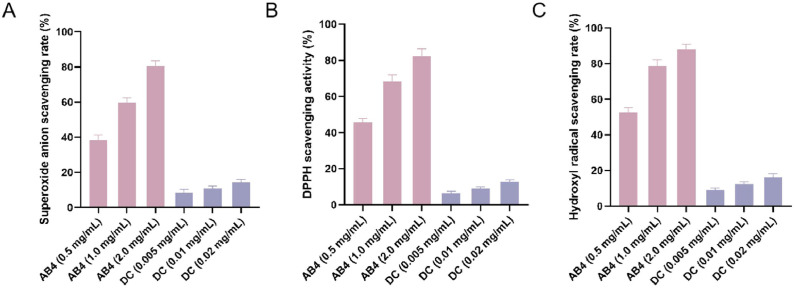 Figure 1
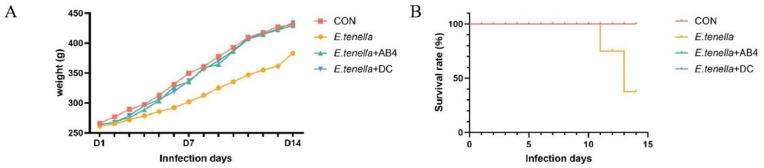 Figure 2
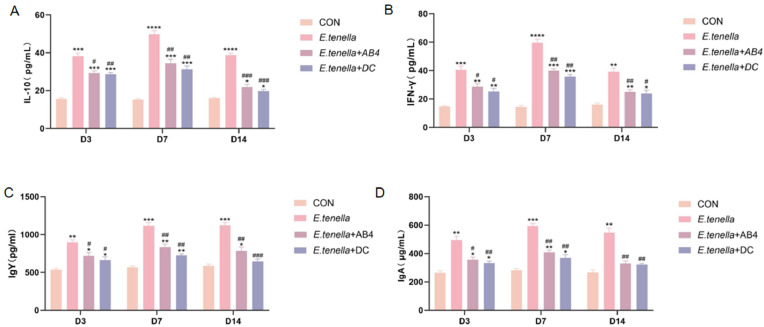 Figure 3
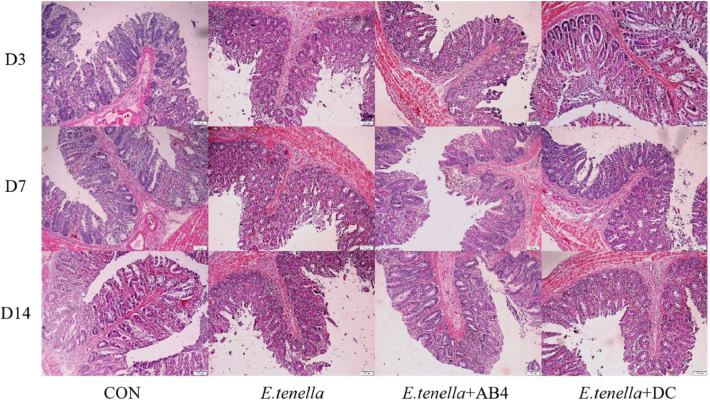 Figure 4
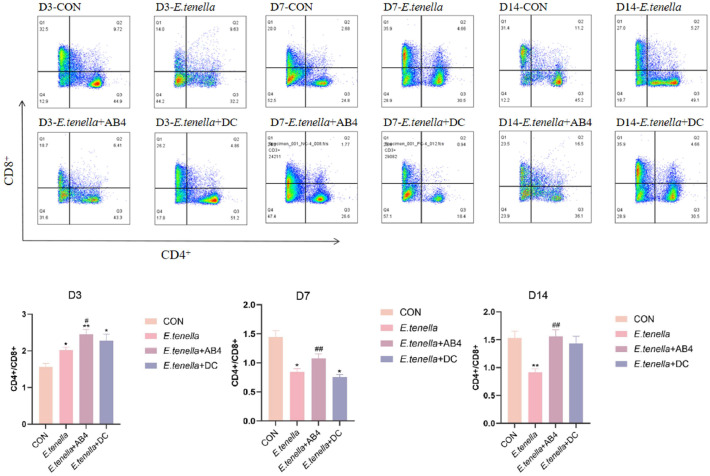 Figure 5
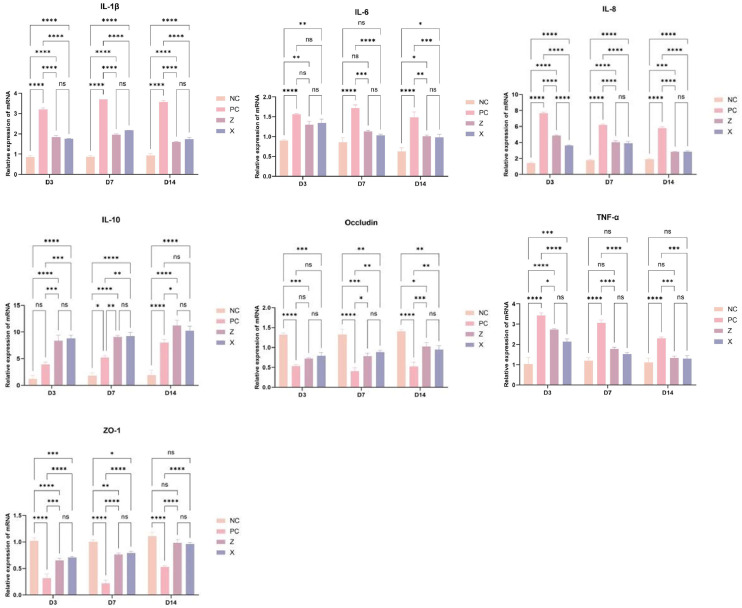 Figure 6
Peer Reviews
No public reviews on file for this paper yet. If you reviewed it on a platform where reviews are public (OpenReview, ICLR, NeurIPS, ICML), you can paste yours below so the community can read it here.
Videos
No videos yet. Explain this paper in a talk, walkthrough, or lecture? Add one.
Taxonomy
TopicsCoccidia and coccidiosis research · Neuropeptides and Animal Physiology · Helminth infection and control