Caregiver-reported quality of life in individuals with developmental and epileptic encephalopathy and other severe neurodevelopmental encephalopathies
Natasha N. Ludwig, Melissa K. Licari, Mary Wojnaroski, Gabrielle Conecker, JayEtta Hecker, Rebecca Hommer, Kelly Muzyczka, Peter Jacoby, Jenny Downs

TL;DR
This study explores factors affecting quality of life in individuals with severe neurodevelopmental conditions, finding that cognition and touchscreen use are key predictors.
Contribution
The study uses regression tree analysis to identify novel predictors of quality of life in individuals with severe neurodevelopmental encephalopathy.
Findings
Lower cognition scores correlate with significantly lower quality of life scores.
Higher cognition and touchscreen engagement are associated with improved quality of life.
Small functional gains in alertness and hand skills may meaningfully enhance quality of life.
Abstract
Information on factors contributing to quality of life (QOL) informs meaningful patient-centred care. We evaluated factors influencing QOL in individuals with developmental and epileptic encephalopathy (DEE) and other severe neurodevelopmental encephalopathy conditions using hypothesis-free regression tree analysis. A questionnaire was completed by 242 caregivers of individuals two years or older. QOL was measured using the Quality of Life Inventory-Disability (QI-Disability). Independent variables described health, functional abilities and daily activities. The R package rpart was used to build the regression trees to explore the most influential factors associated with QOL. Median age was 8.8y (interquartile range 4.6–14.9 y). Mean total QI-Disability score was 60.2 ± 14.1 out of a total possible score of 100. The subgroup with the lowest QOL scores comprised individuals with low…
Genes, proteins, chemicals, diseases, species, mutations and cell lines named across the full text — each resolved to its canonical identifier and authoritative record.
Click any figure to enlarge with its caption.
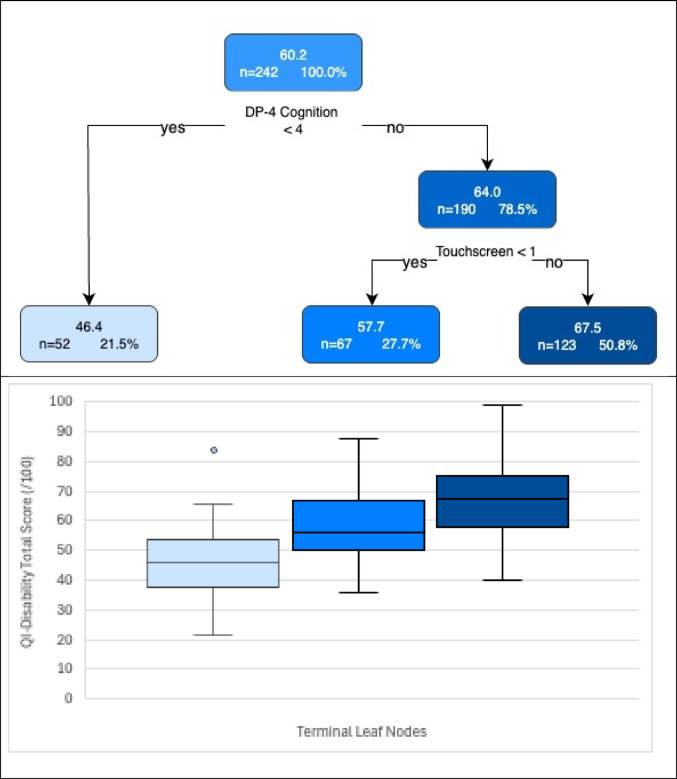 Figure 1
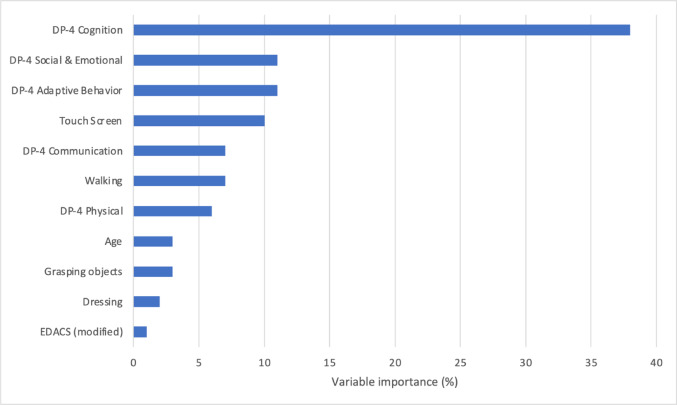 Figure 2
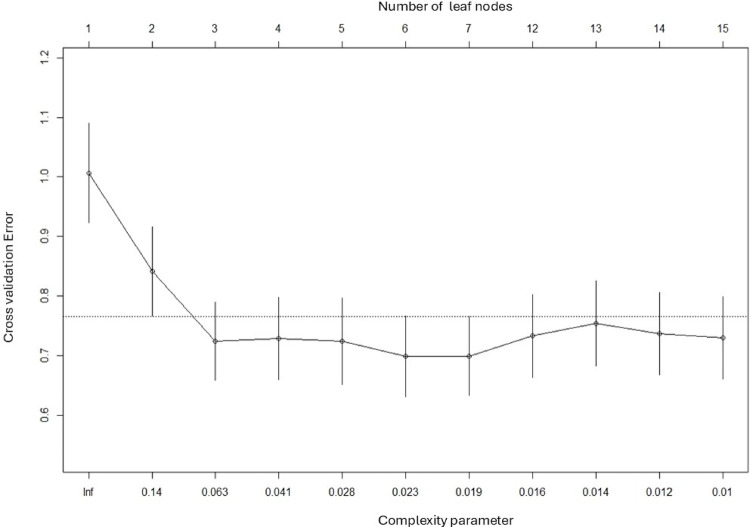 Figure 3
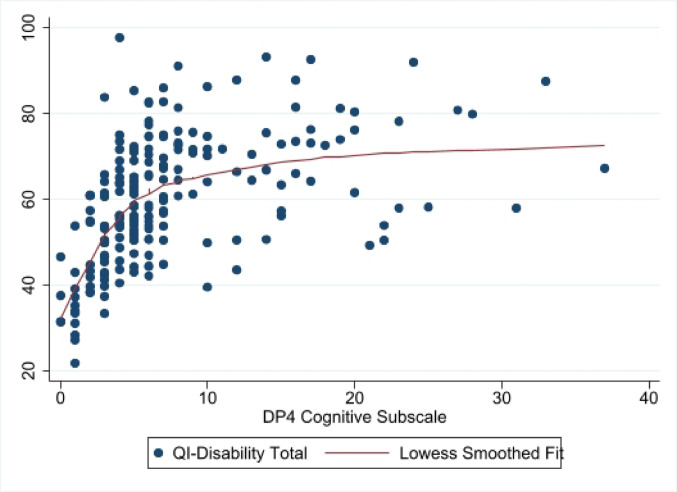 Figure 4
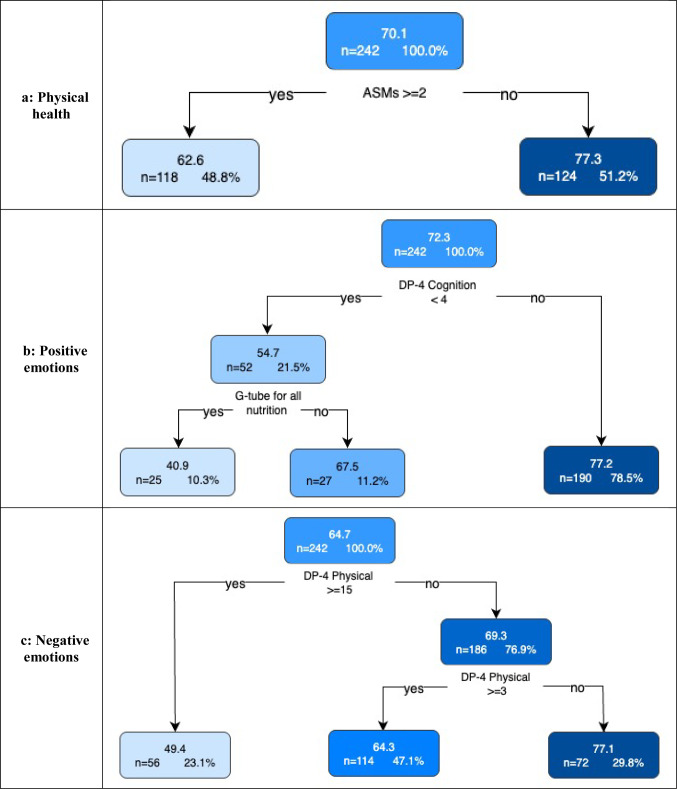 Figure 5
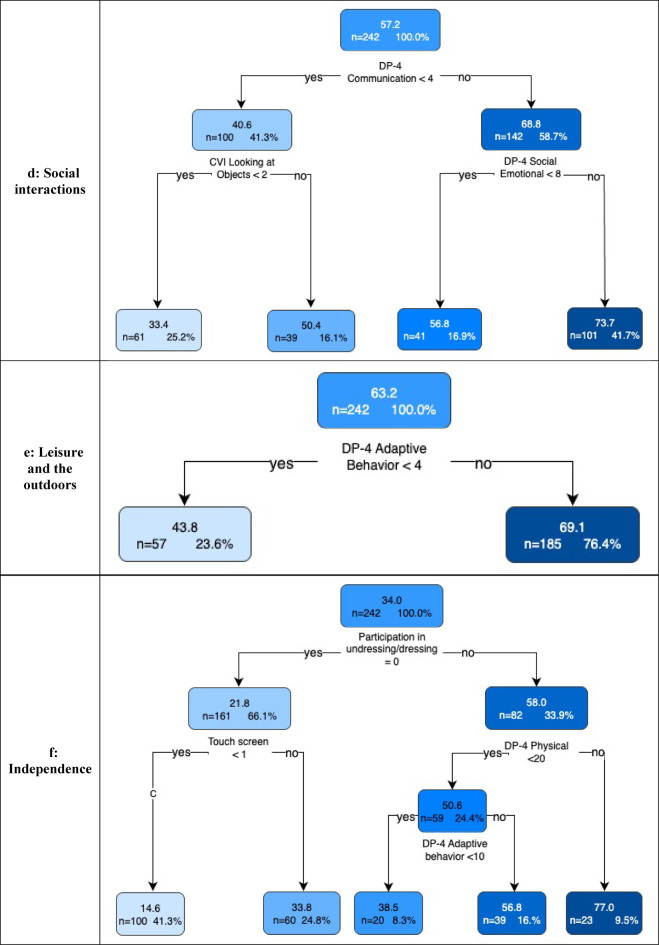 Figure 5
Peer Reviews
No public reviews on file for this paper yet. If you reviewed it on a platform where reviews are public (OpenReview, ICLR, NeurIPS, ICML), you can paste yours below so the community can read it here.
Videos
No videos yet. Explain this paper in a talk, walkthrough, or lecture? Add one.
Taxonomy
TopicsEpilepsy research and treatment · Cerebral Palsy and Movement Disorders · Neurogenetic and Muscular Disorders Research