Modulating miRNA-367-3p Expression by Kaempferol Alleviates Experimental Autoimmune Encephalomyelitis: Targeting Fpn1-Dependent Ferroptosis and cAMP/CREB/CNTF Signaling
Rehab M. El-Gohary, Heba M. Shoeib, Ramez A. E. Barhoma, Shimaa M. Badr, Shaimaa Mohammed Zaher, Rehab E. Abo El Gheit, Ola A. Elshora, Mona H. Elamly, Mostafa Rizk Magar, Gamaleldien Elsayed Abdelkader, Asmaa S. Mohamed

TL;DR
Kaempferol, a plant compound, shows promise in treating multiple sclerosis by reducing inflammation and protecting neurons through specific molecular pathways.
Contribution
This study is the first to demonstrate that kaempferol alleviates MS-like symptoms by targeting ferroptosis and activating neurotrophic signaling.
Findings
Kaempferol reduced clinical scores and neural abnormalities in an MS mouse model.
Kaempferol combated iron overload and neuronal ferroptosis by upregulating Fpn1 and restoring the Slc7A11/GSH/GPX4 axis.
Kaempferol promoted remyelination by activating the cAMP/CREB/CNTF signaling pathway.
Abstract
Multiple sclerosis (MS) is a progressive, immune-mediated demyelinating disorder of the central nervous system (CNS). Kaempferol (KAM), a dietary bioflavonoid found in many edible and medicinal plants, exhibits significant neuroprotective effects in various immunological and neurological disorders; however, its therapeutic potential in MS remains largely unexplored. This study aimed to investigate the protective effects of KAM and the underlying molecular mechanisms using an experimental autoimmune encephalomyelitis (EAE) mouse model of MS. 40 female C57B1/6 mice were assigned to 4 groups: Normal control [saline (i.d.) + DMSO (i.p.)]; KAM [saline (i.d.) + KAM (50 mg/kg/d, i.p.)]; EAE [MOG35–55 immunization (i.d.) + DMSO (i.p.)]; and EAE + KAM [MOG35–55 immunization (i.d.) + KAM (50 mg/kg/d, i.p.)]. The brain and spinal cord were dissected for biochemical, molecular, histopathological,…
Genes, proteins, chemicals, diseases, species, mutations and cell lines named across the full text — each resolved to its canonical identifier and authoritative record.
Click any figure to enlarge with its caption.
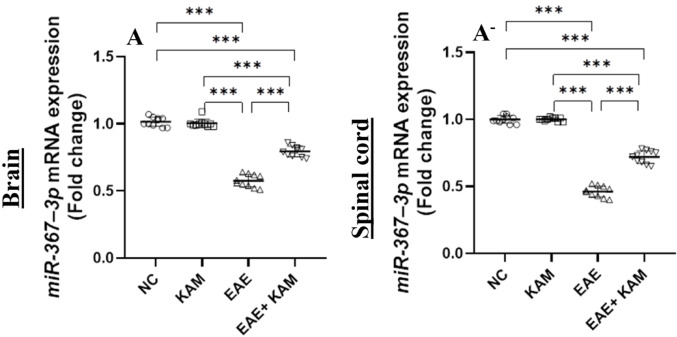 Figure 10
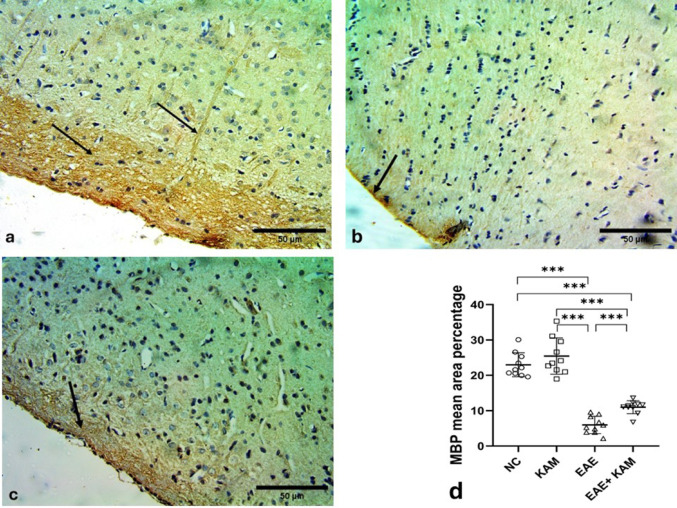 Figure 11
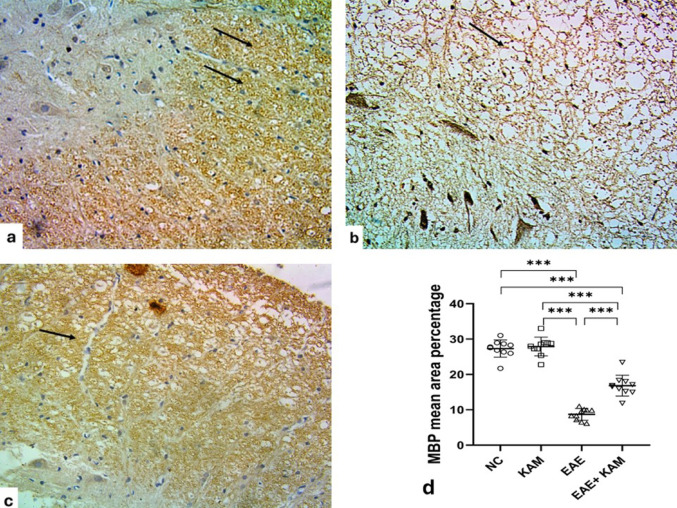 Figure 12
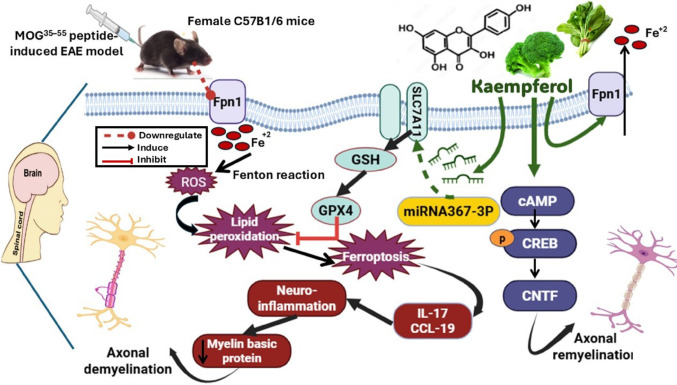 Figure 13
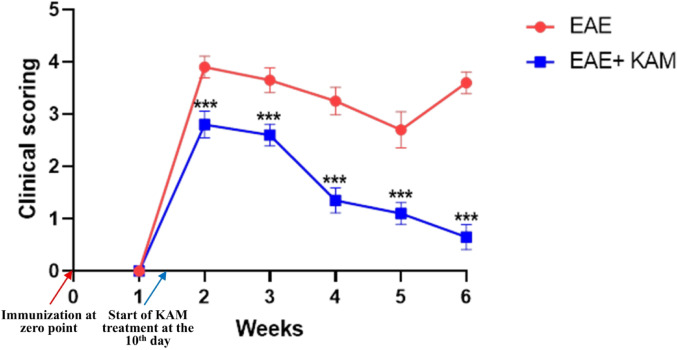 Figure 1
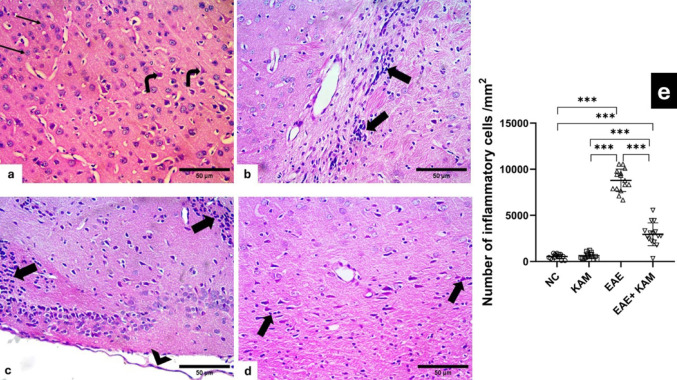 Figure 2
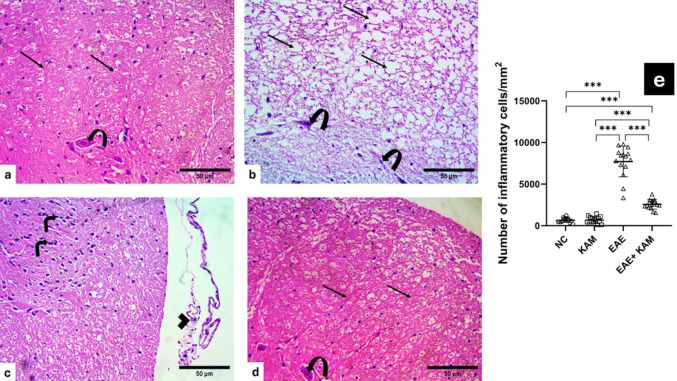 Figure 3
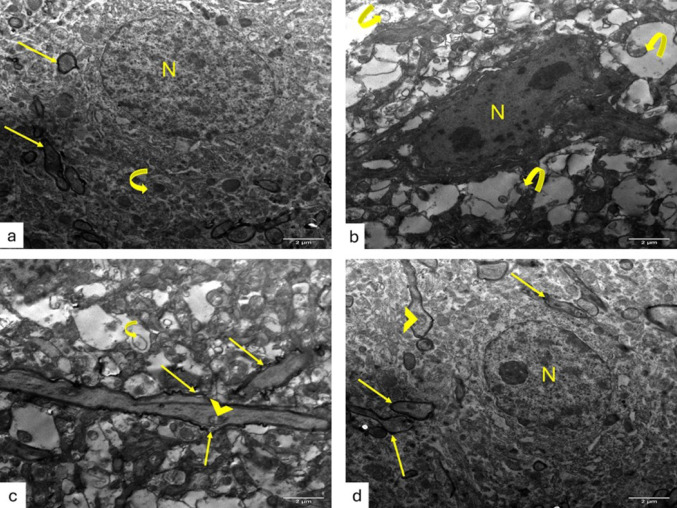 Figure 4
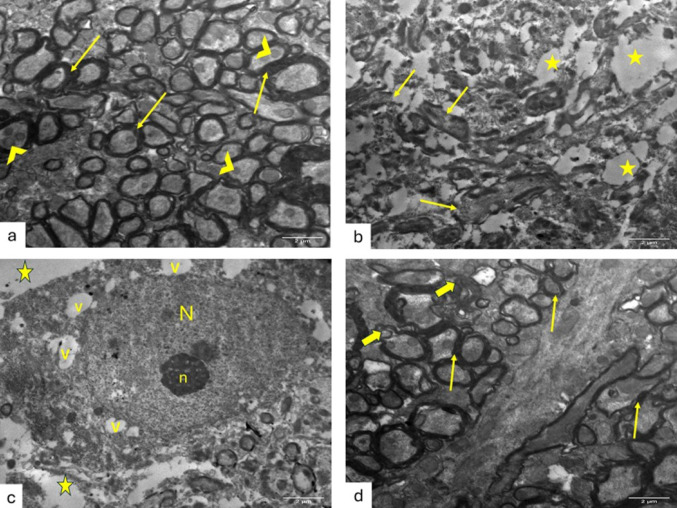 Figure 5
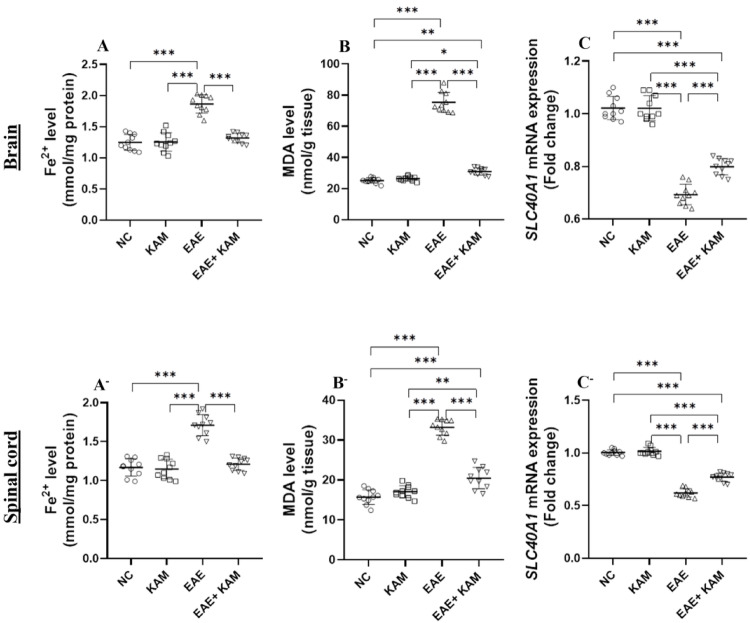 Figure 6
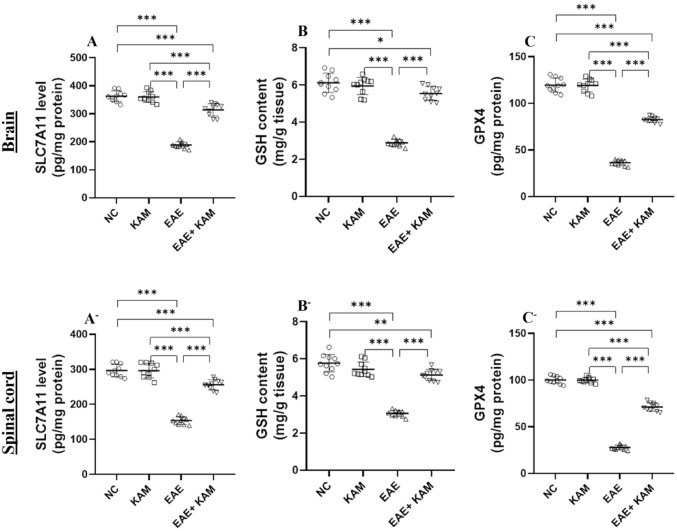 Figure 7
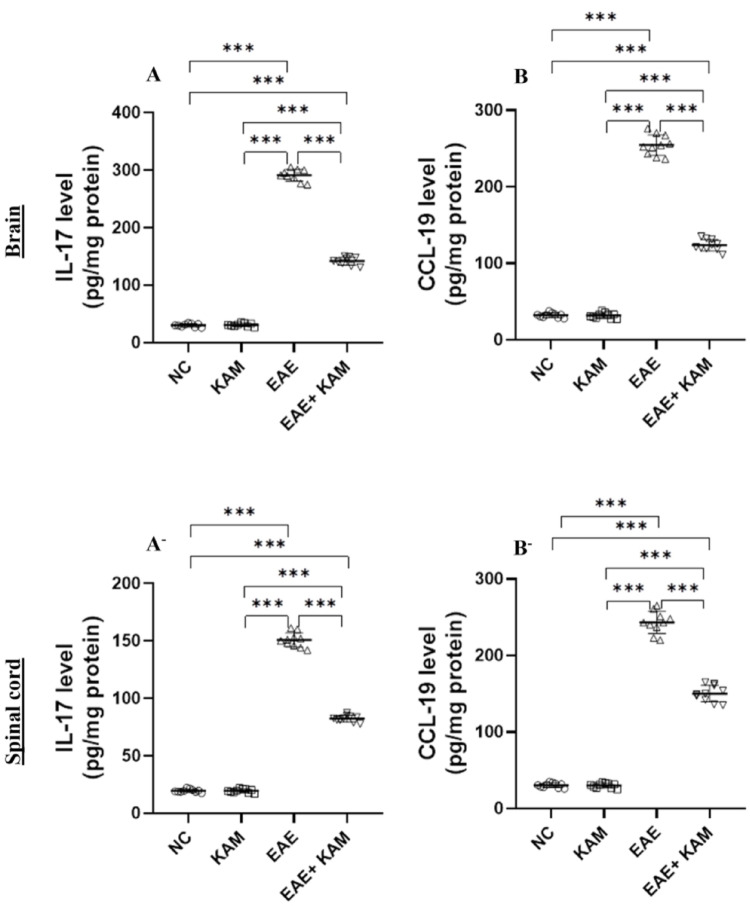 Figure 8
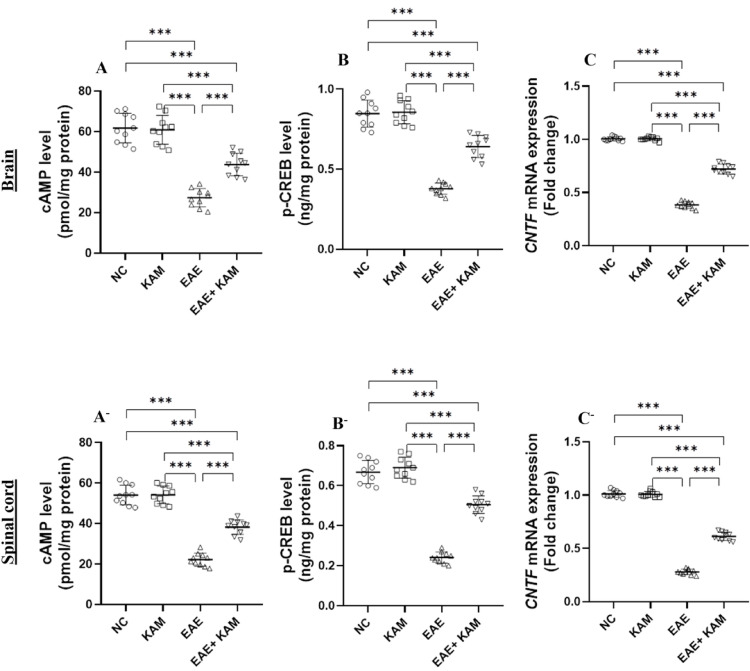 Figure 9
Peer Reviews
No public reviews on file for this paper yet. If you reviewed it on a platform where reviews are public (OpenReview, ICLR, NeurIPS, ICML), you can paste yours below so the community can read it here.
Videos
No videos yet. Explain this paper in a talk, walkthrough, or lecture? Add one.
Taxonomy
TopicsFerroptosis and cancer prognosis · MicroRNA in disease regulation · Neuroinflammation and Neurodegeneration Mechanisms