Pharynx associated musculature in the Stilbonematinae (Desmodoroidea, Nematoda) with focus on the spiral muscle as a synapomorphic trait between Dorylaimia and Chromadoria
Philipp Pröts, Jörg A. Ott

TL;DR
This study finds shared muscle structures in two nematode groups, supporting their evolutionary relationship and revealing how these muscles aid in feeding.
Contribution
The discovery of homologous spiral muscles and pharynx musculature supports a sister-group relationship between Dorylaimia and Chromadoria.
Findings
Somato-pharyngeal muscles are homologous and part of the ancestral nematode body plan.
Homologous spiral muscles and buccal dilators in Dorylaimia and Chromadoria support their sister-group relationship.
Spiral coil number correlates with pharynx slenderness, aligning with a known pharynx model.
Abstract
Recent molecular phylogenies of Nematoda have suggested a sister-group relationship between Dorylaimia and Chromadoria, but supporting morphological evidence has so far been lacking. Using immunohistochemistry in combination with confocal laser scanning microscopy, we identified pharynx-associated musculature in Stilbonematinae, consisting of buccal dilators, somato-pharyngeal muscles, and a longitudinal spiral muscle encircling nearly the entire pharynx. To trace the evolutionary origin of these structures, we extended our investigation to closely related marine outgroups within Desmodorida but also the basally branching Chromadorida and Enoplia. Somato-pharyngeal muscles, which arise from the body wall musculature and attach to the pharynx surface, function as retractors in Chromadoria and Dorylaimia. In some Enoplia, however, they extend towards the posterior pharynx and act as…
Genes, proteins, chemicals, diseases, species, mutations and cell lines named across the full text — each resolved to its canonical identifier and authoritative record.
Click any figure to enlarge with its caption.
 Figure 10
 Figure 11
 Figure 12
 Figure 13
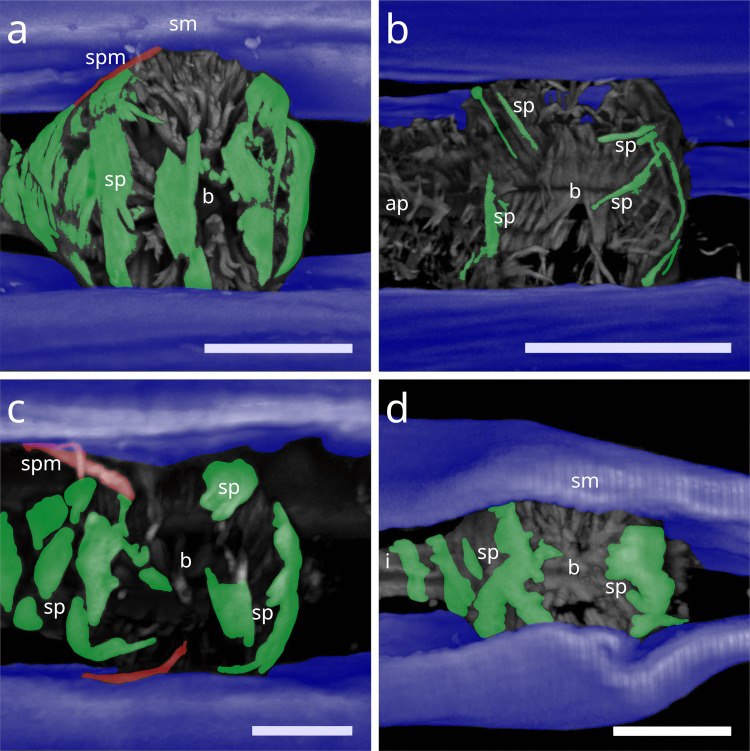 Figure 14
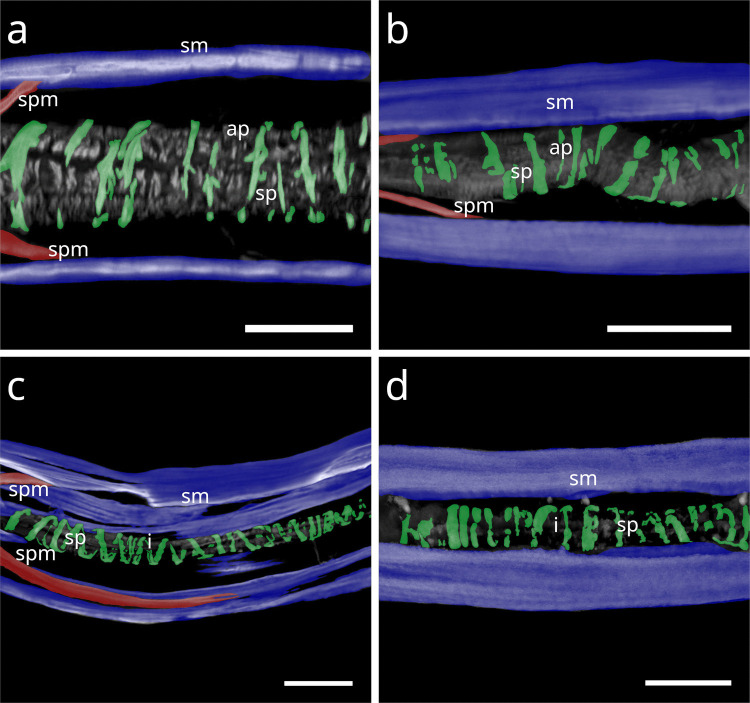 Figure 15
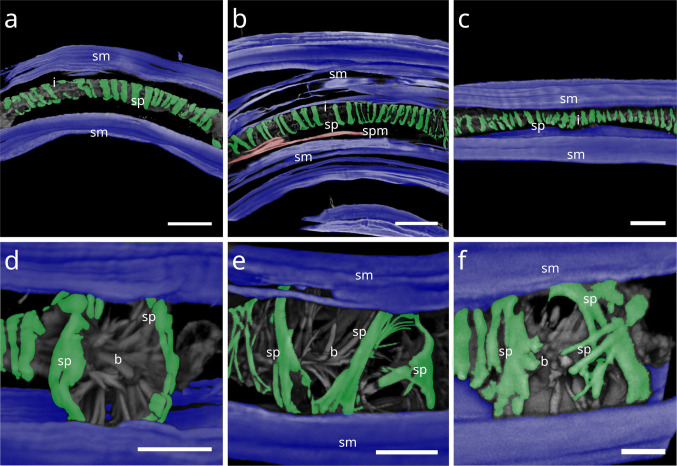 Figure 16
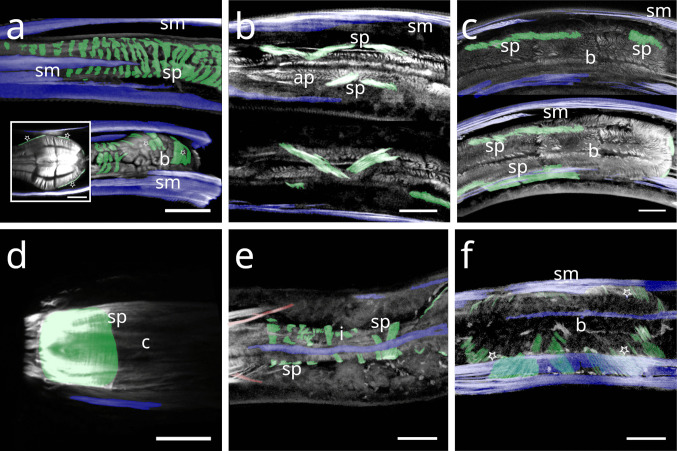 Figure 17
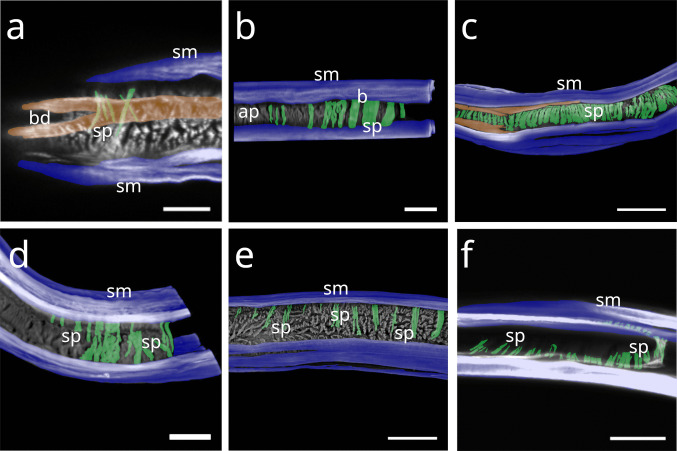 Figure 18
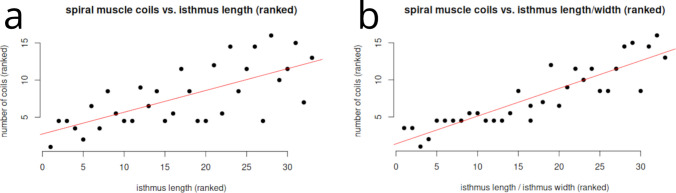 Figure 19
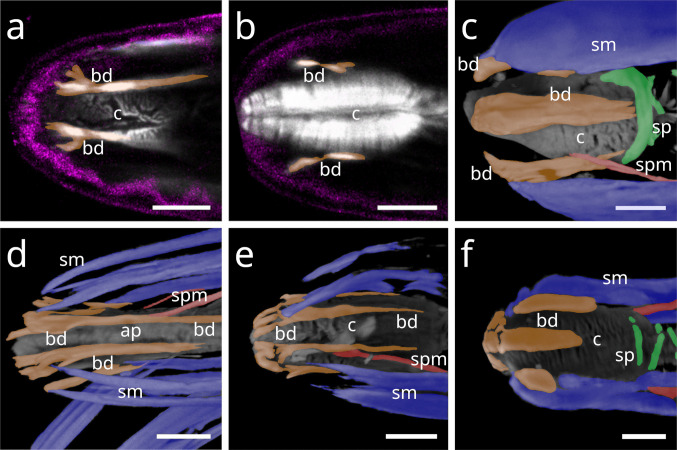 Figure 1
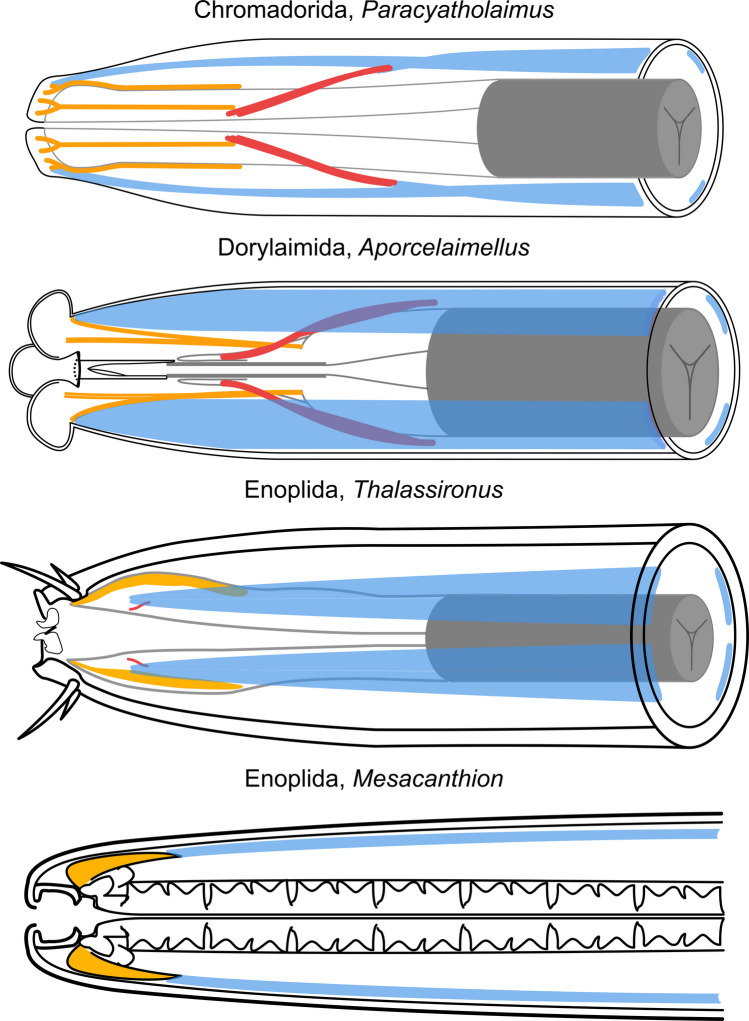 Figure 20
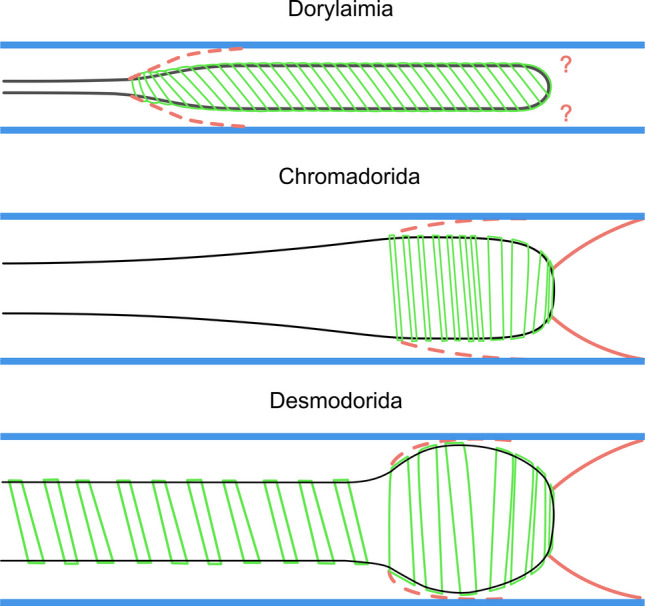 Figure 21
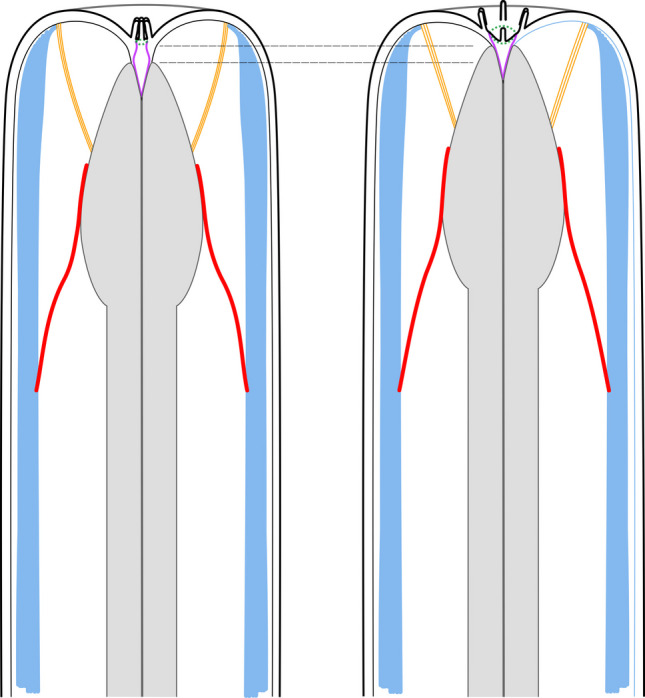 Figure 22
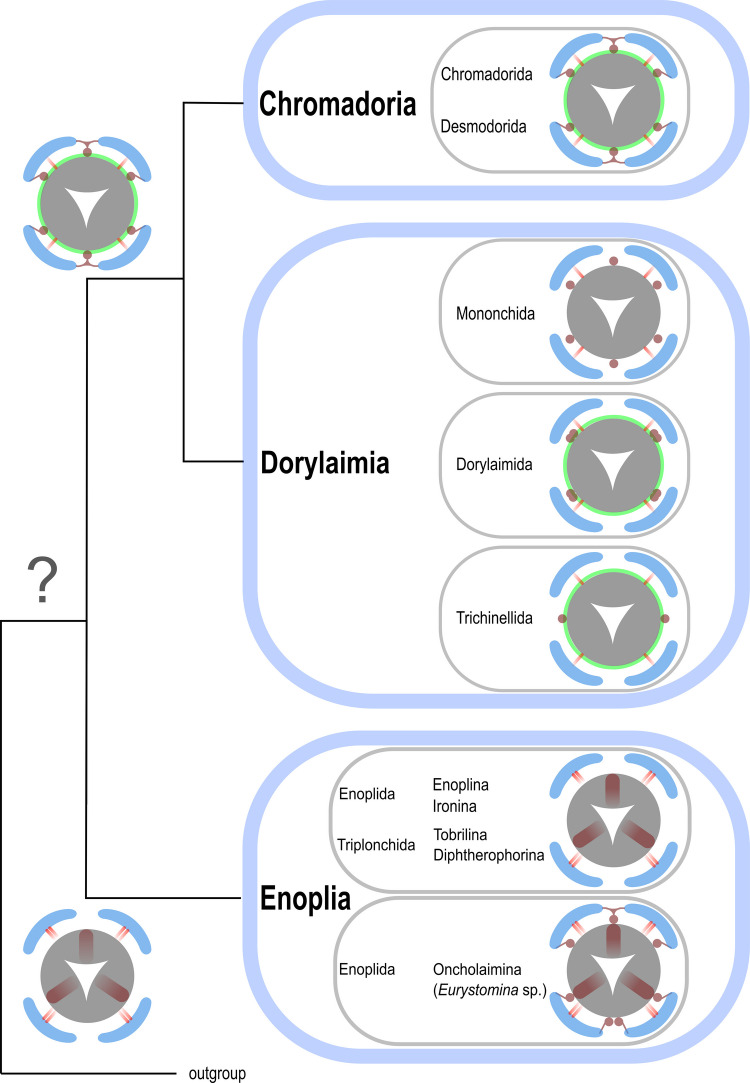 Figure 23
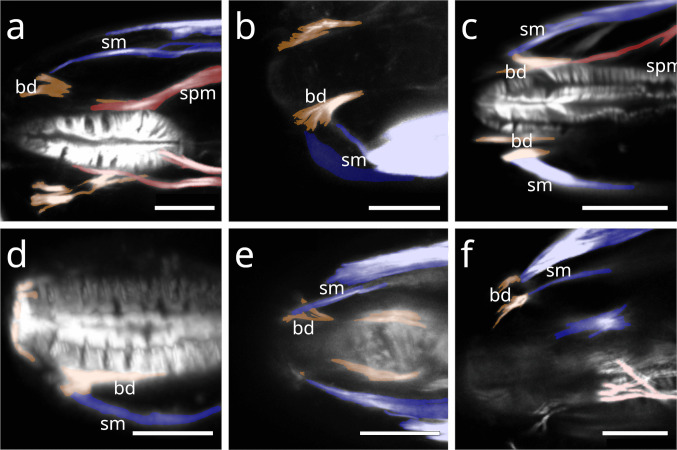 Figure 2
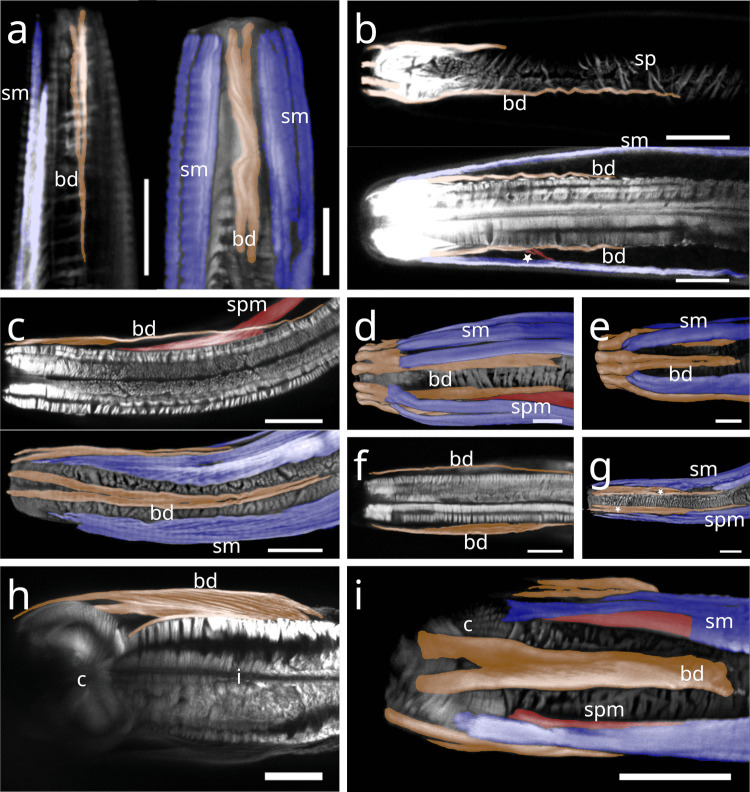 Figure 3
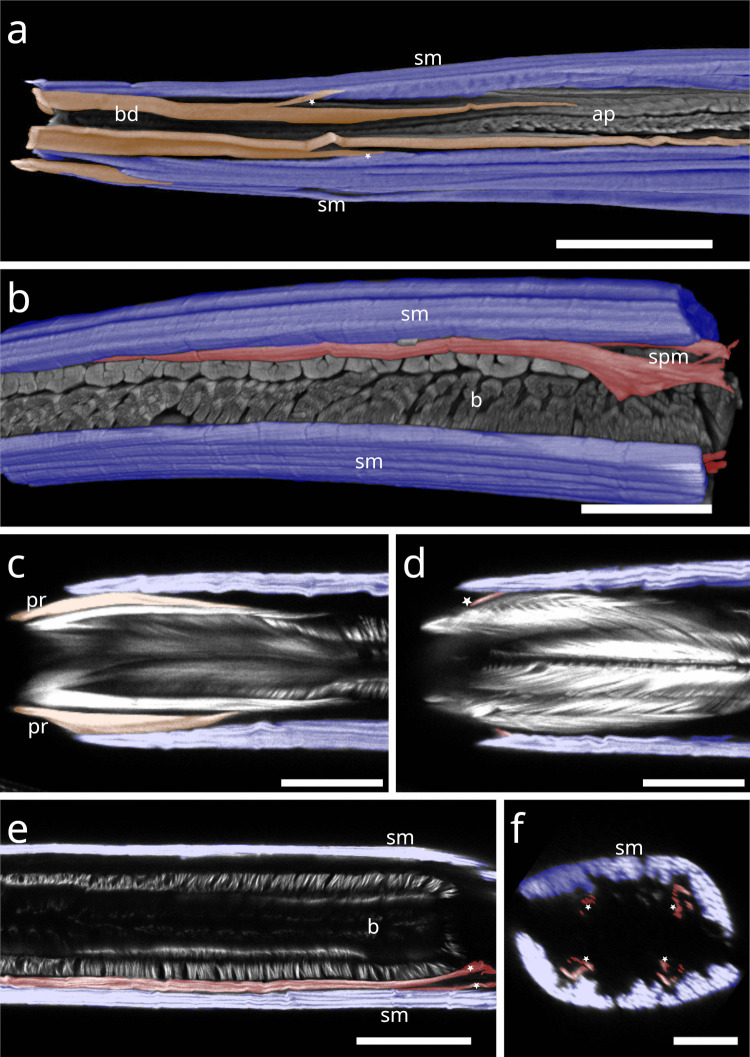 Figure 4
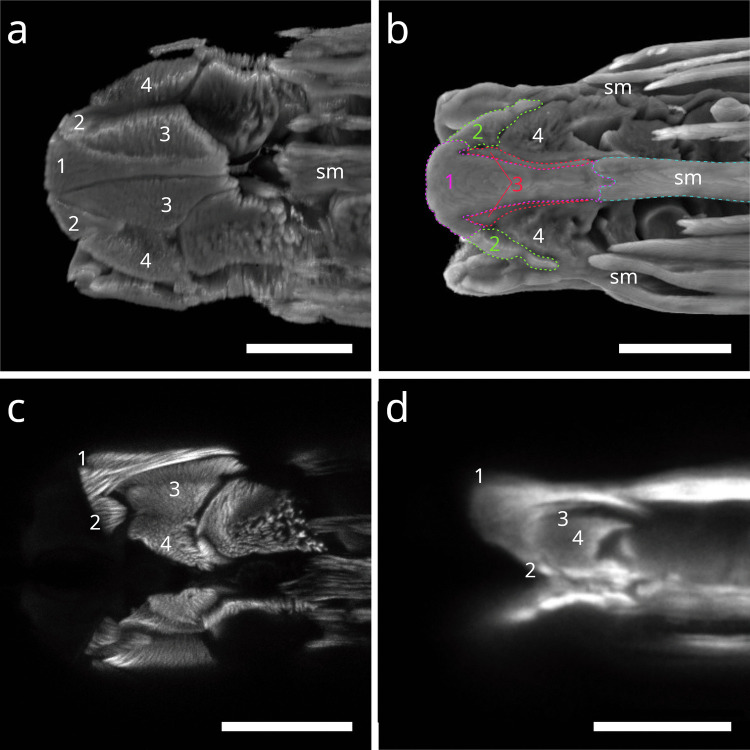 Figure 5
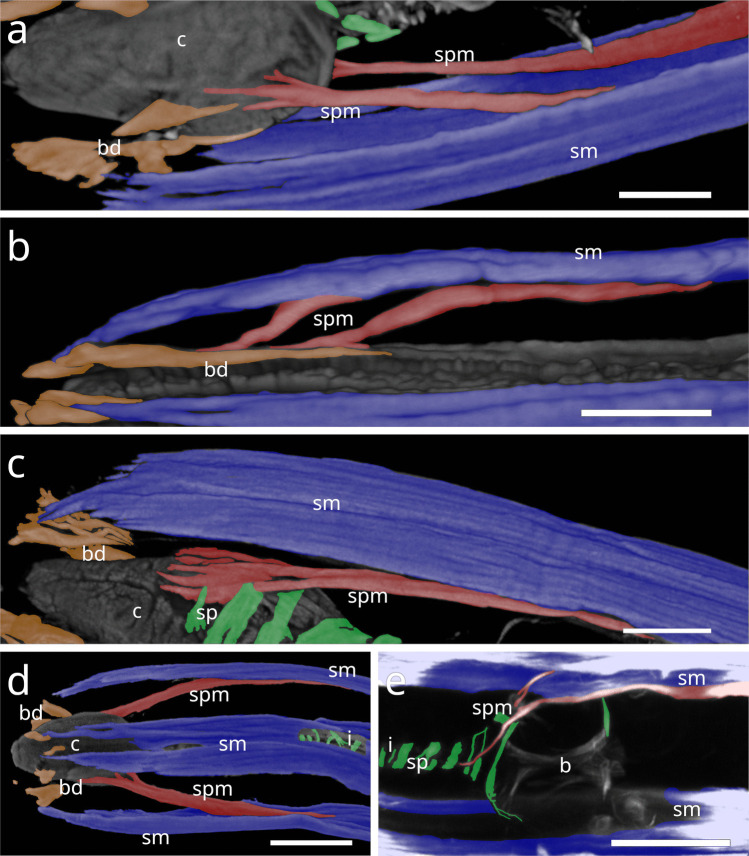 Figure 6
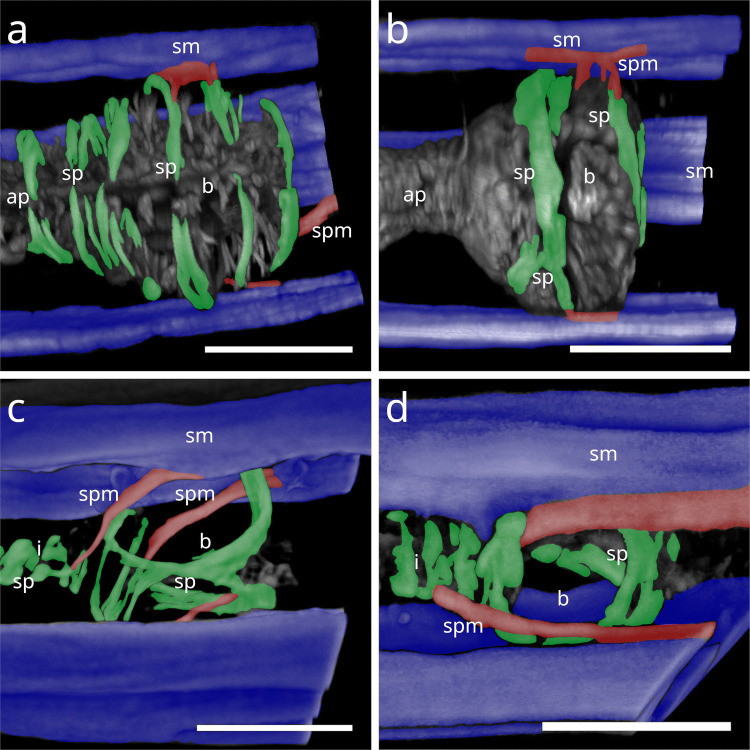 Figure 7
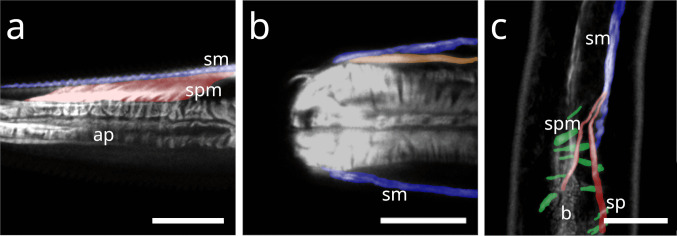 Figure 8
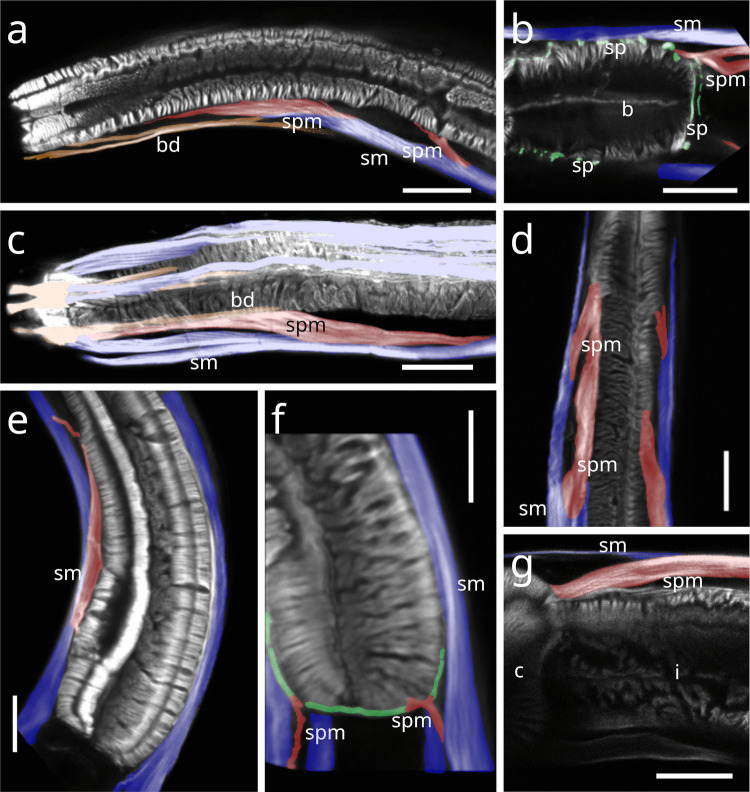 Figure 9
Peer Reviews
No public reviews on file for this paper yet. If you reviewed it on a platform where reviews are public (OpenReview, ICLR, NeurIPS, ICML), you can paste yours below so the community can read it here.
Videos
No videos yet. Explain this paper in a talk, walkthrough, or lecture? Add one.
Taxonomy
TopicsParasite Biology and Host Interactions · Marine Biology and Ecology Research · Parasitic Diseases Research and Treatment