Being social, being socially constructed, and being fundamental relative to social reality
Emilie Pagano

TL;DR
This paper clarifies the difference between being social and being socially constructed in understanding social reality.
Contribution
It introduces the concept of 'fundamental relative to social reality' to distinguish between social and socially constructed properties.
Findings
Not all social things are socially constructed.
Fundamentality relative to social reality helps clarify the relationship between social and socially constructed properties.
This concept enhances understanding of social reality itself.
Abstract
Although the properties of being social and of being socially constructed are indispensable to our understanding of social reality, social metaphysicians are unclear about how they’re related. In this paper, I argue that whereas everything that’s socially constructed is also social, not everything that’s social is also socially constructed. In particular, I argue that something is what I call “fundamental relative to social reality,” something that’s social but not also socially constructed. I sketch an account of fundamentality relative to social reality, and argue that it both clarifies how the properties of being social and of being socially constructed are related, and captures their significance for our understanding of social reality per se.
Genes, proteins, chemicals, diseases, species, mutations and cell lines named across the full text — each resolved to its canonical identifier and authoritative record.
Click any figure to enlarge with its caption.
 Figure 1
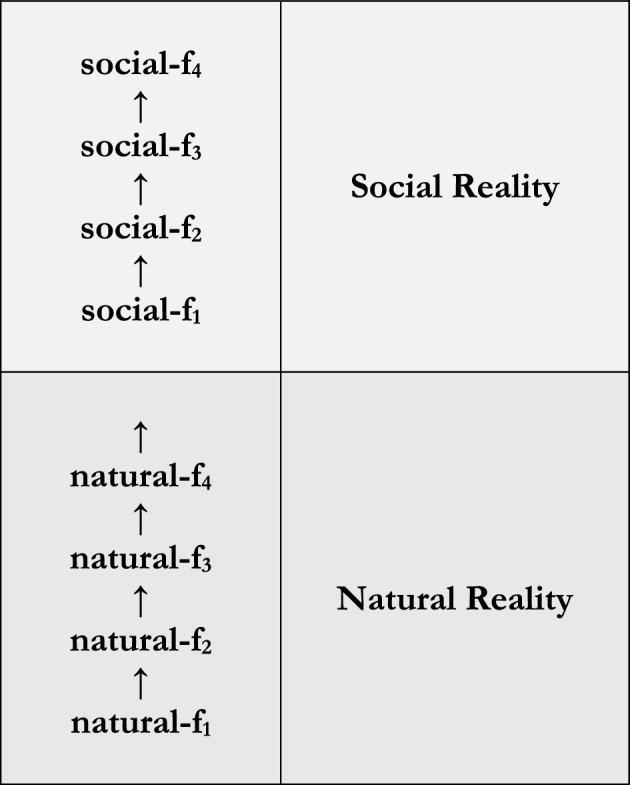 Figure 2
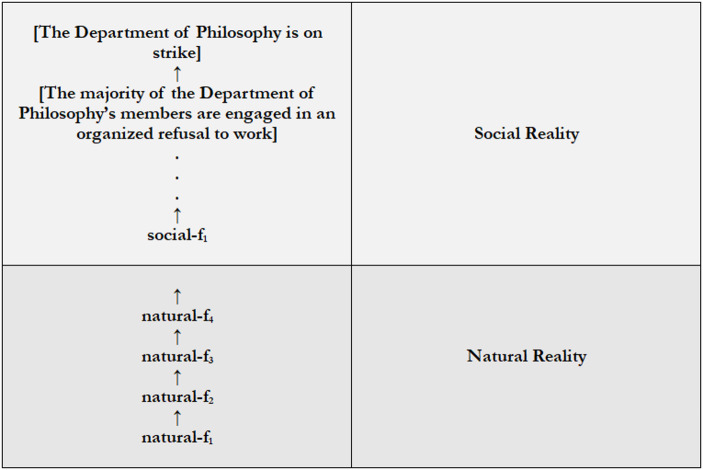 Figure 3
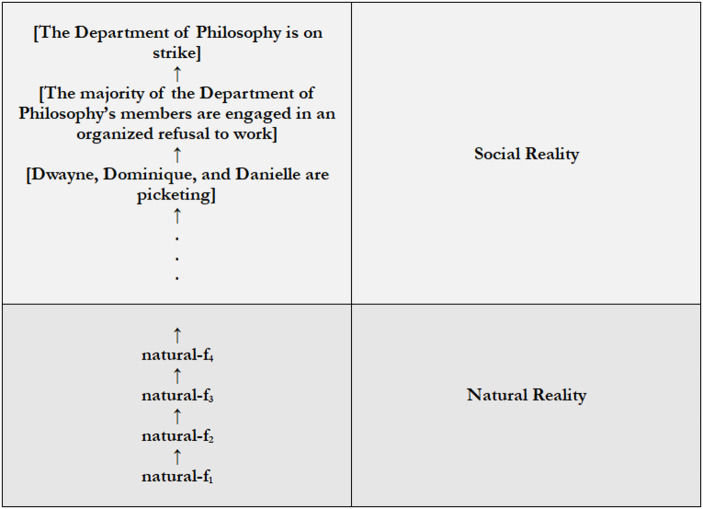 Figure 4
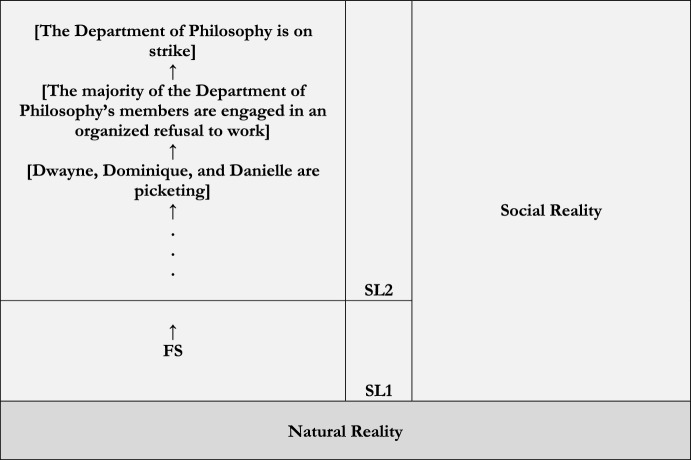 Figure 5
Peer Reviews
No public reviews on file for this paper yet. If you reviewed it on a platform where reviews are public (OpenReview, ICLR, NeurIPS, ICML), you can paste yours below so the community can read it here.
Videos
No videos yet. Explain this paper in a talk, walkthrough, or lecture? Add one.
Taxonomy
TopicsEmbodied and Extended Cognition · Philosophy and Theoretical Science · Philosophical Ethics and Theory