An agent-based model to investigate the effects of urban segregation around the clock on inequalities in health behaviour
Clémentine Cottineau-Mugadza, Julien Perret, Romain Reuillon, Sébastien Rey-Coyrehourcq, Julie Vallée

TL;DR
This paper uses a model of a city's population to study how urban segregation affects health behaviors and social inequalities over time.
Contribution
The study introduces an agent-based model that examines the effects of urban segregation on health behaviors around the clock.
Findings
Random residential allocation reduces long-term social inequalities in health behaviors.
Random daily mobility can mitigate the increase in dietary inequalities caused by residential segregation.
Daytime segregation in Paris slightly increases health behavior inequalities between educated groups.
Abstract
Social segregation in cities refers to the uneven spatial distribution of individuals from unequal social groups, such as affluent and economically vulnerable people. Social segregation may, in turn, produce social inequalities through contextual effects, since neighbourhood mixing or concentration plays a role in shaping individuals’ opinions and behaviours in multiple life domains, including health. Because segregation and contextual effects occur at the places of residence as well as throughout the day, as people move between locations in a city, we aim to understand the social effect of urban segregation ‘around the clock’ on health behaviours (such as the choice of a healthy diet), using an empirical agent-based model initialised on the Paris region with a synthetic population. We built this synthetic population by pulling together data from two health & nutrition surveys conducted…
Genes, proteins, chemicals, diseases, species, mutations and cell lines named across the full text — each resolved to its canonical identifier and authoritative record.
Click any figure to enlarge with its caption.
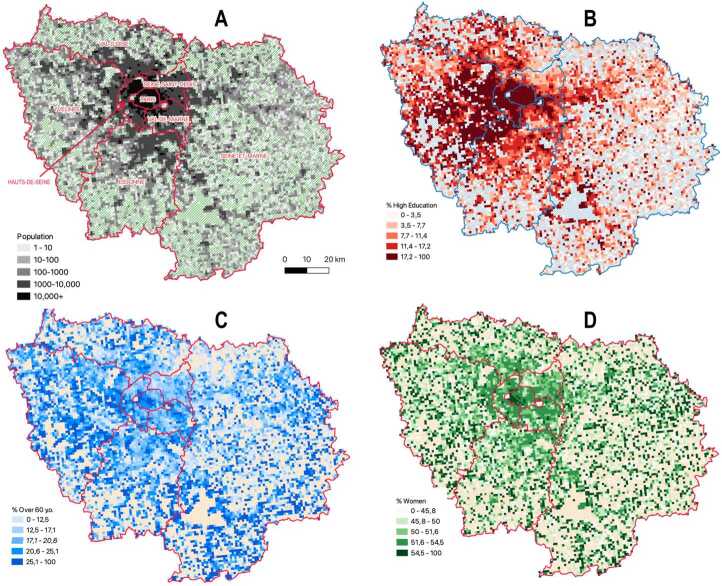 Figure 1
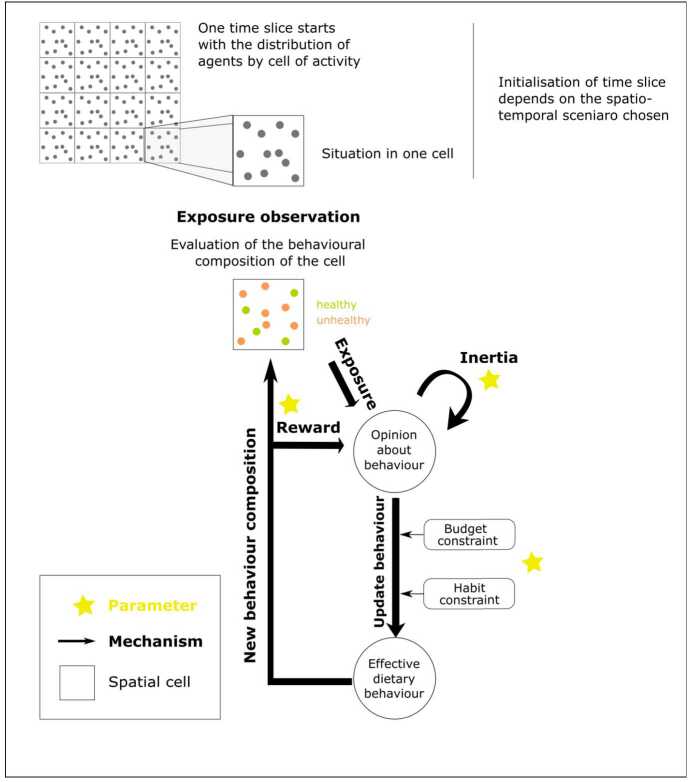 Figure 2
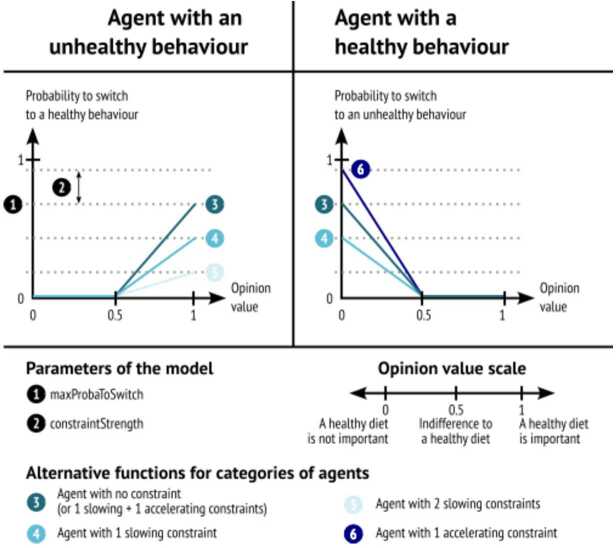 Figure 3
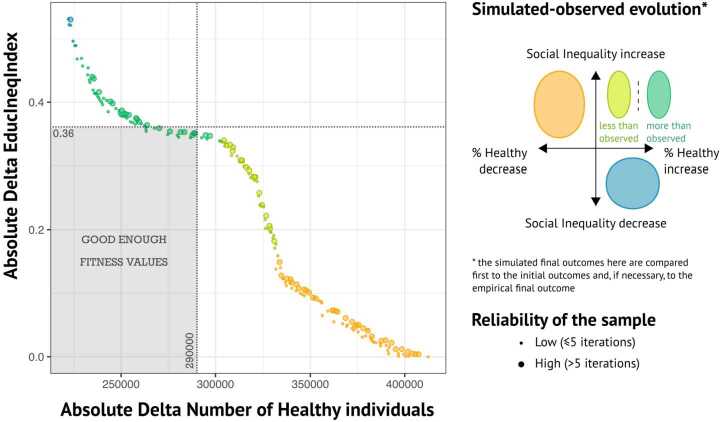 Figure 4
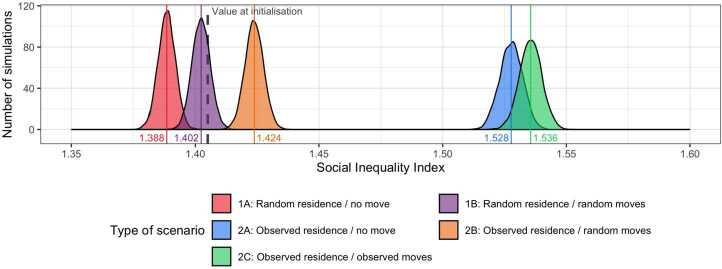 Figure 5
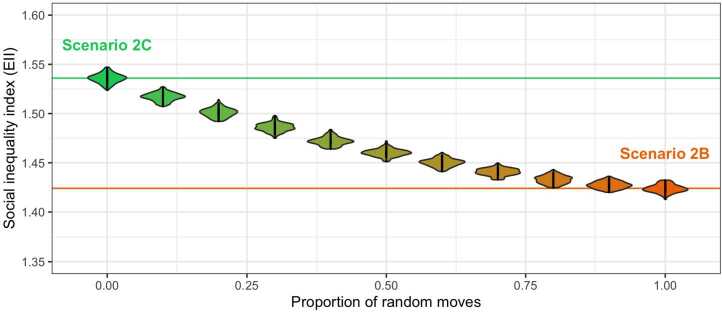 Figure 6
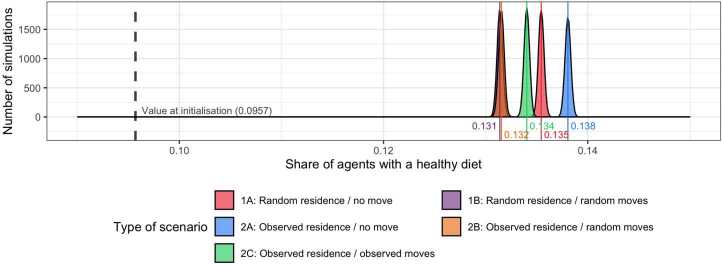 Figure 7
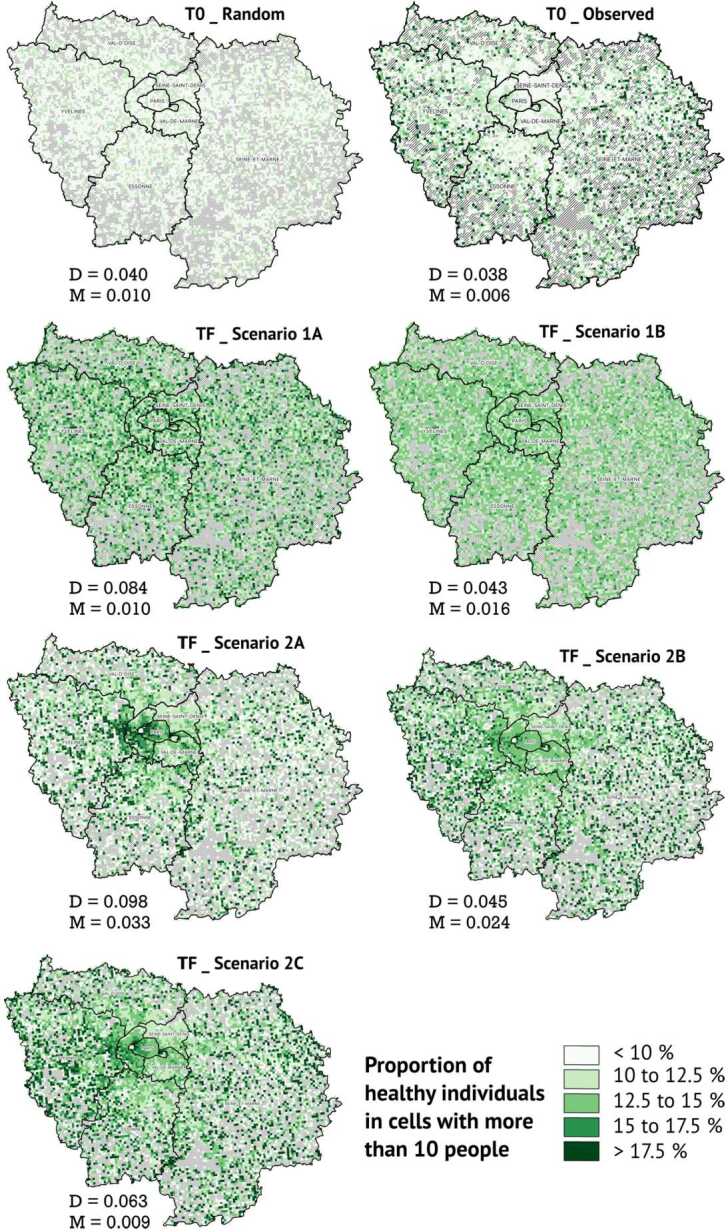 Figure 8
Peer Reviews
No public reviews on file for this paper yet. If you reviewed it on a platform where reviews are public (OpenReview, ICLR, NeurIPS, ICML), you can paste yours below so the community can read it here.
Videos
No videos yet. Explain this paper in a talk, walkthrough, or lecture? Add one.
Taxonomy
TopicsUrban Transport and Accessibility · Health disparities and outcomes · Human Mobility and Location-Based Analysis