Application of non-invasive transcranial photobiomodulation in ischemic stroke: Mechanisms and current insights
Lifeng Tang, Xiaohan Li, Jiliang Kang, Yuli Huang, Youliang Wen, Min Tang

TL;DR
This paper reviews how non-invasive light therapy, called transcranial photobiomodulation, may help treat ischemic stroke by improving brain function and recovery.
Contribution
The paper provides a comprehensive review of tPBM mechanisms and applications in ischemic stroke, offering insights for optimizing treatment.
Findings
tPBM improves mitochondrial function and cerebral blood flow in stroke models.
tPBM reduces oxidative stress and neuroinflammation after ischemic stroke.
tPBM shows potential for recovery in acute, subacute, and chronic stroke phases.
Abstract
Ischemic stroke (IS), comprising 65.3% of the 11.9 million new stroke cases worldwide in 2021, is a leading cause of disability and mortality due to cerebral vascular occlusion and subsequent ischemia. The increasing prevalence, particularly in aging populations such as China, underscores the urgent need for novel therapeutic strategies. Conventional treatments, including thrombolysis and surgery, are constrained by narrow therapeutic windows and risks such as hemorrhage. Transcranial photobiomodulation (tPBM), a non-invasive technique utilizing red or near-infrared light (630–1300 nm), has emerged as a promising intervention for IS. This review synthesizes the pathological features of IS, including blood-brain barrier disruption, oxidative stress, and neuroinflammation, and elucidates the molecular mechanisms of tPBM, such as enhanced mitochondrial function, increased cerebral blood…
Genes, proteins, chemicals, diseases, species, mutations and cell lines named across the full text — each resolved to its canonical identifier and authoritative record.
Click any figure to enlarge with its caption.
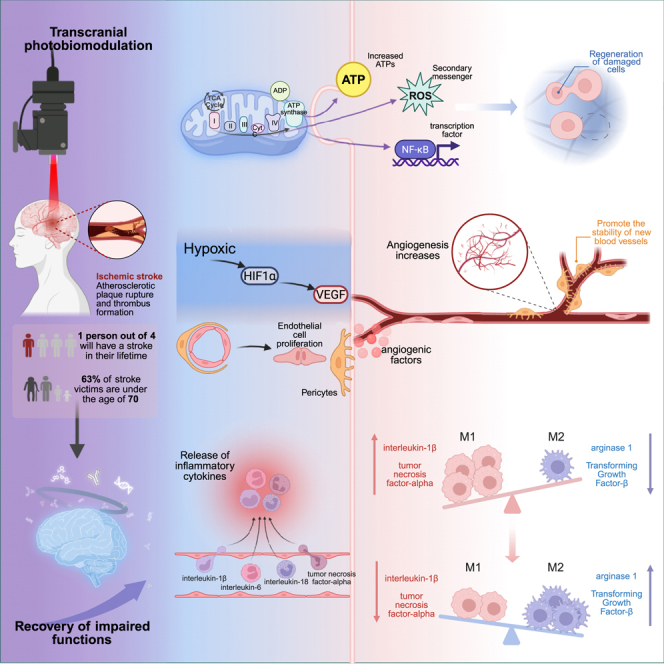 Figure 1
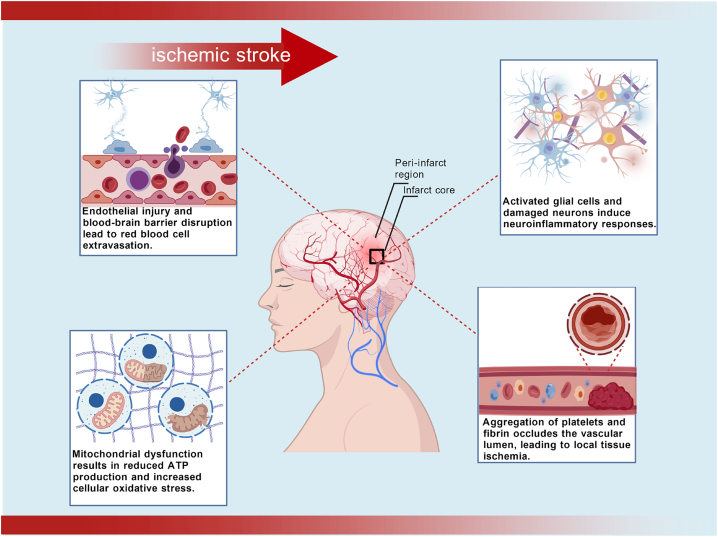 Figure 2
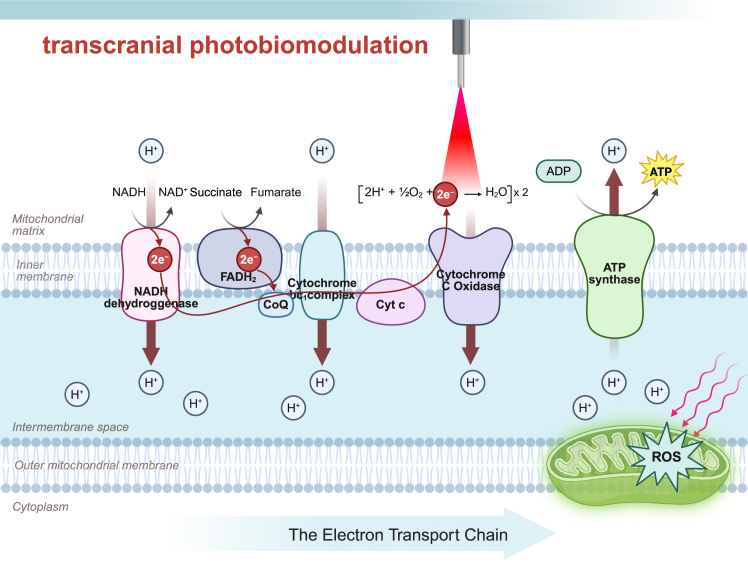 Figure 3
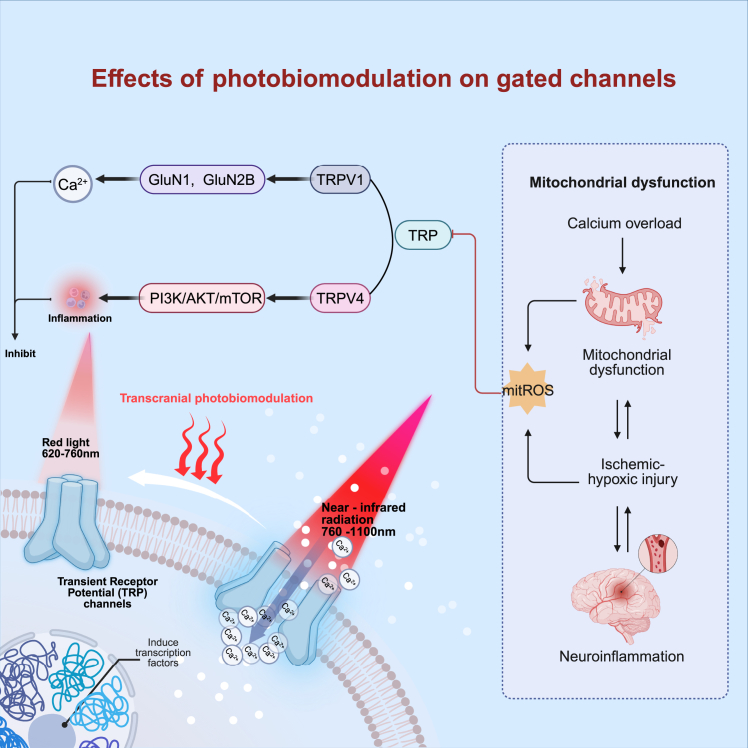 Figure 4
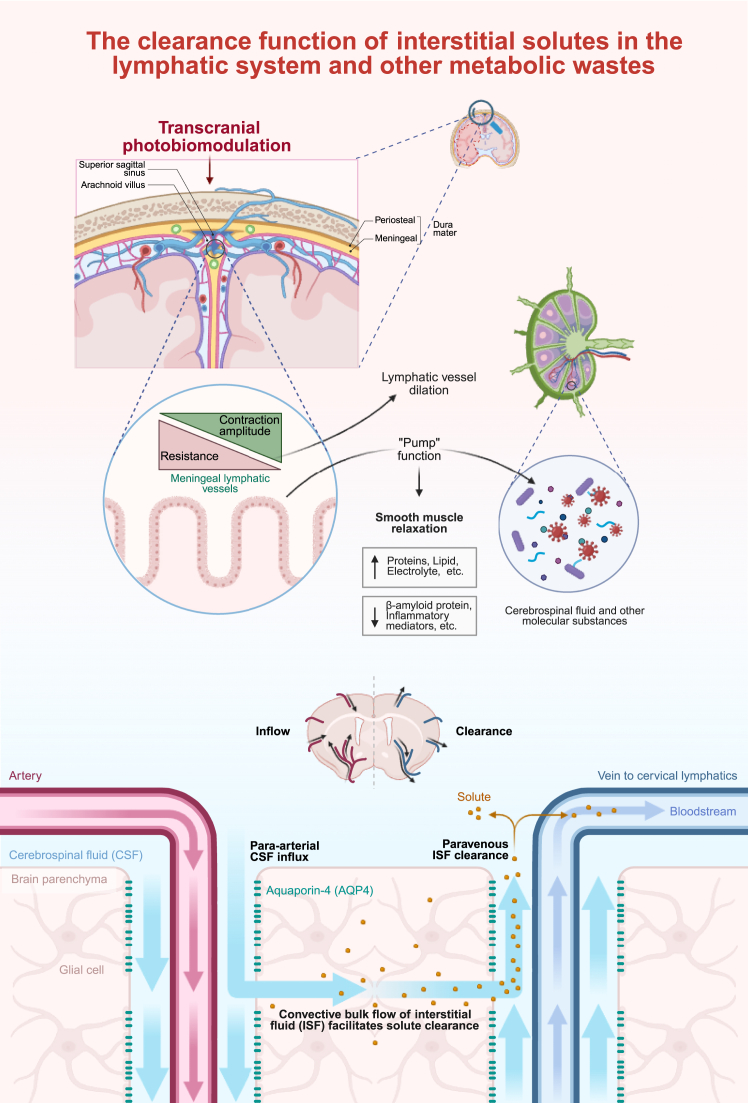 Figure 5
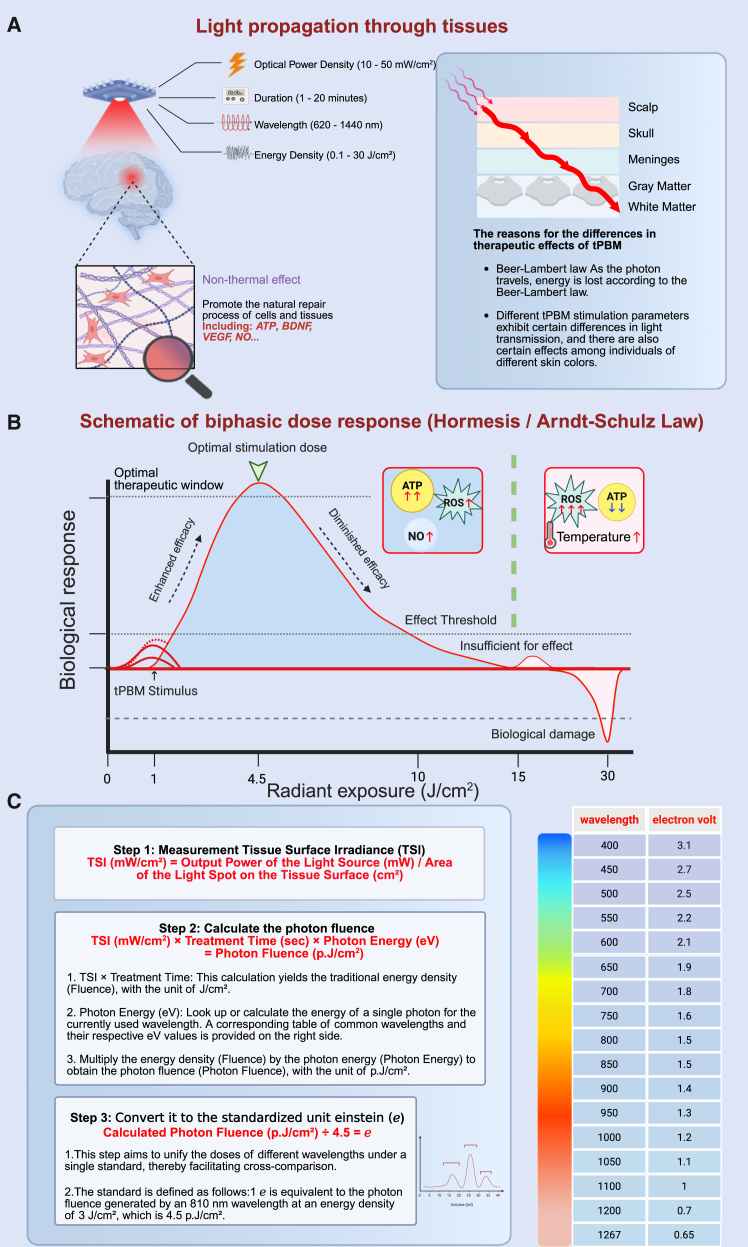 Figure 6
Peer Reviews
No public reviews on file for this paper yet. If you reviewed it on a platform where reviews are public (OpenReview, ICLR, NeurIPS, ICML), you can paste yours below so the community can read it here.
Videos
No videos yet. Explain this paper in a talk, walkthrough, or lecture? Add one.
Taxonomy
TopicsLaser Applications in Dentistry and Medicine · Dermatologic Treatments and Research · Medical and Biological Ozone Research