Engineering T3 and T7 host range to target protein receptors and guide bacterial evolution
Collins Ogari, Kevin Yehl

TL;DR
Researchers modified T3 and T7 phages to target a nanobody receptor, expanding their host range and guiding bacterial evolution for potential therapeutic use.
Contribution
The study demonstrates how phage host range and evolutionary steering can be engineered using nanobody receptors.
Findings
T3 and T7 phages were successfully retargeted to bind a nanobody receptor.
Nanobody binding significantly expanded the host range of T3 and T7.
T7's reduced efficiency of plating was rescued by nanobody expression.
Abstract
Phage engineering holds significant potential for overcoming the challenges that limit phage therapy. A promising yet underutilized approach is engineering phage host range to target specific receptors and guiding bacterial evolution into a desirable trajectory, referred to as evolutionary steering. This requires balancing binding interactions between native and desired receptors, though it is unclear how balancing binding interactions affects host range and resulting evolutionary trajectories. To provide insights, we surveyed a suite of phage engineering methods to program protein-protein interactions between phage and bacteria and then measured host range expansion and evolutionary trajectories. We engineered T3 and T7, both LPS-targeting phages, to target a proteinaceous nanobody receptor. In addition, we discovered that the capsid plays a role in phage host range and can be a…
Genes, proteins, chemicals, diseases, species, mutations and cell lines named across the full text — each resolved to its canonical identifier and authoritative record.
Click any figure to enlarge with its caption.
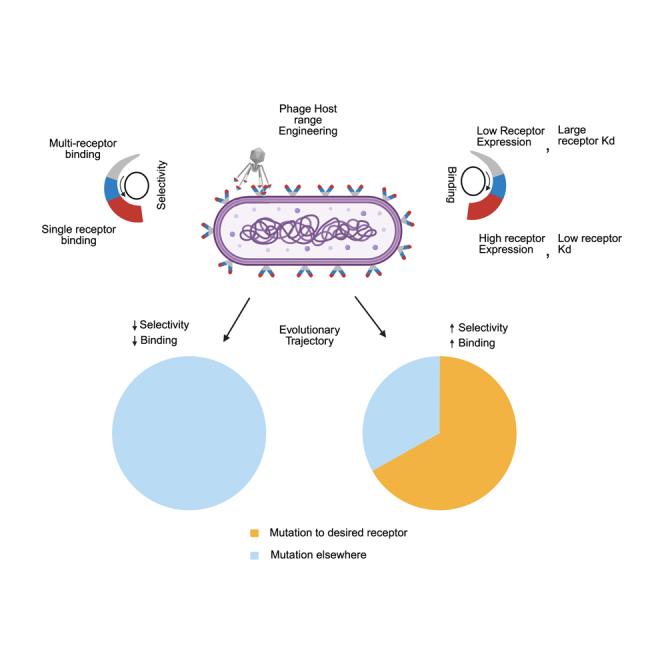 Figure 1
 Figure 2
 Figure 3
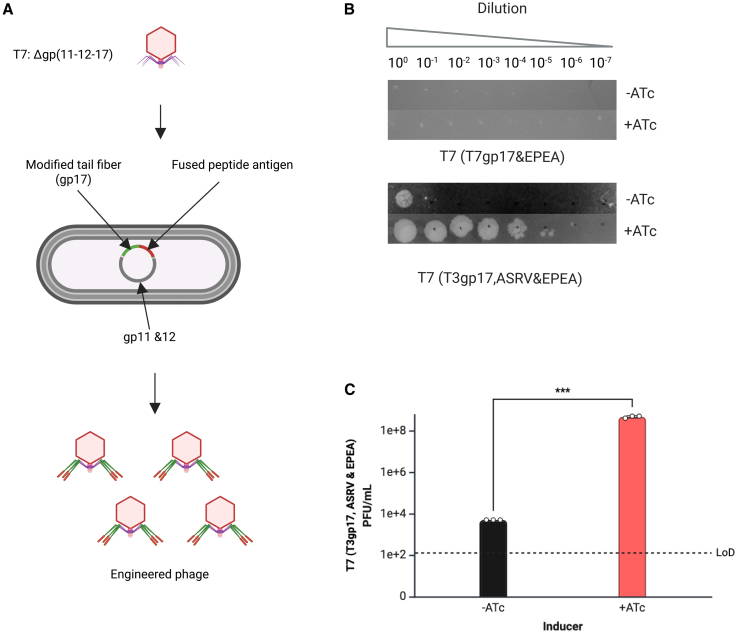 Figure 4
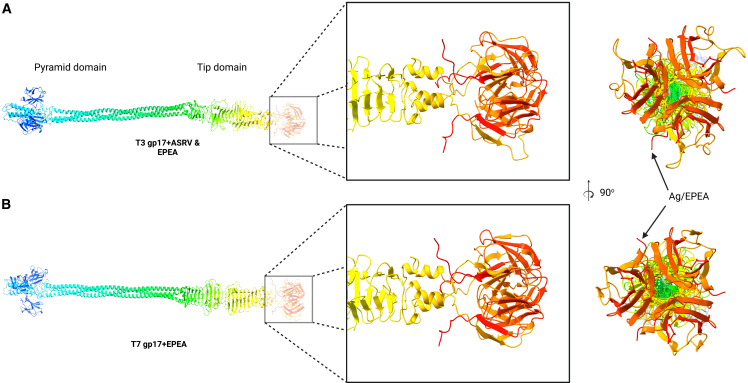 Figure 5
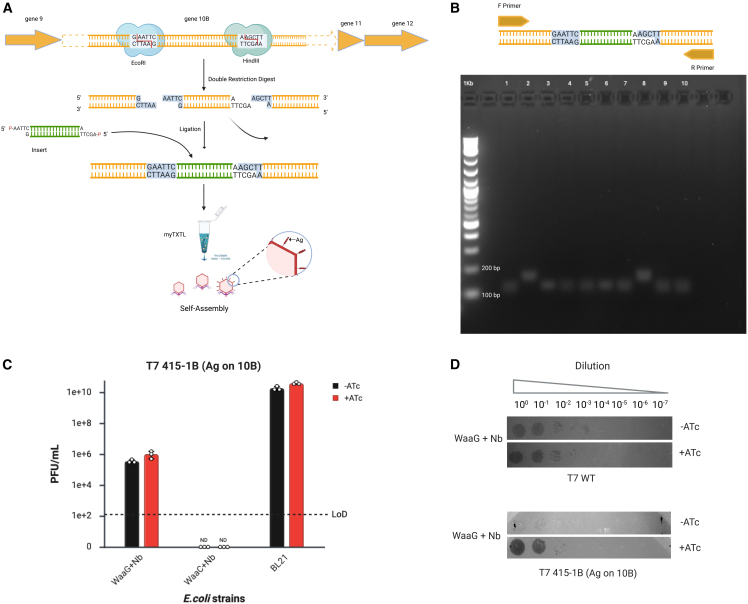 Figure 6
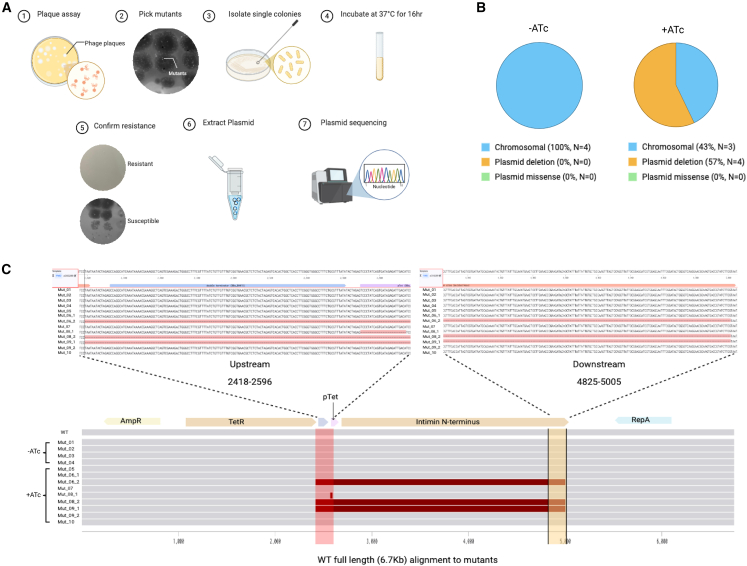 Figure 7
Peer Reviews
No public reviews on file for this paper yet. If you reviewed it on a platform where reviews are public (OpenReview, ICLR, NeurIPS, ICML), you can paste yours below so the community can read it here.
Videos
No videos yet. Explain this paper in a talk, walkthrough, or lecture? Add one.
Taxonomy
TopicsBacteriophages and microbial interactions · Monoclonal and Polyclonal Antibodies Research · Bacterial Genetics and Biotechnology