Acute Phase Response-driven Hepatic Niche Remodeling Promotes Fibrosis Resolution After Alcohol Cessation
Michael Schonfeld, Kruti Nataraj, Samson Mah, Wei Zhong, Steven A. Weinman, Irina Tikhanovich

TL;DR
After stopping alcohol, the liver activates a healing process involving specific cells and proteins that help reduce liver scarring.
Contribution
The study reveals a novel mechanism involving SAA and HDL in promoting fibrosis resolution after alcohol cessation.
Findings
SAA-expressing hepatocytes correlate with fibrolytic genes in mice and humans after alcohol cessation.
SAA and SAA-enriched HDL promote fibrosis resolution in mice via macrophage activation.
IL-22R signaling and KDM5B/C/EBPβ regulate SAA expression in hepatocytes.
Abstract
Abstinence is beneficial for patients with alcohol-associated liver disease (ALD), but disease resolution after alcohol cessation occurs slowly and only in a subset of patients. We aimed to study the mechanisms of ALD resolution using spatial transcriptomics. Mice were fed Western diet with 20% alcohol in the drinking water for 20 weeks followed by chow diet with plain water for 4 weeks. Livers were analyzed by 1000-plex CosMx spatial transcriptomics assay (Nanostrings). To assess the role of serum amyloid A (SAA), mice were treated with recombinant SAA or SAA-rich high-density lipoprotein (HDL). Using a mouse model of ALD after alcohol cessation we performed spatial transcriptomics and identified a discrete multicellular fibrogenic and fibrolytic niches. Fibrolytic niches contained a unique subpopulation of hepatocytes that express SAA. SAA expression correlated with fibrolytic genes…
Genes, proteins, chemicals, diseases, species, mutations and cell lines named across the full text — each resolved to its canonical identifier and authoritative record.
Click any figure to enlarge with its caption.
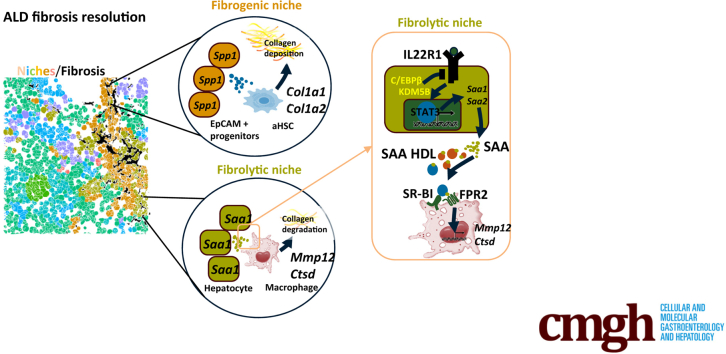 Figure 1
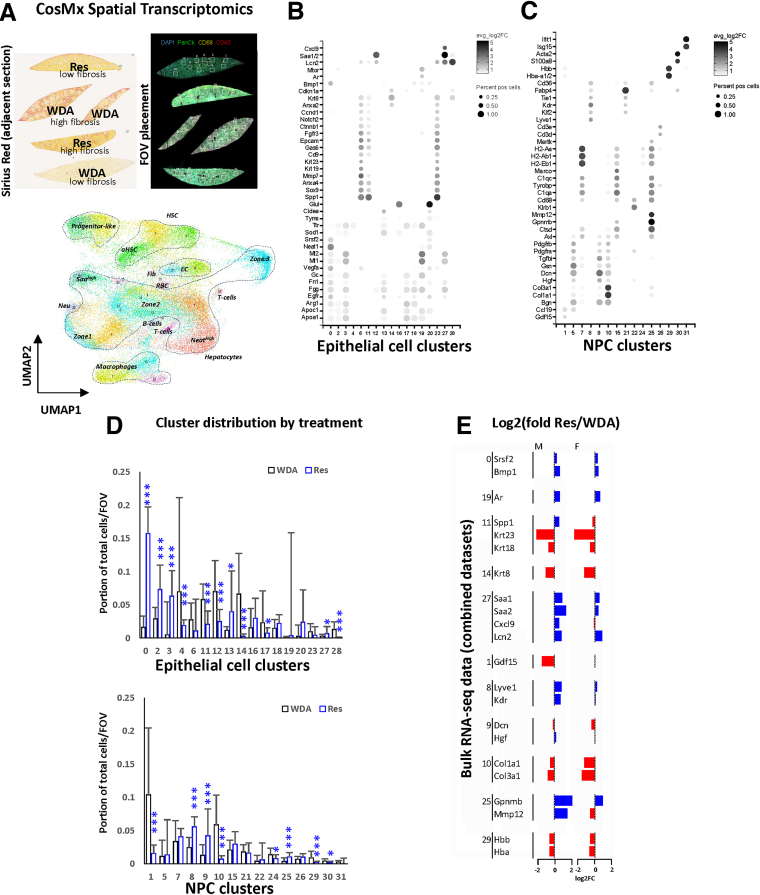 Figure 2
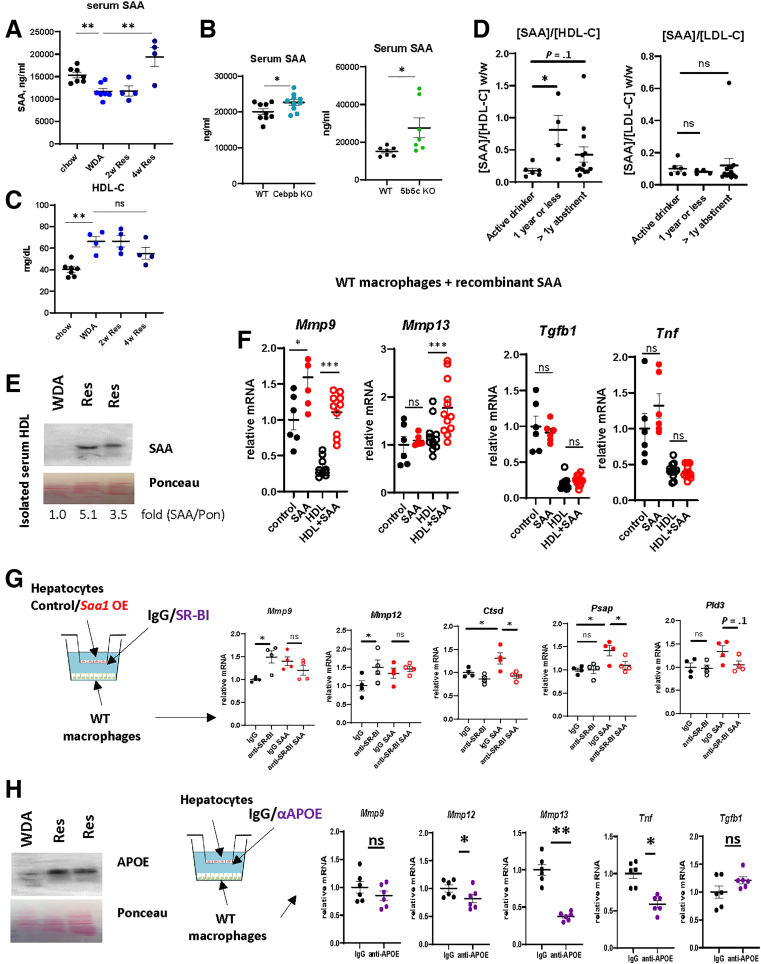 Figure 3
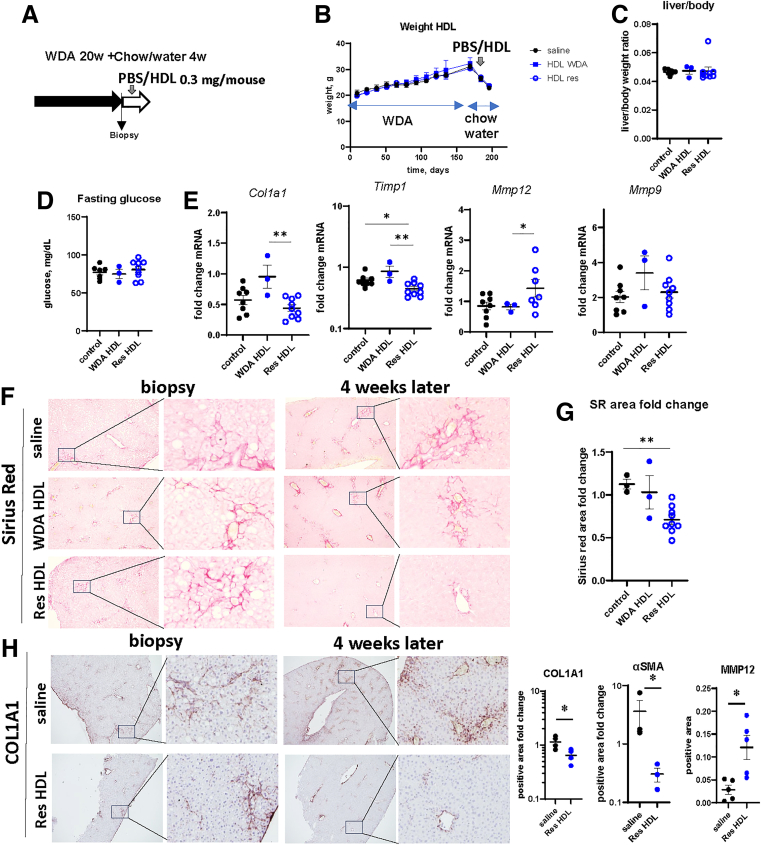 Figure 4
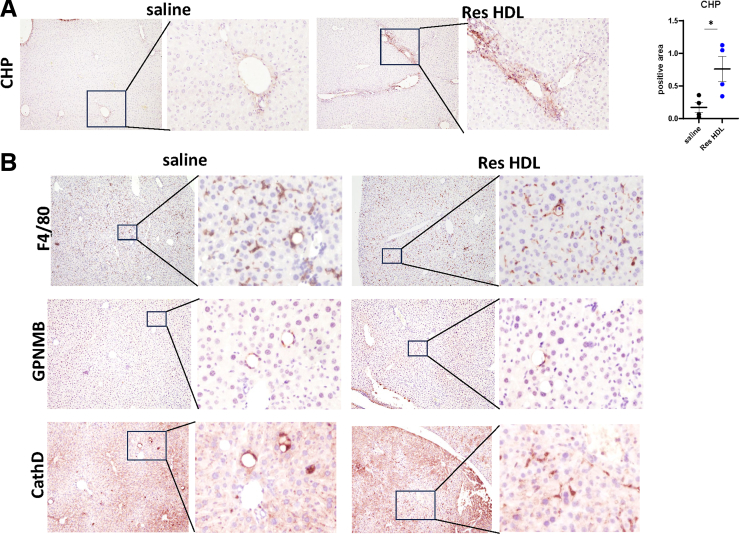 Figure 5
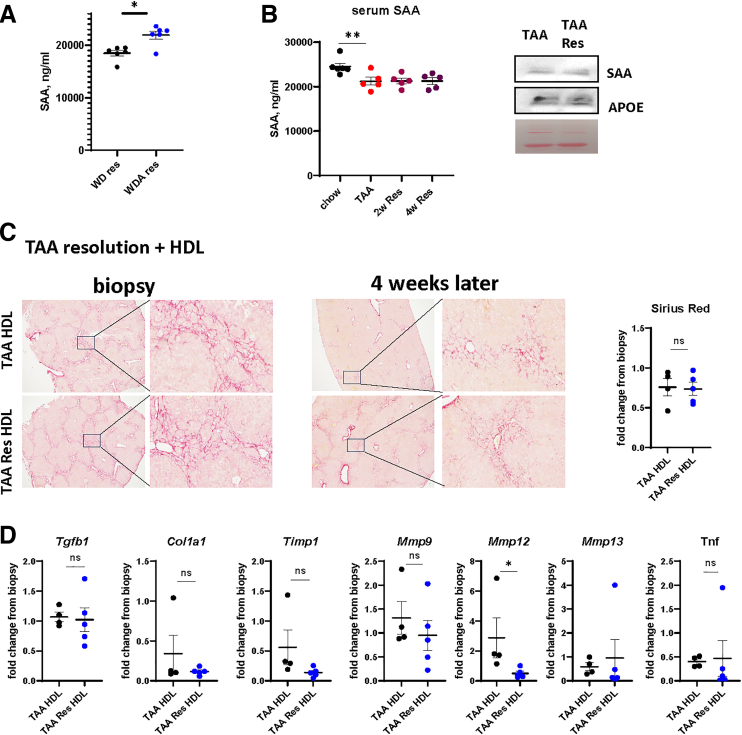 Figure 6
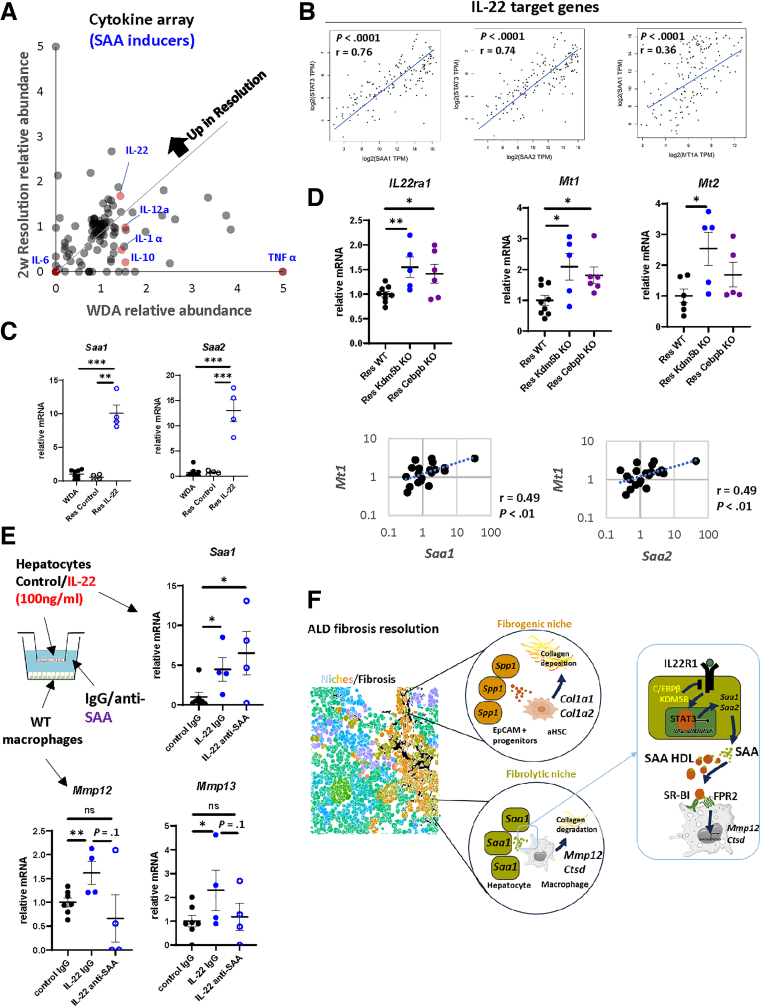 Figure 7
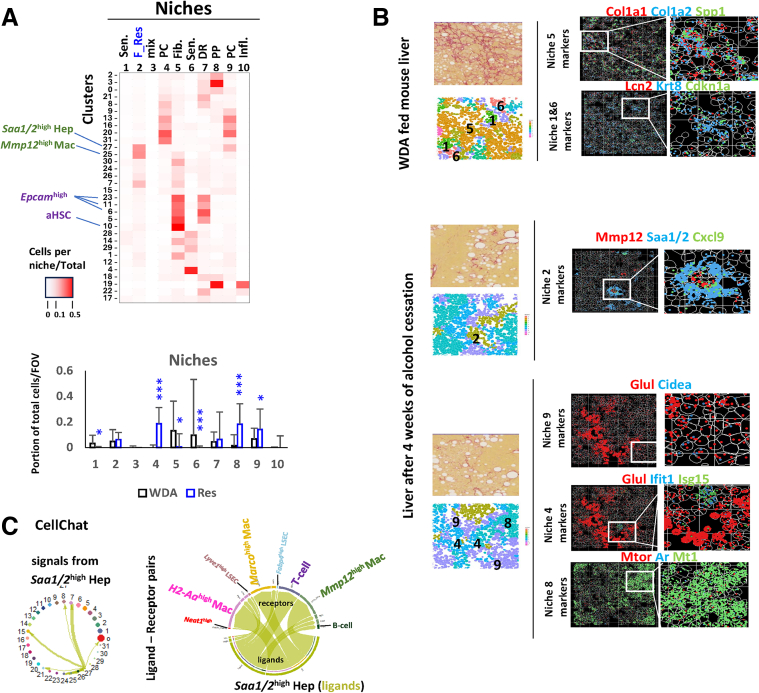 Figure 8
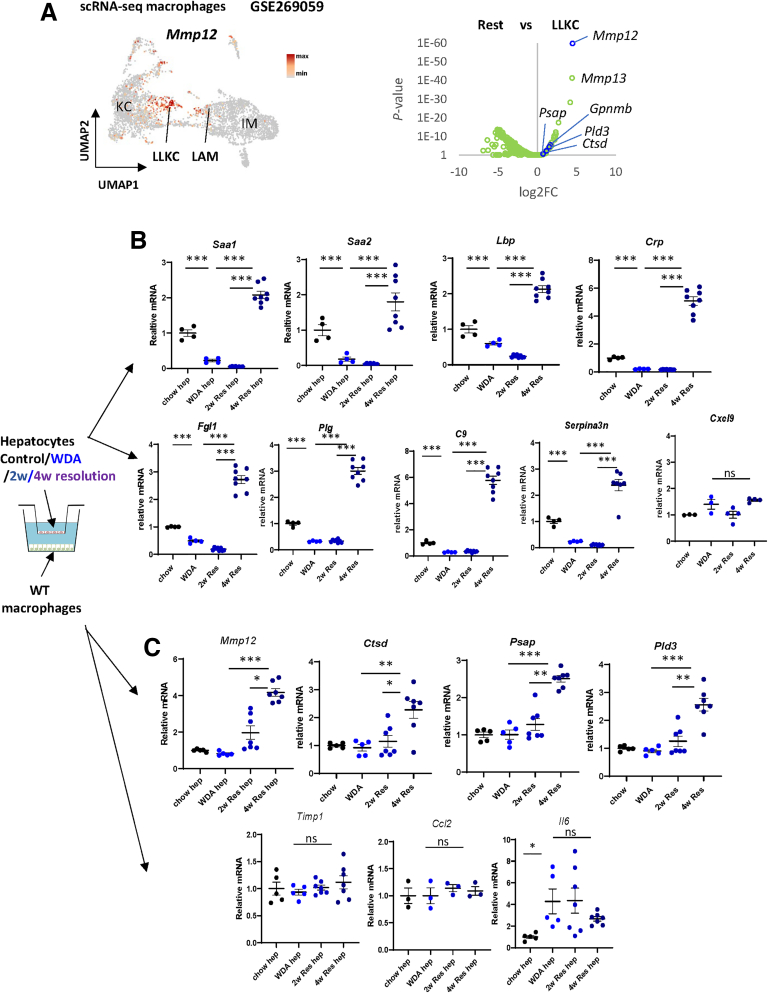 Figure 9
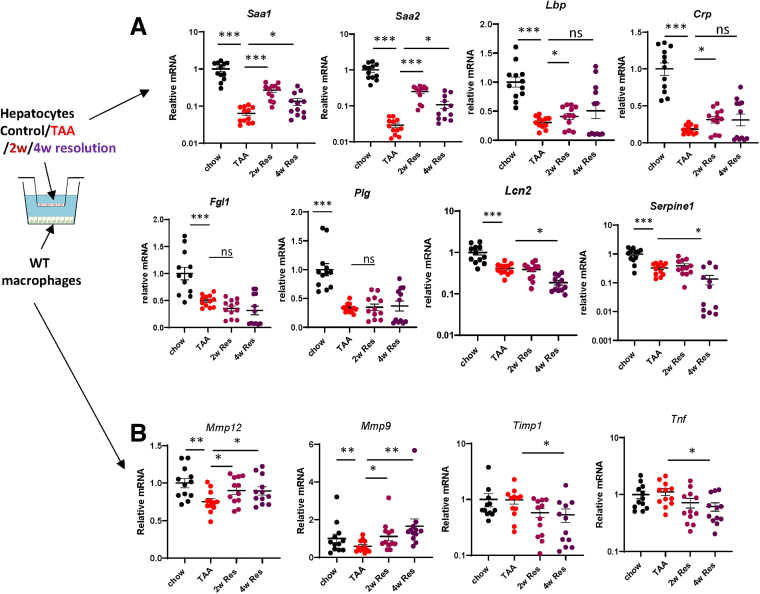 Figure 10
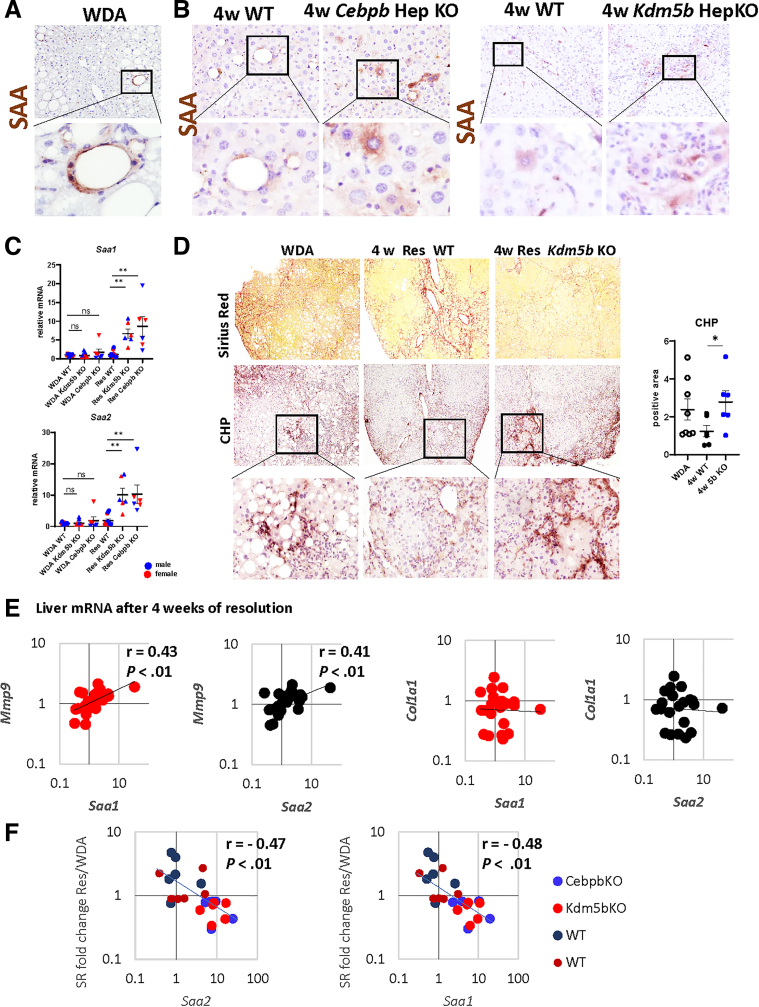 Figure 11
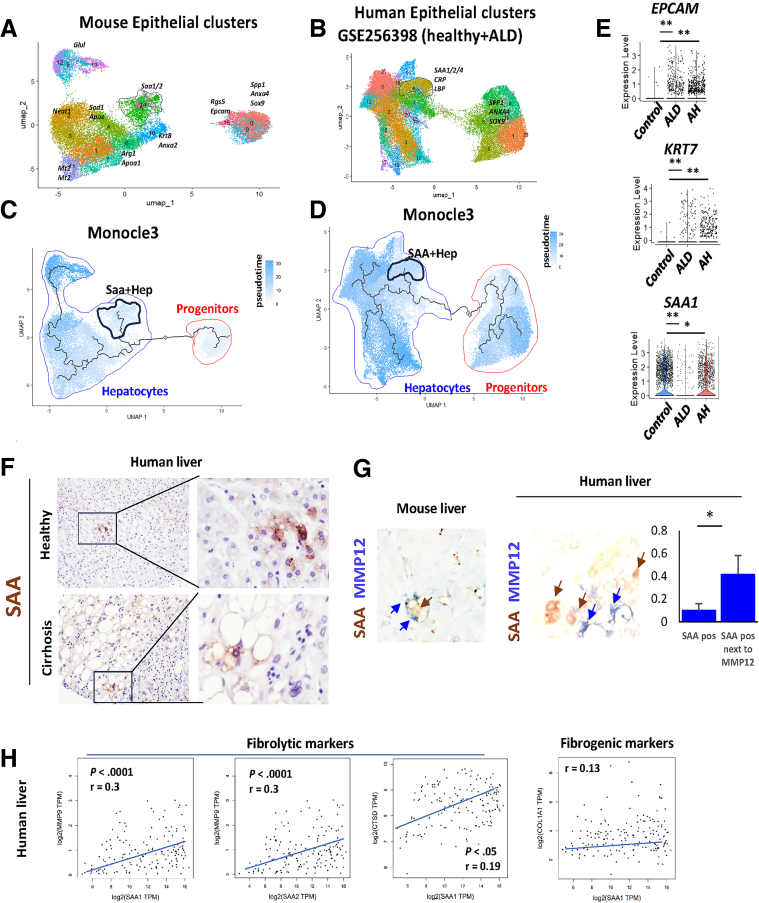 Figure 12
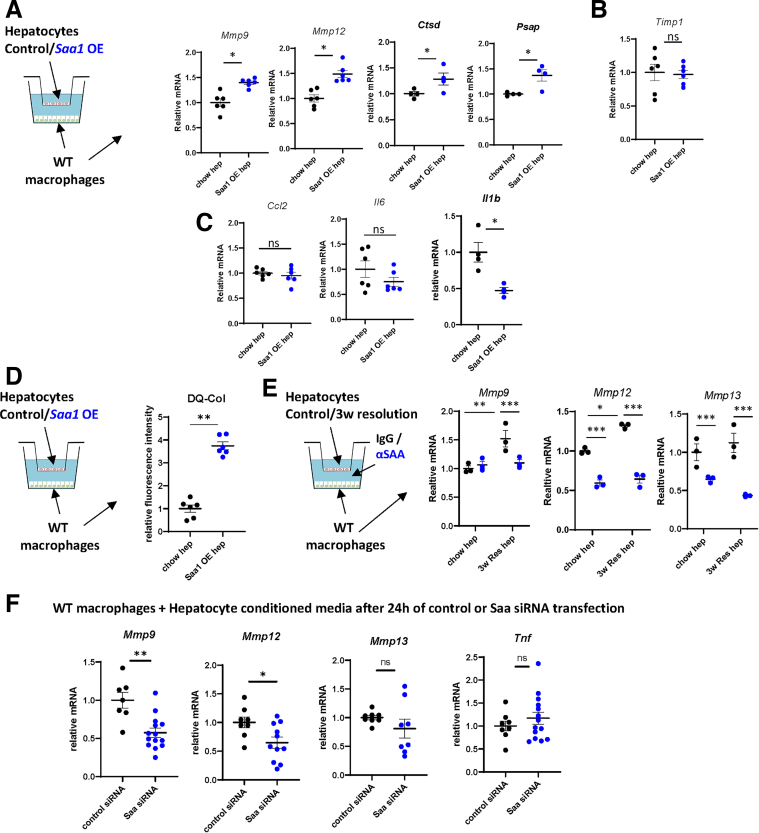 Figure 13
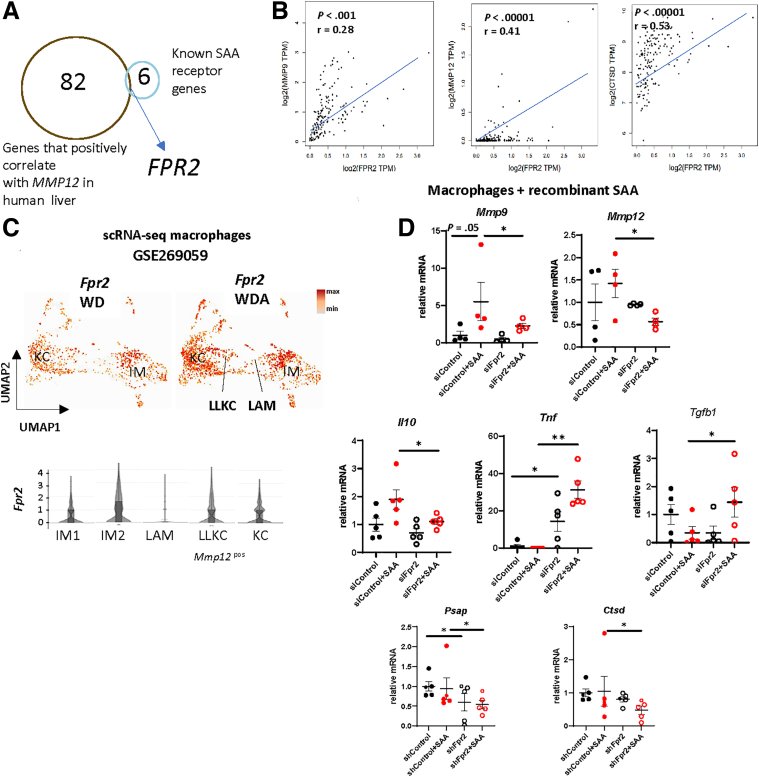 Figure 14
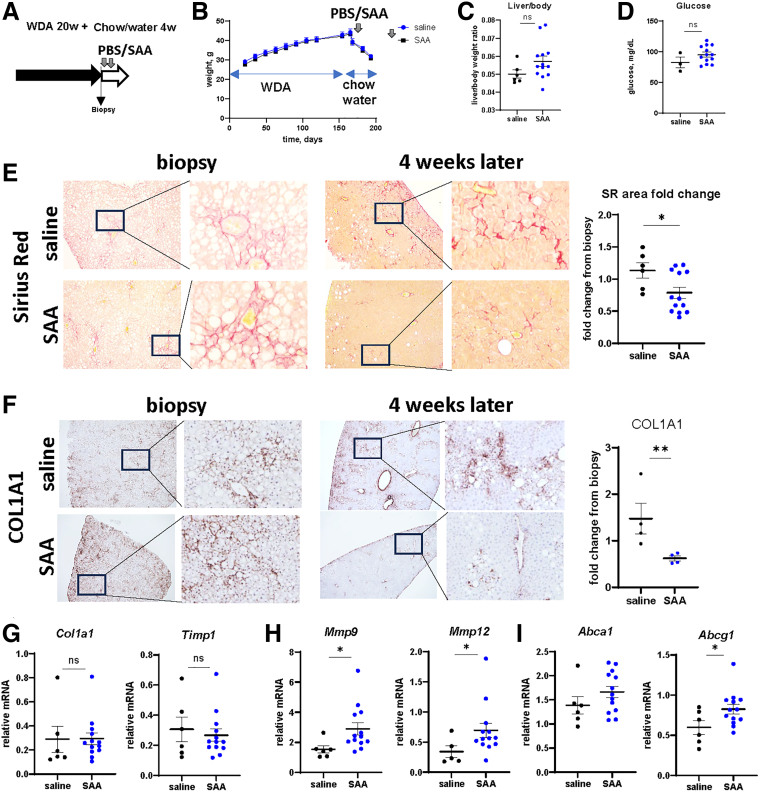 Figure 15
Peer Reviews
No public reviews on file for this paper yet. If you reviewed it on a platform where reviews are public (OpenReview, ICLR, NeurIPS, ICML), you can paste yours below so the community can read it here.
Videos
No videos yet. Explain this paper in a talk, walkthrough, or lecture? Add one.
Taxonomy
TopicsLiver physiology and pathology · Organ Transplantation Techniques and Outcomes · Genetic and Kidney Cyst Diseases