Amino acid residues L261, W264, F265, L268, and V269 of apolipoprotein E4 critically regulate adipose tissue metabolism
Evangelia Zvintzou, Panagiota C. Giannopoulou, Katerina Giannatou, Radu Ionita, Maria Alemi, Georgia Kakafoni, Victoria Mparnia, Madalina Dumitrescu, Ioana Madalina Fenyo, Anca Violeta Gafencu, Kyriakos E. Kypreos

TL;DR
A specific region of the APOE4 protein affects fat tissue metabolism, offering a new approach to treat obesity and related conditions.
Contribution
The study identifies specific amino acid residues in APOE4 that regulate adipose tissue metabolism and hypertriglyceridemia.
Findings
APOE4mut1 stimulates brown adipose tissue metabolism through non-shivering thermogenesis and oxidative phosphorylation.
APOE4mut1 enhances mitochondrial activity in white adipose tissue, overriding the effects of wild-type APOE4.
Targeted mutagenesis of APOE4 residues 260–270 may offer therapeutic benefits for metabolic syndrome.
Abstract
Apolipoprotein E (APOE) plays a tissue-specific role in diet-induced obesity: brain-expressed APOE promotes obesity, while hepatic APOE appears protective. Physiological plasma APOE levels facilitate clearance of atherogenic lipoproteins; however, supraphysiological levels induce hypertriglyceridemia and impair cholesterol clearance. APOE-induced hypertriglyceridemia has been linked to its carboxyl-terminal region (amino acids 260–270), particularly residues L261, W264, F265, L268, and V269. A bioengineered APOE4 variant, APOE4mut1, where these residues are substituted with alanine, promotes cholesterol clearance without inducing hypertriglyceridemia at any level of expression. This study examined APOE4mut1 effects on adipose tissue metabolism in vivo. Wild-type (C57BL/6) and APOE4knock-in mice were fed a Western-type diet for varying periods and infected with adenoviruses expressing…
Genes, proteins, chemicals, diseases, species, mutations and cell lines named across the full text — each resolved to its canonical identifier and authoritative record.
Click any figure to enlarge with its caption.
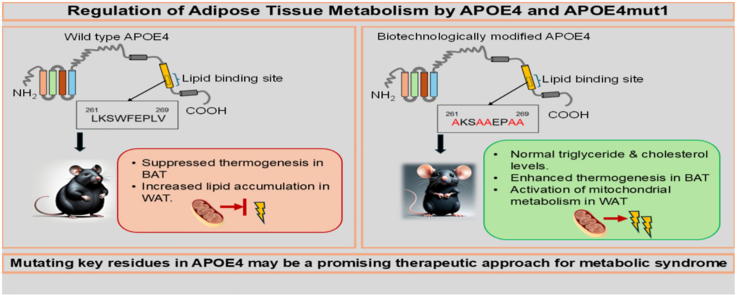 Figure 1
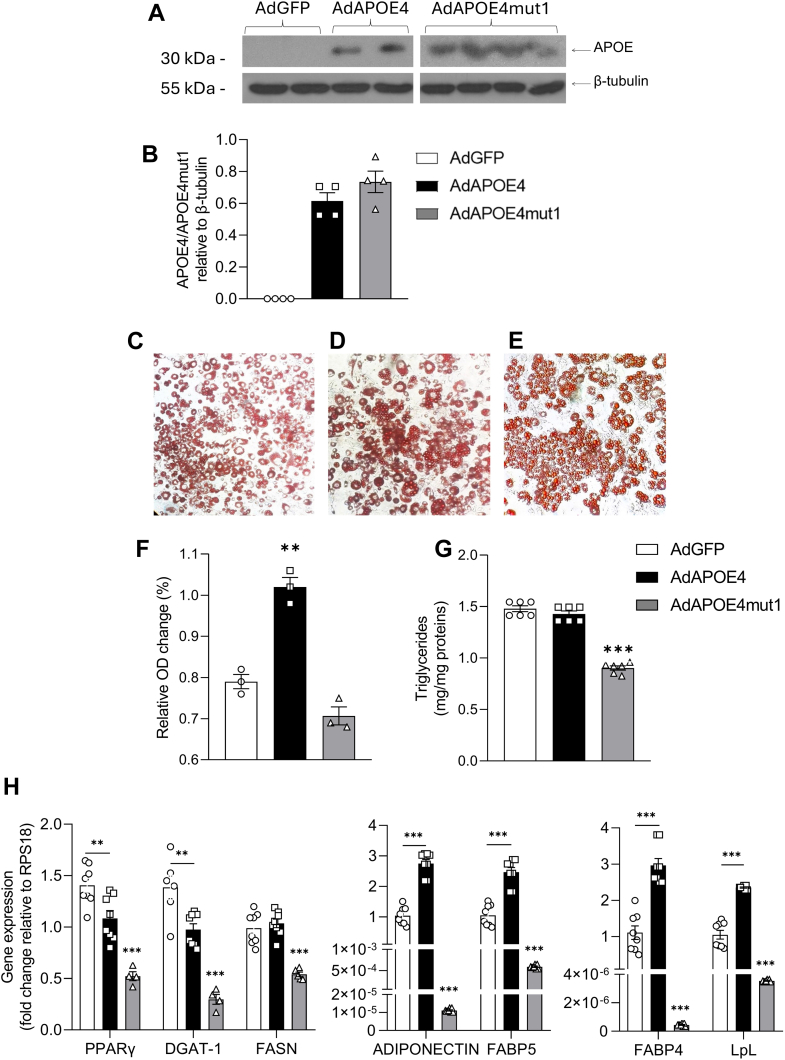 Figure 2
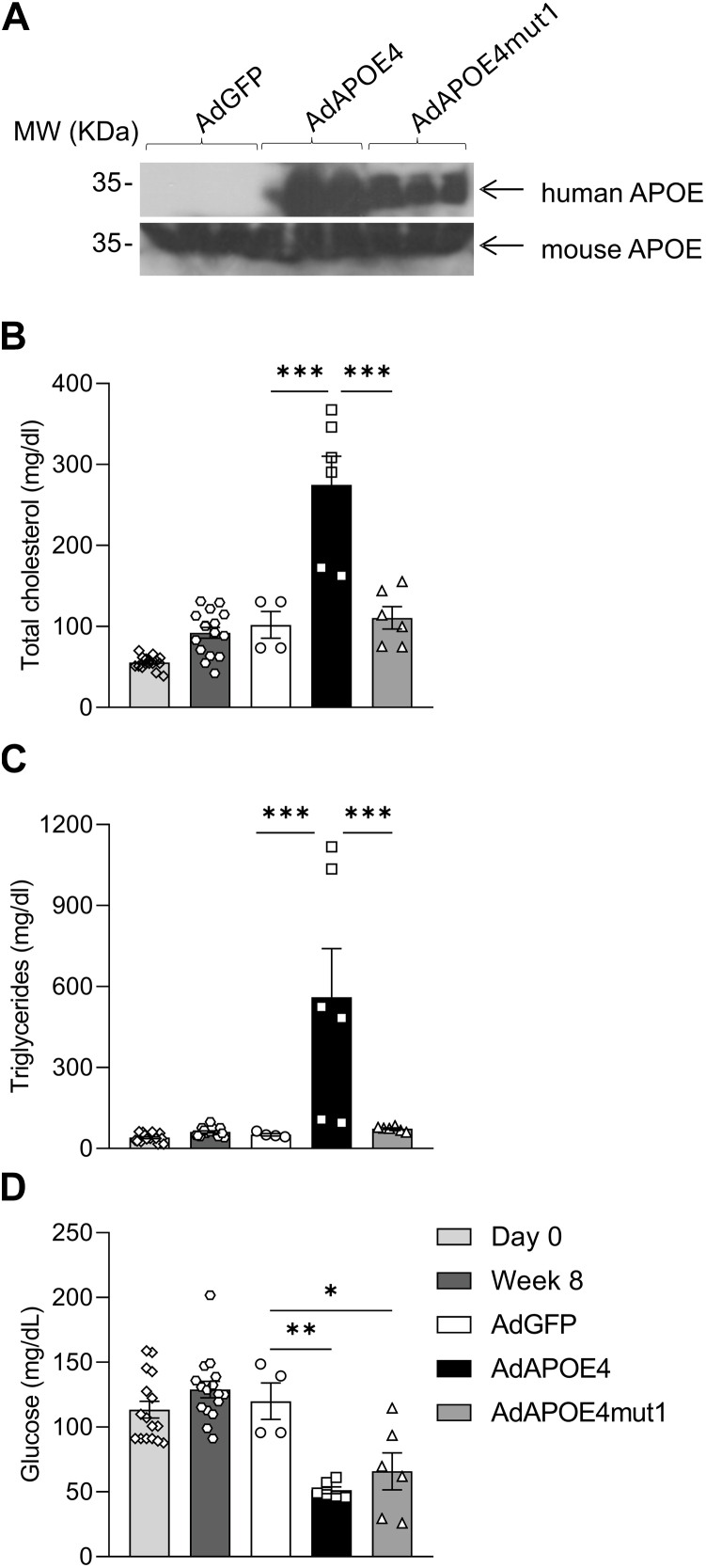 Figure 3
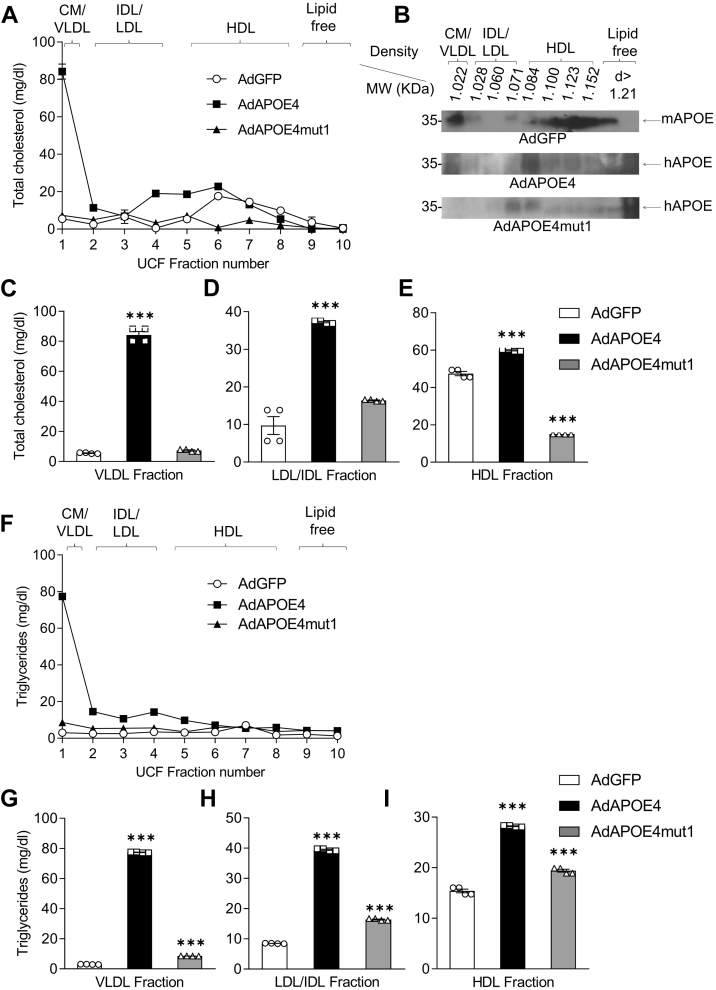 Figure 4
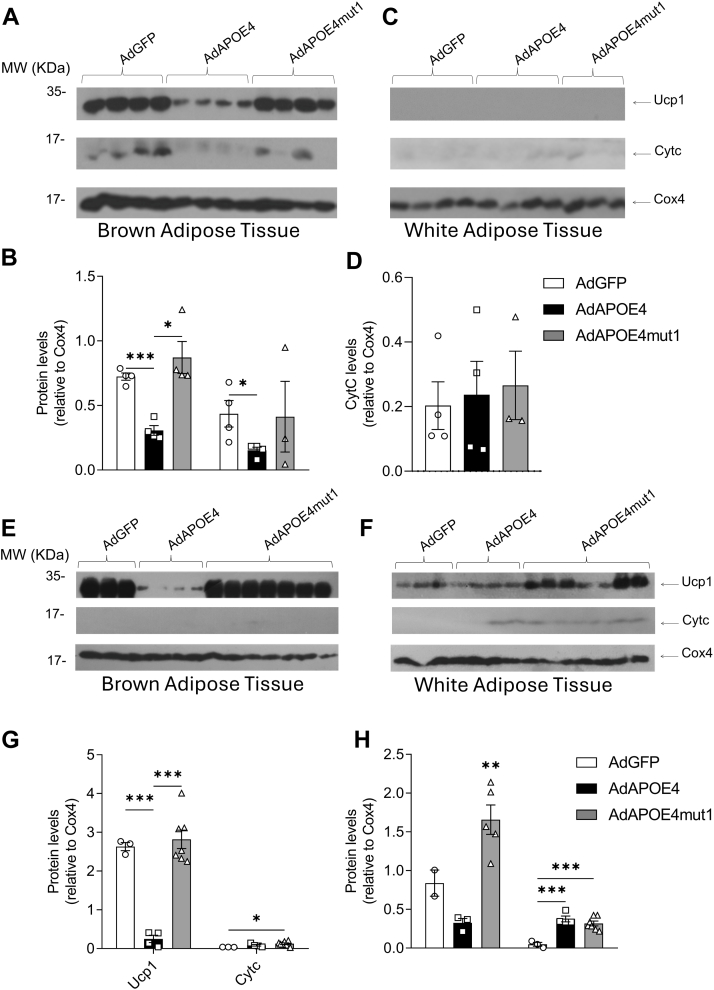 Figure 5
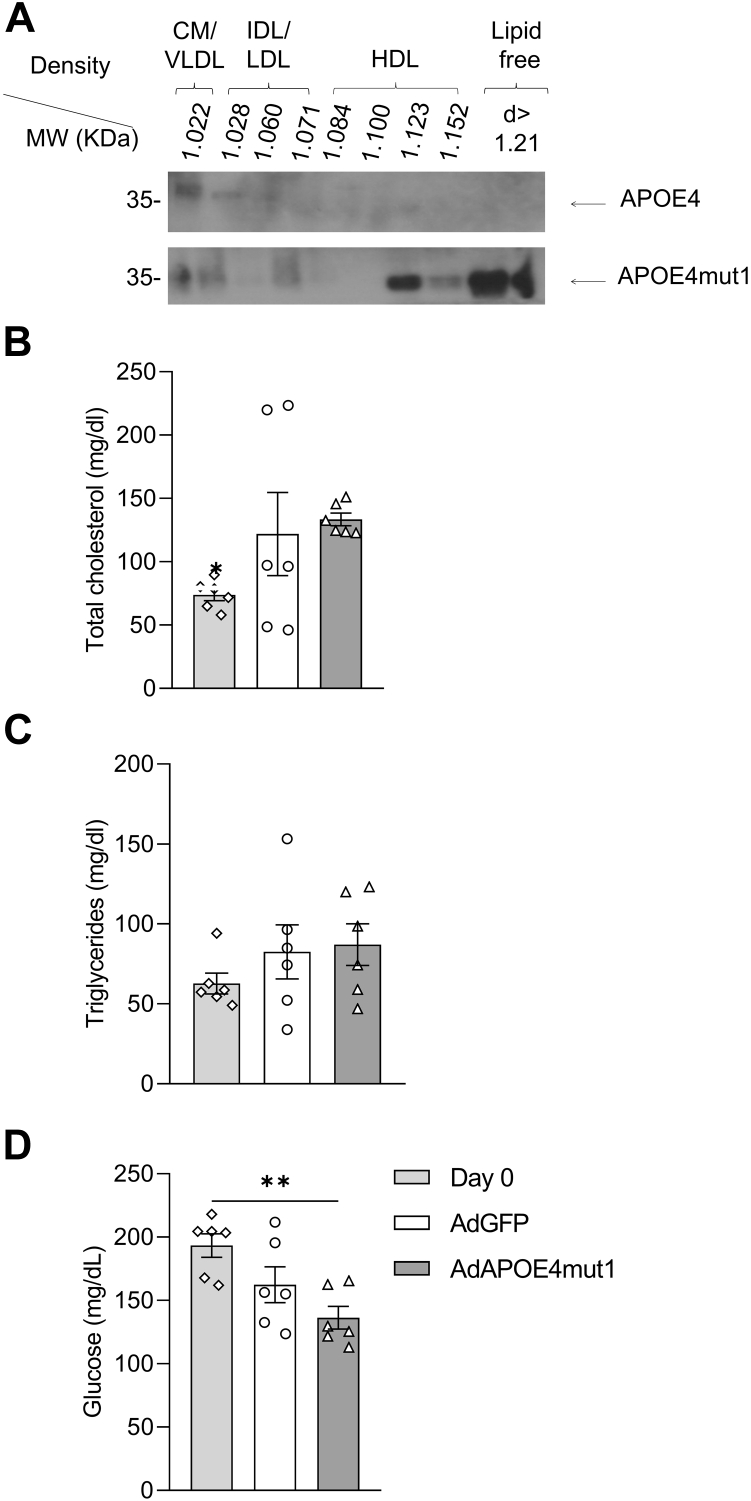 Figure 6
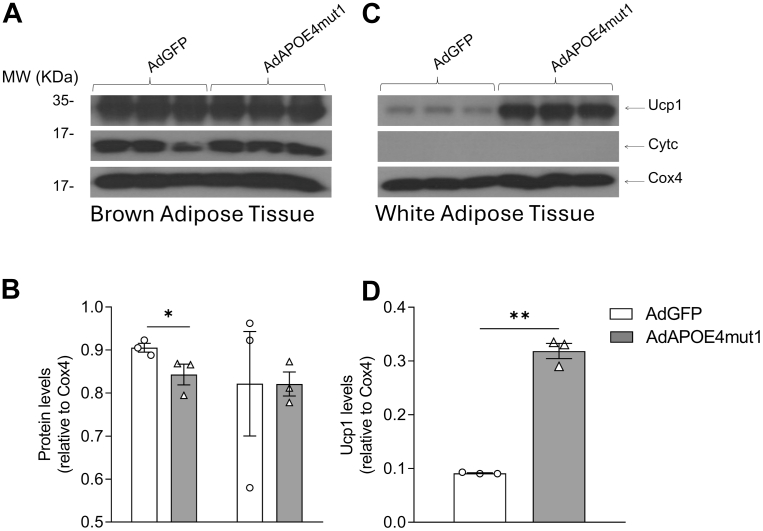 Figure 7
Peer Reviews
No public reviews on file for this paper yet. If you reviewed it on a platform where reviews are public (OpenReview, ICLR, NeurIPS, ICML), you can paste yours below so the community can read it here.
Videos
No videos yet. Explain this paper in a talk, walkthrough, or lecture? Add one.
Taxonomy
TopicsAdipose Tissue and Metabolism · Adipokines, Inflammation, and Metabolic Diseases · Diabetes, Cardiovascular Risks, and Lipoproteins