Evaluation of Intercaval Bundle Connection by Multisite Pacing and Right-Sided Pulmonary Vein Isolation
Manabu Kashiwagi, Akio Kuroi, Daichi Miyake, Yusuke Teruya, Satoshi Hata, Natsuki Higashimoto, Chihiro Kansako, Yuto Otsuki, Yasutsugu Shiono, Takashi Yamano, Takashi Tanimoto, Hironori Kitabata, Atsushi Tanaka

TL;DR
This study shows that multisite pacing can better detect an intercaval bundle connection, which affects the success of pulmonary vein isolation in heart procedures.
Contribution
The study introduces a novel method using multisite pacing to identify intercaval bundle connections and their impact on ablation outcomes.
Findings
Multisite pacing detected intercaval bundle connections in all 108 patients, compared to only 20.4% with standard RA pacing.
The location of earliest activation sites influenced the need for additional ablation in the right anterior PV carina.
The distance from the earliest activation site to the PV ostium varied significantly across different groups.
Abstract
An intercaval bundle connection (IBC) between the right pulmonary vein (PV) and the right atrium (RA) reduces PV isolation success, but the epidemiology requires elucidation. The authors investigated the frequency and distribution of IBC diagnosed by multisite pacing and its relation to PV isolation outcomes. We analyzed 108 patients who underwent first PV isolation under radiofrequency ablation. An activation map was created by multisite pacing from the RA, the right inferior PV, and the earliest activation site of RA (EAS-RA) via right inferior PV pacing. Compared with RA pacing, multisite pacing more frequently delineated IBC (100% [108/108] vs 20.4% [22/108]; P < 0.001). The EAS-RA was classified as “above” (n = 19), “below” (n = 79), and “far below” (n = 10) in relation to the right inferior PV. The earliest activation site of the left atrium (EAS-LA) obtained by EAS-RA pacing…
Genes, proteins, chemicals, diseases, species, mutations and cell lines named across the full text — each resolved to its canonical identifier and authoritative record.
Click any figure to enlarge with its caption.
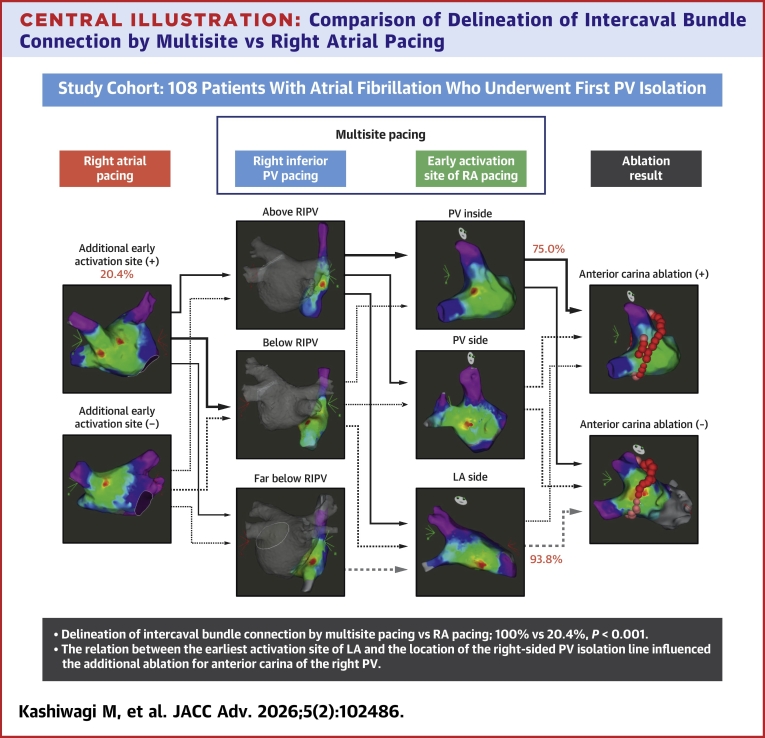 Figure 1
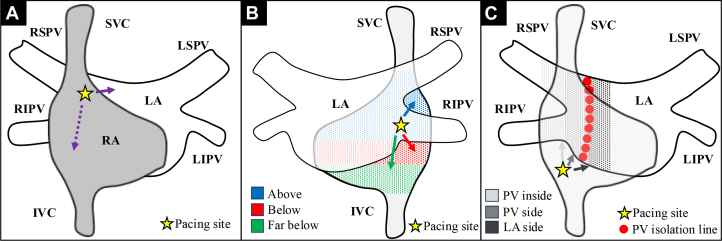 Figure 2
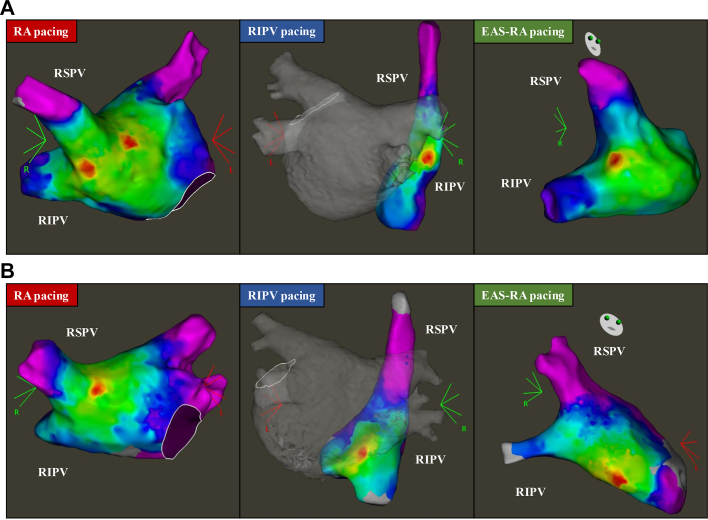 Figure 3
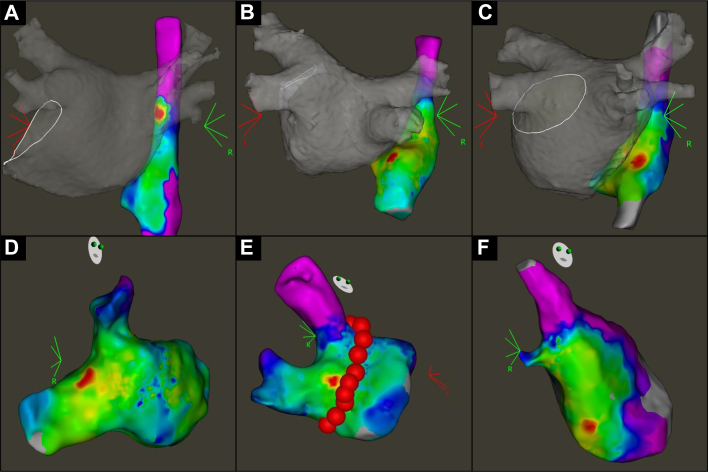 Figure 4
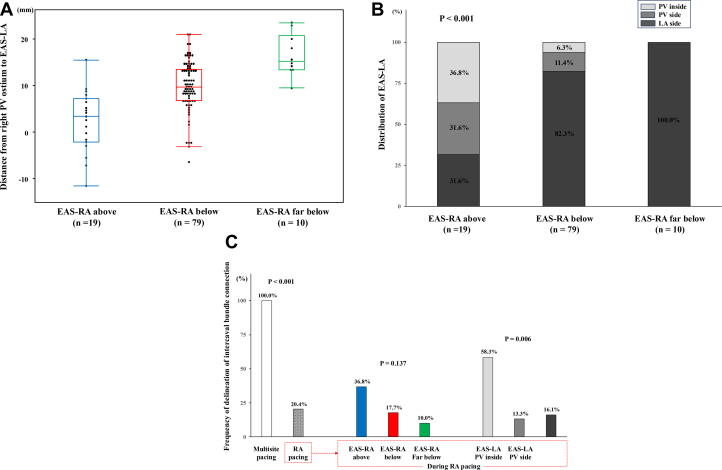 Figure 5
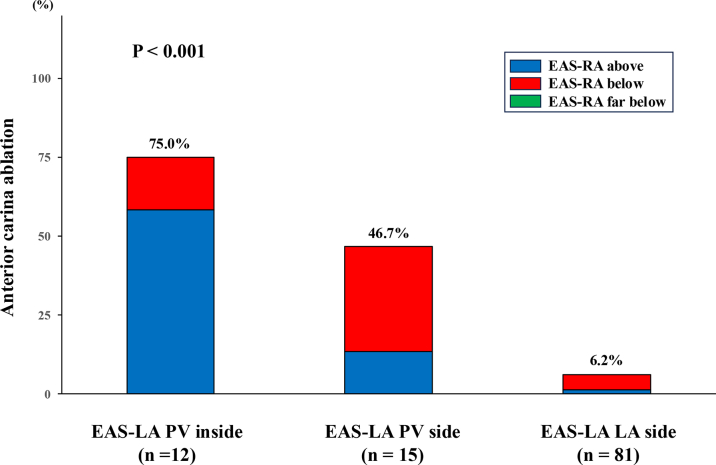 Figure 6
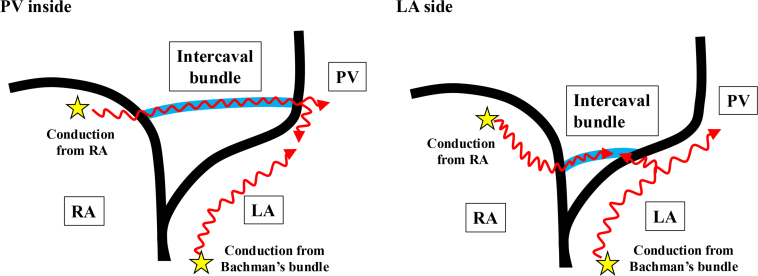 Figure 7
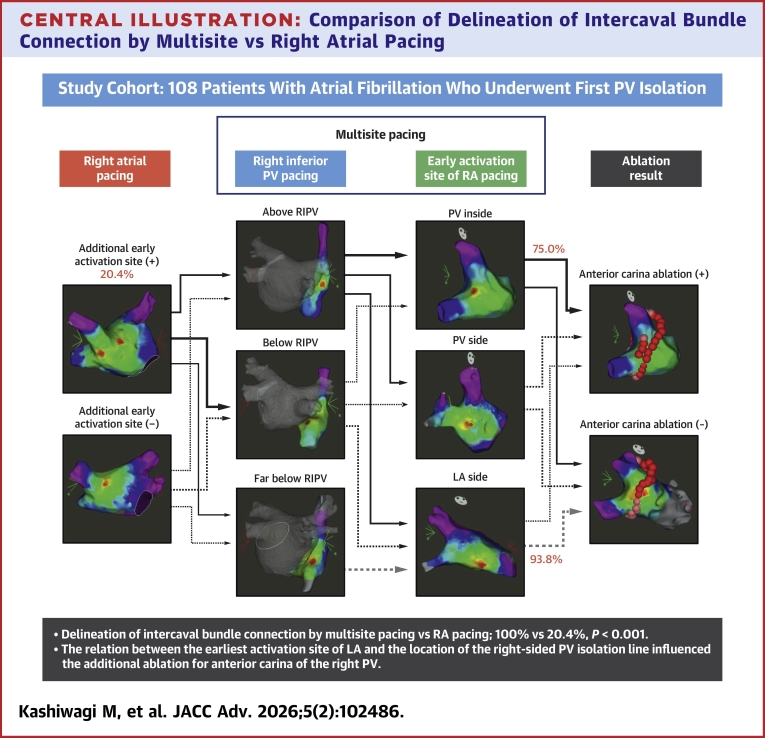 Figure 8
Peer Reviews
No public reviews on file for this paper yet. If you reviewed it on a platform where reviews are public (OpenReview, ICLR, NeurIPS, ICML), you can paste yours below so the community can read it here.
Videos
No videos yet. Explain this paper in a talk, walkthrough, or lecture? Add one.
Taxonomy
TopicsCardiac Arrhythmias and Treatments · Cardiac pacing and defibrillation studies · Atrial Fibrillation Management and Outcomes