Embryonic lineage-specific iPSC-derived mesenchymal stem/stromal cells exhibit different morphologies and intrinsic functions
Linh Nguyen, Souta Motoike, Denise Zujur, Keiko Yoshizawa, Yasuhiro Takashima, Akiyoshi Uezumi, Kazuhiro Furuhashi, Shoichi Maruyama, Yonghui Jin, Junya Toguchida, Hidetoshi Sakurai, Makoto Ikeya

TL;DR
Researchers found that mesenchymal stem cells derived from induced pluripotent stem cells differ in their abilities based on their embryonic origin, which could improve regenerative medicine.
Contribution
This study shows that lineage-specific iPSC-derived MSCs have distinct functional and morphological traits, offering a new approach for generating consistent MSCs.
Findings
MSCs derived from different embryonic lineages showed varied osteogenic, chondrogenic, and adipogenic potentials.
Transcriptomic analysis revealed distinct clusters among lineage-specific iMSCs.
iMSCs showed a high correlation with tissue-derived MSCs despite their differences.
Abstract
Mesenchymal stem/stromal cells (MSCs) have great potential in regenerative medicine owing to their multilineage differentiation capacity. However, tissue-derived MSCs (tMSCs) exhibit inconsistent characteristics. Although induced pluripotent stem cell (iPSC)-derived MSCs (iMSCs) are a potential solution, the effect of different embryonic lineages on their properties remains unknown. We generated MSCs from human iPSCs via five lineage-specific routes: cranial neural crest, trunk neural crest, paraxial mesoderm (somite), lateral plate mesoderm, and limb mesenchyme. All types met established MSC criteria yet differed in morphology, proliferation, and differentiation capacity. Somite-, cranial neural crest-, and limb mesenchyme-derived MSCs showed higher osteogenic potential, whereas somite-derived MSCs also showed high chondrogenic potential but were prone to hypertrophy. Limb…
Genes, proteins, chemicals, diseases, species, mutations and cell lines named across the full text — each resolved to its canonical identifier and authoritative record.
Click any figure to enlarge with its caption.
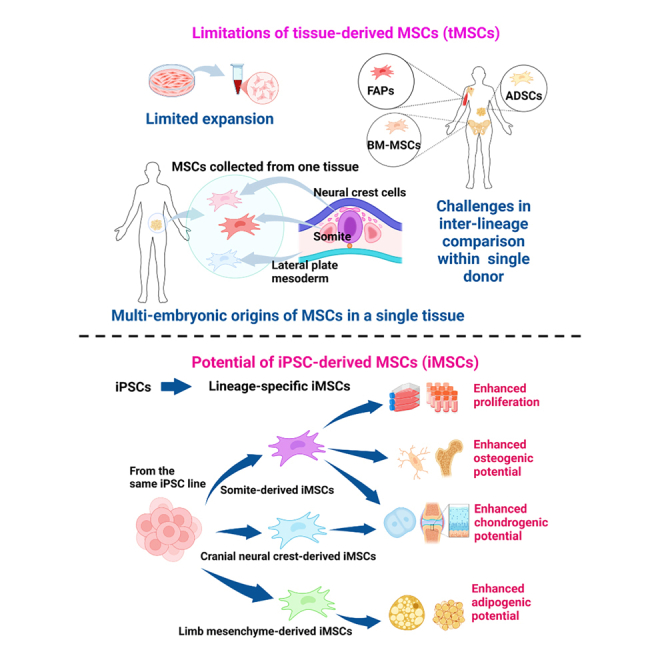 Figure 1
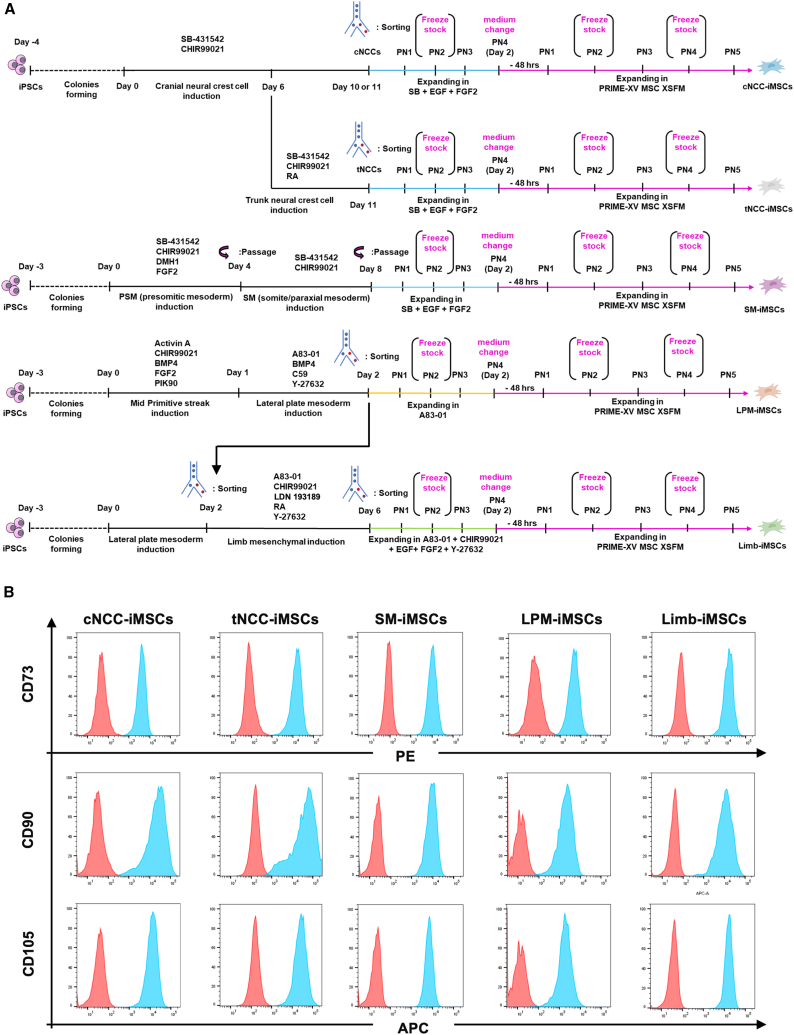 Figure 2
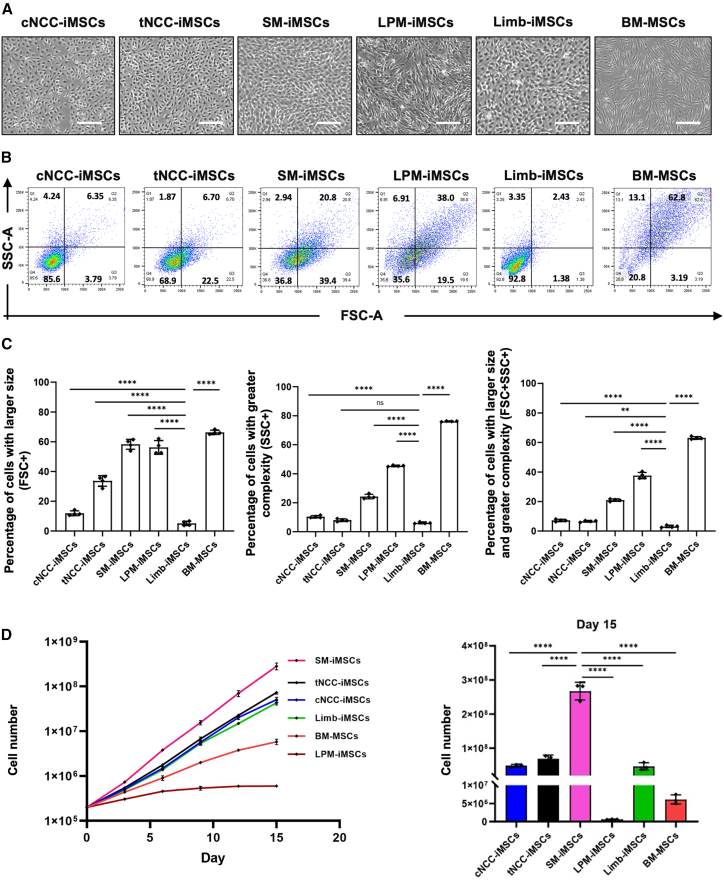 Figure 3
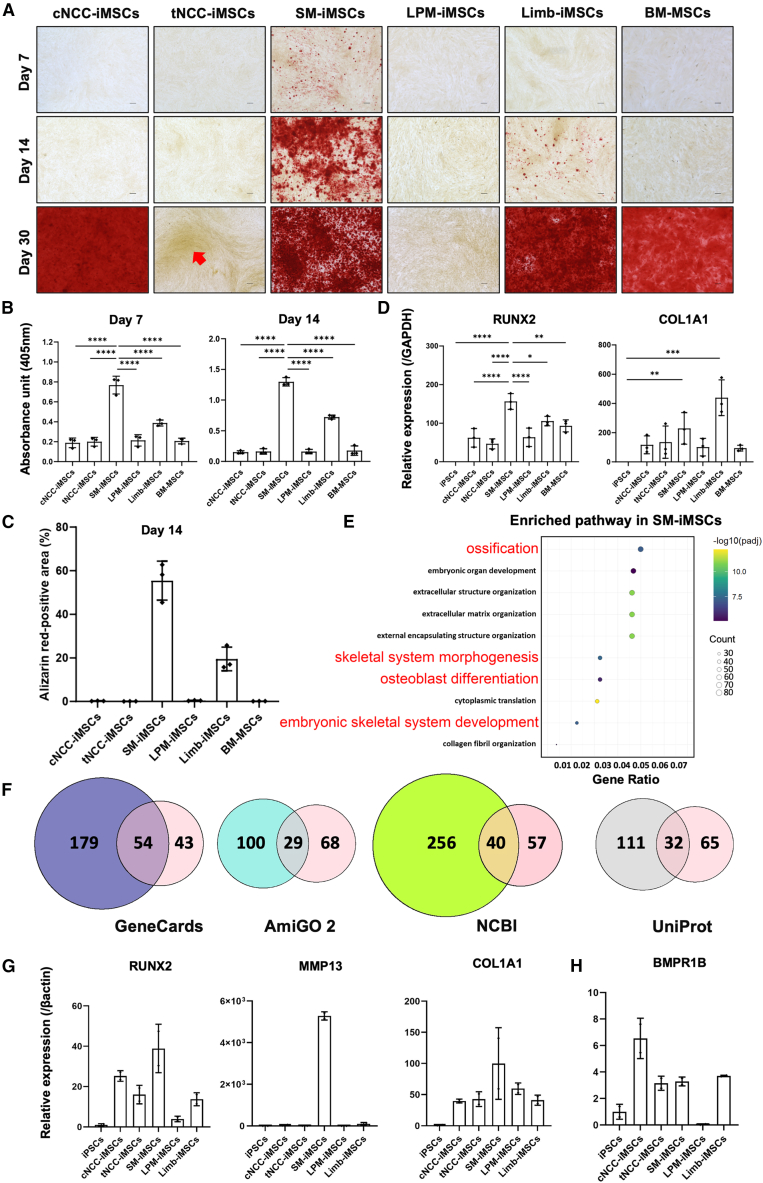 Figure 4
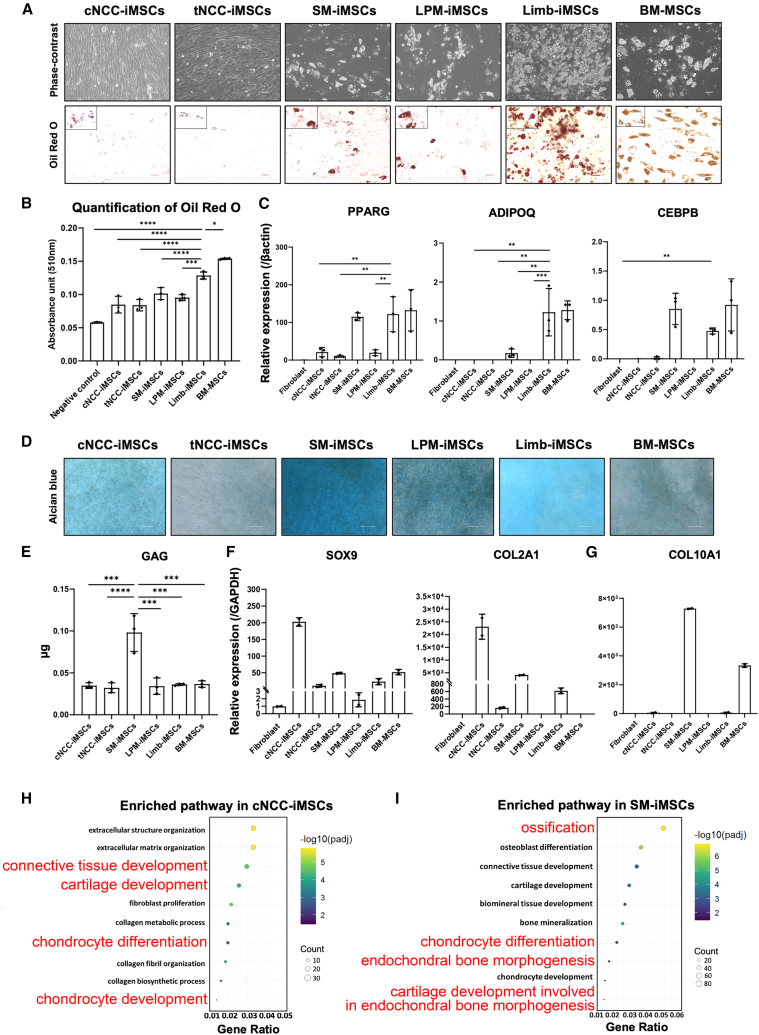 Figure 5
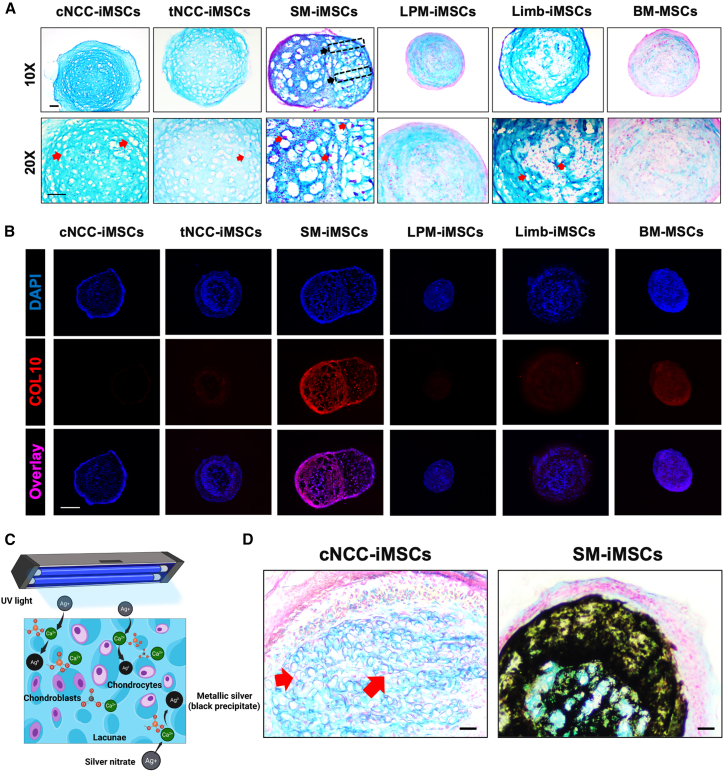 Figure 6
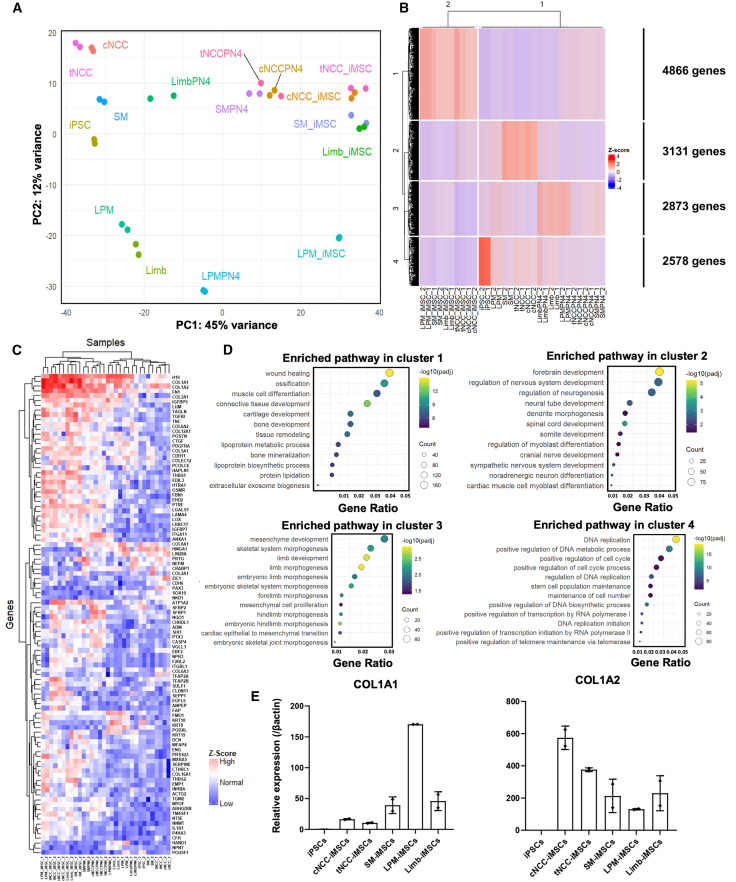 Figure 7
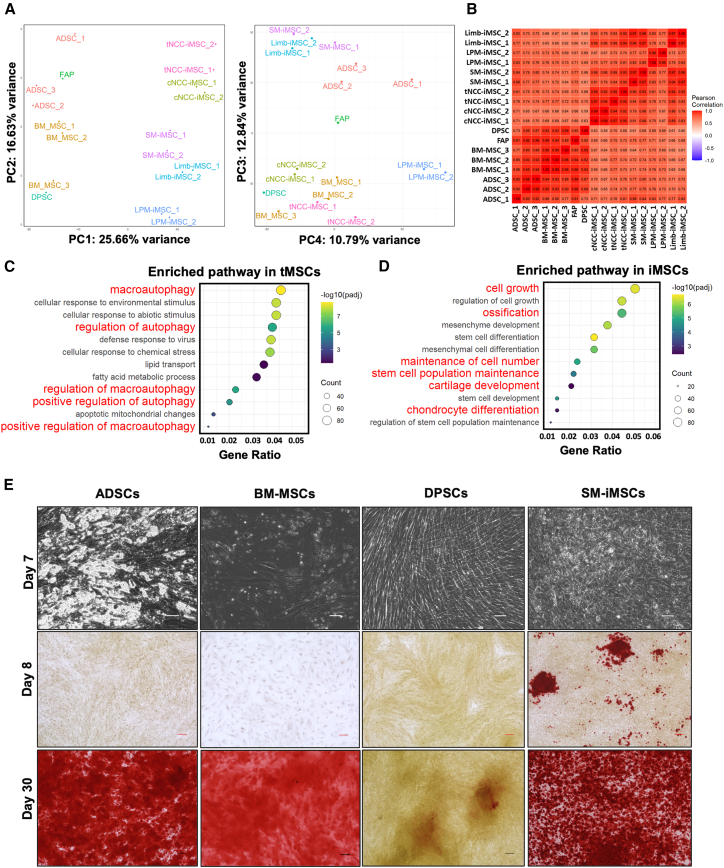 Figure 8
Peer Reviews
No public reviews on file for this paper yet. If you reviewed it on a platform where reviews are public (OpenReview, ICLR, NeurIPS, ICML), you can paste yours below so the community can read it here.
Videos
No videos yet. Explain this paper in a talk, walkthrough, or lecture? Add one.
Taxonomy
TopicsMesenchymal stem cell research · Pluripotent Stem Cells Research · Planarian Biology and Electrostimulation