Small heat shock protein HSPB5 uses disorder to bind zinc with high affinity
Maria K. Janowska, Vanesa Racigh, Christoper N. Woods, María Silvina Fornasari, Rachel E. Klevit

TL;DR
This study shows that the protein HSPB5 can bind zinc with high affinity and uses its disordered structure to manage zinc levels during cellular stress.
Contribution
The paper reveals a novel role for HSPB5 as a conditional zinc reservoir with unique zinc-binding properties among small heat shock proteins.
Findings
HSPB5 binds zinc with high affinity and rapid reversibility.
Zinc binding increases HSPB5 disorder and promotes oligomer assembly.
HSPB5's zinc-binding properties are distinct among human small HSPs.
Abstract
Zinc is an essential metal that supports diverse cellular functions. Zinc exerts its biological activity through protein binding, serving as catalytic cofactors and structural stabilizers of many enzymes, transcription factors, and ubiquitin E3 ligases, among others. Despite total cellular zinc concentrations reaching hundreds of micromolar, free zinc levels are tightly buffered. Elevated free zinc promotes protein mismetalation and aggregation. While zinc is redox inert, its cysteine (Cys)-based protein ligands are readily oxidized. Oxidative modification of Cys leads to zinc dissociation and a rapid increase in free zinc. With ∼3000 proteins in the human zinc proteome, uncontrolled zinc release could be highly deleterious. Metallothioneins buffer zinc under basal conditions, but their resynthesis following oxidative inactivation occurs on the timescale of hours, raising the question…
Genes, proteins, chemicals, diseases, species, mutations and cell lines named across the full text — each resolved to its canonical identifier and authoritative record.
Click any figure to enlarge with its caption.
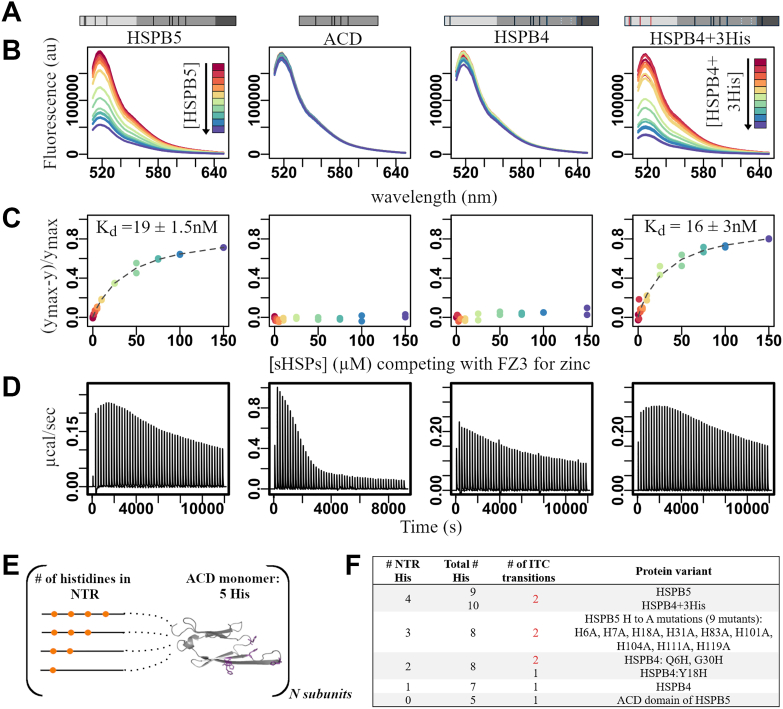 Figure 1
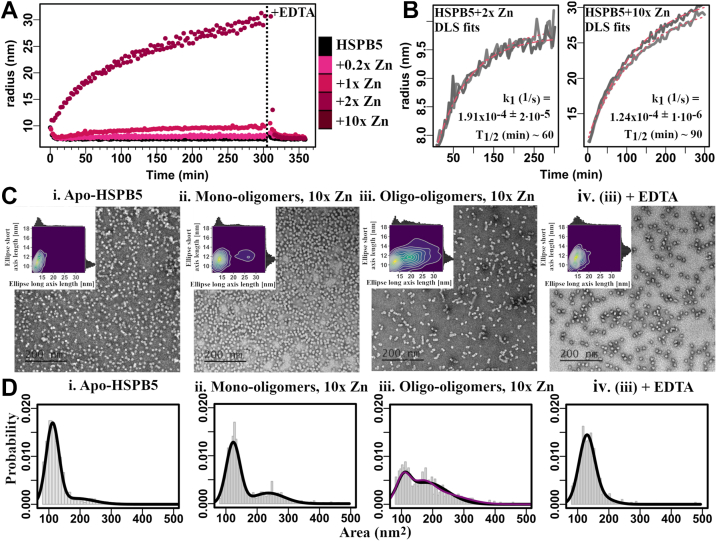 Figure 2
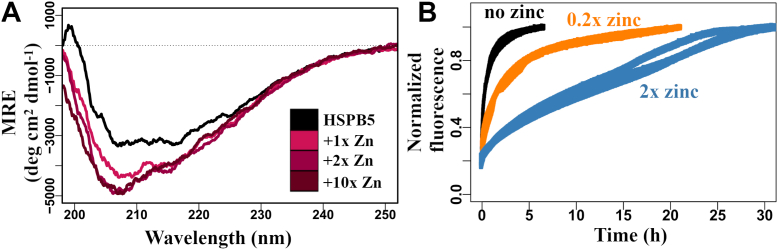 Figure 3
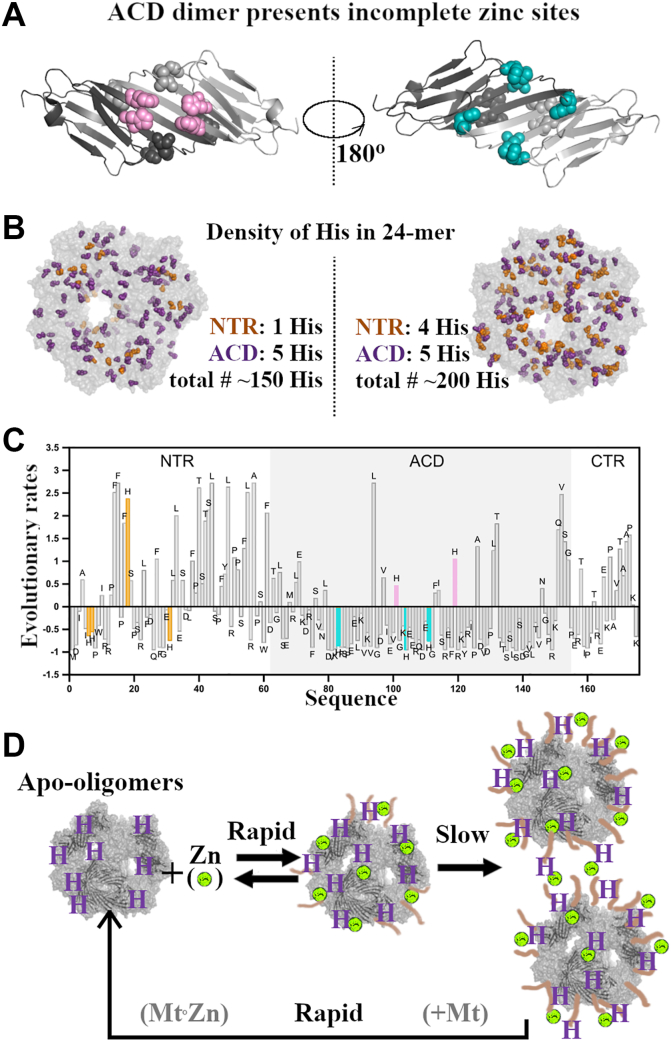 Figure 4
Peer Reviews
No public reviews on file for this paper yet. If you reviewed it on a platform where reviews are public (OpenReview, ICLR, NeurIPS, ICML), you can paste yours below so the community can read it here.
Videos
No videos yet. Explain this paper in a talk, walkthrough, or lecture? Add one.
Taxonomy
TopicsHeat shock proteins research · Trace Elements in Health · Aldose Reductase and Taurine