Single-cell analysis of heterogeneity in reverted hiPSC-derived human hepatic stellate cells
Xinjia Wang, Eun Hee Ha, Lu Bian, Zhuoying Feng, Fan Zhang, Kyle O’Shaughnessy, Lei Wang, Andrea Hochwald, Yifei Zheng, Weibo Chen, Yujie Zhang, Xianfang Wu

TL;DR
Liver cells called HSCs can partly return to a healthy state after injury is removed, but remain sensitive to reactivation, with immune signals like IL-10 playing a key role.
Contribution
Demonstrates human HSC plasticity and identifies IL-10's role in reversion through vitamin A metabolism using a hiPSC-derived liver model.
Findings
Activated HSCs revert to a less activated state after injury resolution, regaining lipid droplets and vitamin A storage.
Single-cell RNA sequencing reveals heterogeneity in reverted HSCs, including a subset resembling naïve quiescent HSCs.
Macrophage-derived IL-10 promotes reversion by inducing vitamin A metabolism genes like LRAT and RBP1.
Abstract
Activated HSCs are known to drive fibrogenesis, but their fate following injury resolution remains unclear. We aimed to investigate whether human activated HSCs revert to a less activated state, and to characterize features of such reversion using a human induced pluripotent stem cell (hiPSC)-derived multicellular liver model. We used a hiPSC-derived liver culture containing hepatocytes, HSCs, and macrophages. HSCs were activated by HCV infection or a lipotoxic milieu modeling metabolic dysfunction-associated steatotic liver disease (MASLD) and subjected to injury resolution through antiviral treatment or replacement with a healthy medium. Reverted HSCs were characterized via gene expression profiling, functional assays, and single-cell RNA sequencing (scRNA-seq). The role of macrophage-derived IL-10 in HSC reversion was investigated through receptor knockdown and cytokine treatment…
Genes, proteins, chemicals, diseases, species, mutations and cell lines named across the full text — each resolved to its canonical identifier and authoritative record.
Click any figure to enlarge with its caption.
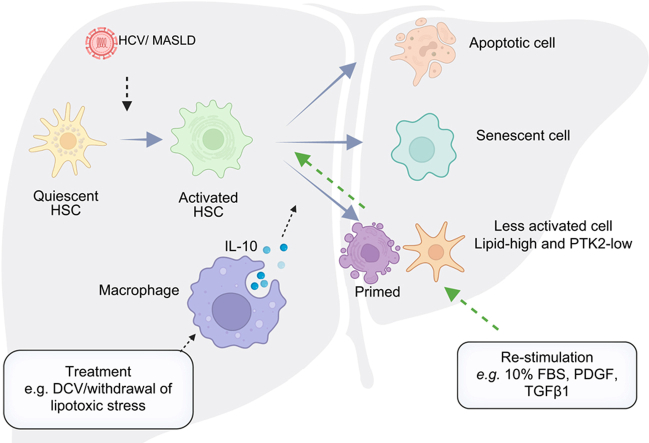 Figure 1
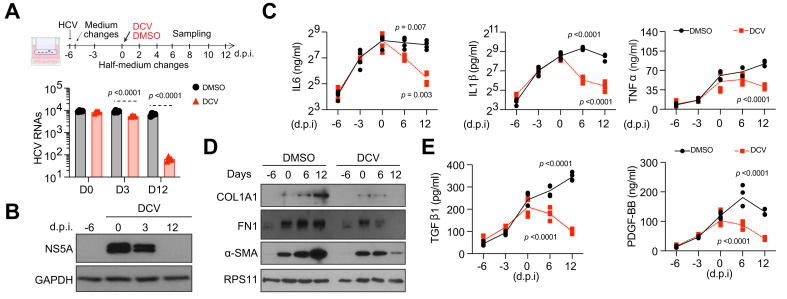 Figure 2
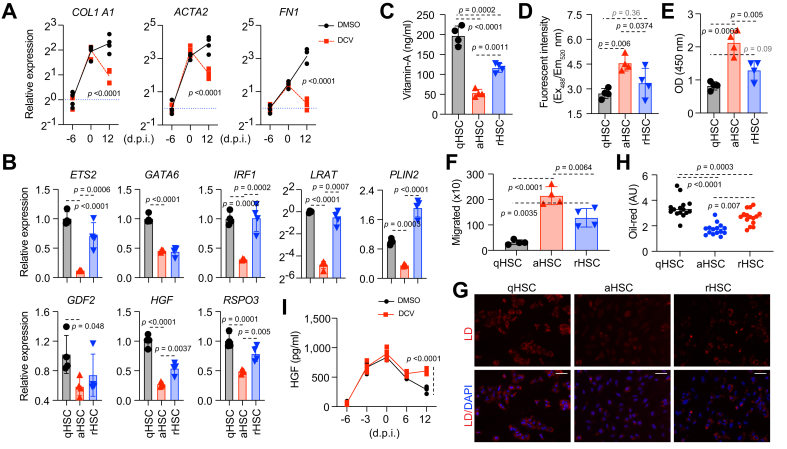 Figure 3
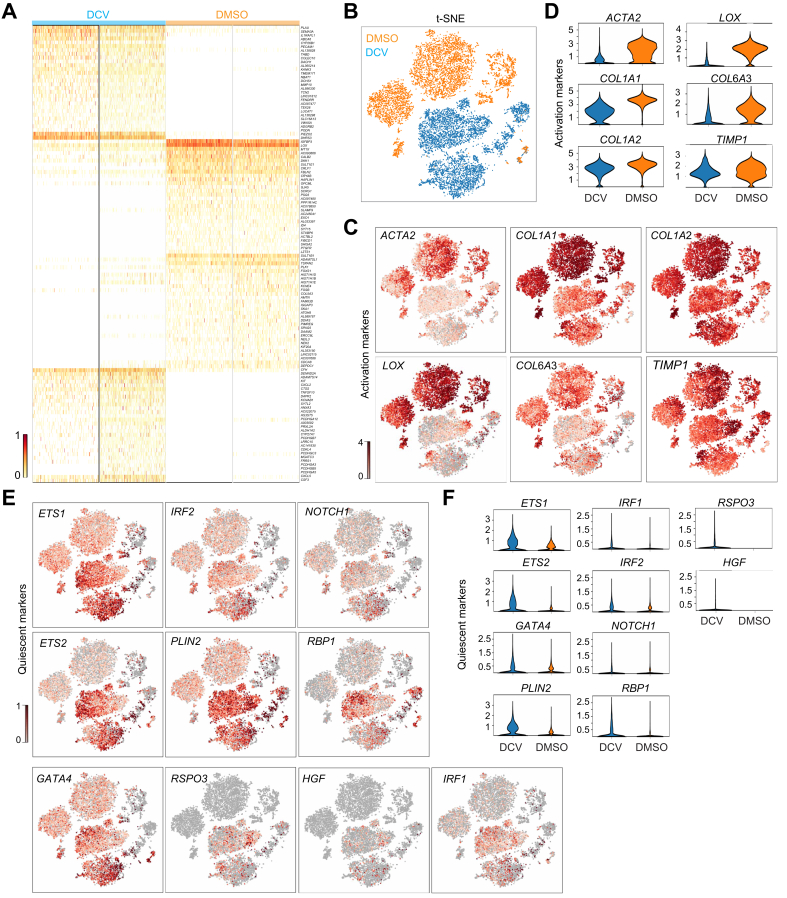 Figure 4
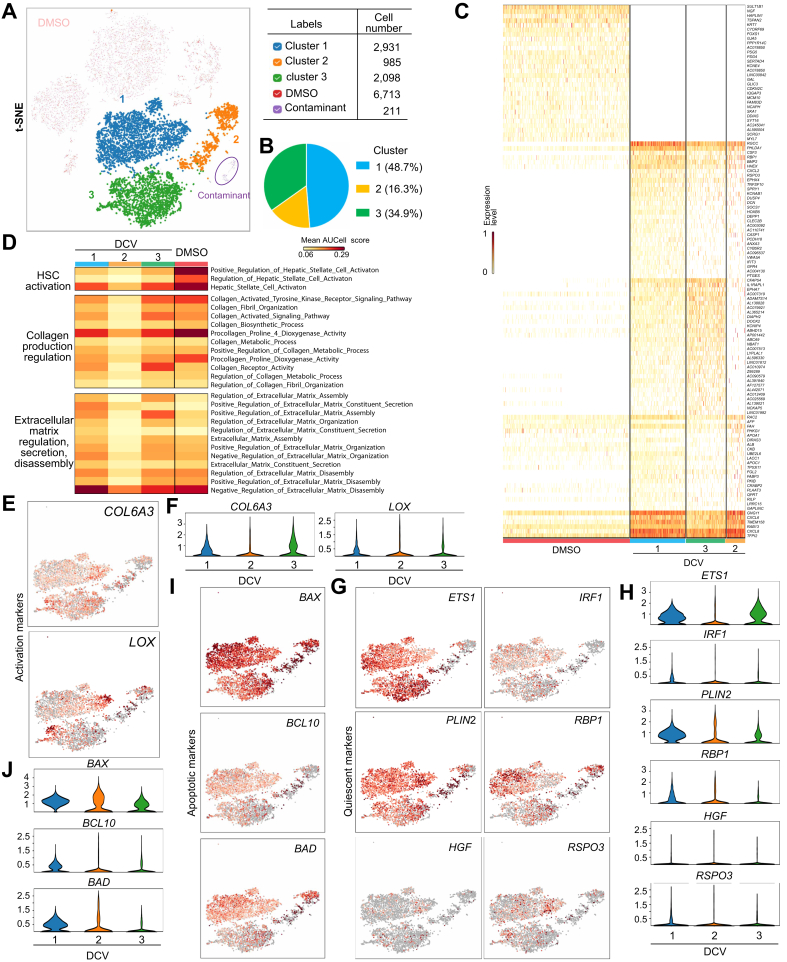 Figure 5
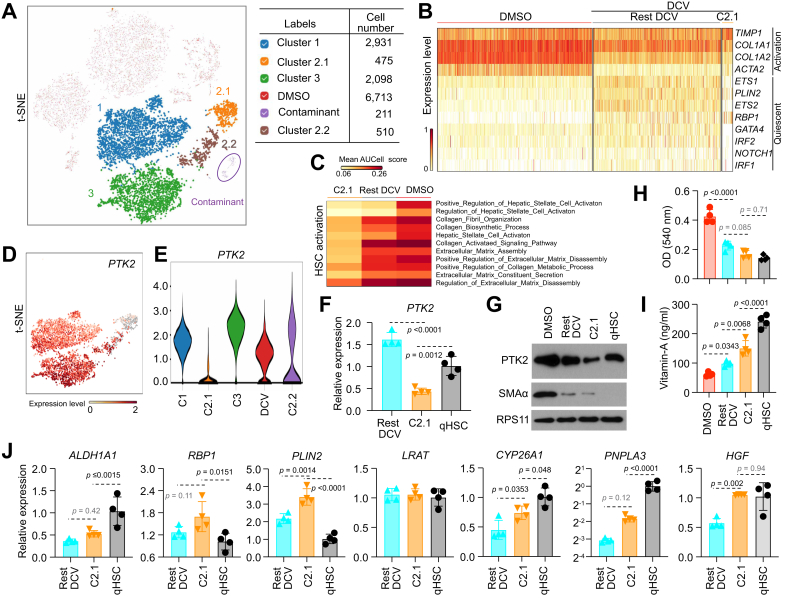 Figure 6
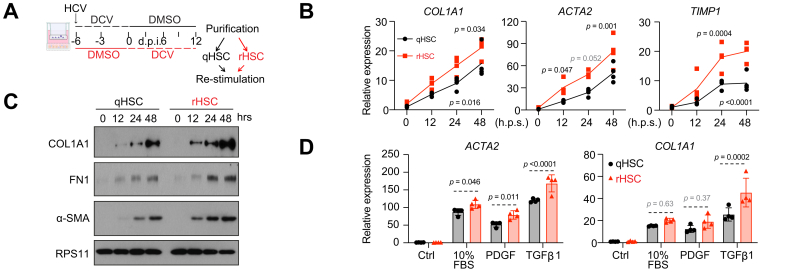 Figure 7
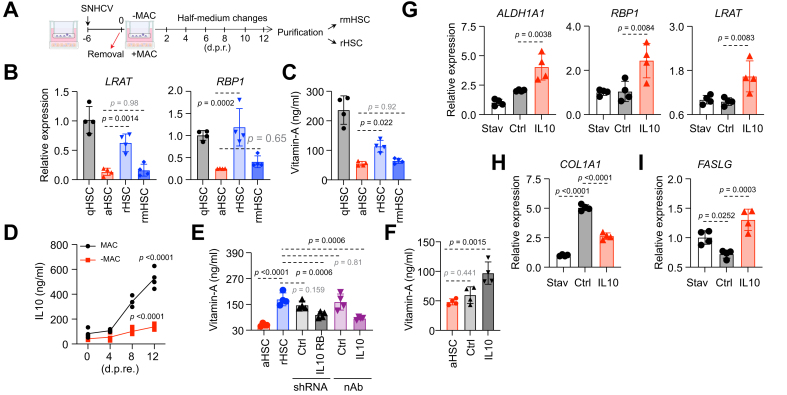 Figure 8
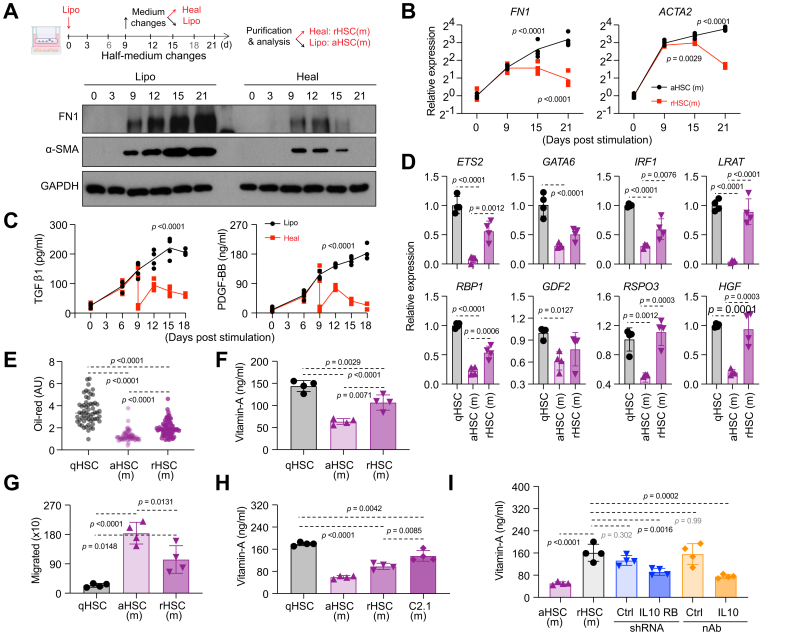 Figure 9
Peer Reviews
No public reviews on file for this paper yet. If you reviewed it on a platform where reviews are public (OpenReview, ICLR, NeurIPS, ICML), you can paste yours below so the community can read it here.
Videos
No videos yet. Explain this paper in a talk, walkthrough, or lecture? Add one.
Taxonomy
TopicsLiver physiology and pathology · Liver Diseases and Immunity · Cancer Cells and Metastasis