PKM2 inhibitor suppresses kidney fibrogenesis by disrupting YAP-TEAD-CCN2 transcriptional signaling following ischemia–reperfusion injury
Wakako Kosakai, Tsutomu Inoue, Tetsuya Sato, Hirokazu Okada

TL;DR
This study shows that inhibiting PKM2 can reduce kidney fibrosis by blocking a specific signaling pathway, offering a potential new treatment for chronic kidney disease.
Contribution
The study identifies PKM2 as a transcriptional cofactor promoting kidney fibrosis and demonstrates its inhibition as a therapeutic strategy.
Findings
Pharmacological inhibition of PKM2 reduces renal atrophy and fibrotic markers in mouse models.
PKM2 interacts with YAP and β-catenin to regulate fibrosis-related gene expression.
Compound 3k effectively inhibits PKM2 and YAP-TEAD signaling even when administered late.
Abstract
Fibrosis progressively impairs organ function and drives the progression of chronic kidney disease (CKD), for which effective targeted therapies are lacking. Although metabolic reprogramming toward glycolysis promotes fibrosis, the molecular link between metabolic shifts and transcriptional control in CKD and its therapeutic potential has not yet been established. In this study, we demonstrate that pyruvate kinase M2 (PKM2) orchestrates renal fibrosis via nuclear translocation and interaction with the Yes-associated protein (YAP) and beta-catenin (β-catenin) transcriptional networks. Using unilateral ischemia–reperfusion injury mouse models and human renal tubular epithelial cells, we revealed that pharmacological inhibition and genetic knockdown of PKM2 markedly attenuate renal atrophy and the expression of fibrotic markers, including cellular communication network factor 2.…
Genes, proteins, chemicals, diseases, species, mutations and cell lines named across the full text — each resolved to its canonical identifier and authoritative record.
Click any figure to enlarge with its caption.
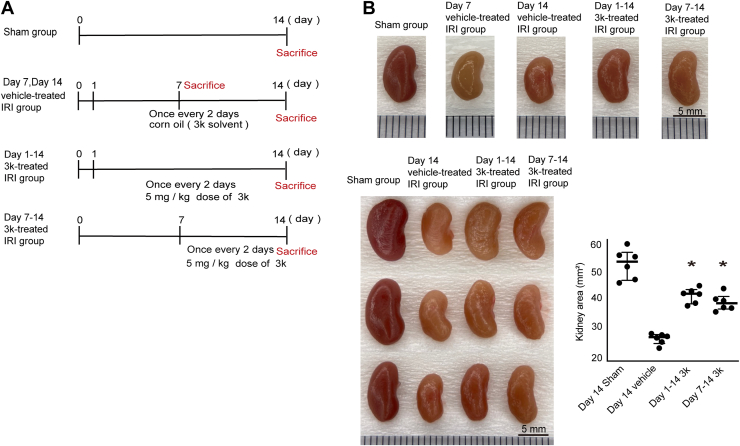 Figure 1
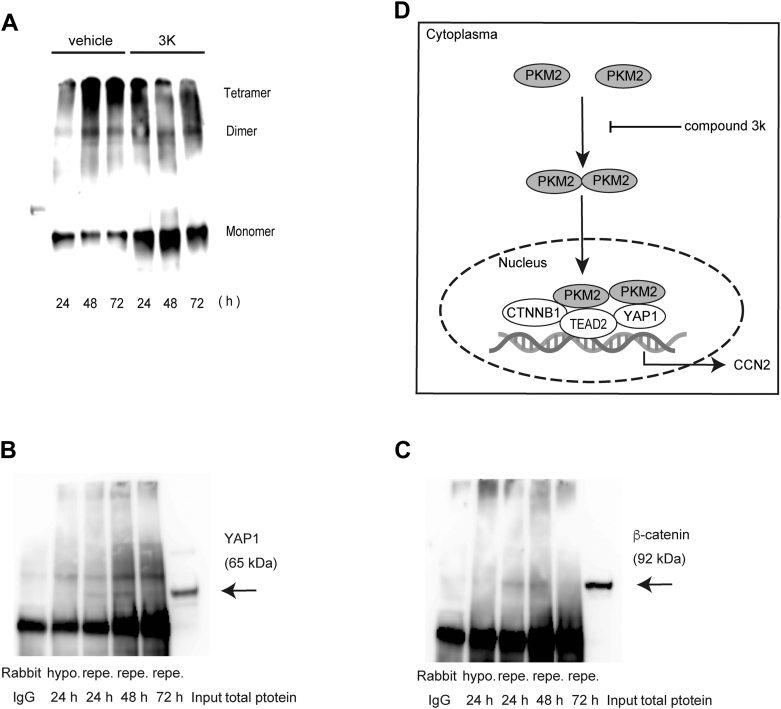 Figure 2
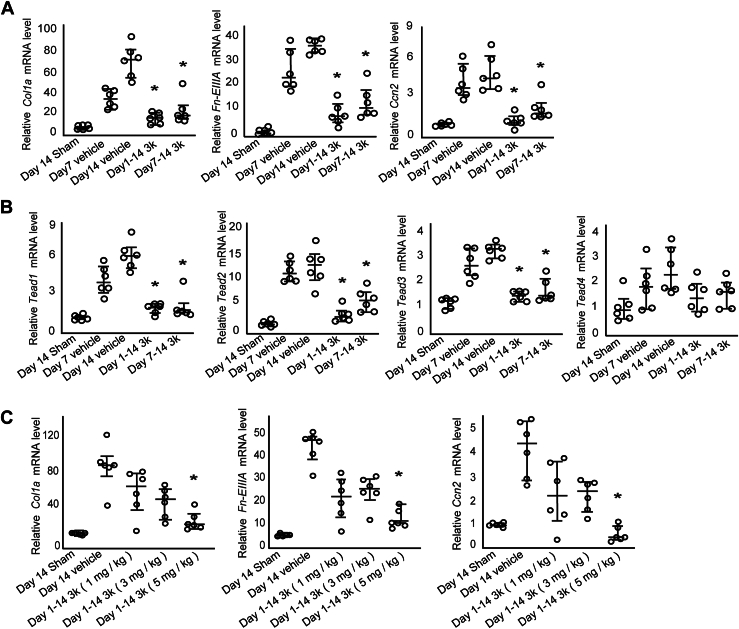 Figure 3
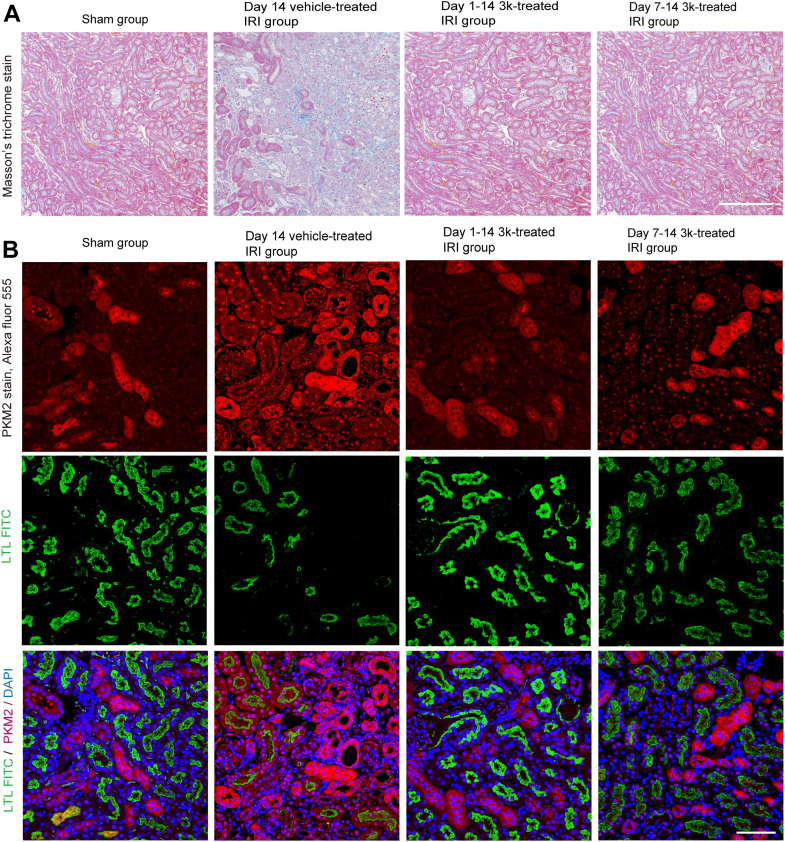 Figure 4
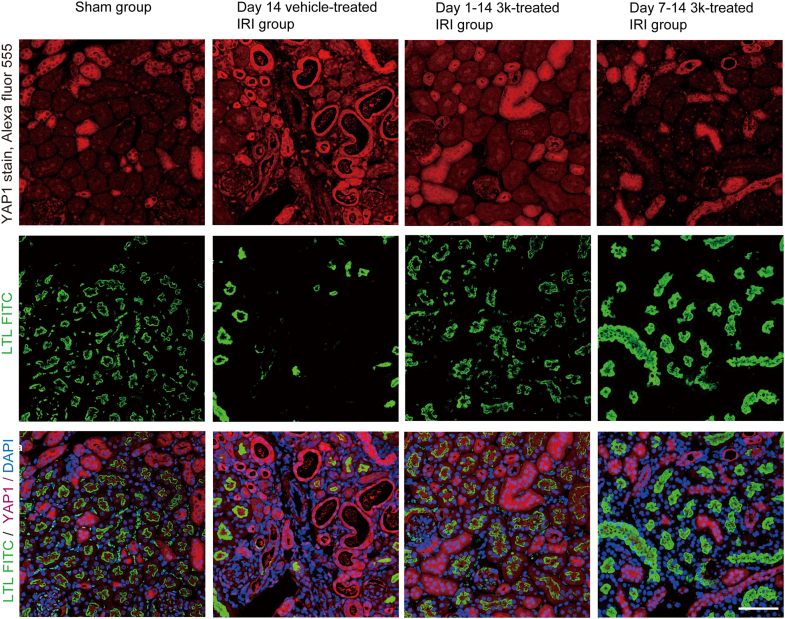 Figure 5
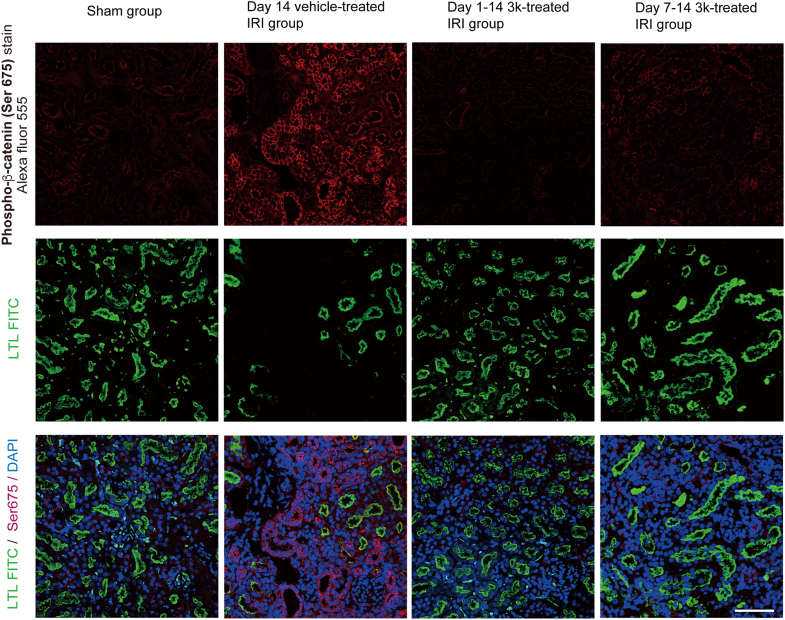 Figure 6
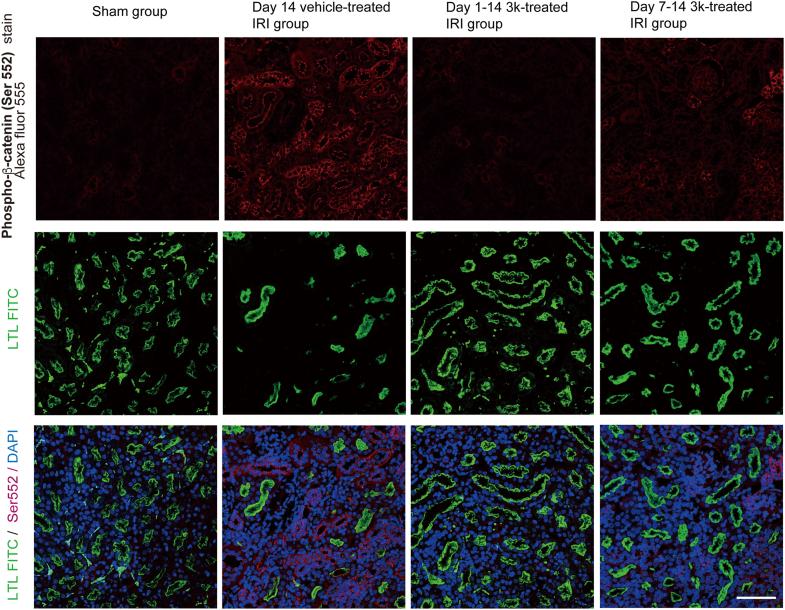 Figure 7
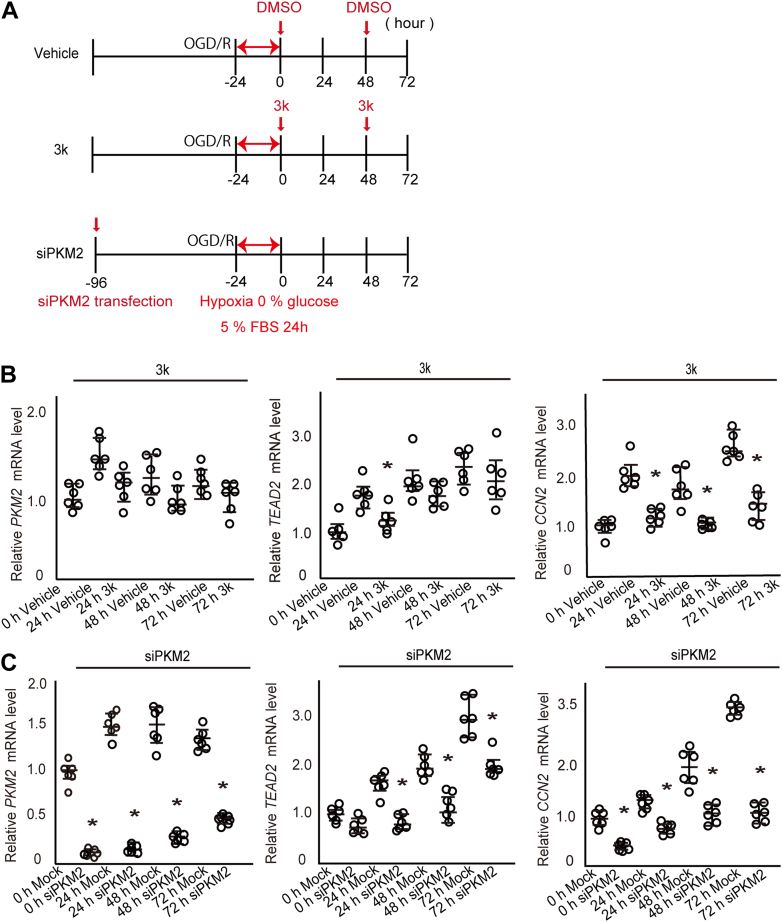 Figure 8
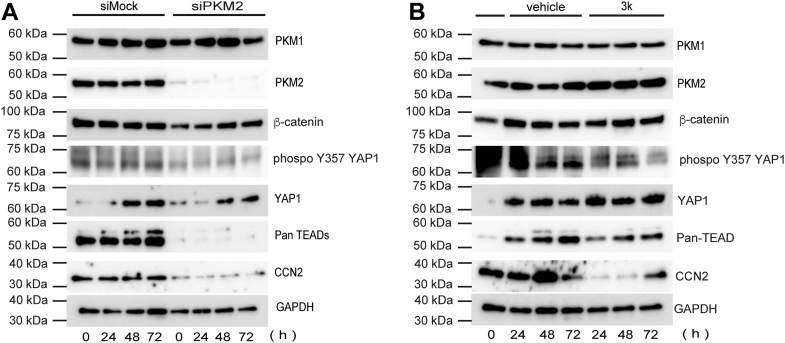 Figure 9
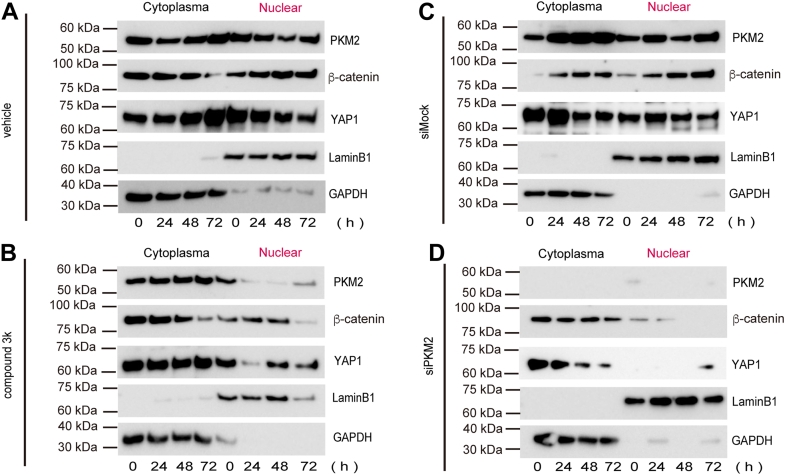 Figure 10
Peer Reviews
No public reviews on file for this paper yet. If you reviewed it on a platform where reviews are public (OpenReview, ICLR, NeurIPS, ICML), you can paste yours below so the community can read it here.
Videos
No videos yet. Explain this paper in a talk, walkthrough, or lecture? Add one.
Taxonomy
TopicsHippo pathway signaling and YAP/TAZ · Chronic Kidney Disease and Diabetes · Renal and related cancers