Epitope analysis of an anti-mouse CCR1 monoclonal antibody S15040E using flow cytometry
Ayaka Okada, Hiroyuki Suzuki, Takao Arimori, Tomohiro Tanaka, Mika K. Kaneko, Yukinari Kato

TL;DR
This study identifies the specific region on the mouse CCR1 protein that a monoclonal antibody binds to, which could help in understanding immune cell functions and developing new therapies.
Contribution
The study identifies the conformational epitope and key amino acids in ECL2 of mCCR1 recognized by the monoclonal antibody S15040E.
Findings
S15040E recognizes the extracellular loop 2 (ECL2, aa 172–197) of mouse CCR1.
Trp176, Phe178, and Arg181 are essential for antibody recognition.
S15040E may aid in structural analysis of mouse CCR1 to understand its function.
Abstract
The C–C motif chemokine receptor 1 (CCR1) is widely expressed in various immune cells and plays crucial roles in the maturation and migration of immune cells. CCR1 has been considered an attractive drug target for treating autoimmune diseases and tumors. An anti-mouse CCR1 (mCCR1) monoclonal antibody (clone S15040E) has been used in various in vivo studies to identify mCCR1-positive cells by flow cytometry. However, the binding epitope has not been determined. This study investigated the binding epitope of S15040E using flow cytometry. The mCCR1 extracellular domain-substituted mutant analysis showed that S15040E recognizes the extracellular loop 2 (ECL2, aa 172–197) of mCCR1. Next, alanine (or glycine) scanning was conducted in the ECL2 region. The results revealed that Trp176, Phe178, and Arg181 are essential amino acids for the recognition by S15040E. These results showed the…
Genes, proteins, chemicals, diseases, species, mutations and cell lines named across the full text — each resolved to its canonical identifier and authoritative record.
Click any figure to enlarge with its caption.
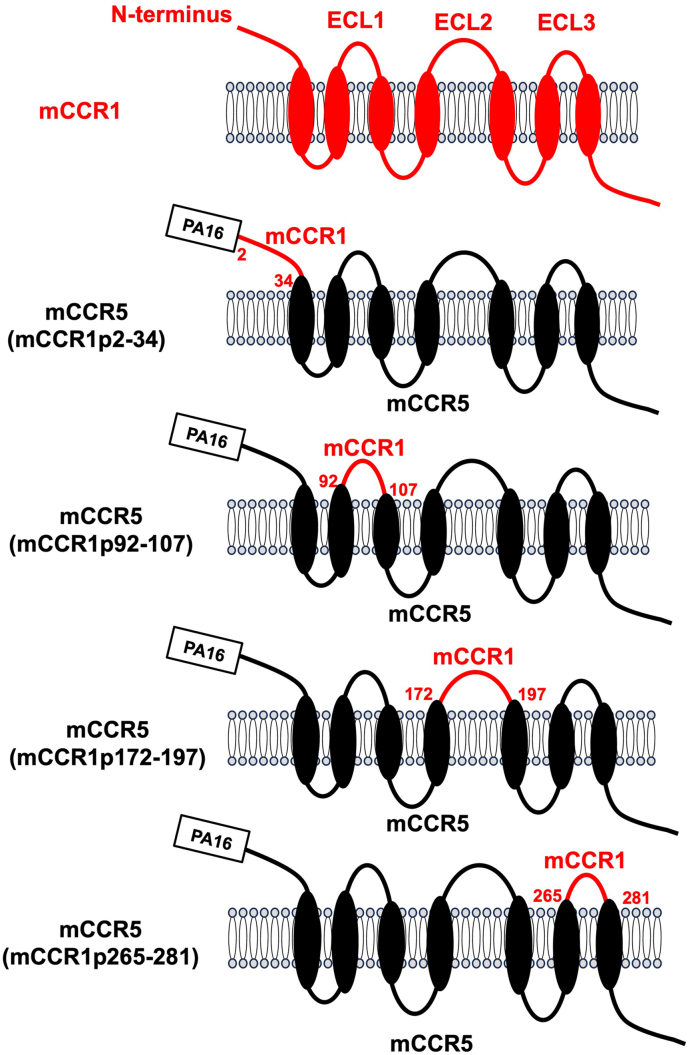 Figure 1
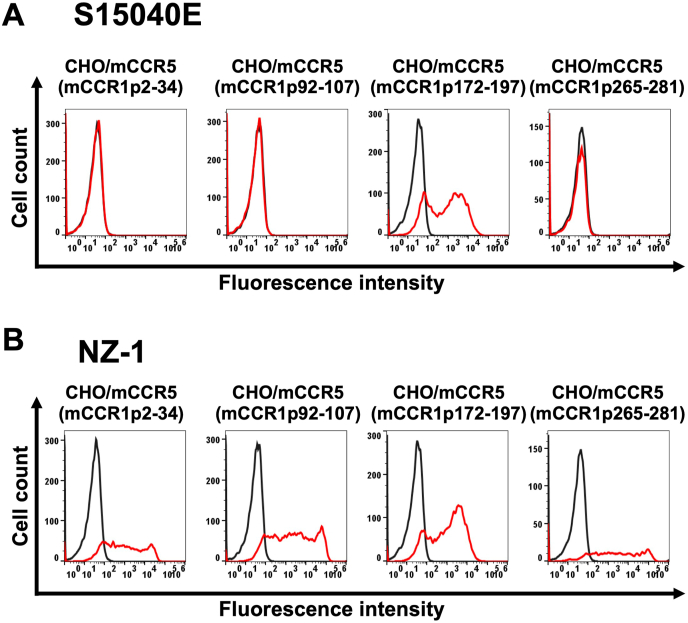 Figure 2
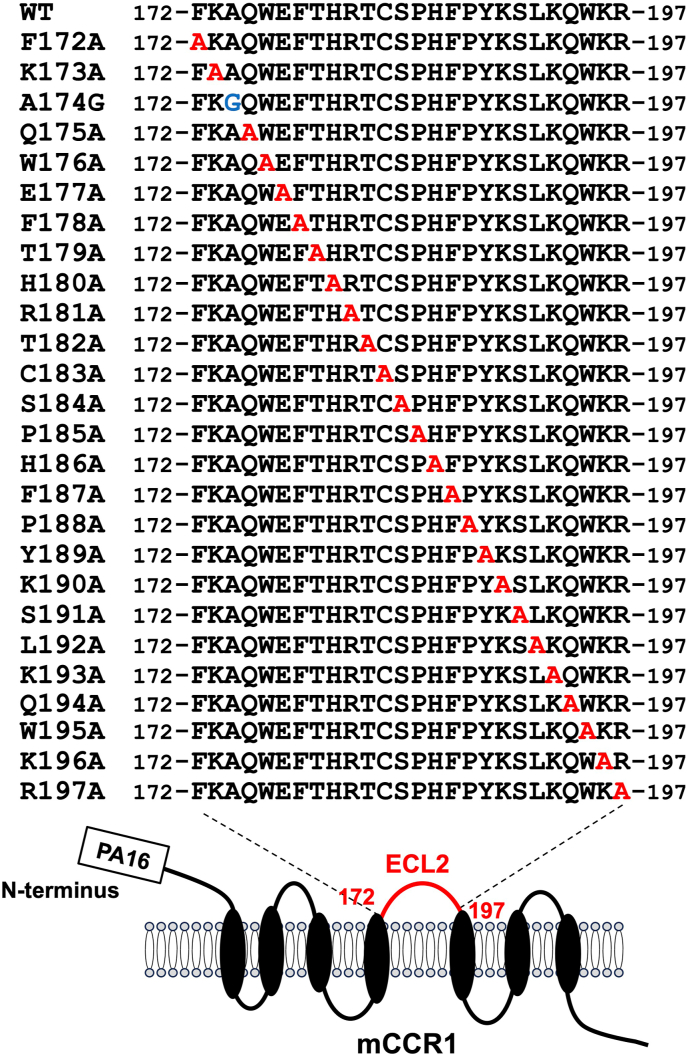 Figure 3
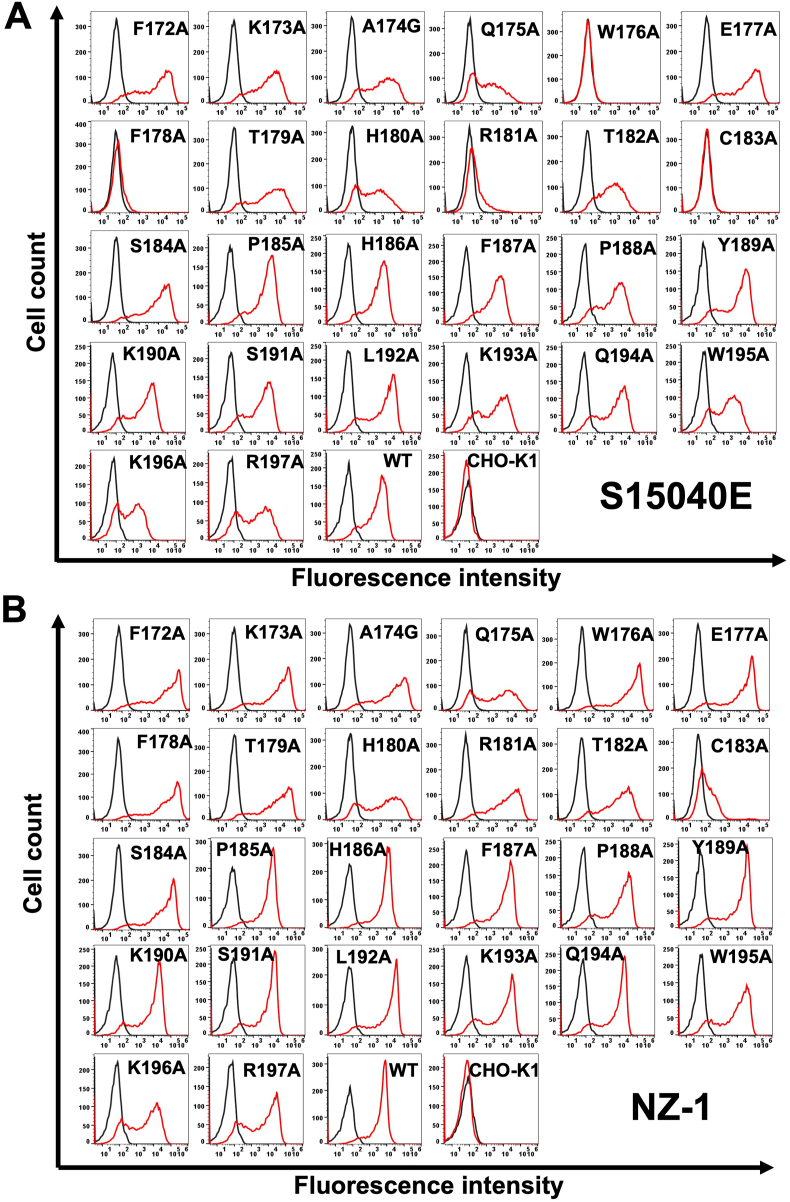 Figure 4
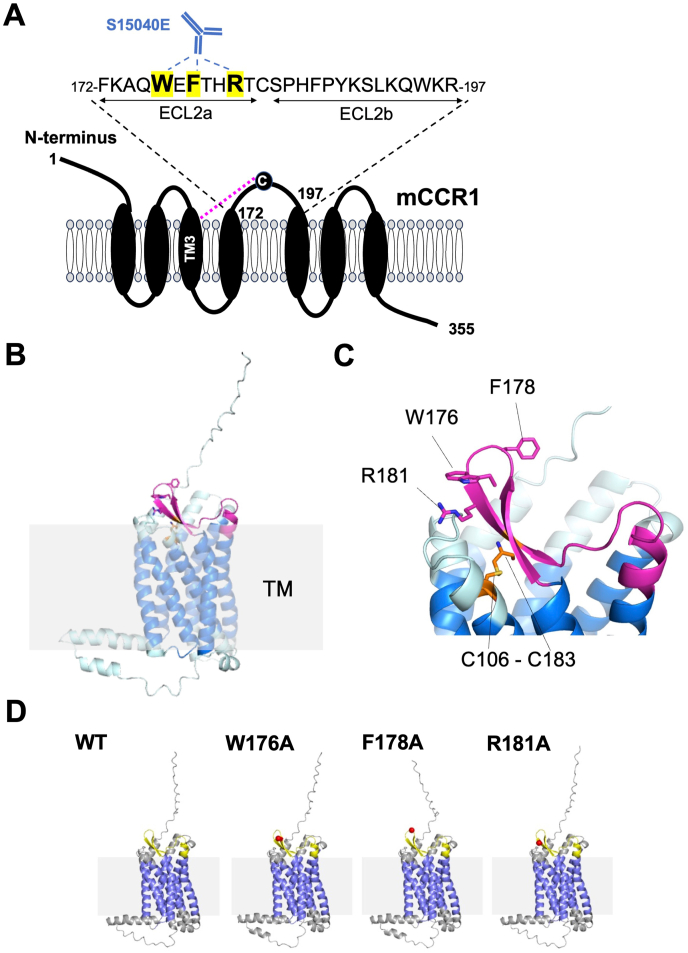 Figure 5
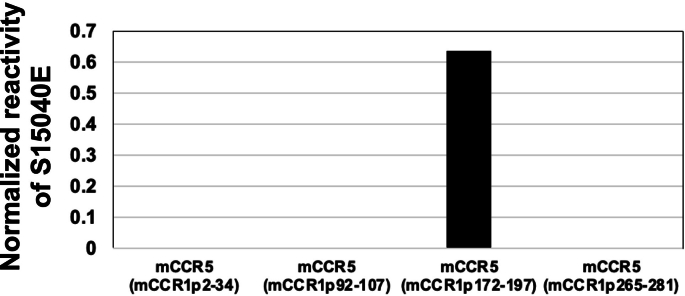 Figure 6
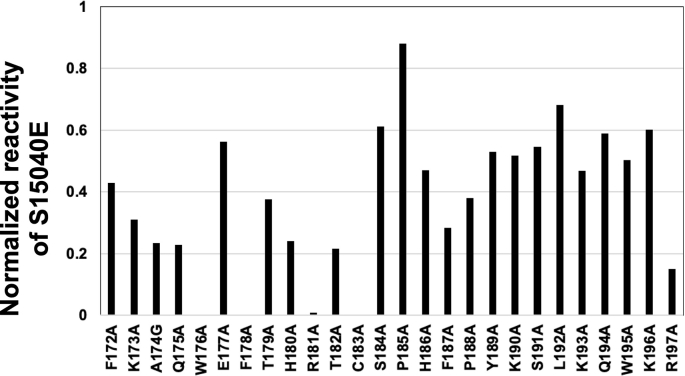 Figure 7
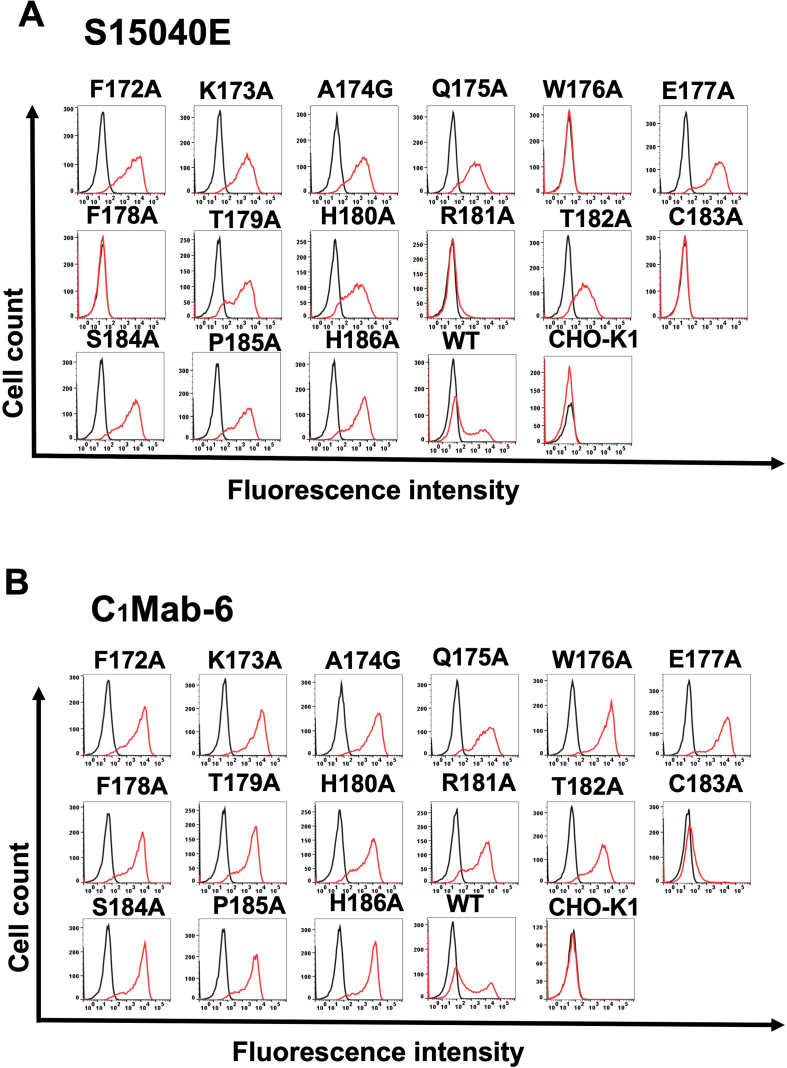 Figure 8
Peer Reviews
No public reviews on file for this paper yet. If you reviewed it on a platform where reviews are public (OpenReview, ICLR, NeurIPS, ICML), you can paste yours below so the community can read it here.
Videos
No videos yet. Explain this paper in a talk, walkthrough, or lecture? Add one.
Taxonomy
TopicsGeochemistry and Geologic Mapping · Geological Modeling and Analysis · Seismic Imaging and Inversion Techniques