The Ongoing Utility of lipoprotein lipase activity in diagnosing familial Chylomicronemia Syndrome
Gregorio Fariña, Magalí Barchuk, Amira Sleiman, Alejandro Castellanos Pinedo, Johnayro Gutierrez Restrepo, Valeria Zago, Juan Patricio Nogueira, Gabriela Berg

TL;DR
This study shows that measuring lipoprotein lipase activity can help diagnose a rare genetic disorder called Familial Chylomicronemia Syndrome, especially when genetic tests are unclear.
Contribution
The study establishes a specific cut-off for lipoprotein lipase activity to differentiate between two types of chylomicronemia syndrome.
Findings
A LPL activity cut-off of 25% of the median of normotriglyceridemic controls effectively identifies FCS patients.
LPL activity aids diagnosis when genetic results are inconclusive.
Specialized lab support is crucial for accurate FCS diagnosis.
Abstract
Given that lipoprotein lipase (LPL) activity assays are not standardized for clinical use, we aimed to define reference values applicable to our clinical setting and identify a cut-off point to help distinguish Familial Chylomicronemia Syndrome from Multifactorial Chylomicronemia Syndrome, particularly in patients with inconclusive genetic findings. We evaluated 28 patients with a history of TG levels above 880 mg/dL (10 mmol/L), and assessed their likelihood of FCS using the Moulin score. LPL activity was measured in post-heparin plasma using a radiometric assay. Thirty normotriglyceridemic controls were used to define reference values. Genetic testing for FCS canonical genes and lipid profile was performed in all sHTG patients. The reference value for LPL activity was 33.3 (18.7–70.3) mIU, with a cut-off of 8.42 mIU (25 % of the median of NTG) to distinguish FCS from MCS. Eighteen…
Genes, proteins, chemicals, diseases, species, mutations and cell lines named across the full text — each resolved to its canonical identifier and authoritative record.
Click any figure to enlarge with its caption.
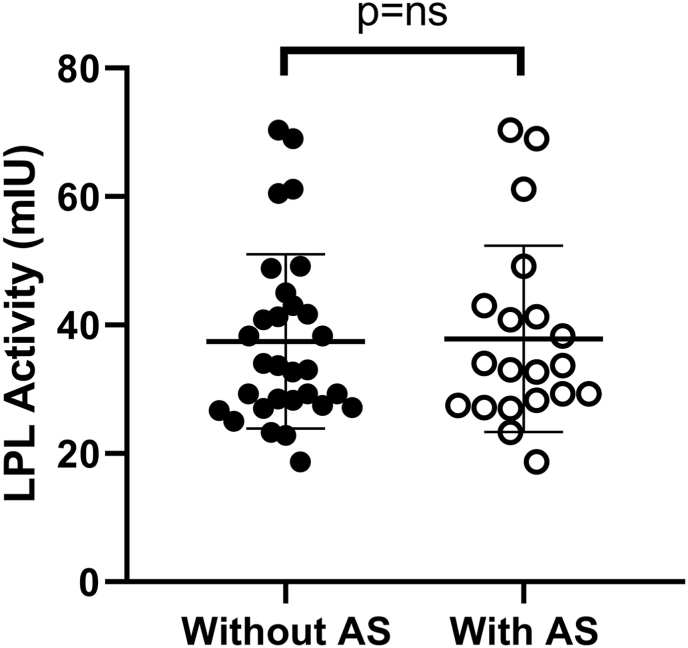 Figure 1
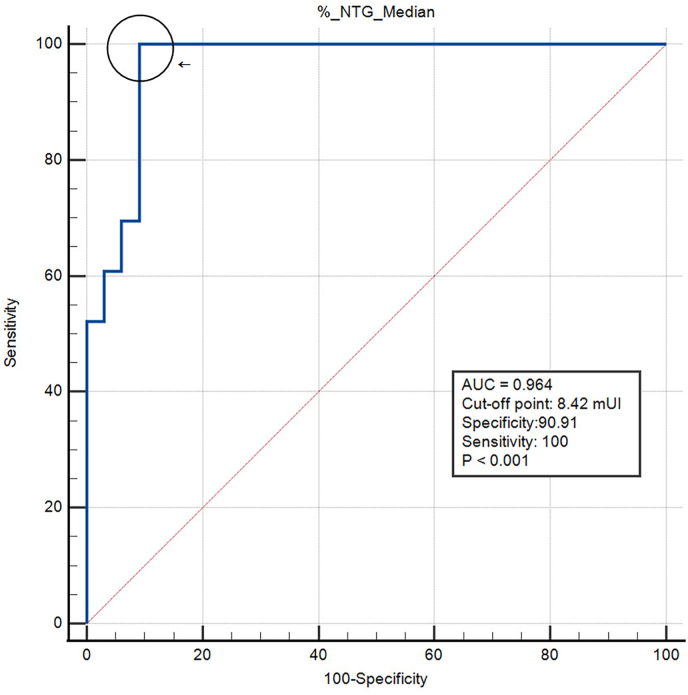 Figure 2
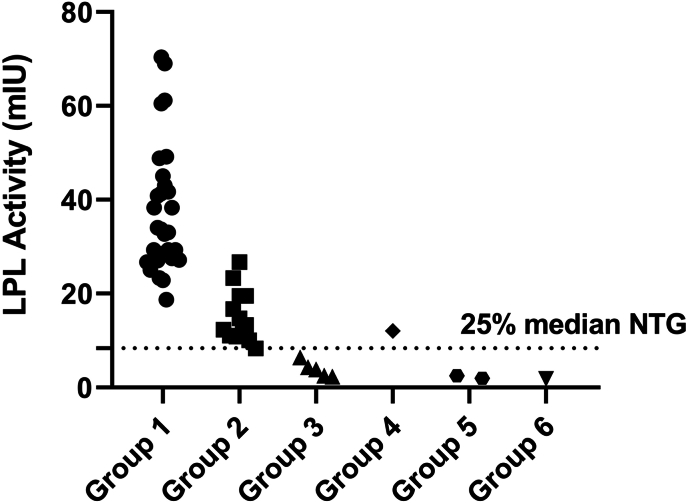 Figure 3
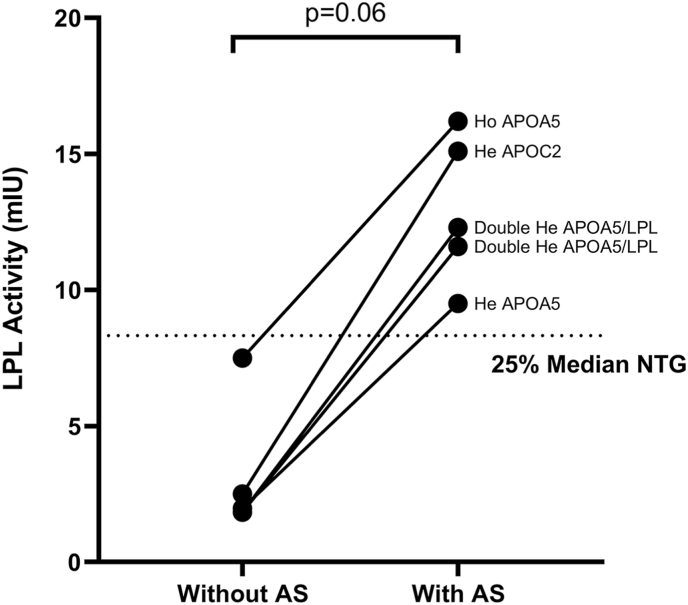 Figure 4
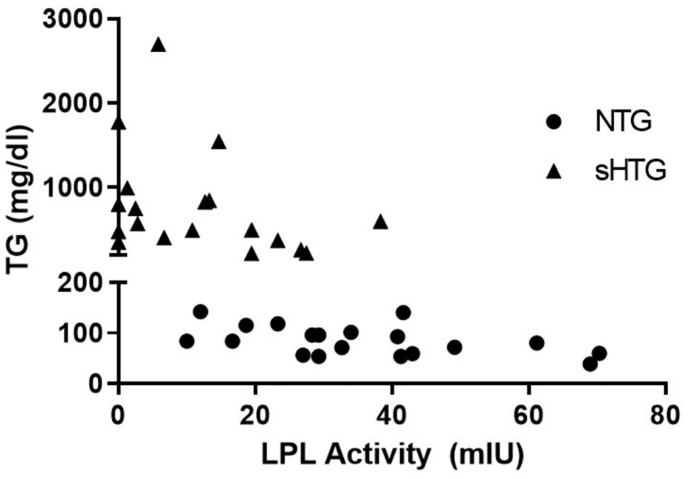 Figure 5
Peer Reviews
No public reviews on file for this paper yet. If you reviewed it on a platform where reviews are public (OpenReview, ICLR, NeurIPS, ICML), you can paste yours below so the community can read it here.
Videos
No videos yet. Explain this paper in a talk, walkthrough, or lecture? Add one.
Taxonomy
TopicsLipid metabolism and disorders · Metabolism, Diabetes, and Cancer · Diabetes, Cardiovascular Risks, and Lipoproteins