Differentiation Treatment Applied to Lung Cancer Model Reduces Pathogenic Traits in Vitro
Alice Grossi, Paola Fulghieri, Abdurakhmon Aduvaliev, Karen Soffiantini, Irene Oldrati, Margherita Cavallo, Marco Biggiogera, Giorgia Pellavio, Umberto Laforenza, Monica Savio, Virginie Sottile

TL;DR
Treating lung cancer cells with a differentiation medium reduces their aggressive traits, suggesting a potential new therapy for lung cancer.
Contribution
Demonstrates that pro-differentiation treatment reduces pathogenic traits in a lung cancer model in vitro.
Findings
DM treatment significantly reduced proliferation, migration, and clonogenic ability of A549 cells.
Stemness markers like SOX2, NANOG, CD44, and ABCG2 were downregulated after DM exposure.
Adhesion properties and alveolar features increased, indicating a less aggressive cancer cell phenotype.
Abstract
Non‐small cell lung cancer (NSCLC) relapse after therapy is linked to the high aggressiveness, chemoresistance and metastatic potential of tumor cells due, in part, to the presence of cancer stem cells (CSCs). Pro‐differentiation approaches have shown promising results for leukemia and in some solid cancer models, offering a possibility to enhance current anti‐cancer therapies. Here, the human NSCLC line A549 is exposed to a serum‐containing medium supplemented with pro‐differentiation factors (DM), and effects on the cells’ proliferation, migration and adhesion properties are assessed in vitro, alongside CSC marker expression analyzed after treatment in 2D or 3D culture conditions. A549 cells exposed to DM exhibited notable morphological changes, with significant increase in cellular footprint and vesicle accumulation. These phenotypic alterations coincided with significant inhibition…
Genes, proteins, chemicals, diseases, species, mutations and cell lines named across the full text — each resolved to its canonical identifier and authoritative record.
Click any figure to enlarge with its caption.
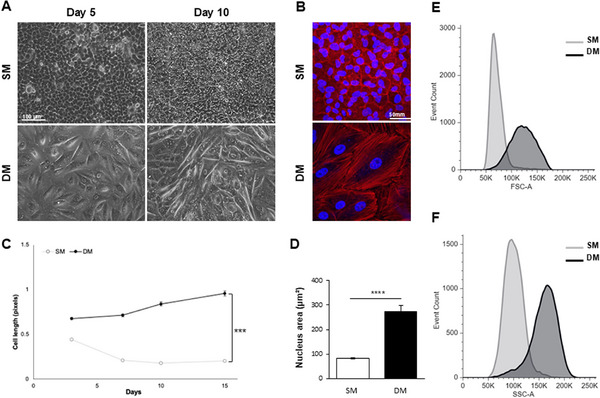 Figure 1
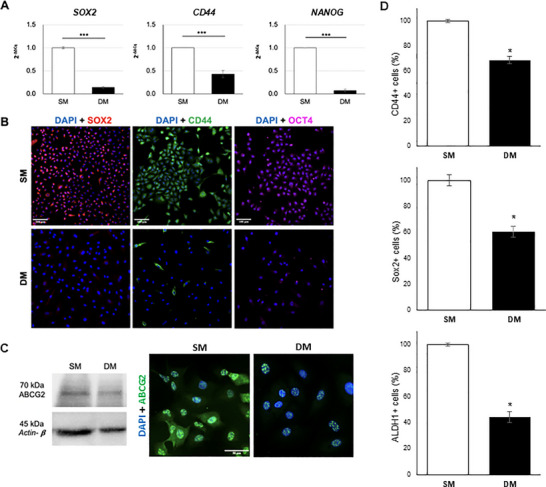 Figure 2
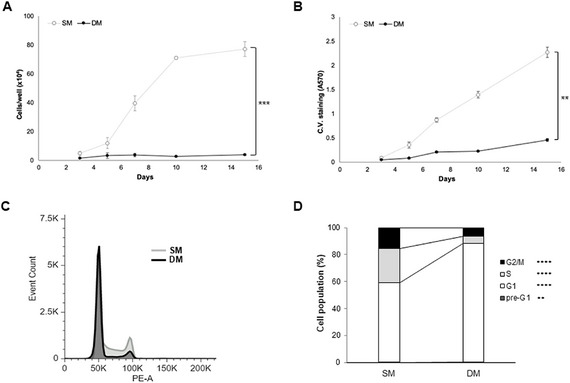 Figure 3
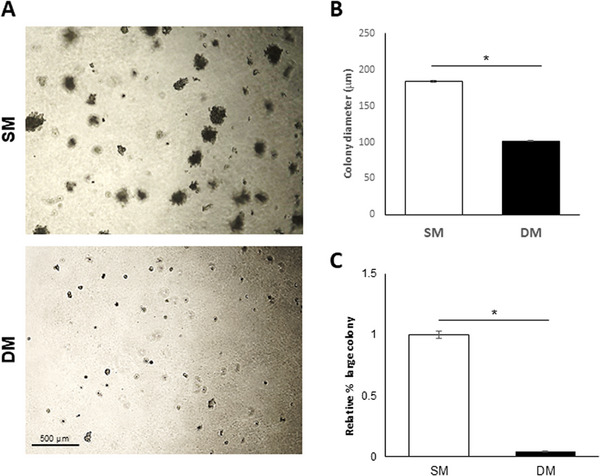 Figure 4
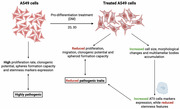 Figure 5
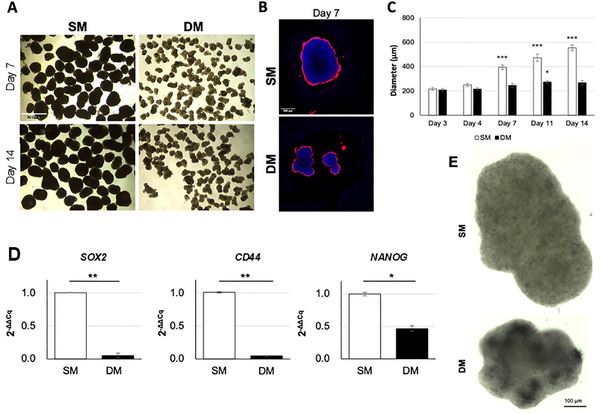 Figure 6
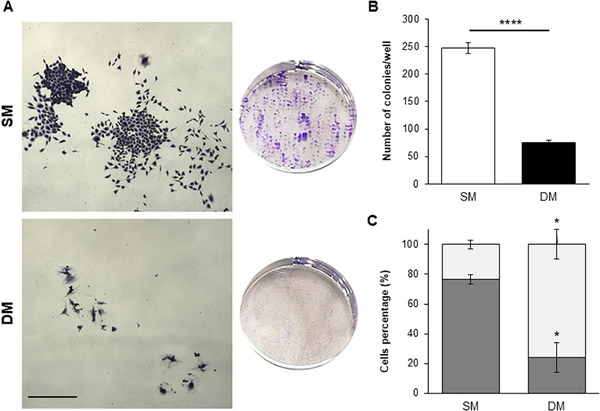 Figure 7
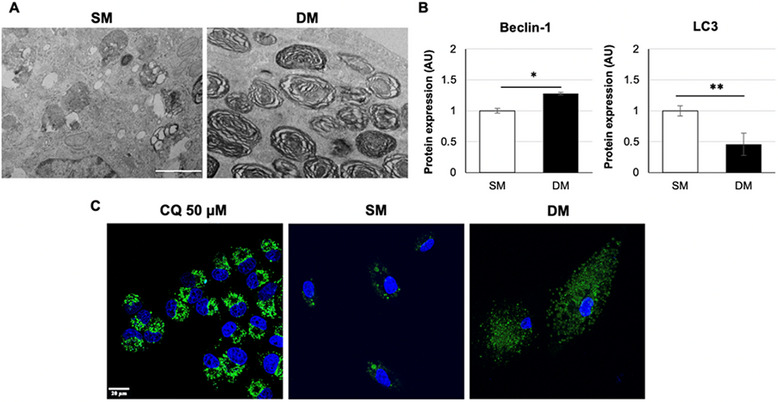 Figure 8
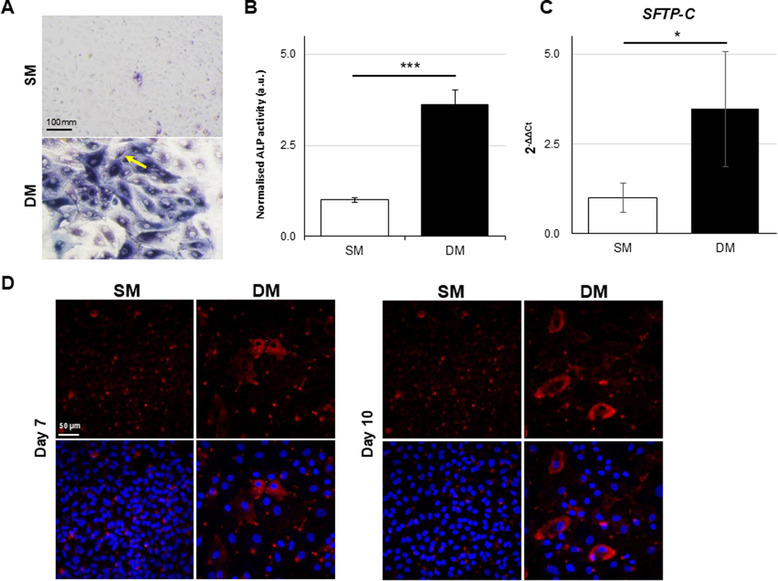 Figure 9
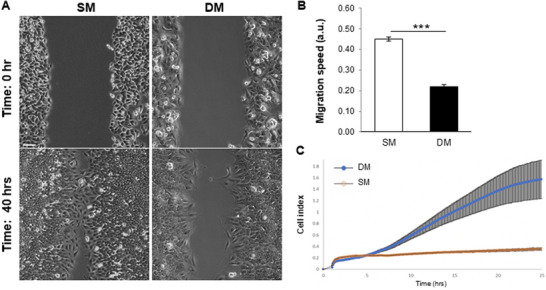 Figure 10
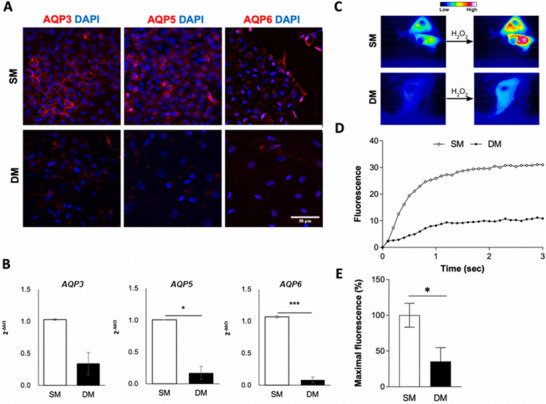 Figure 11
Peer Reviews
No public reviews on file for this paper yet. If you reviewed it on a platform where reviews are public (OpenReview, ICLR, NeurIPS, ICML), you can paste yours below so the community can read it here.
Videos
No videos yet. Explain this paper in a talk, walkthrough, or lecture? Add one.
Taxonomy
TopicsCancer Cells and Metastasis · Glycosylation and Glycoproteins Research · Proteoglycans and glycosaminoglycans research