Comparative phylomitogenomic analyses provide insights into adaptation and carcinization in Anomura
Hee-seung Hwang, Jibom Jung

TL;DR
This study uses mitochondrial genomes to explore the evolution and adaptation of Anomura crustaceans, linking environmental changes to their diversification and carcinization.
Contribution
The study provides new insights into Anomura phylogeny and the role of mitochondrial genome evolution in adaptation and carcinization.
Findings
More than half of the tRNA genes in Anomura mitochondrial genomes adopt atypical cloverleaf forms.
Environmental changes during the Eocene–Oligocene transition correlate with Anomura diversification and adaptive evolution.
Conserved repeat structures in the mitochondrial control region suggest links to depth-dependent adaptation and carcinization.
Abstract
Anomura is a morphologically and ecologically diverse infraorder of decapod crustaceans, yet its evolutionary and phylogenetic patterns remain underexplored using mitochondrial genome-based approaches, particularly regarding adaptive evolution across diverse environments. Here, we present a comprehensive phylogenomic analysis of 42 anomuran mitochondrial genomes, including three newly sequenced species: two intertidal Hapalogastrinae (Hapalogaster dentata and Oedignathus inermis) and one deep-sea pagurid (Pagurus rathbuni). The arrangement of protein-coding genes was identical to that reported in previously studied Lithodidae and Paguridae species; however, several tRNA genes exhibited translocations. Moreover, more than half of the 22 tRNA genes were predicted to adopt atypical cloverleaf form, and all protein-coding genes were under purifying selection. In addition, analysis of the…
Genes, proteins, chemicals, diseases, species, mutations and cell lines named across the full text — each resolved to its canonical identifier and authoritative record.
Click any figure to enlarge with its caption.
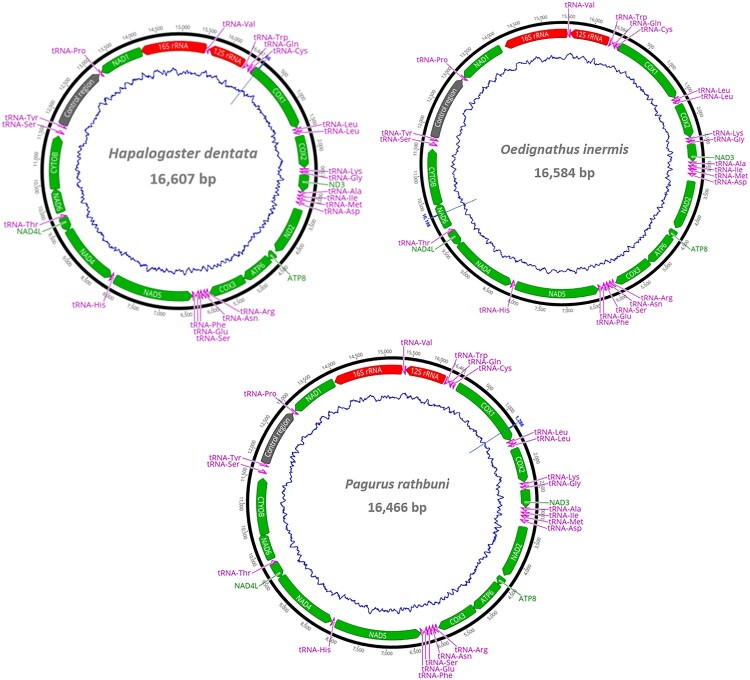 Figure 1
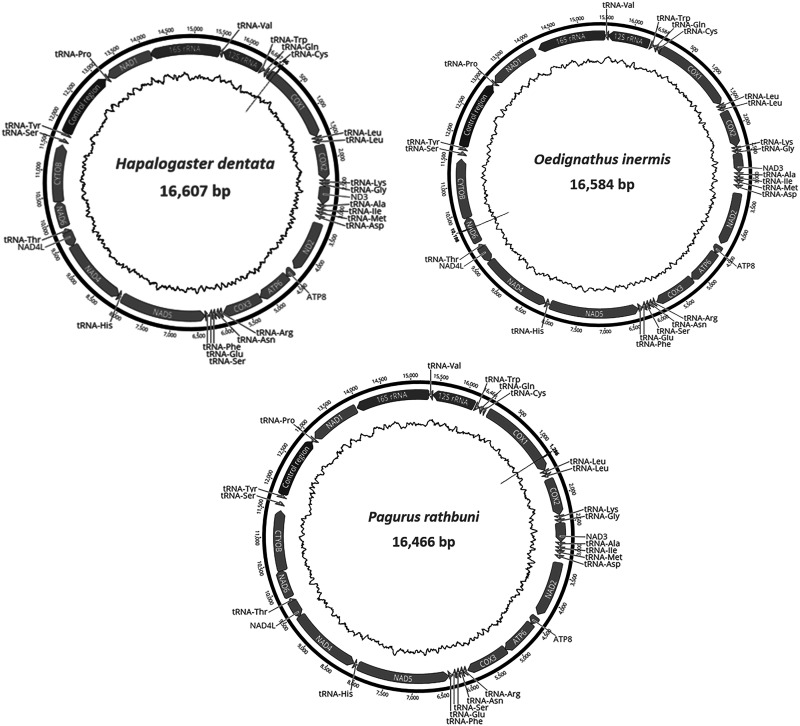 Figure 2
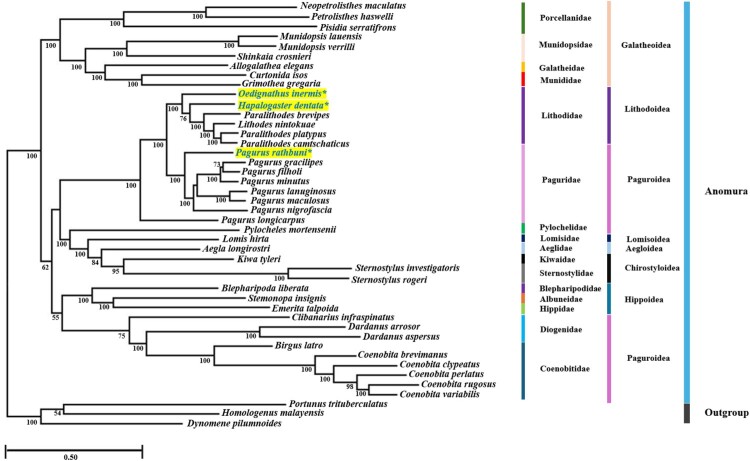 Figure 3
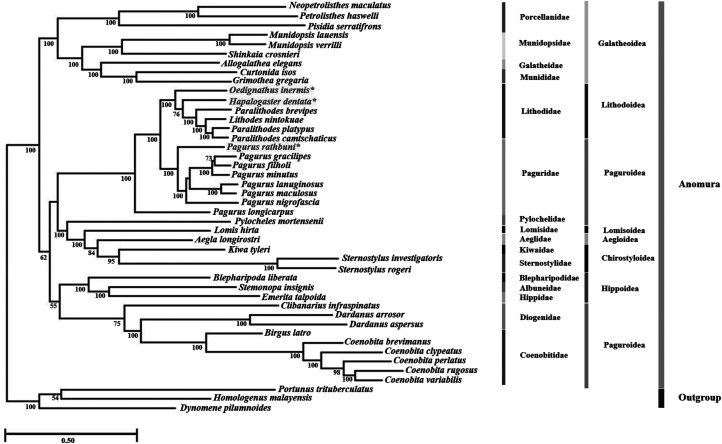 Figure 4
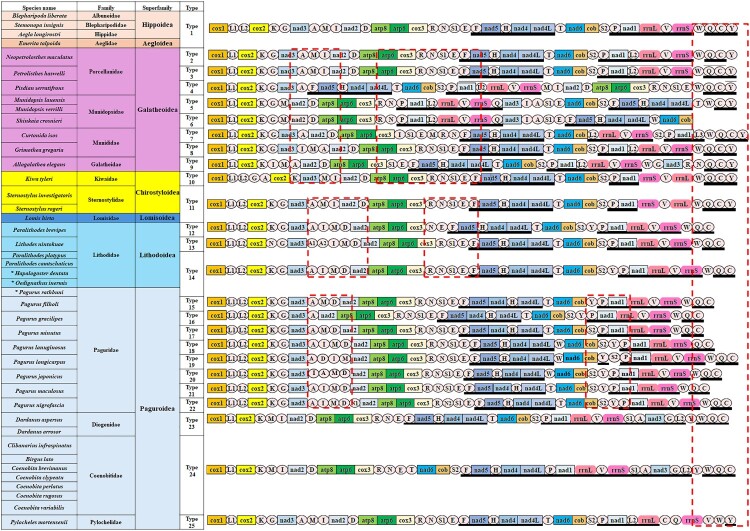 Figure 5
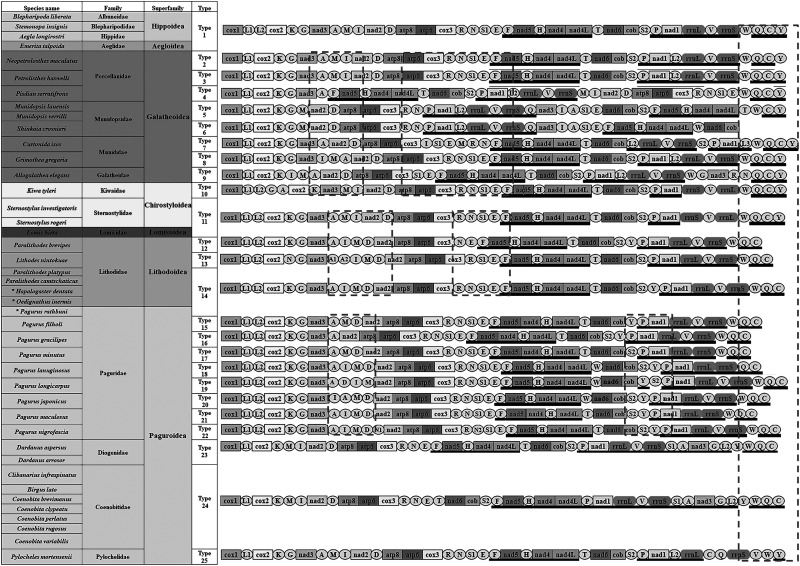 Figure 6
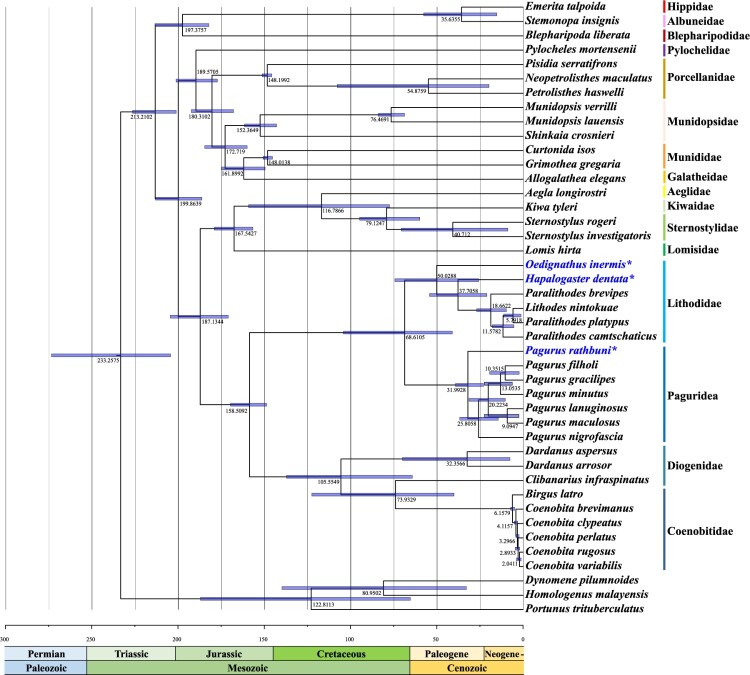 Figure 7
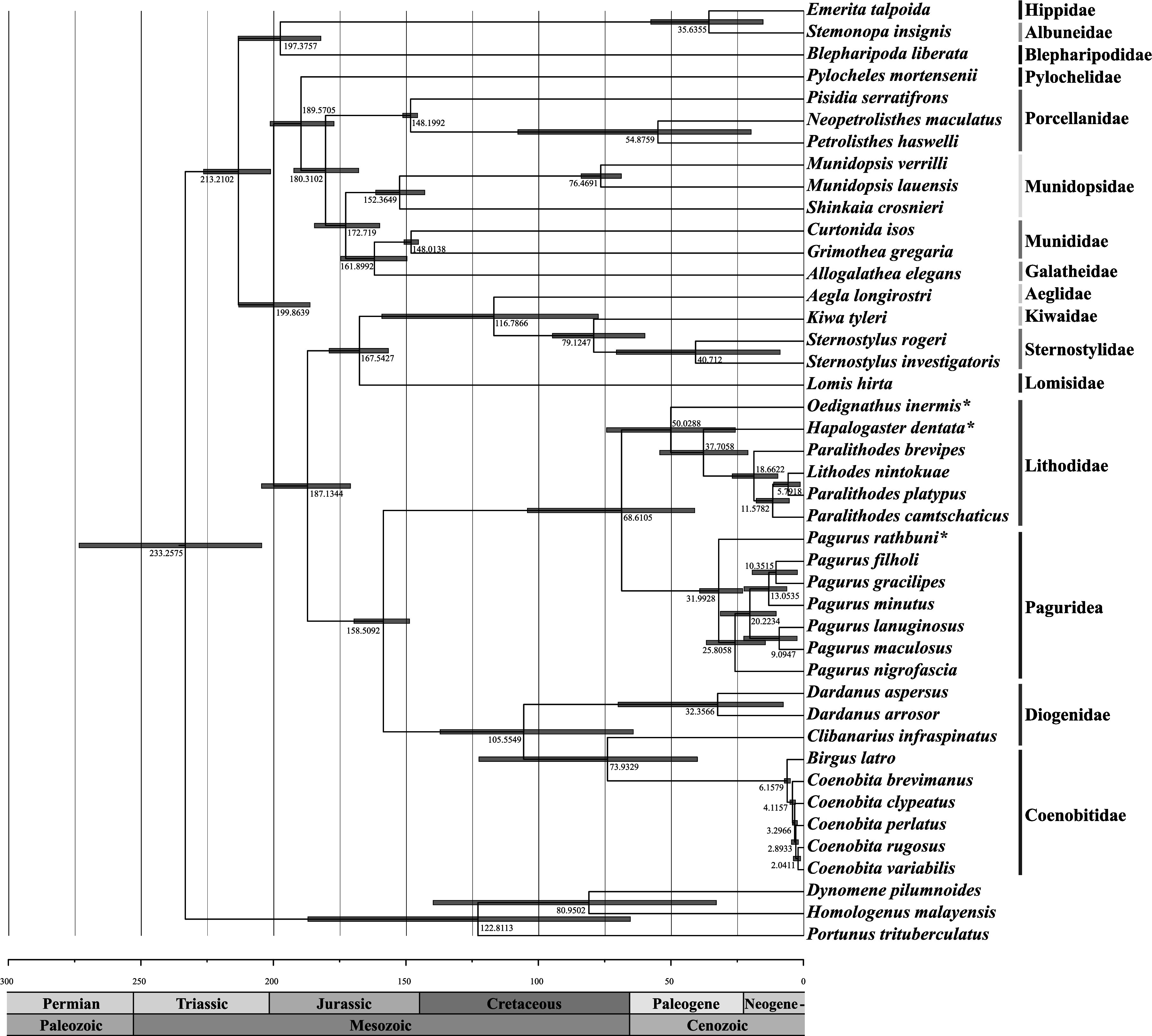 Figure 8
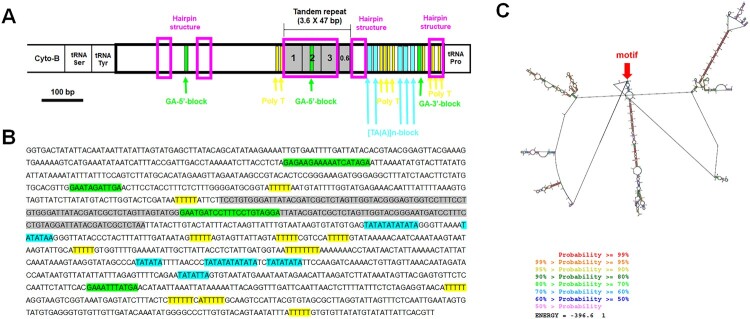 Figure 9
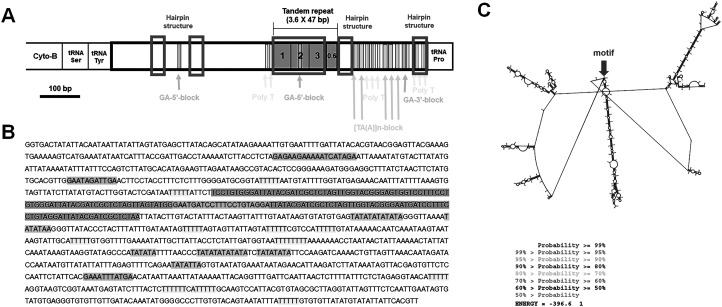 Figure 10
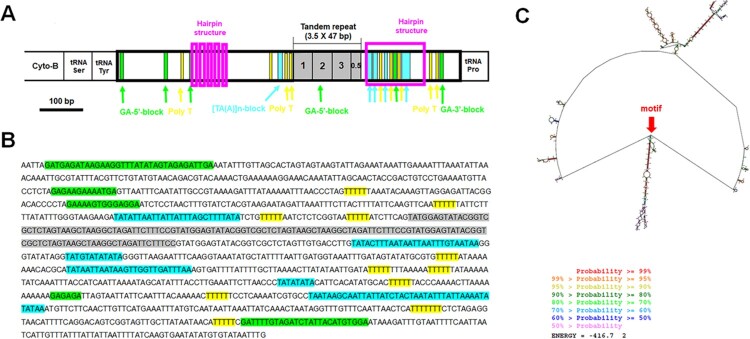 Figure 11
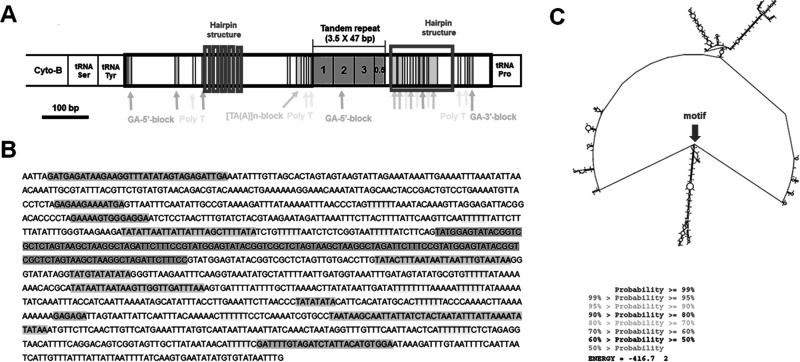 Figure 12
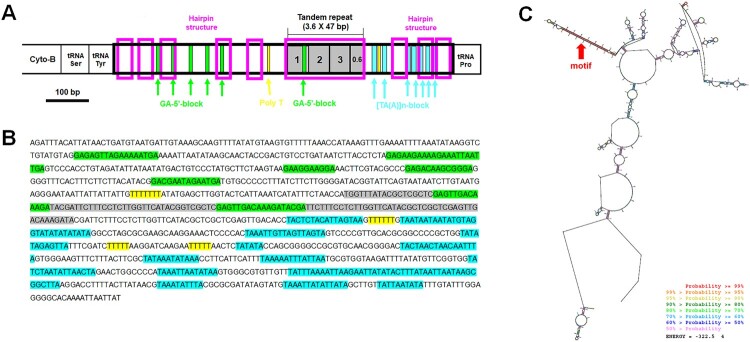 Figure 13
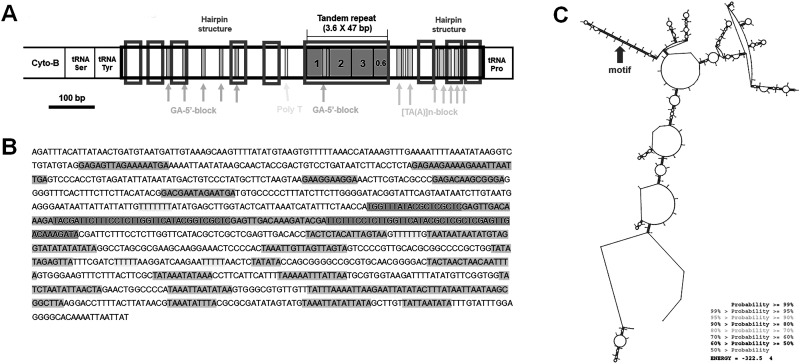 Figure 14
Peer Reviews
No public reviews on file for this paper yet. If you reviewed it on a platform where reviews are public (OpenReview, ICLR, NeurIPS, ICML), you can paste yours below so the community can read it here.
Videos
No videos yet. Explain this paper in a talk, walkthrough, or lecture? Add one.
Taxonomy
TopicsCrustacean biology and ecology · Subterranean biodiversity and taxonomy · Marine Sponges and Natural Products