Tramadol induced hypoxia signaling and paraptosis-like cell death in breast cancer cells via HIF-1α and ATF4 dependent pathways
Zih-Syuan Wu, Shih-Ming Huang, Yi-Hsuan Huang

TL;DR
Tramadol, a painkiller, kills breast cancer cells by triggering hypoxia and paraptosis-like cell death through HIF-1α and ATF4 pathways.
Contribution
The study reveals a novel mechanism of tramadol-induced cell death in breast cancer via HIF-1α and ATF4 pathways.
Findings
Tramadol stabilizes HIF-1α and activates hypoxia-responsive genes under normoxic conditions.
Tramadol causes ER stress and mitochondrial dysfunction, leading to paraptosis-like cell death.
Knockout of HIF-1α or ATF4 reduces tramadol's cytotoxic effects, confirming their essential roles.
Abstract
Tramadol, a clinically approved analgesic widely used for managing postoperative pain, has recently been shown to possess anticancer properties in several tumor models, especially in breast cancer. In this study, we explored the intricate molecular mechanisms by which tramadol induces cytotoxicity in breast cancer cell lines. Two invasive ductal carcinoma lines MCF-7 and MDA-MB-231 were used to verify the molecular cytotoxicity of tramadol using cell viability analysis, flow cytometry analysis, real-time polymerase chain reaction, western blotting, Seahorse biogenetic, and transmission electron microscopy analyses. Our findings demonstrate that tramadol induces the normoxic stabilization and nuclear translocation of hypoxia-inducible factor- 1 alpha (HIF-1α) to activate hypoxia responsive genes. Concurrently, tramadol triggers endoplasmic reticulum (ER) stress and activates the…
Genes, proteins, chemicals, diseases, species, mutations and cell lines named across the full text — each resolved to its canonical identifier and authoritative record.
Click any figure to enlarge with its caption.
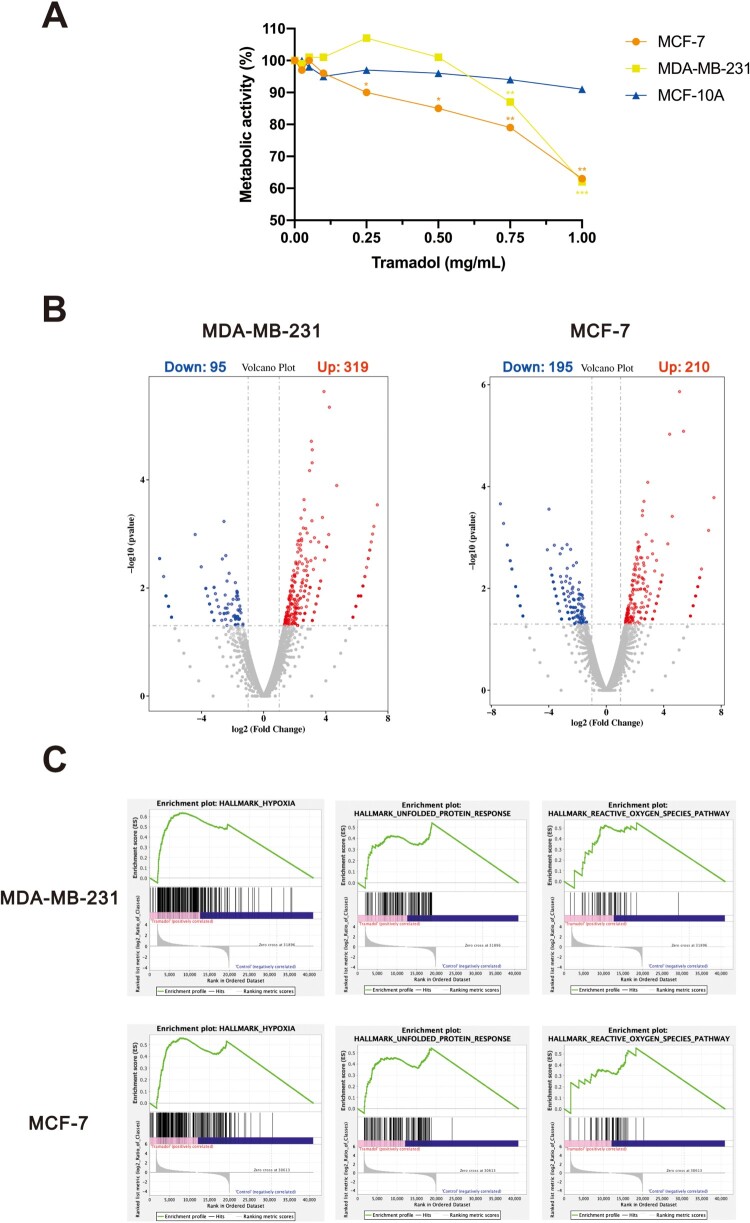 Figure 1
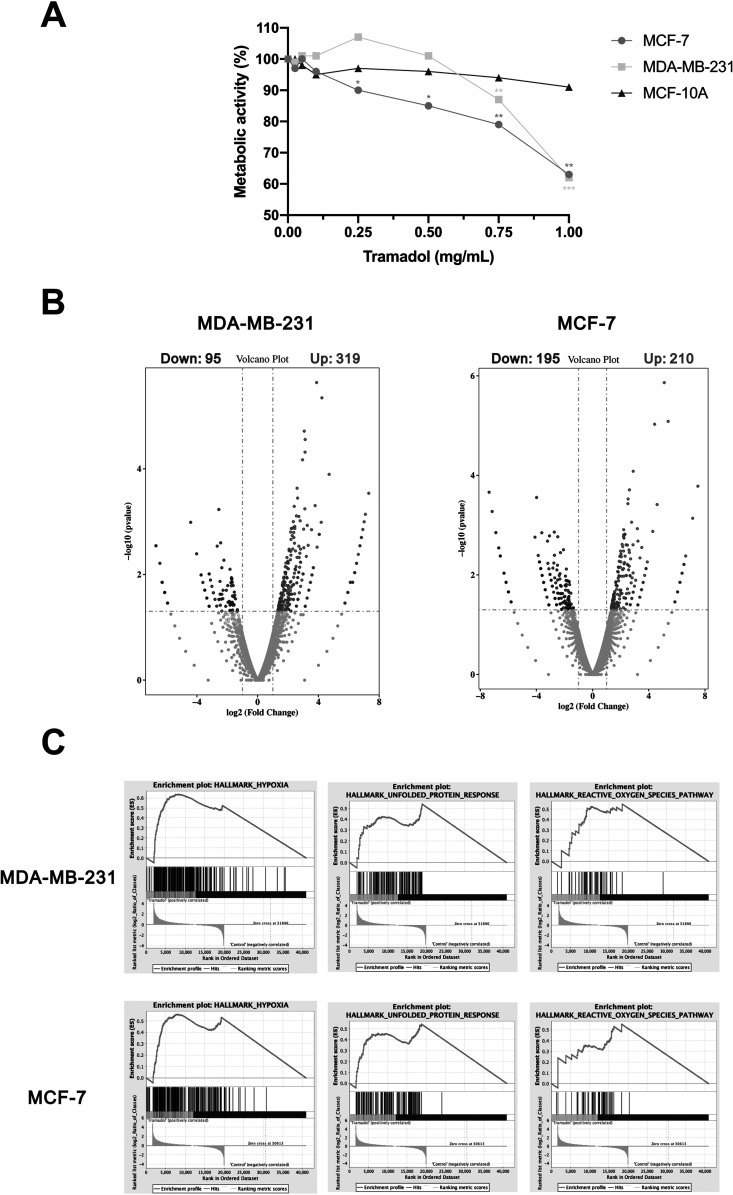 Figure 2
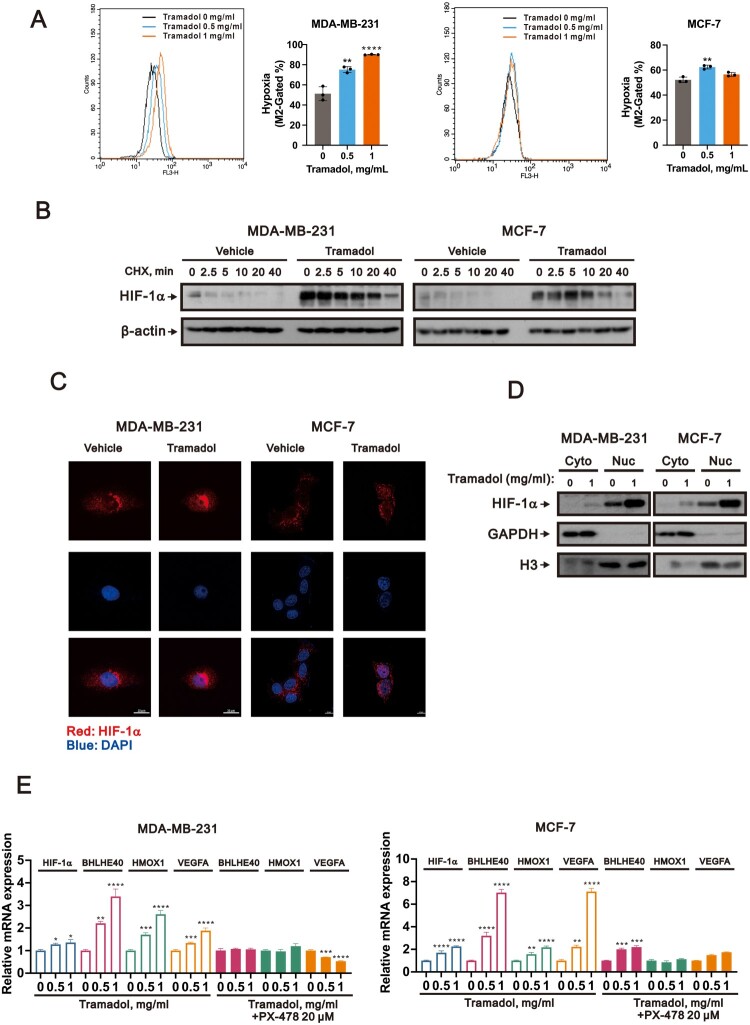 Figure 3
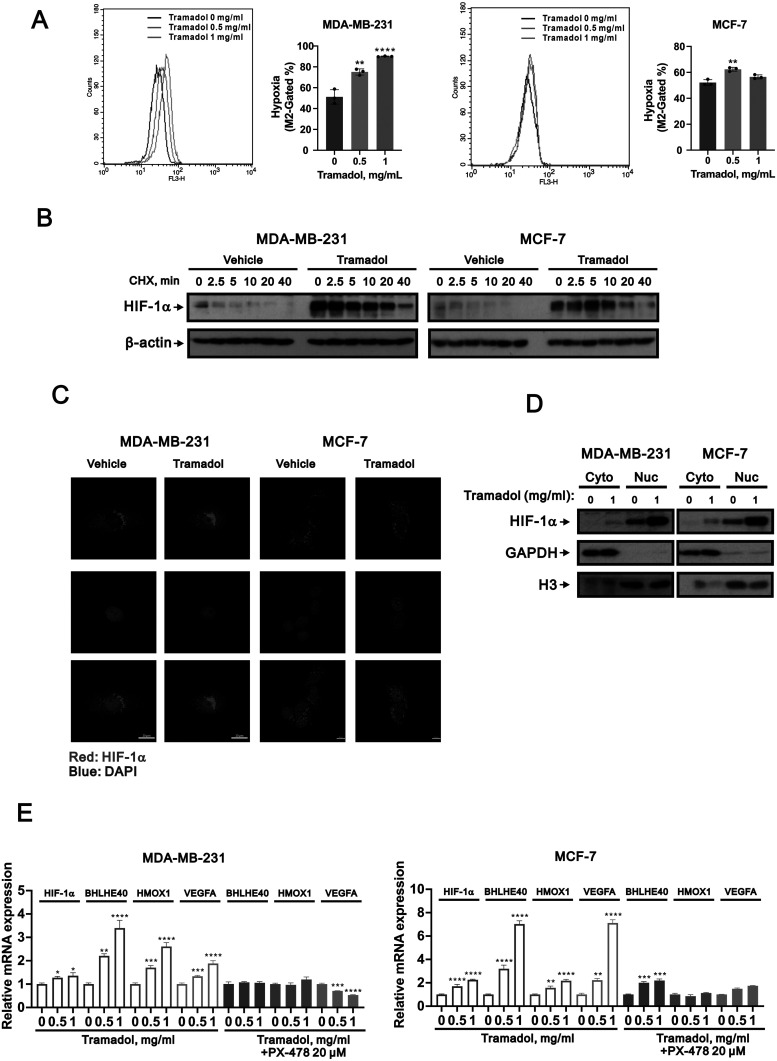 Figure 4
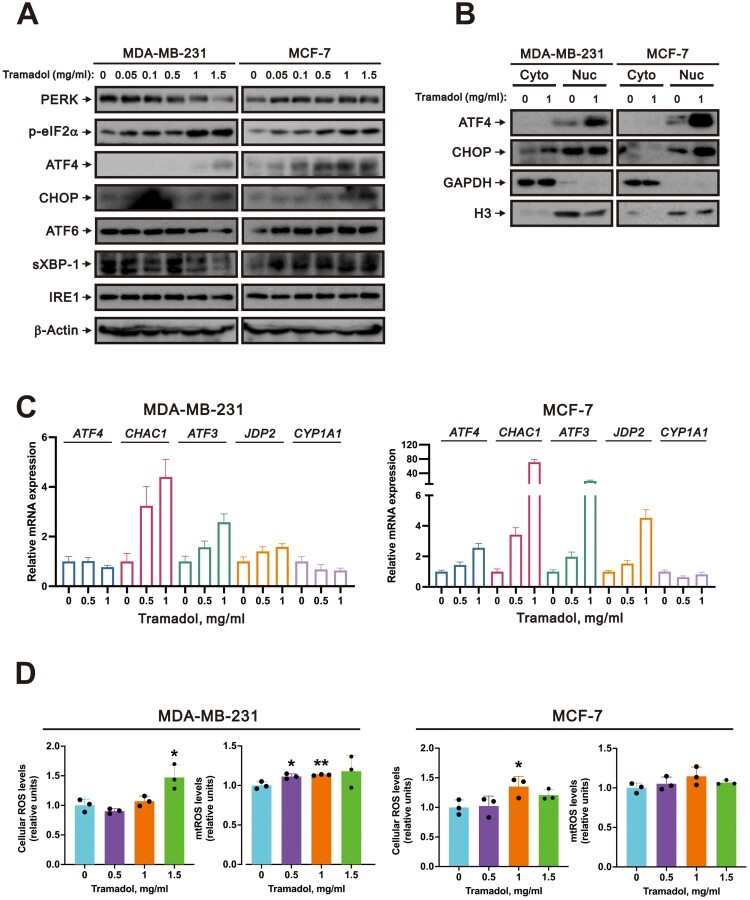 Figure 5
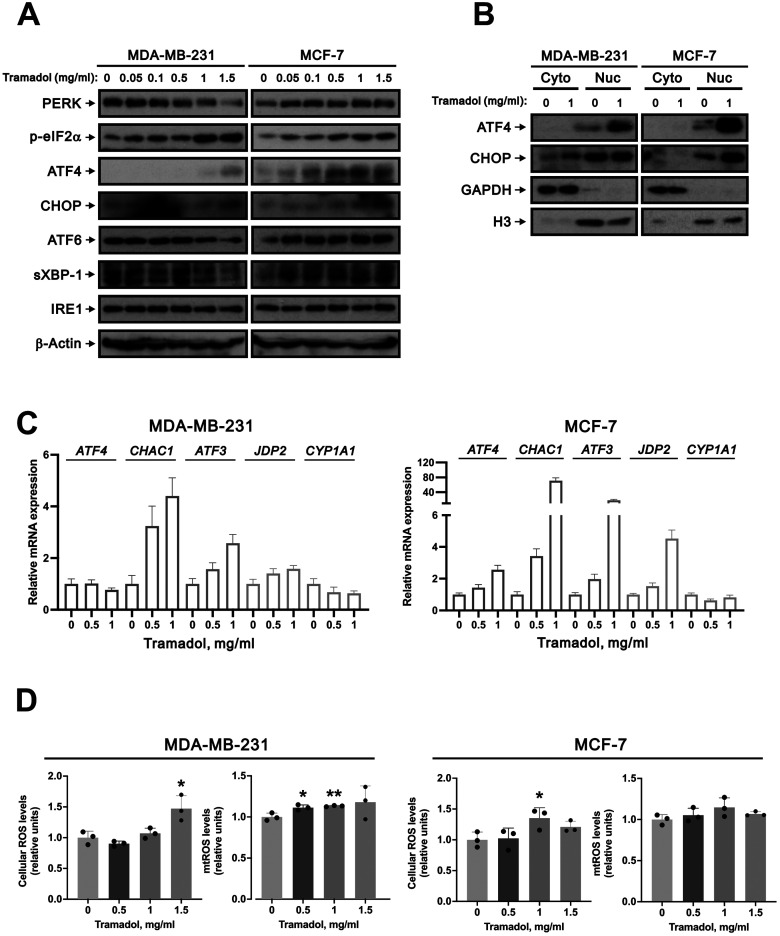 Figure 6
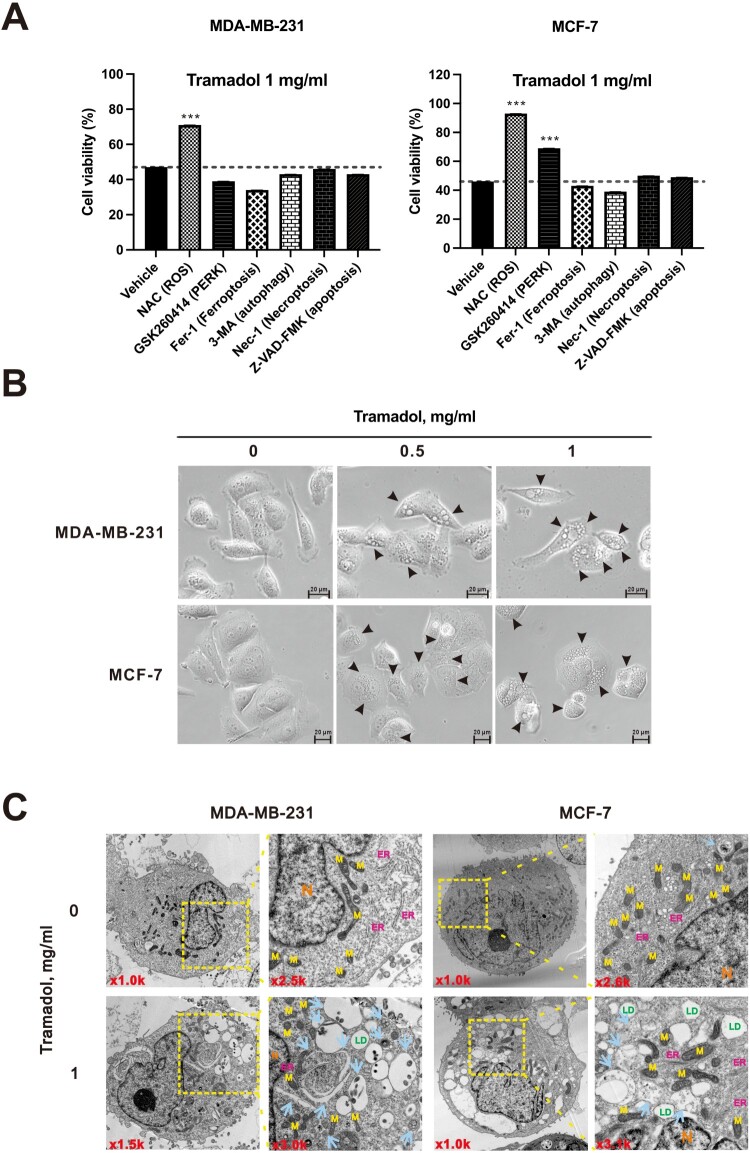 Figure 7
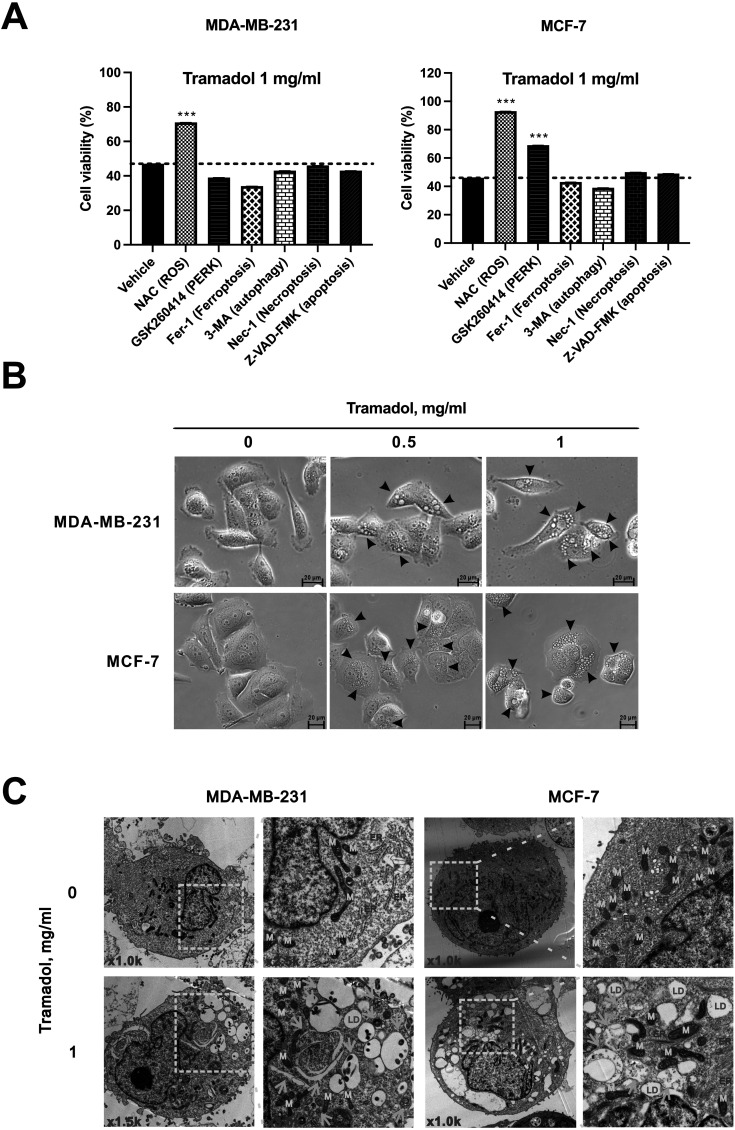 Figure 8
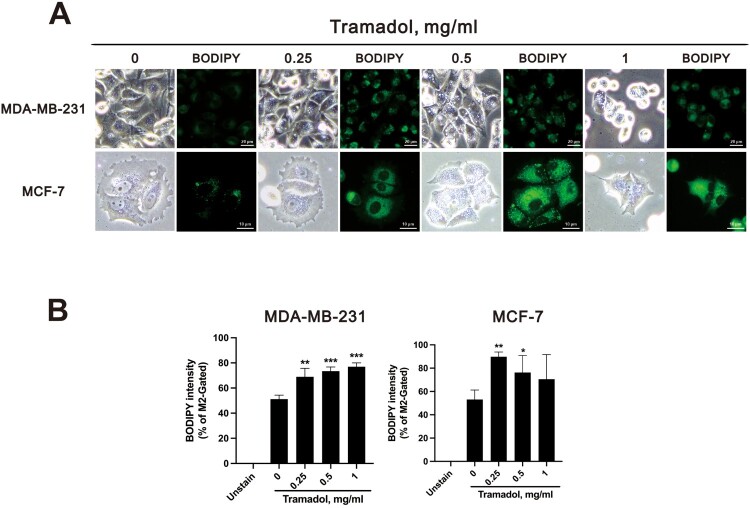 Figure 9
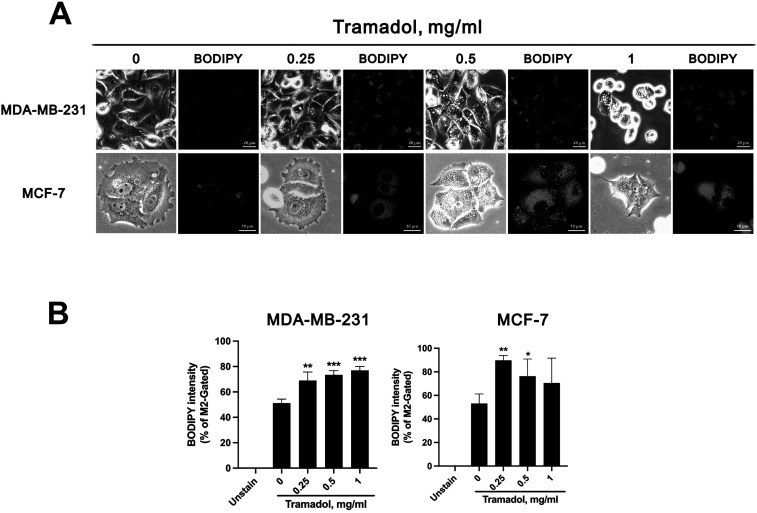 Figure 10
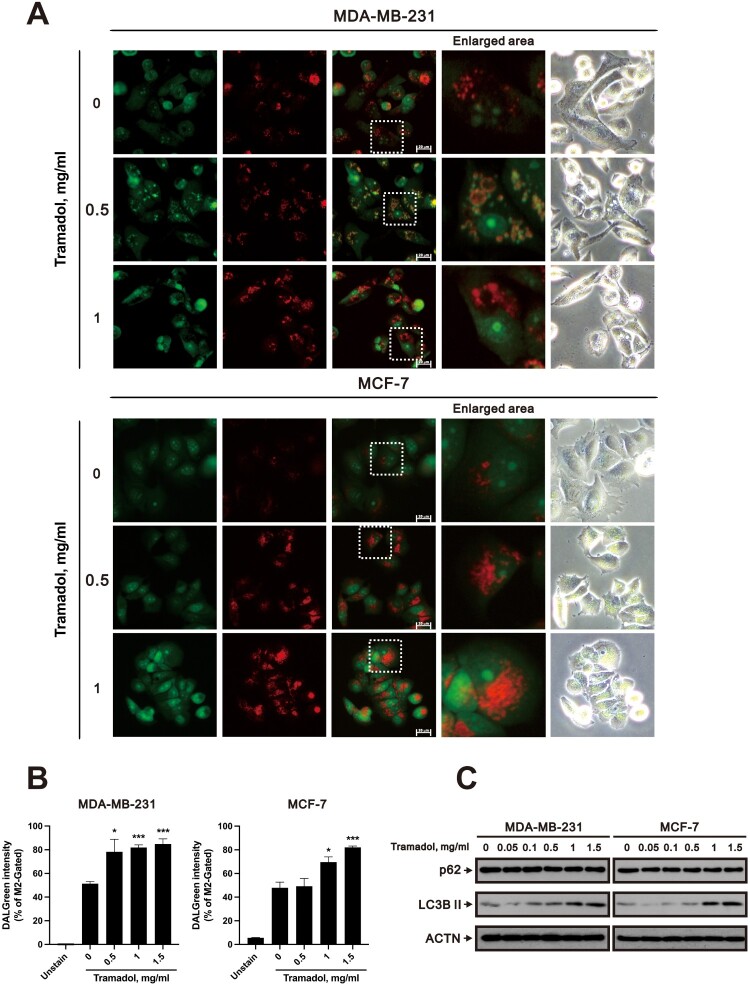 Figure 11
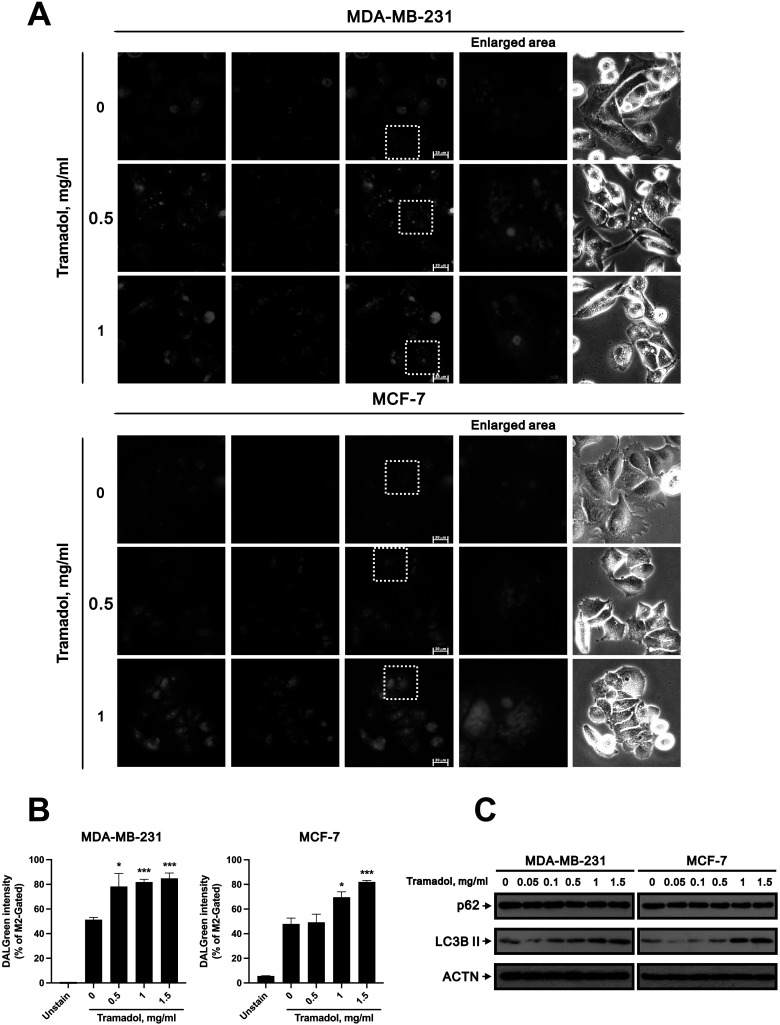 Figure 12
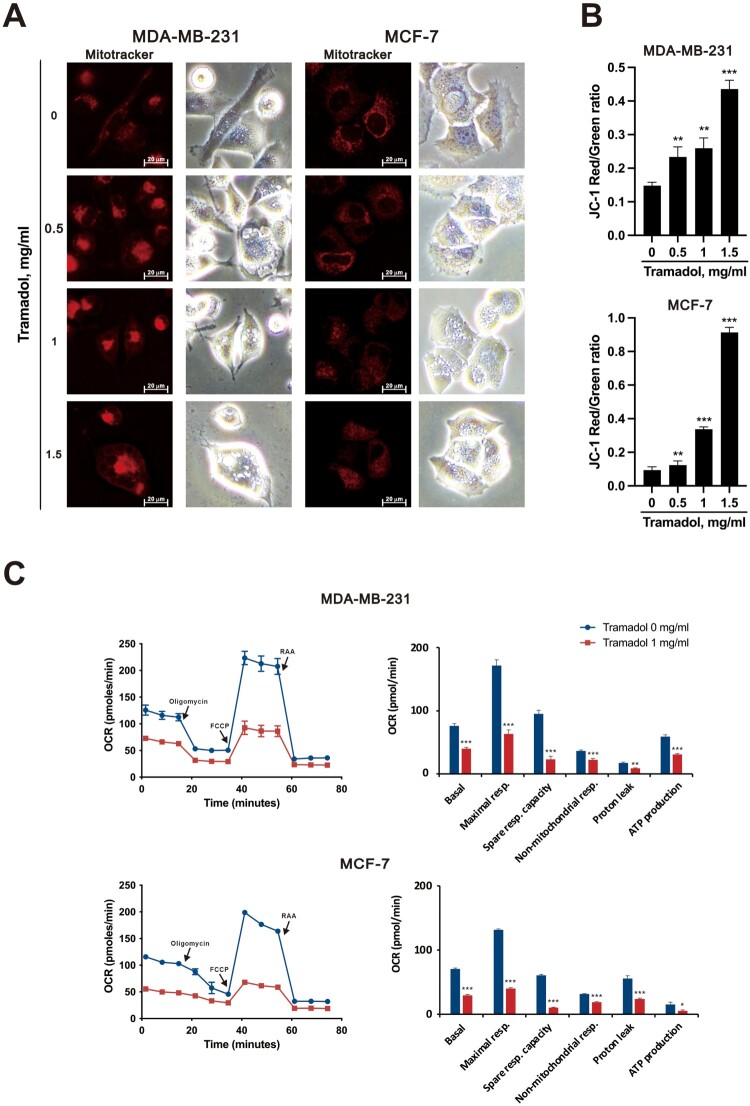 Figure 13
 Figure 14
 Figure 15
 Figure 16
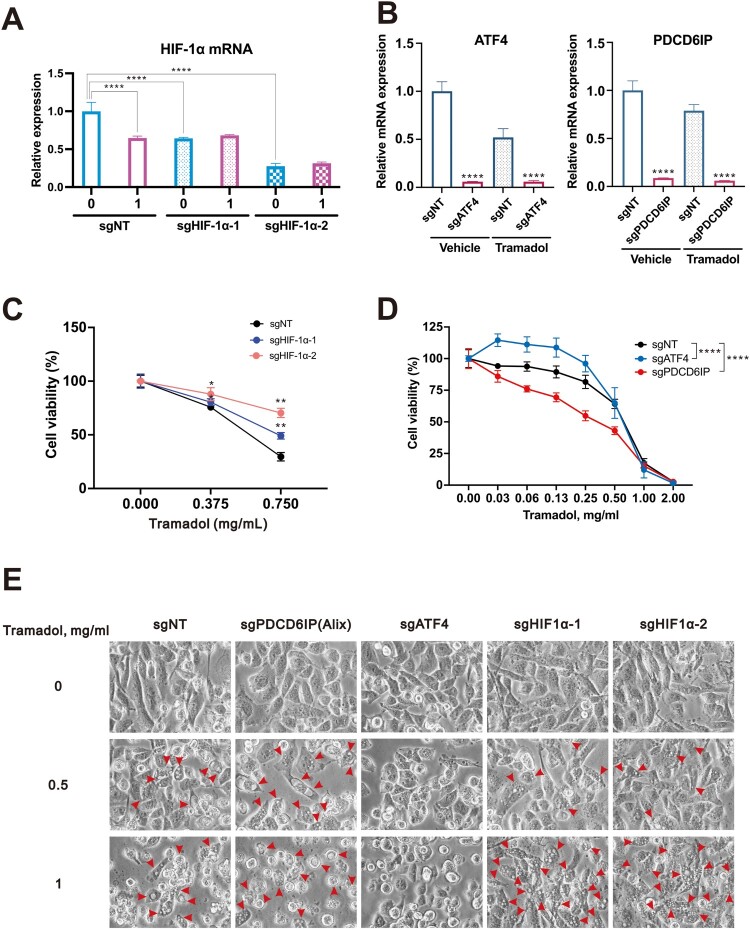 Figure 17
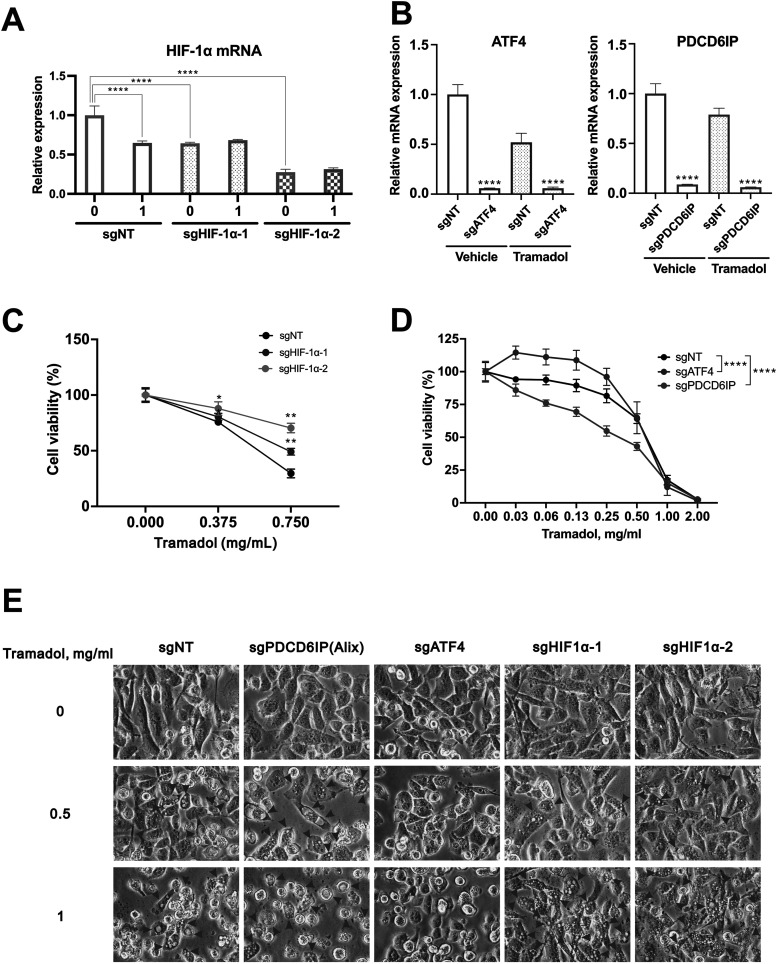 Figure 18
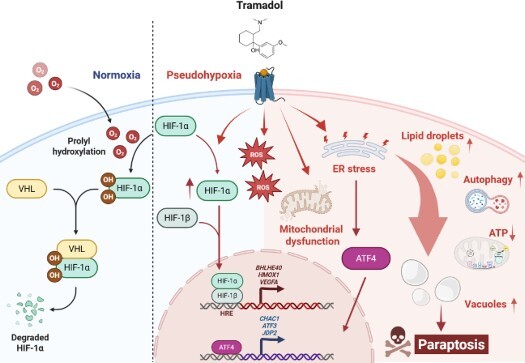 Figure 19
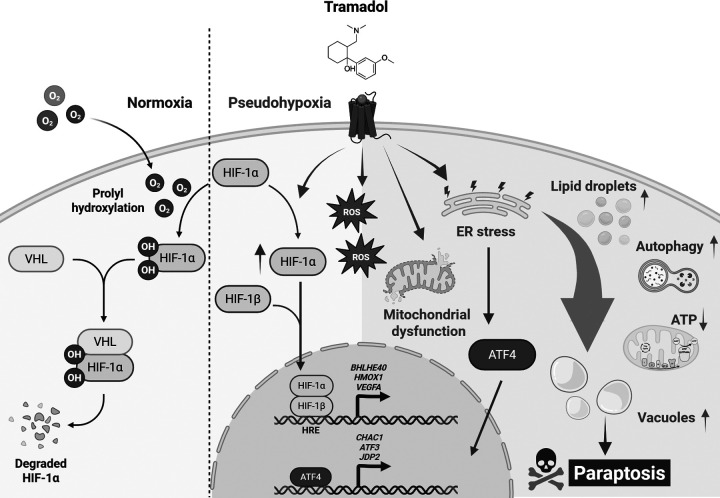 Figure 20
Peer Reviews
No public reviews on file for this paper yet. If you reviewed it on a platform where reviews are public (OpenReview, ICLR, NeurIPS, ICML), you can paste yours below so the community can read it here.
Videos
No videos yet. Explain this paper in a talk, walkthrough, or lecture? Add one.
Taxonomy
TopicsCancer, Stress, Anesthesia, and Immune Response · Cancer, Hypoxia, and Metabolism · Inflammatory mediators and NSAID effects