The deletion of the EP402R and MGF505/360 genes attenuates a genotype I/II recombinant ASFV but fails to confer complete protection against homologous or genotype II challenge in pigs
Yao Li, Yingnan Liu, Zhuyun Sun, Zhenhua Xie, Chuanwen Tian, Rongrong Wang, Jun Gao, Maomao Wang, Jingyi Liu, Heng Wang, Guihong Zhang, Jie Li, Dongdong Di, Lang Gong, Hongjun Chen

TL;DR
Deleting two genes in a recombinant strain of African swine fever virus (ASFV) reduces its virulence in pigs, but does not fully protect them from lethal infection.
Contribution
A recombinant ASFV with deletions in EP402R and MGF505/360 genes shows reduced virulence but fails to confer complete protection.
Findings
ASFV-HNΔCD2vΔMGF deletion strain showed markedly attenuated virulence with all pigs surviving.
Pigs vaccinated with the deletion strains did not gain complete protection against homologous or genotype II challenge.
I/II recombinant ASFV may have unique biological traits and immune evasion mechanisms.
Abstract
African swine fever (ASF), a pig disease caused by ASFV, is highly contagious and often lethal. The recent emergence of novel ASFV with I/II genomic recombination has posed significant challenges to global ASF prevention and control. In this study, we used the Chinese I/II genomic recombinant virulent strain ASFV-HN10005 (ASFV-HN) to construct two gene-deleted viruses. ASFV-HNΔMGF lacks the MGF505-1R–MGF360-14L genes cluster (including MGF505-1R, -2R, -3R, and MGF360-12L, -13L, -14L), and ASFV-HNΔCD2vΔMGF lacks both EP402R and the MGF505-1R–MGF360-14L genes cluster. ASFV-HNΔMGF still showed pathogenicity in domestic pigs, while ASFV-HNΔCD2vΔMGF showed markedly attenuated virulence, with all inoculated pigs surviving. However, these pigs did not gain complete protection against subsequent lethal challenge from the parental ASFV-HN strain or the virulent II-type strain ASFV-GZ. This…
Genes, proteins, chemicals, diseases, species, mutations and cell lines named across the full text — each resolved to its canonical identifier and authoritative record.
Click any figure to enlarge with its caption.
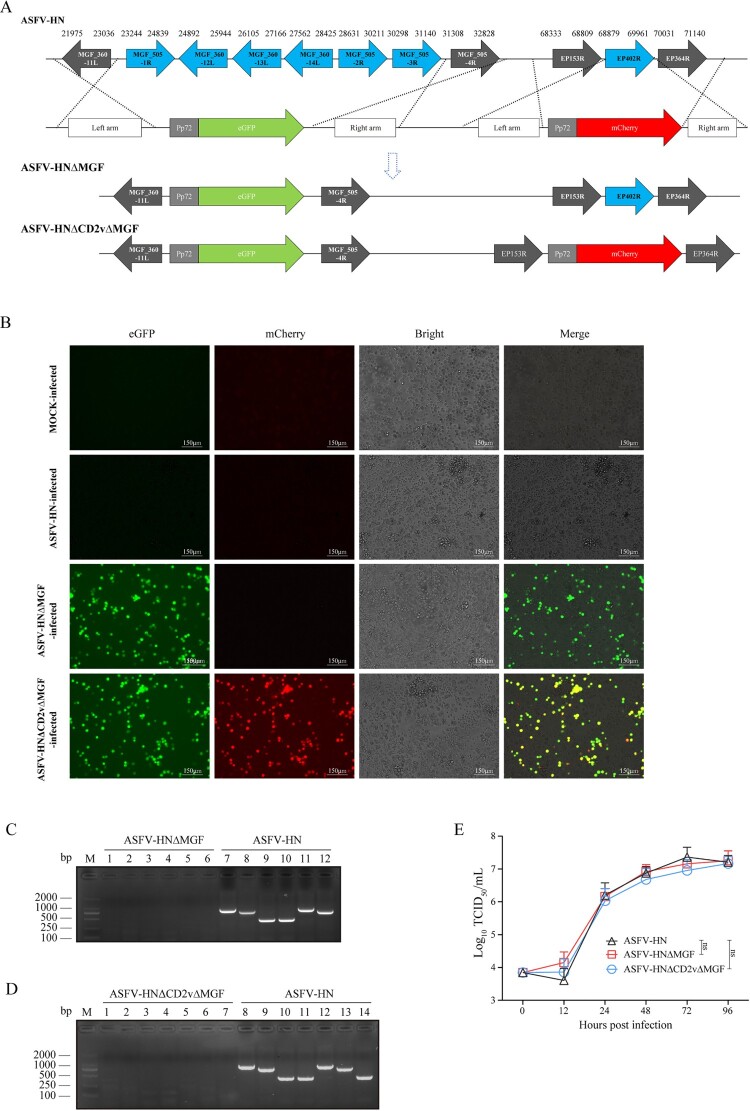 Figure 1
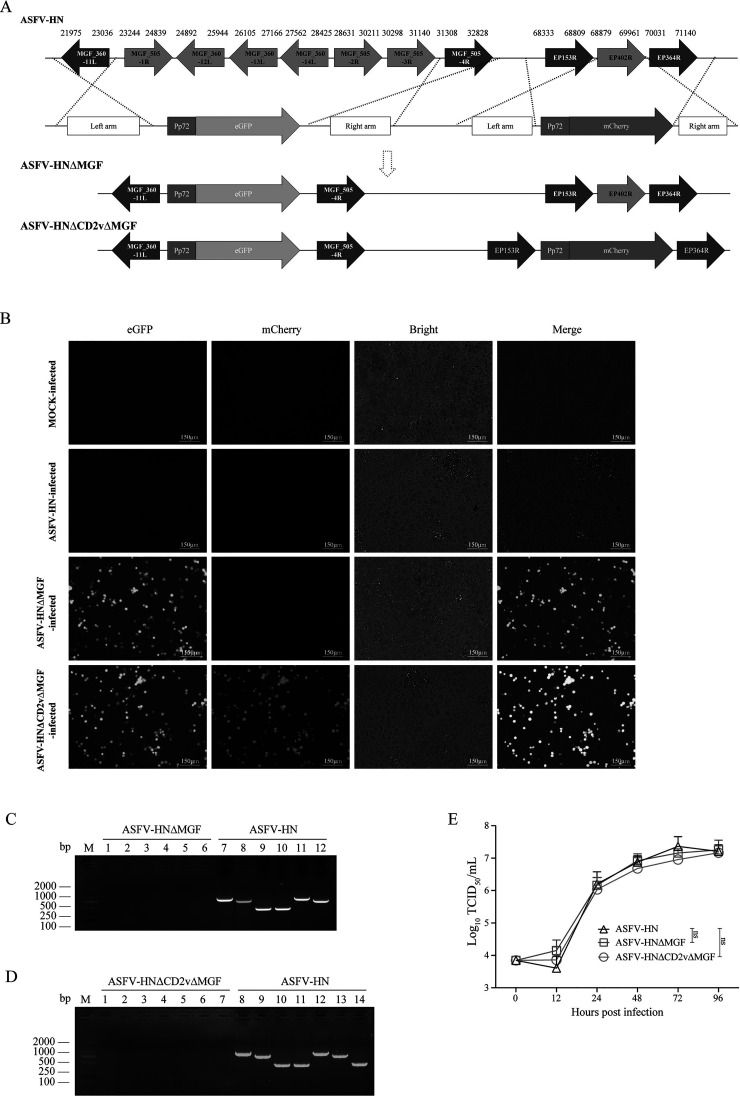 Figure 2
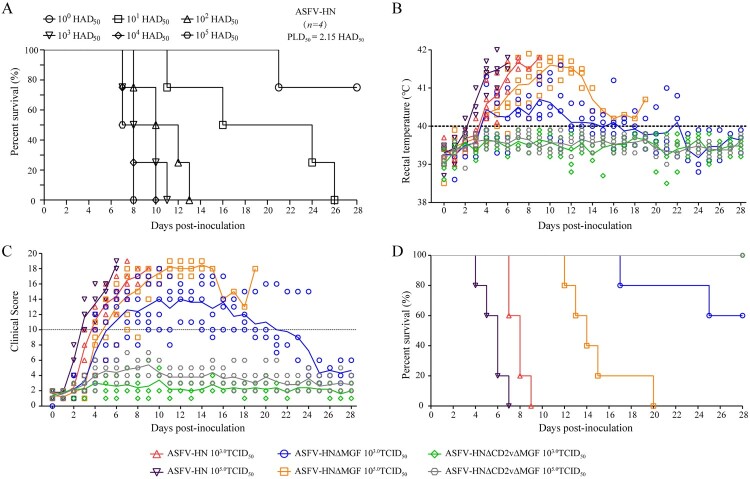 Figure 3
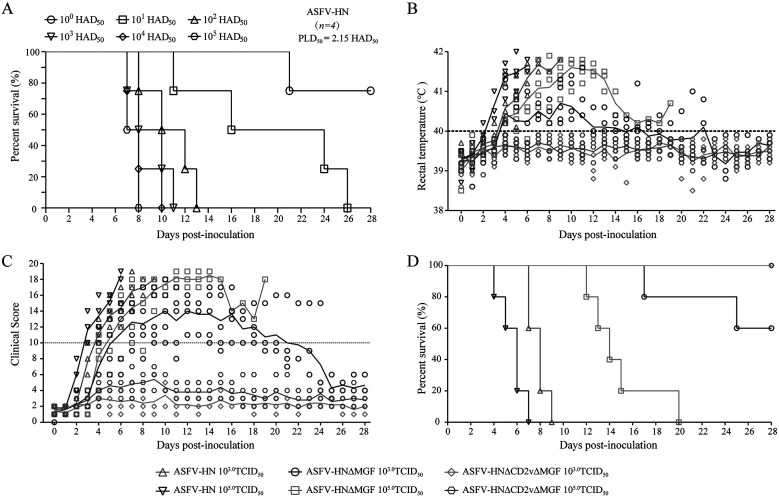 Figure 4
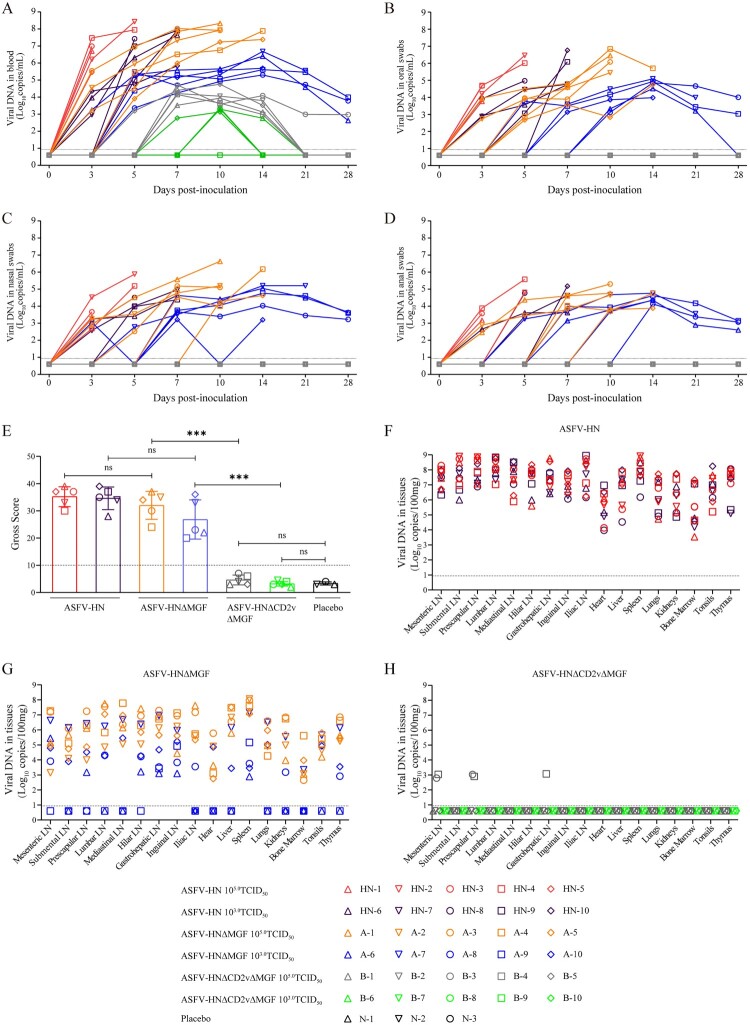 Figure 5
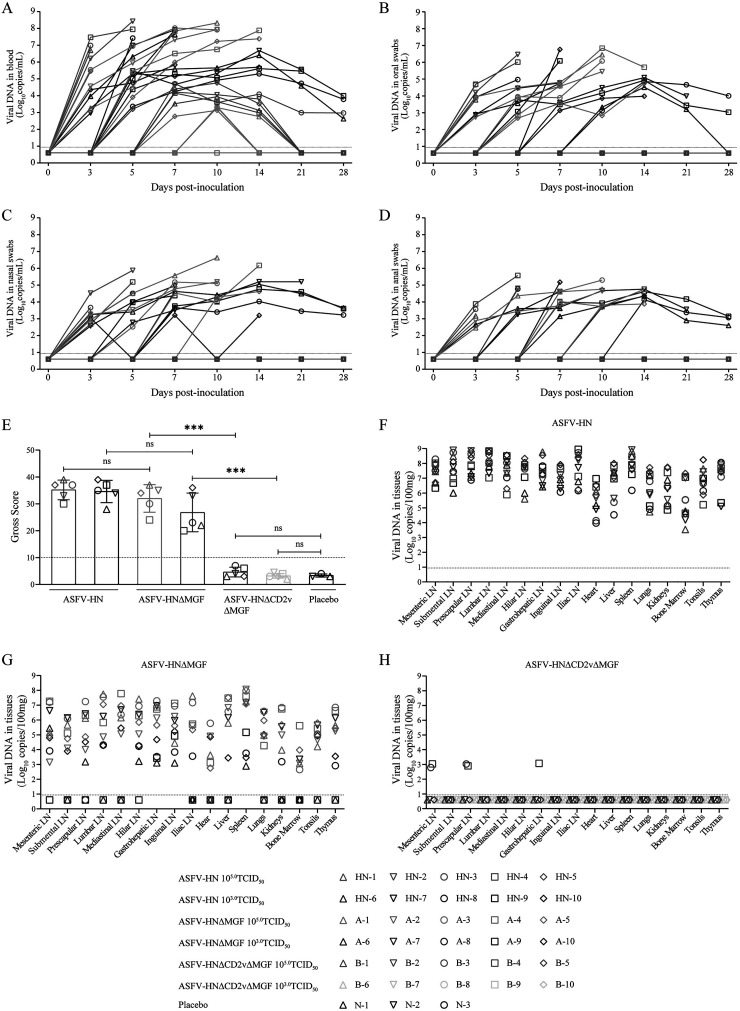 Figure 6
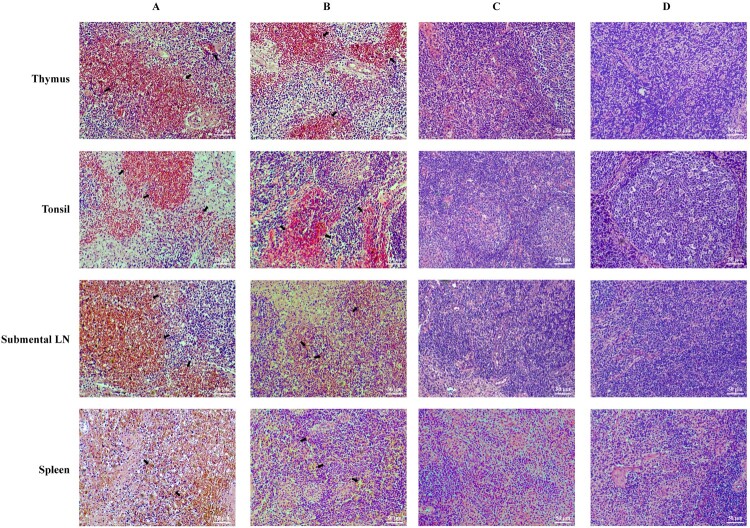 Figure 7
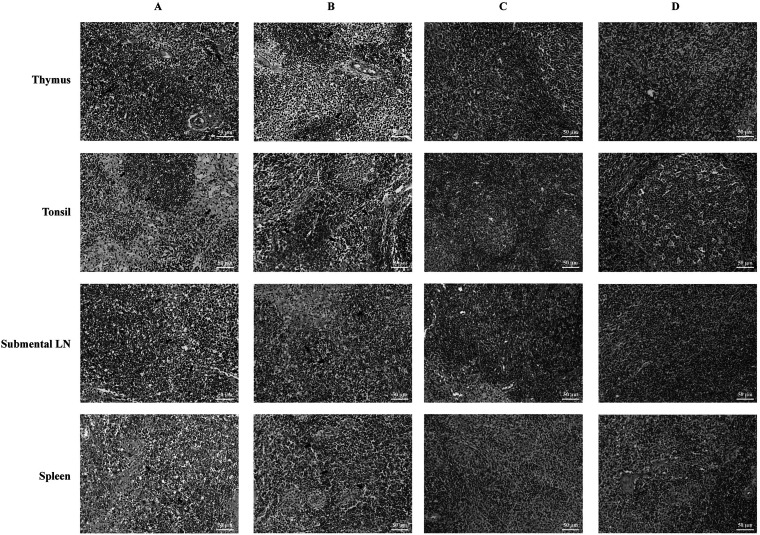 Figure 8
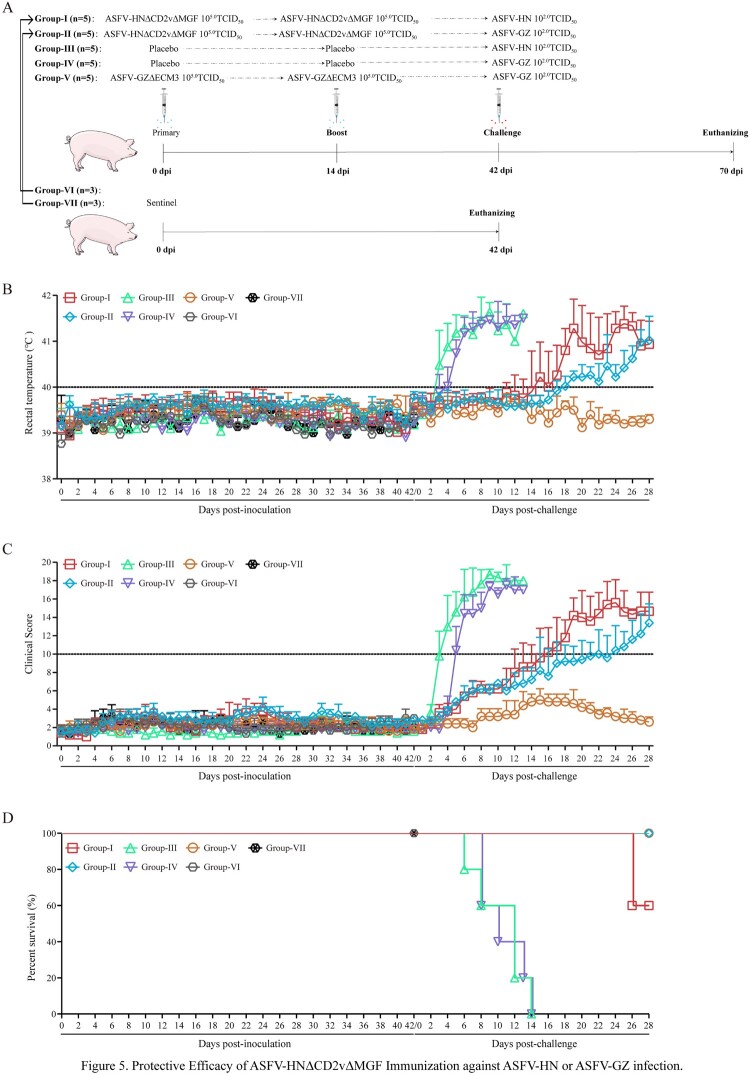 Figure 9
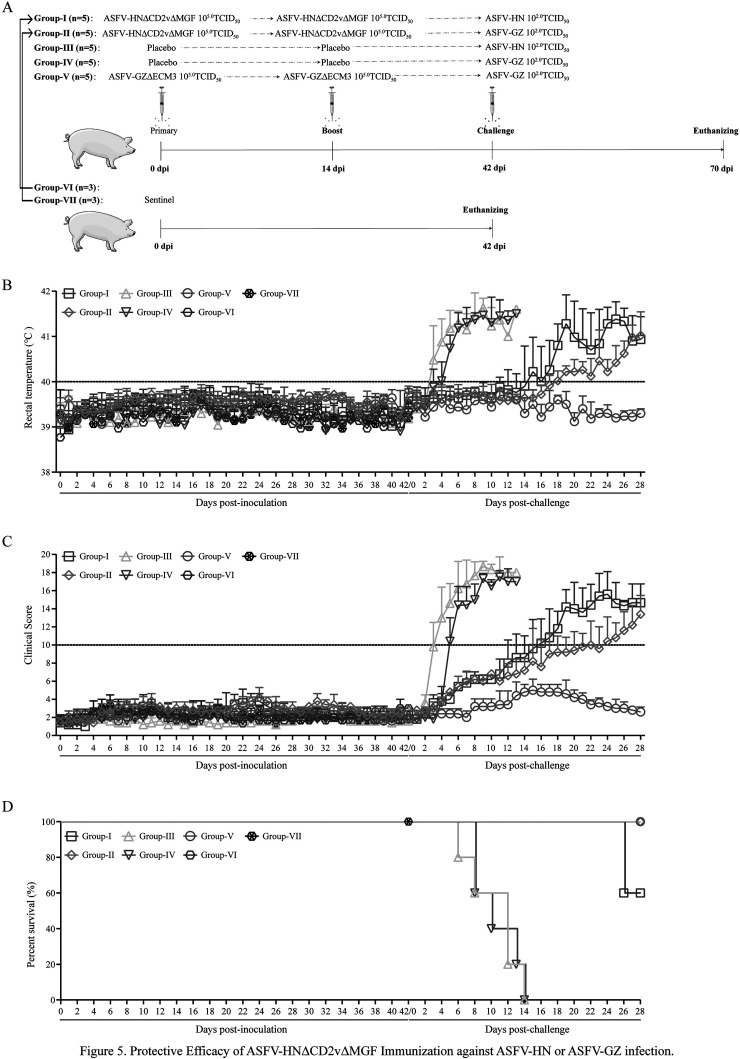 Figure 10
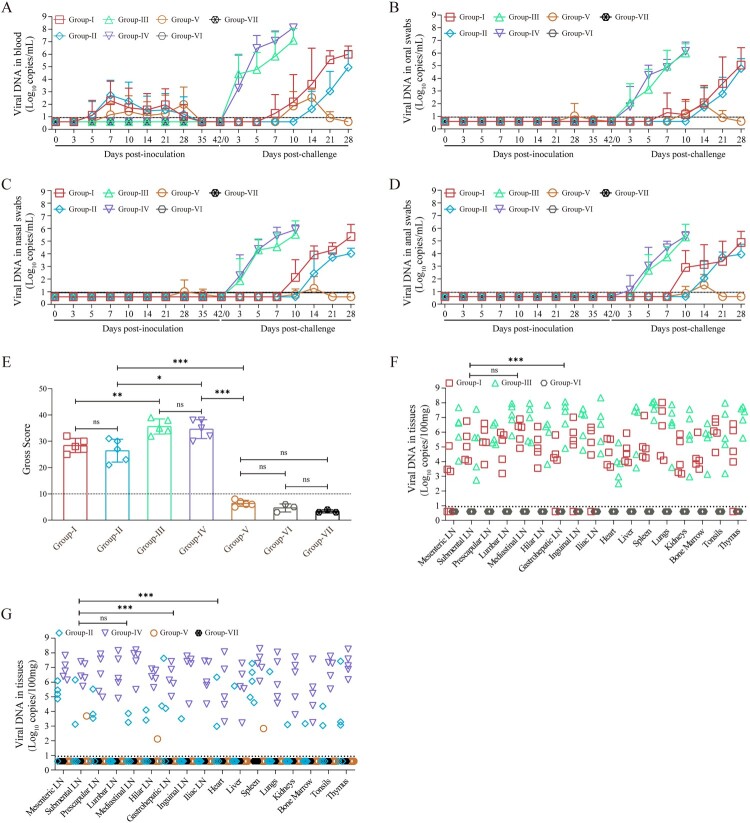 Figure 11
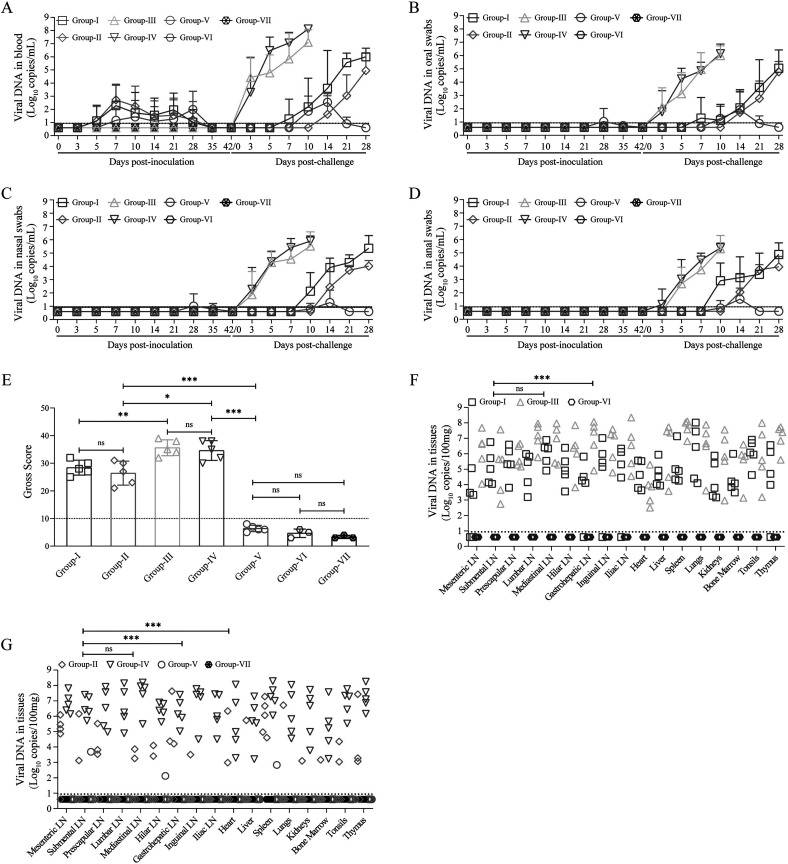 Figure 12
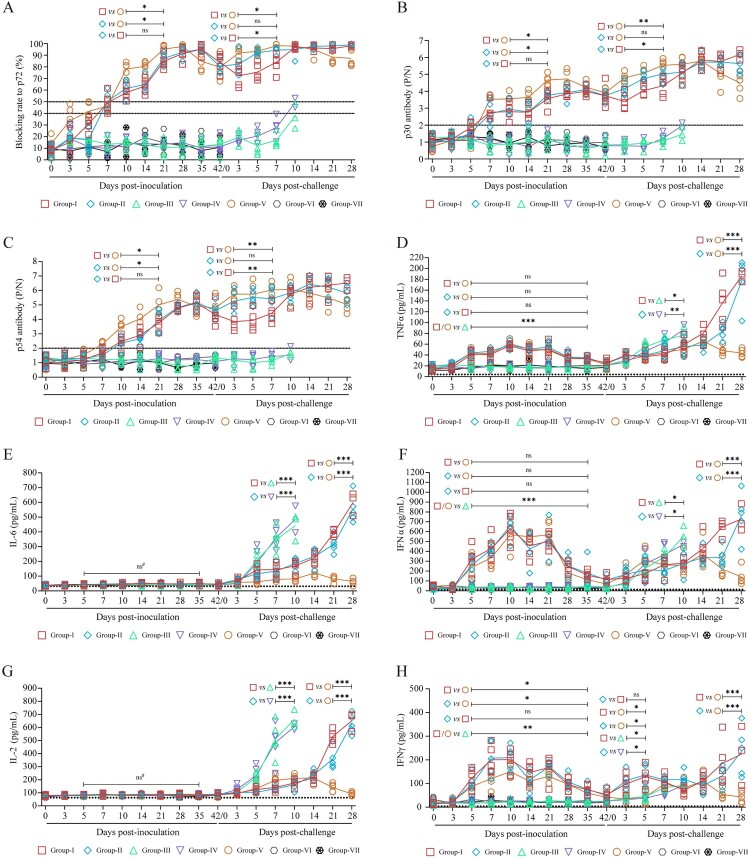 Figure 13
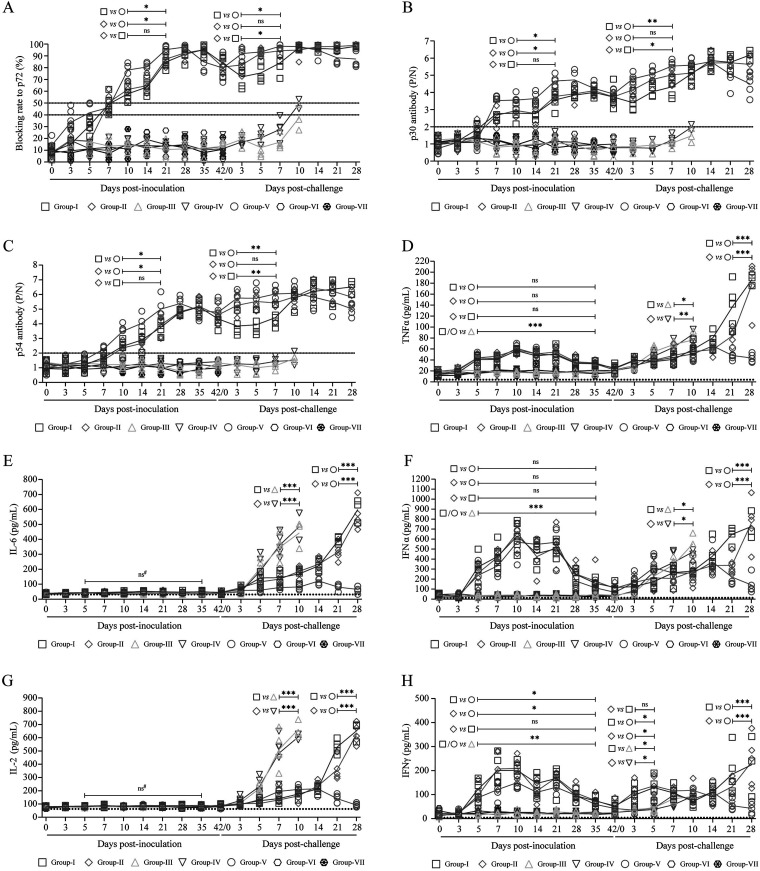 Figure 14
Peer Reviews
No public reviews on file for this paper yet. If you reviewed it on a platform where reviews are public (OpenReview, ICLR, NeurIPS, ICML), you can paste yours below so the community can read it here.
Videos
No videos yet. Explain this paper in a talk, walkthrough, or lecture? Add one.
Taxonomy
TopicsAnimal Disease Management and Epidemiology · Vector-Borne Animal Diseases · Viral Infections and Immunology Research