Cognitive arousal-based measures quantify insights from self-ratings in response to sensory stimuli
Suzanne Oliver, Jinhan Zhang, Vidya Raju, James W. Murrough, Rose T. Faghih

TL;DR
This paper shows that measuring skin conductance can help quantify how mentally stimulated people feel in response to different types of sensory input.
Contribution
The study introduces a novel framework using skin conductance and Bayesian filtering to better align self-reported arousal with physiological data.
Findings
Cognitive arousal measures from skin conductance align better with self-ratings than inferred autonomic nervous system events.
Continuous skin conductance measurements effectively convey self-perceived arousal in response to sensory stimuli.
The framework could support non-invasive mental health interventions through interactive sensory environments.
Abstract
Reliable quantification of patients’ cognitive arousal is a challenging problem and a pertinent clinical need in various mental health applications. Recently, skin conductance-based cognitive state estimation has shown promise in inferring the cognitive arousal of individuals caused by autonomic nervous system (ANS) activation. Here, we use a physiological model of ANS-stimulated skin conductance modulations and Bayesian filtering to analyze changes in cognitive arousal induced by auditory, visual, and haptic stimuli. Our findings indicate that cognitive arousal-based measures are in better agreement with self-ratings-based metrics than inferred autonomic nervous system activation events in response to sensory stimuli. These insights on cognitive arousal increase our understanding of psychophysiology and may help diagnose, track, and treat symptoms of mental health disorders in the…
Genes, proteins, chemicals, diseases, species, mutations and cell lines named across the full text — each resolved to its canonical identifier and authoritative record.
Click any figure to enlarge with its caption.
 Figure 1
 Figure 2
 Figure 3
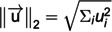 Figure 4
 Figure 5
 Figure 6
 Figure 7
 Figure 8
 Figure 9
 Figure 10
 Figure 11
 Figure 12
 Figure 13
 Figure 14
 Figure 15
 Figure 16
 Figure 17
 Figure 18
 Figure 19
 Figure 20
 Figure 21
 Figure 22
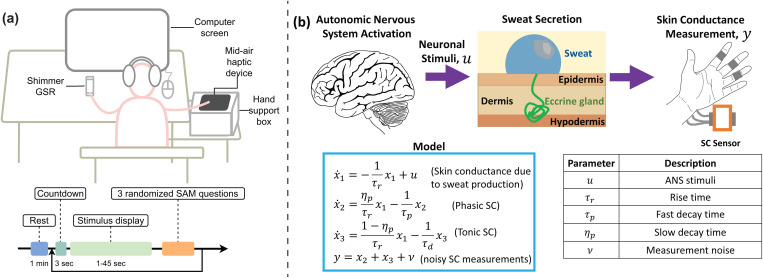 Figure 23
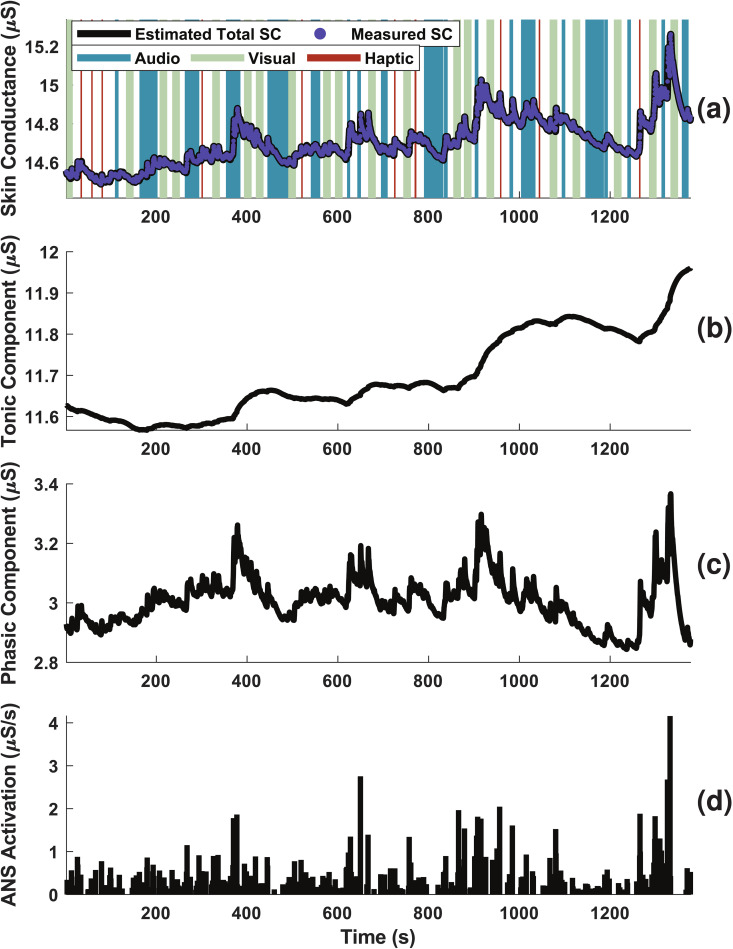 Figure 24
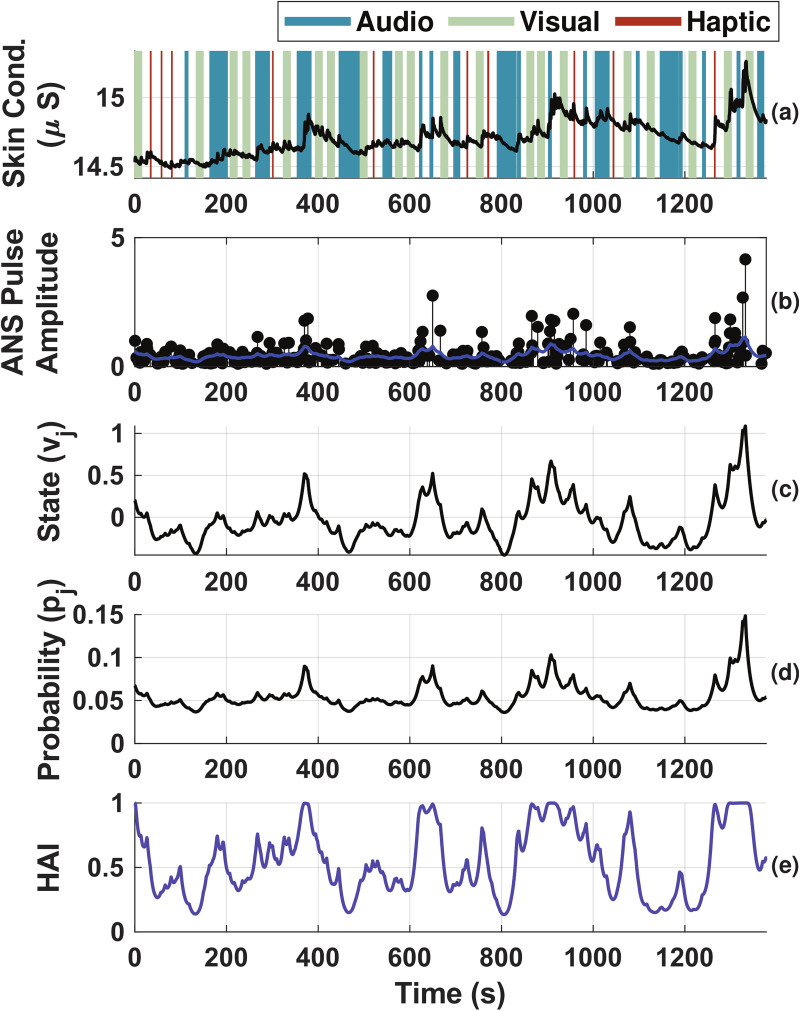 Figure 25
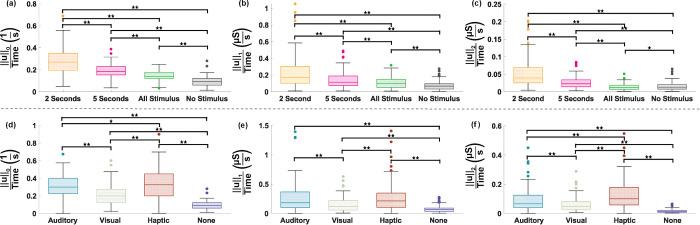 Figure 26
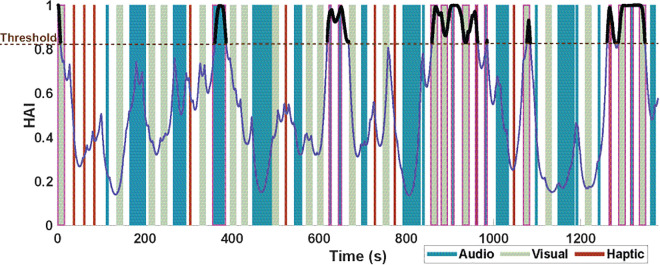 Figure 27
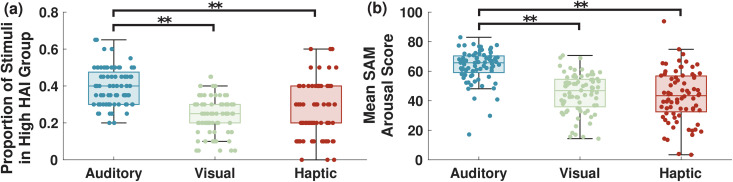 Figure 28
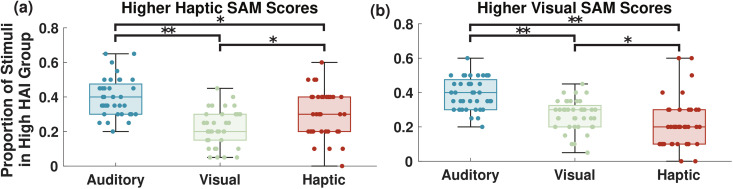 Figure 29
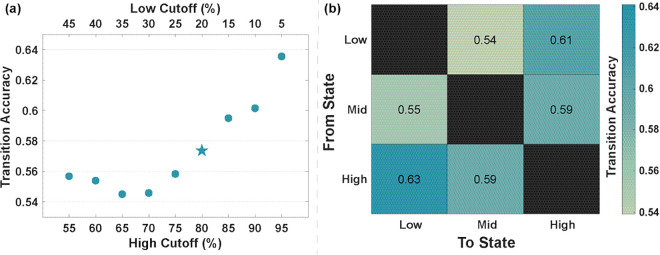 Figure 30
Peer Reviews
No public reviews on file for this paper yet. If you reviewed it on a platform where reviews are public (OpenReview, ICLR, NeurIPS, ICML), you can paste yours below so the community can read it here.
Videos
No videos yet. Explain this paper in a talk, walkthrough, or lecture? Add one.
Taxonomy
TopicsEmotion and Mood Recognition · Anxiety, Depression, Psychometrics, Treatment, Cognitive Processes · Heart Rate Variability and Autonomic Control