Behavioural activation activities for employees in the Chinese culture: A workshop
Sijin Sun, Yao Xiao, Zheyuan Zhang, Celine Mougenot, Nick Glozier, Rafael A. Calvo, Martin Mabunda Baluku, Ansar Abbas, Ansar Abbas

TL;DR
This study explores how behavioral activation therapy can be adapted for Chinese employees, considering cultural differences and preferences.
Contribution
The study identifies culturally specific adaptations needed for behavioral activation therapy in the Chinese workplace context.
Findings
Chinese participants showed less favorable attitudes toward extreme sports, religion, and social activities compared to Westerners.
They were less willing to express emotions, give feedback, or seek mental health help.
Adaptations include lighter leisure activities and culturally sensitive workplace communication tools.
Abstract
Behavioral Activation Therapy (BAT) is widely used in Western countries, and digital interventions based on BAT are also increasingly common. This study explored how BAT can be adapted for Chinese employees. Through twelve co-design workshops conducted online, a total of 46 Chinese employees actively participated in the process of defining positive activities for behavioural activation therapy. Using Hofstede’s cultural dimensional theory as a framework and considering the traditional influence of Confucianism and the dynamic nature of China’s contemporary socio-cultural transformation, we identified and examined culturally sensitive and controversial activities that emerged during the study. Our findings indicate that Chinese participants, when compared to their western counterparts, generally displayed less favourable attitudes towards activities such as extreme sports, religion,…
Genes, proteins, chemicals, diseases, species, mutations and cell lines named across the full text — each resolved to its canonical identifier and authoritative record.
Click any figure to enlarge with its caption.
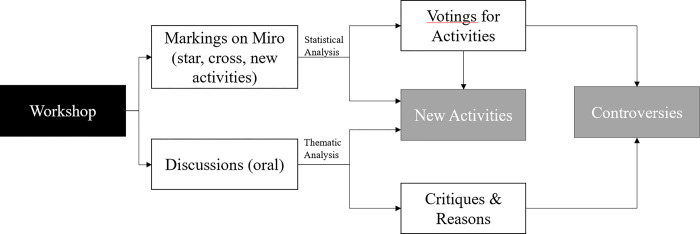 Figure 1
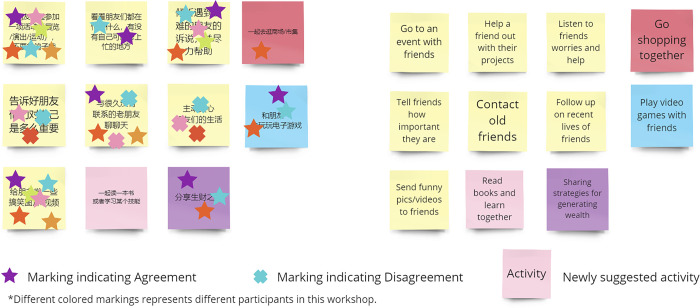 Figure 2
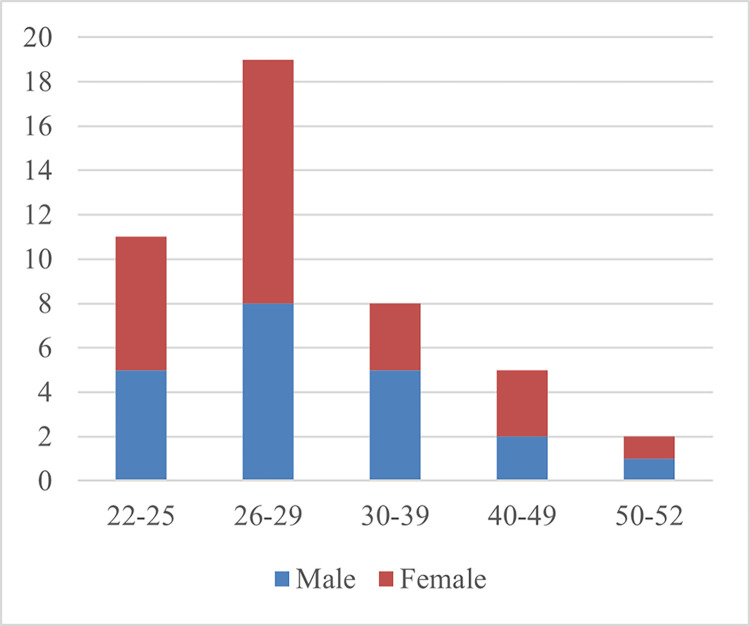 Figure 3
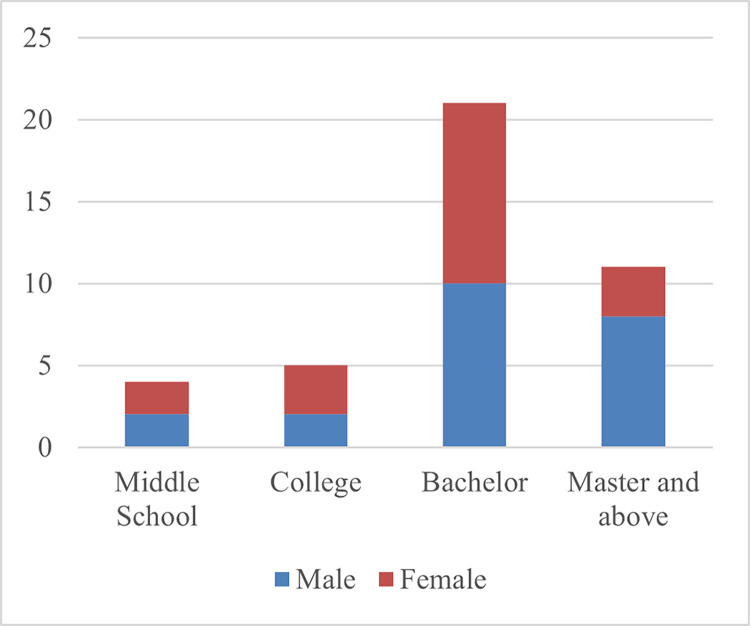 Figure 4
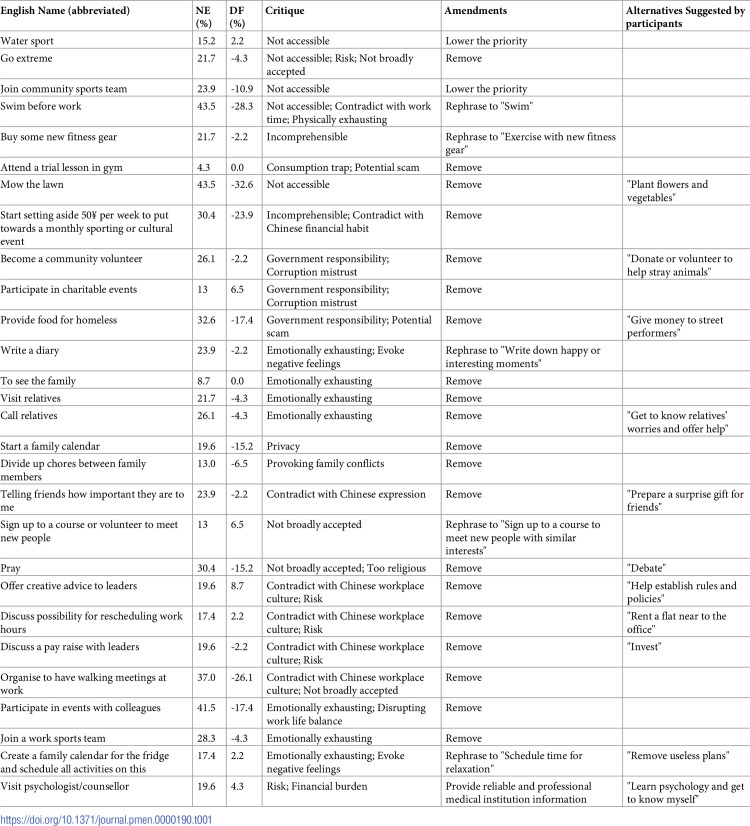 Figure 5
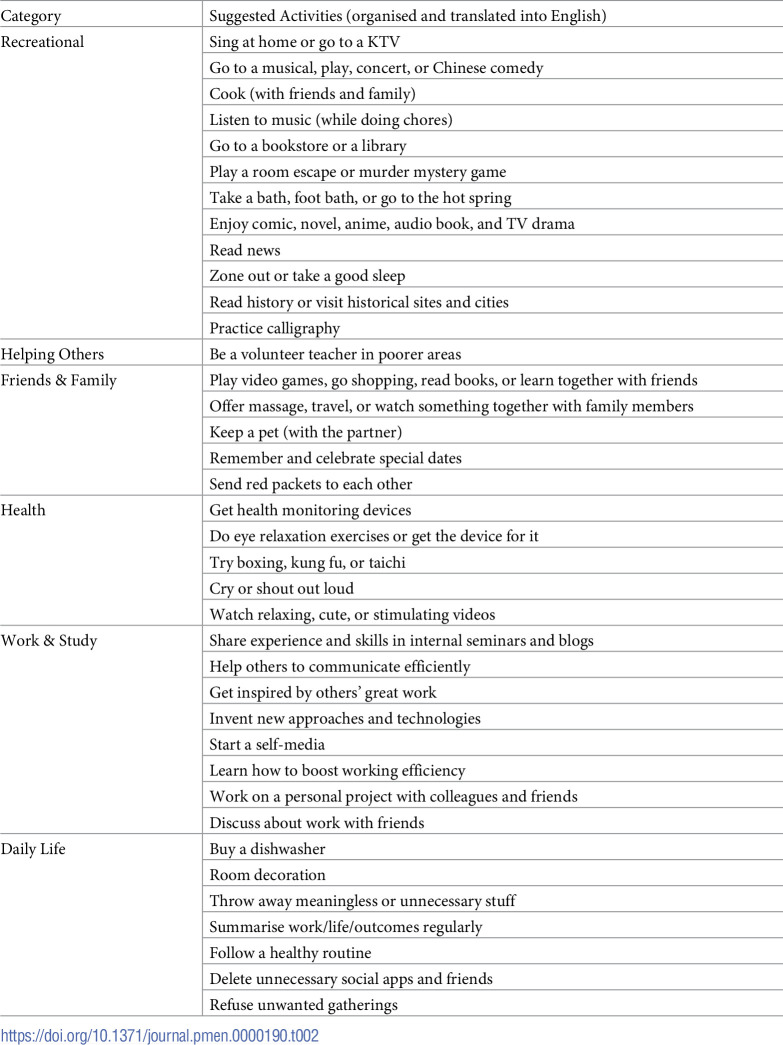 Figure 6
Peer Reviews
No public reviews on file for this paper yet. If you reviewed it on a platform where reviews are public (OpenReview, ICLR, NeurIPS, ICML), you can paste yours below so the community can read it here.
Videos
No videos yet. Explain this paper in a talk, walkthrough, or lecture? Add one.
Taxonomy
TopicsCreativity in Education and Neuroscience · Cultural Differences and Values · Neural and Behavioral Psychology Studies