Point-of-care electroencephalography for prediction of postoperative delirium in older adults undergoing elective surgery: protocol for a prospective cohort study
Vikas N Vattipally, Patrick Kramer, Nada Abouelseoud, Isha Yeleswarapu, A Daniel Davidar, Joseph M Dardick, Ali Bydon, Timothy F Witham, Daniel Lubelski, Kathryn Rosenblatt, Judy Huang, Chetan Bettegowda, Frederick Sieber, Esther S Oh, Sridevi V Sarma, Ozan Akca

TL;DR
This study explores using point-of-care EEG to predict postoperative delirium in older adults undergoing surgery, aiming to improve early detection and management.
Contribution
The study introduces a novel approach using point-of-care EEG combined with baseline and perioperative variables to predict delirium before it occurs.
Findings
POC EEG may capture neurophysiological signatures of delirium risk.
The study will develop a predictive model using EEG features like spectral power and alpha/delta ratio.
Openly available datasets and a validated risk model will be generated.
Abstract
Postoperative delirium (POD) is a complication of surgery in older adults associated with adverse outcomes. Current screening methods demonstrate poor interrater reliability, and conventional electroencephalography (EEG)-based screening requires intensive setup. Point-of-care (POC) EEG technology offers a rapid and objective alternative that may capture neurophysiological signatures of delirium risk. When combined with baseline and perioperative variables, POC EEG may enable the prediction of POD before clinical manifestation. In this study, we aim to develop a POD prediction model using POC EEG as well as explore secondary outcomes such as longer-term cognitive impairment and postoperative pain. This is a prospective cohort study enrolling older adults (≥60 years) undergoing elective non-cranial inpatient surgery at two academic hospitals. The target cohort size is 150 participants,…
Genes, proteins, chemicals, diseases, species, mutations and cell lines named across the full text — each resolved to its canonical identifier and authoritative record.
Click any figure to enlarge with its caption.
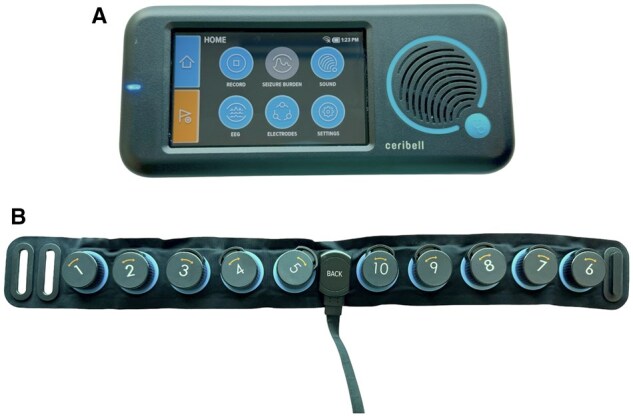 Figure 1
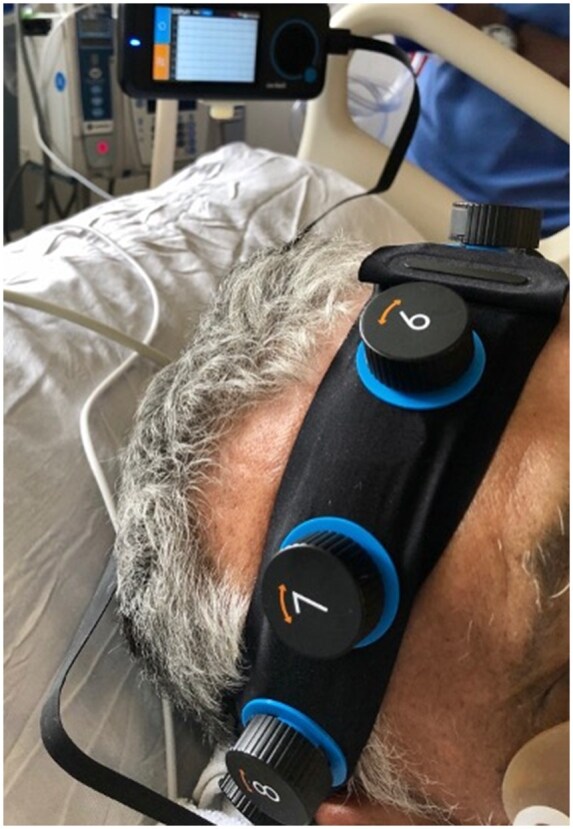 Figure 2
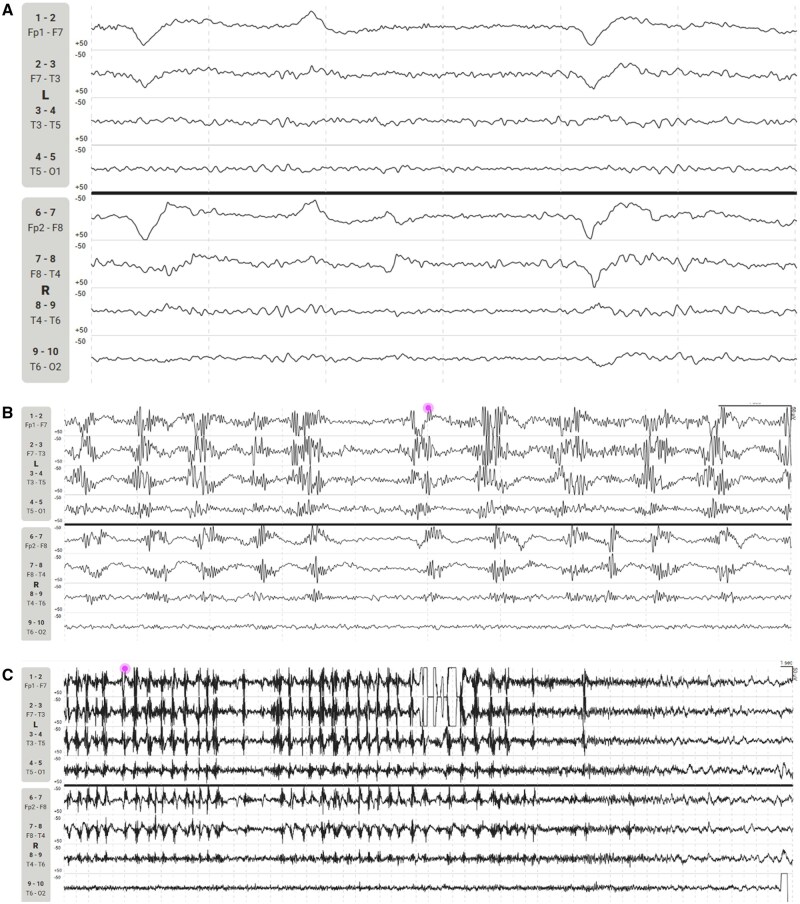 Figure 3
 Figure 4
Peer Reviews
No public reviews on file for this paper yet. If you reviewed it on a platform where reviews are public (OpenReview, ICLR, NeurIPS, ICML), you can paste yours below so the community can read it here.
Videos
No videos yet. Explain this paper in a talk, walkthrough, or lecture? Add one.
Taxonomy
TopicsIntensive Care Unit Cognitive Disorders · Anesthesia and Sedative Agents · Enhanced Recovery After Surgery