Toward dimensional psychiatry in youth: A data-driven analysis of transdiagnostic internalizing symptoms in childhood and adolescence
Ines M. Engler, Nicolas Langer, Juan Felipe Cardona, Juan Felipe Cardona, Juan Felipe Cardona

TL;DR
This study explores a dimensional model of internalizing mental health symptoms in children and adolescents, finding a four-factor structure that could improve clinical understanding and treatment.
Contribution
The study applies and validates the HiTOP internalizing model in youth, identifying a four-factor structure and its sociopsychological correlates.
Findings
A four-factor internalizing structure was identified: Distress, Nervousness, Social Fears, and Obsessions and Compulsions.
The model showed partial invariance across sex, age, and diagnostic groups with strong fit indices.
Sociopsychological variables like bullying and parental attitudes were linked to the identified factors.
Abstract
Categorical diagnostic systems for psychopathology, such as the DSM and ICD, have long been criticized for their limited validity and reliability. Dimensional models, like the Hierarchical Taxonomy of Psychopathology (HiTOP), offer an alternative by focusing on transdiagnostic dimensions that better capture the complexity of mental health disorders. While HiTOP’s internalizing spectrum has been studied extensively in adults, its applicability and structure in children and adolescents remain less clear. Further, understanding sociopsychological indicators associated with internalizing dimensions in this age group could improve developmental psychopathological interventions. We analyzed data from 4,142 participants aged 5–21 (65.7% male; mean age = 10.46) from the Healthy Brain Network. Using exploratory and confirmatory factor analyses, we tested the internalizing structure proposed by…
Genes, proteins, chemicals, diseases, species, mutations and cell lines named across the full text — each resolved to its canonical identifier and authoritative record.
Click any figure to enlarge with its caption.
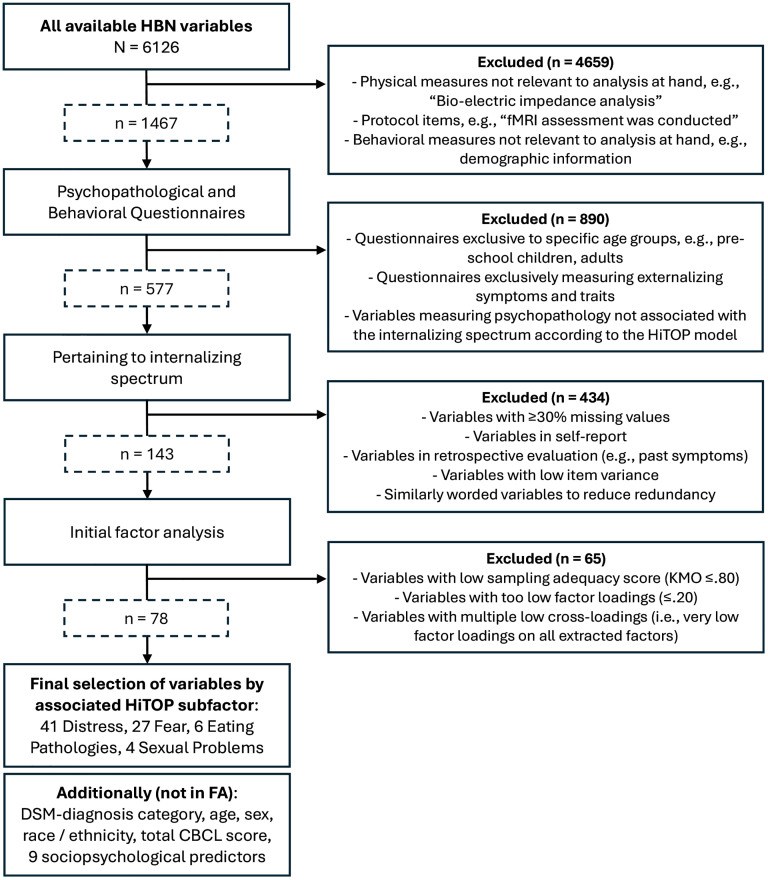 Figure 1
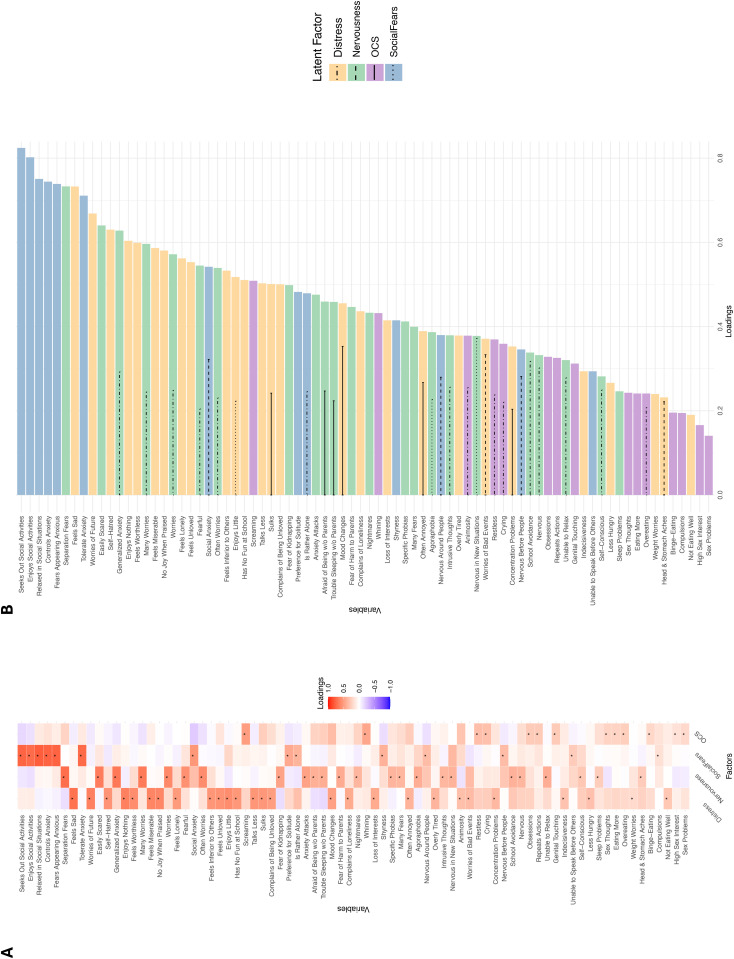 Figure 2
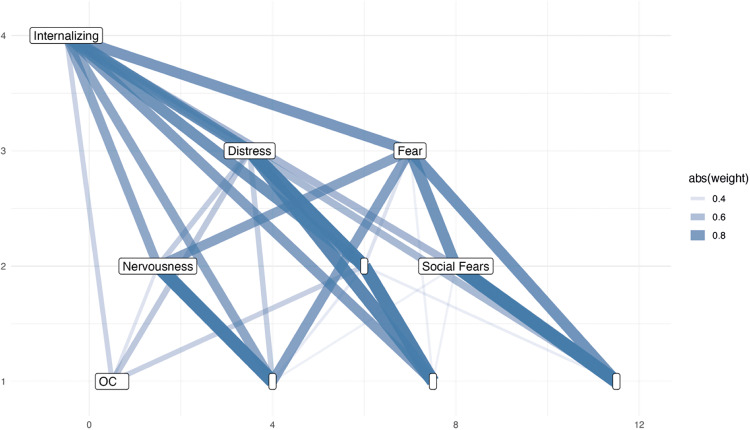 Figure 3
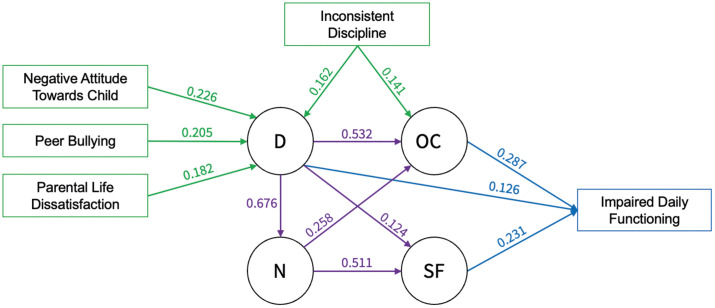 Figure 4
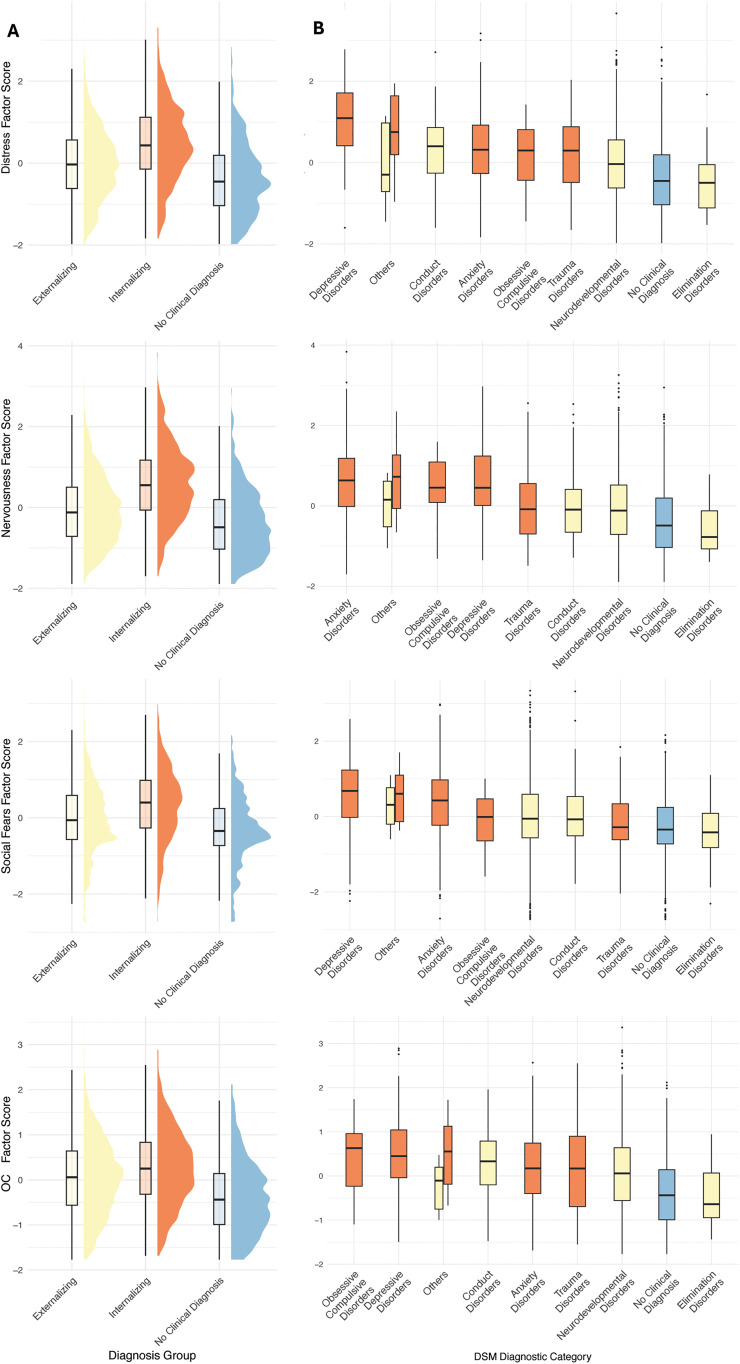 Figure 5
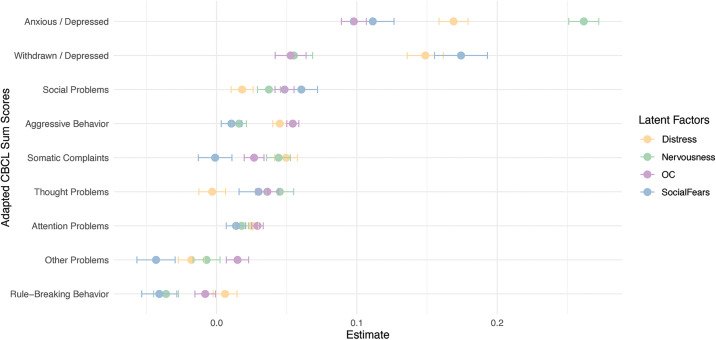 Figure 6
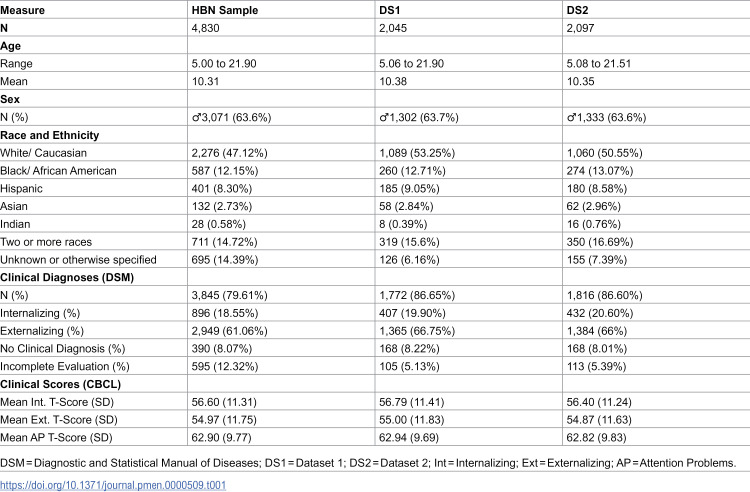 Figure 7
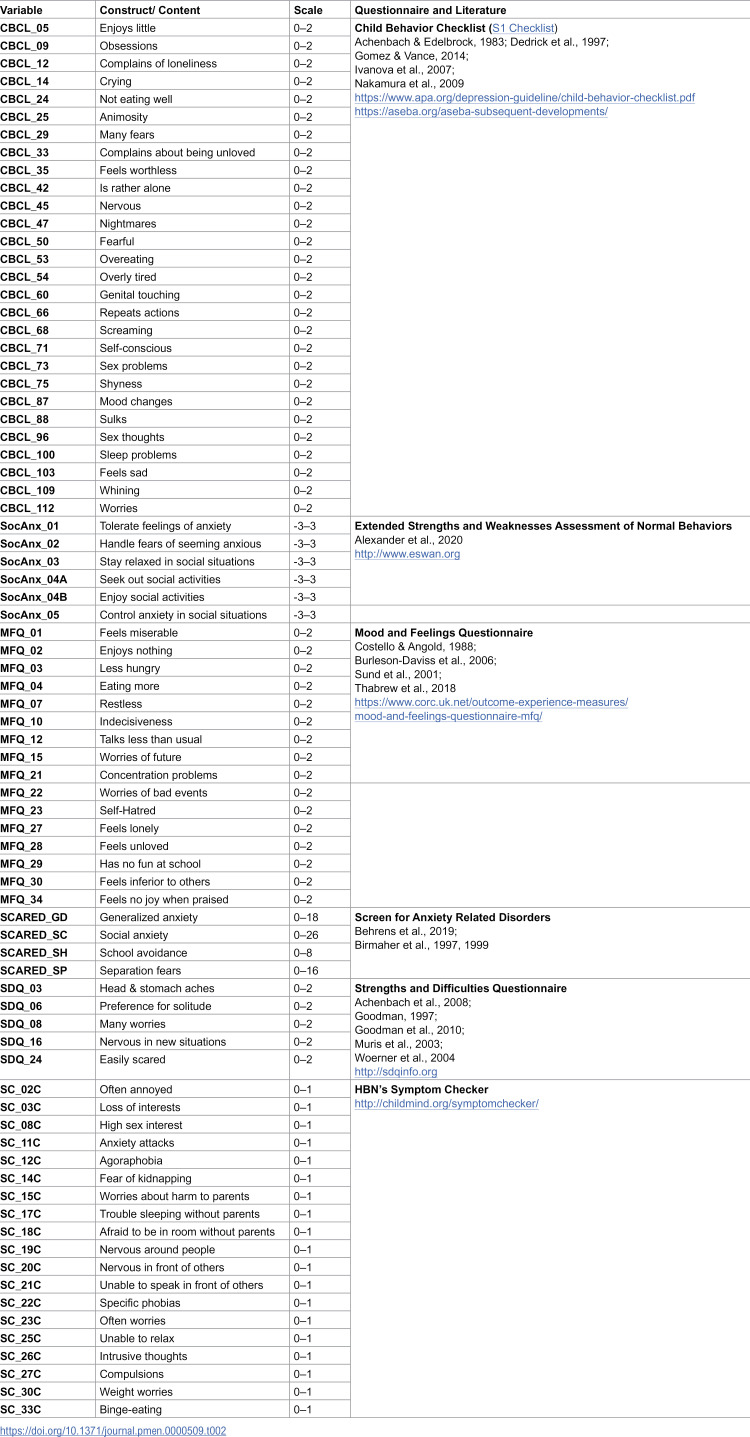 Figure 8
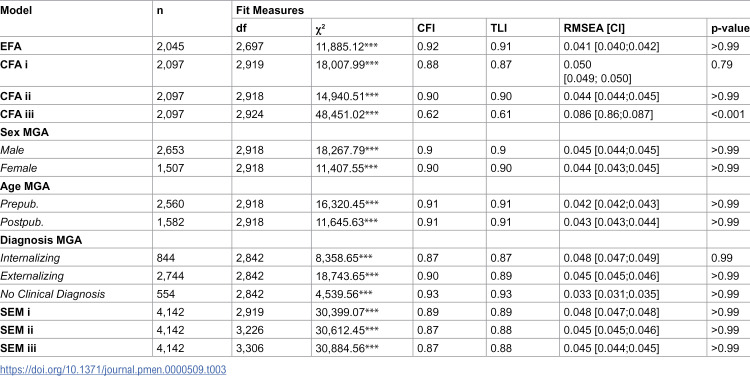 Figure 9
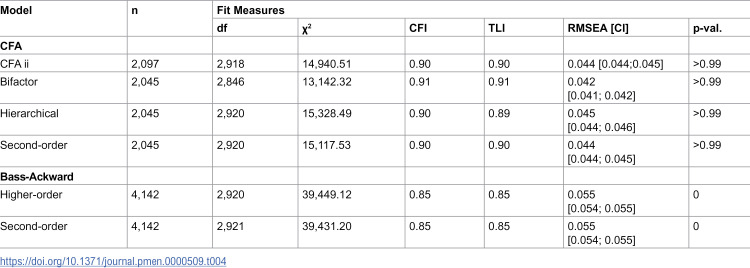 Figure 10
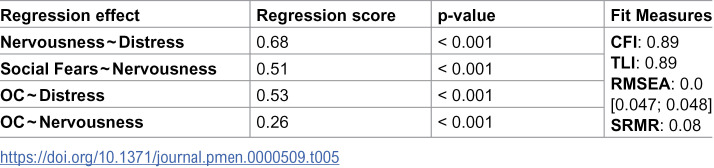 Figure 11
Peer Reviews
No public reviews on file for this paper yet. If you reviewed it on a platform where reviews are public (OpenReview, ICLR, NeurIPS, ICML), you can paste yours below so the community can read it here.
Videos
No videos yet. Explain this paper in a talk, walkthrough, or lecture? Add one.
Taxonomy
TopicsPersonality Disorders and Psychopathology · Child and Adolescent Psychosocial and Emotional Development · Mental Health Research Topics