Self-regulation of socioemotional behavior in twin adolescents: Structural validation of a multidimensional inventory
Lea Pulkkinen, Asko Tolvanen, Stephanie Zellers, Jaakko Kaprio, Richard J. Rose, Alyce M. Whipp, Helena Slobodskaya, Helena Slobodskaya, Helena Slobodskaya

TL;DR
This study validates a new inventory for measuring self-regulation of socioemotional behavior in adolescents, showing it is reliable and influenced by both genetics and environment.
Contribution
The study introduces a validated multidimensional inventory for self-regulation of socioemotional behavior with genetic and environmental insights.
Findings
The inventory's structure shows a bipolar factor representing vulnerability to psychopathology versus self-regulation capacity.
Self-ratings on the inventory correlate highly with co-twin ratings at age 17 and with earlier ratings at age 14.
Both genetic and environmental factors contribute to individual differences in self-regulation.
Abstract
Instruments for rating socioemotional behavior with a strong theoretical basis, broad coverage of behaviors, and adequate validation are rare. Here, the Multidimensional Peer Nomination Inventory (MPNI) Form SERI (Socio(E]motional Regulation Inventory) was employed in a longitudinal population-based sample of Finnish twins at age 17 to study: (1) the structure of self-ratings on self-regulation of socioemotional behavior, (2) construct, criterion, concurrent, and predictive validity of the scales, as well as invariance analysis, and (3) genetic and environmental factors contributing to individual differences in self-regulation. A bipolar factor for low versus high self-regulation was interpreted as representing vulnerability to a p-factor (general psychopathology) versus src-factor (self-regulation capacity), and respective scales were formed for both. Behavioral regulation in each was…
Genes, proteins, chemicals, diseases, species, mutations and cell lines named across the full text — each resolved to its canonical identifier and authoritative record.
Click any figure to enlarge with its caption.
 Figure 1
 Figure 2
 Figure 3
 Figure 4
 Figure 5
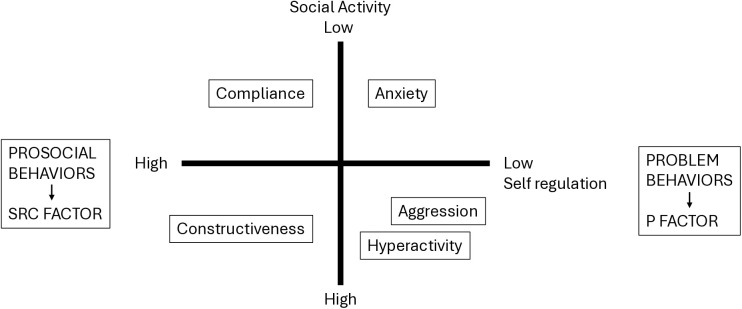 Figure 6
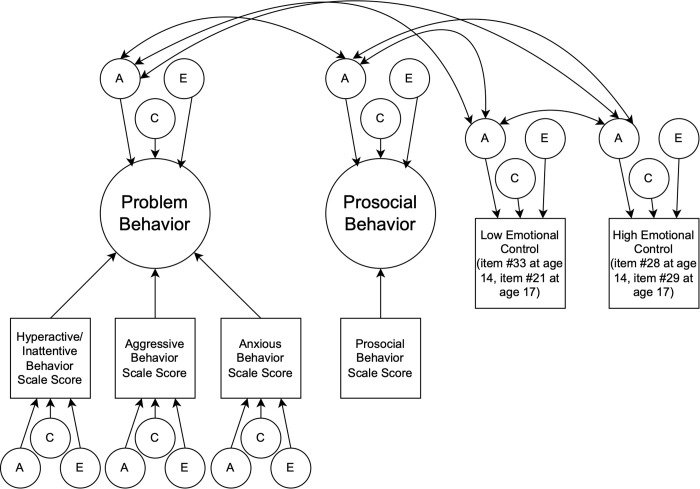 Figure 7
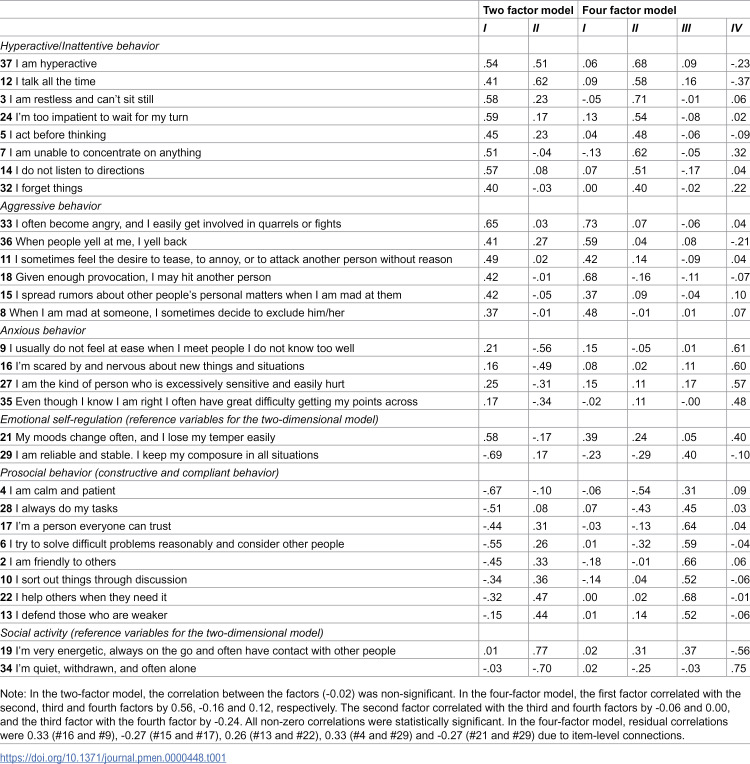 Figure 8
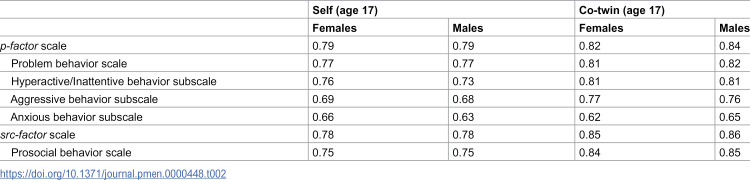 Figure 9
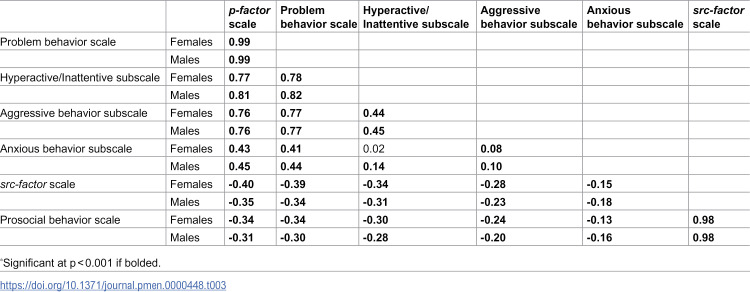 Figure 10
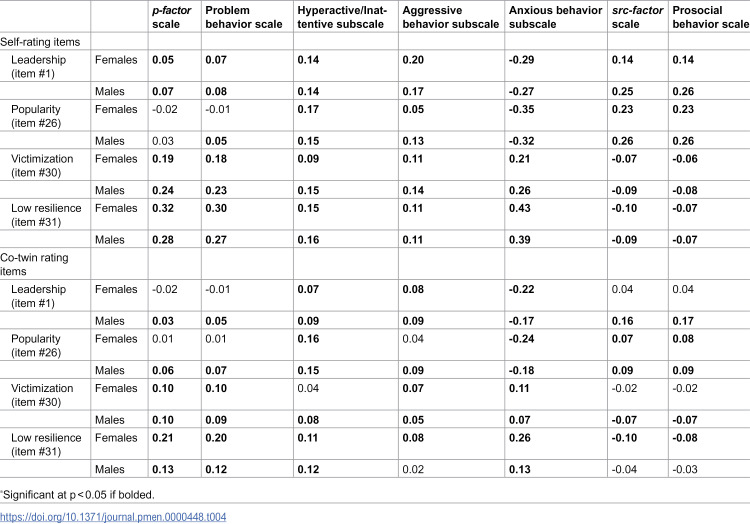 Figure 11
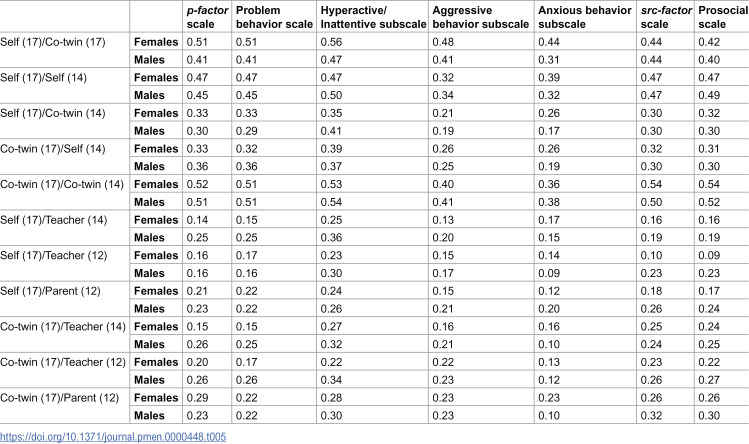 Figure 12
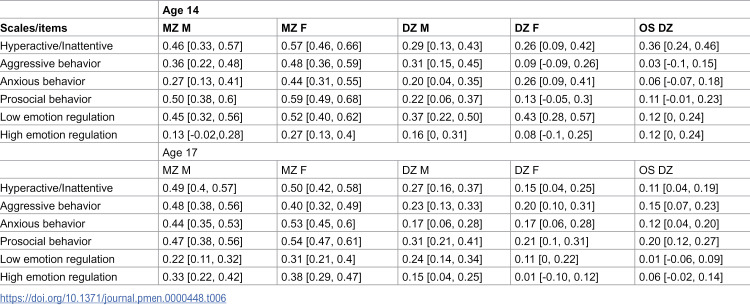 Figure 13
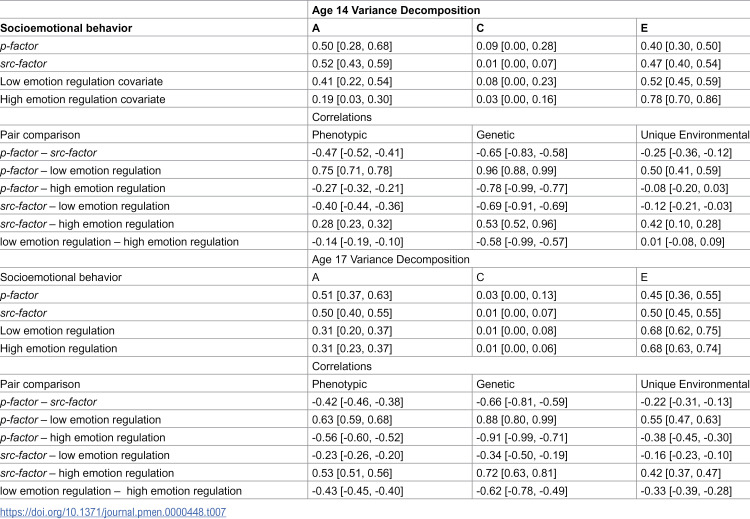 Figure 14
Peer Reviews
No public reviews on file for this paper yet. If you reviewed it on a platform where reviews are public (OpenReview, ICLR, NeurIPS, ICML), you can paste yours below so the community can read it here.
Videos
No videos yet. Explain this paper in a talk, walkthrough, or lecture? Add one.
Taxonomy
TopicsChild and Adolescent Psychosocial and Emotional Development · Cognitive Abilities and Testing · Behavioral Health and Interventions