Integrating competency-based assessment into training with peer counsellors providing support at scale to children, adolescents and young adults living with HIV in Zimbabwe: An implementation pilot case study
Carol Wogrin, Sarah Bernays, Shelter Dhliwayo, Eliza Gwenzi, Debra Machando, Charity Mandimika, Shepard Munyoro, Tanyaradzwa Napei, Getrude Ncube, Billiart Tapesana, James Underhill, Nicola Willis, Abigail Hatcher, Abigail Hatcher

TL;DR
This study shows how integrating competency-based assessments into peer-counsellor training improves the quality of psychosocial support for HIV-positive youth in Zimbabwe.
Contribution
The study demonstrates the feasibility and effectiveness of integrating WHO’s EQUIP competency-based assessment into peer-counsellor training for HIV support programs.
Findings
Baseline assessments identified gaps in counselling skills, allowing targeted training.
Endline assessments showed all 16 participants improved their foundational counselling skills.
Follow-up self-assessments confirmed increased confidence and better client interactions.
Abstract
Zvandiri is a differentiated psychosocial support program delivering peer-counselling to children, adolescents and young adults living with HIV (CAYALHIV), functioning at a national scale in Zimbabwe and in 14 other African countries. Stigma and mental health issues are significant drivers of suboptimal health outcomes in CAYALHIV, particularly in low-resource settings where the professional workforce is inadequate to meet the volume of need. Task shifting to peer counsellors has shown promise in improving care yet developing robust mechanisms to ensure consistent quality has received limited attention to date. To promote quality services delivered by peer counsellors (ages 18 – 24 years), Zvandiri sought to pragmatically address the feasibility and effectiveness of integrating the World Health Organization’s EQUIP (Ensuring Quality in Psychological Support) competency-based assessment…
Genes, proteins, chemicals, diseases, species, mutations and cell lines named across the full text — each resolved to its canonical identifier and authoritative record.
Click any figure to enlarge with its caption.
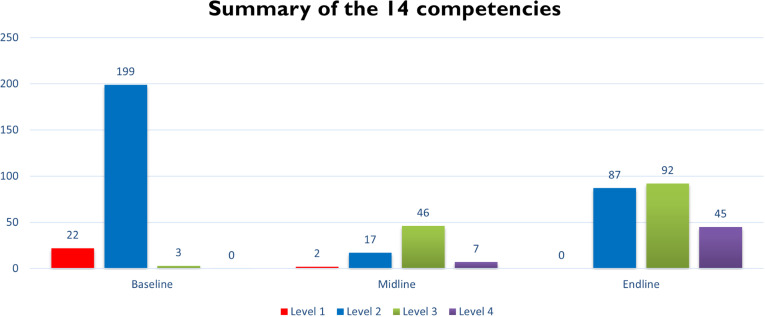 Figure 1
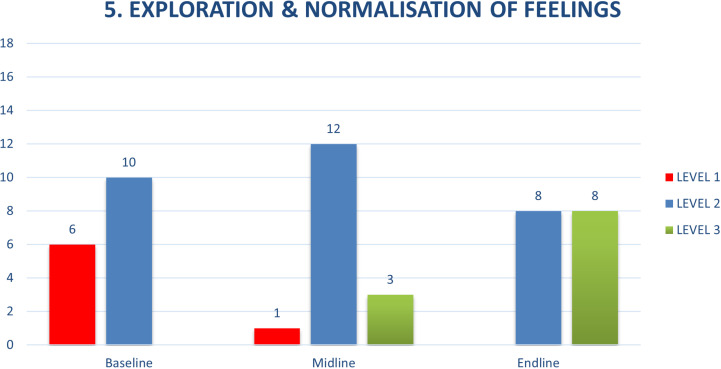 Figure 2
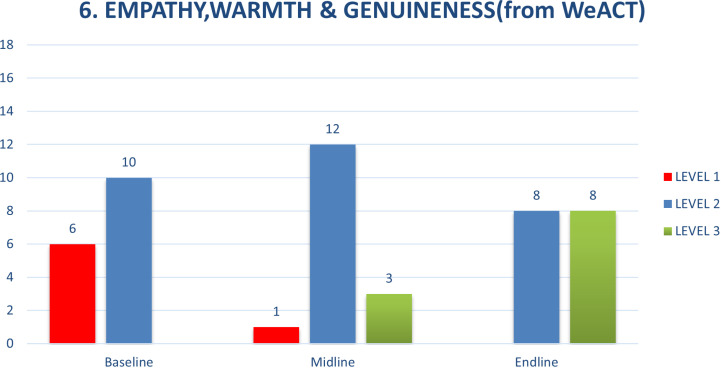 Figure 3
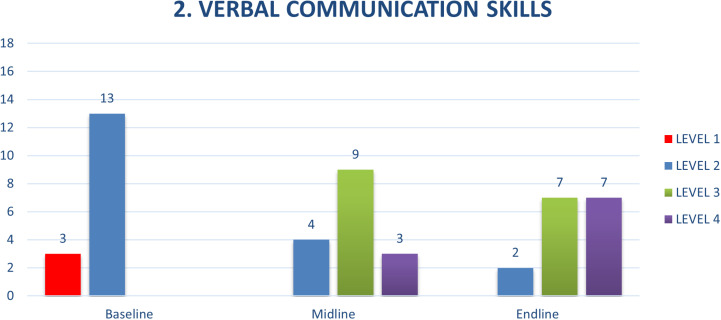 Figure 4
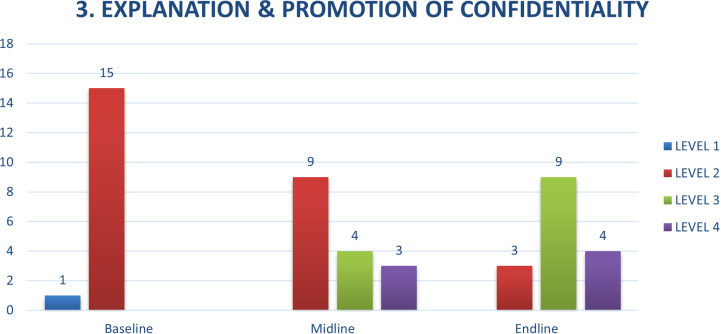 Figure 5
 Figure 6
Peer Reviews
No public reviews on file for this paper yet. If you reviewed it on a platform where reviews are public (OpenReview, ICLR, NeurIPS, ICML), you can paste yours below so the community can read it here.
Videos
No videos yet. Explain this paper in a talk, walkthrough, or lecture? Add one.
Taxonomy
TopicsInterprofessional Education and Collaboration · Family and Disability Support Research · Family Support in Illness