Physiological and biochemical variations in different pepper (Capsicum annuum var. conoides) varieties under salt stress
Xinru Li, Yamin Zhang, Doudou Zhang, Junhao Liu, Nan Xu, Yike Zhong, Xu Han, Zhuona Chen, Yingpeng Hua, Nan Lu, Bo Li, Yinggang Wang, Wenyue Li, Haihong Shang

TL;DR
This study explores how different pepper varieties respond to salt stress, identifying physiological and molecular mechanisms that help some peppers tolerate salt better than others.
Contribution
The study is the first to systematically reveal the role of the alkaloid pathway in pepper salt stress response using multi-omics approaches.
Findings
Salt-tolerant pepper variety P47 showed better maintenance of chlorophyll and antioxidant enzyme activities under stress.
Transcriptomic and metabolomic analyses identified key genes and pathways involved in salt tolerance, including alkaloid biosynthesis.
Salt-sensitive variety P18 exhibited severe cellular damage and disrupted ion homeostasis under salt stress.
Abstract
Pepper (Capsicum annuum L.), an annual herbaceous plant of the Solanaceae family, is extensively cultivated as both a fresh vegetable and a condiment, ranking among the most widely grown vegetable crops globally. Pod pepper (Capsicum annuum var. conoides), major variety of pepper, often suffers from salt stress during growth, leading to reduced yield and quality. However, systematic multi-omics studies on the salt stress response in pod pepper remain limited. To elucidate physiological responses and salt tolerance mechanisms in pepper plants, this study screened 63 pod pepper accessions and selected salt-tolerant (P47) and salt-sensitive (P18) varieties for comparative analysis. Integrated physiological, transcriptomic and metabolomic analyses revealed that P47 exhibited lower leaf relative electrical conductivity, malondialdehyde content, and Na⁺/K⁺ ratio, along with better…
Genes, proteins, chemicals, diseases, species, mutations and cell lines named across the full text — each resolved to its canonical identifier and authoritative record.
Click any figure to enlarge with its caption.
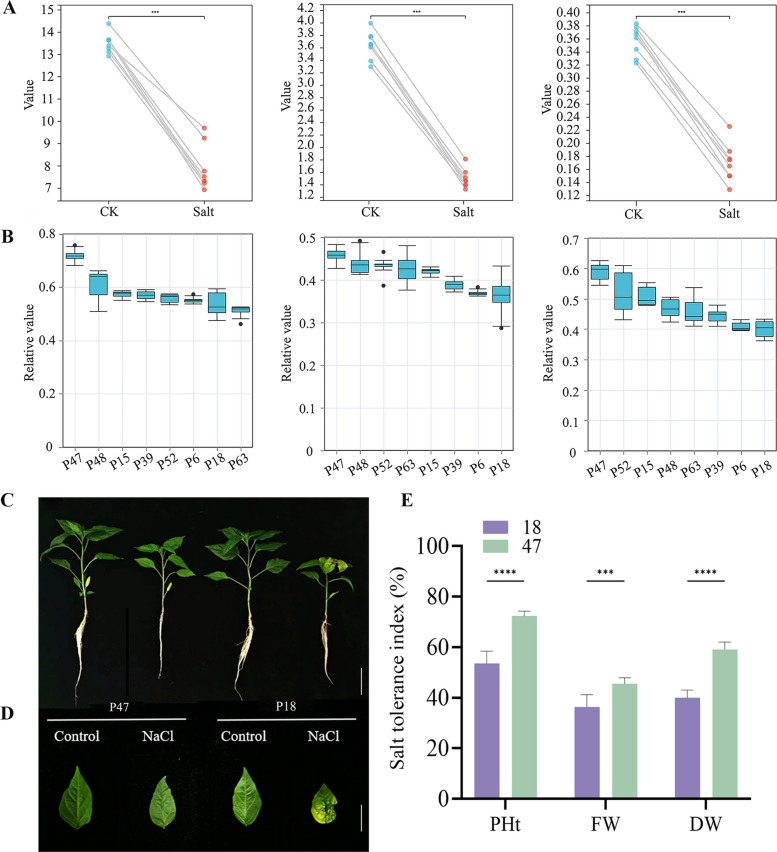 Figure 1
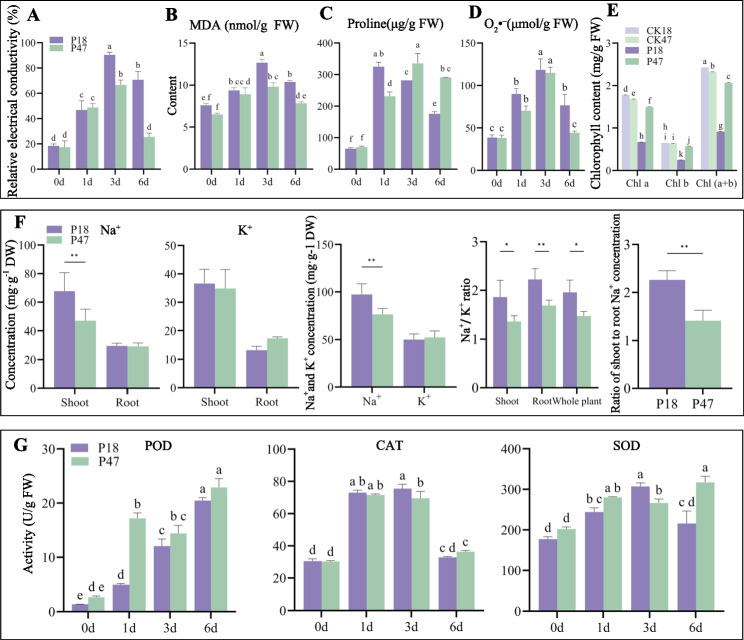 Figure 2
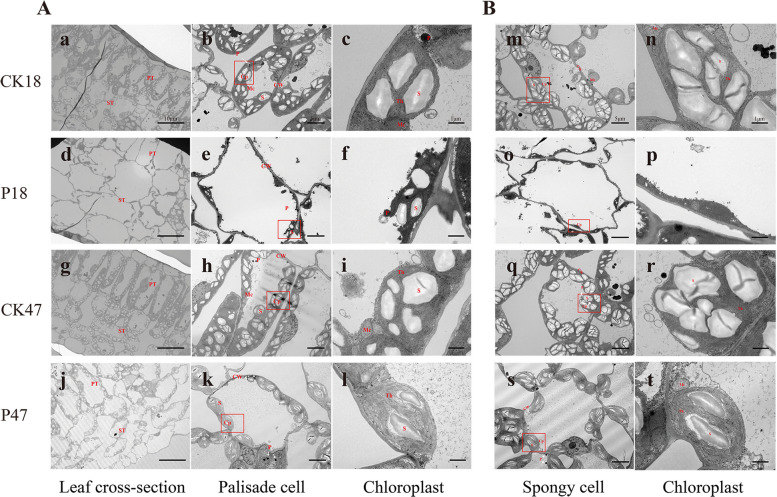 Figure 3
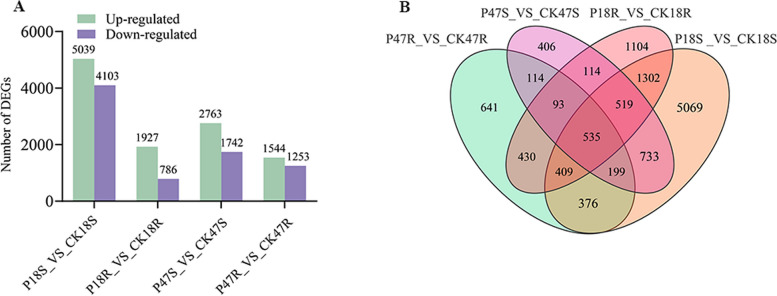 Figure 4
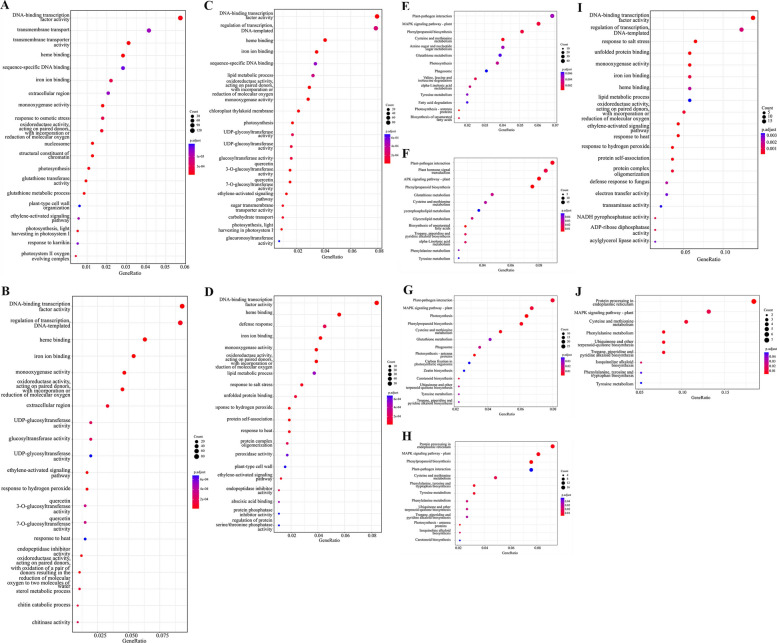 Figure 5
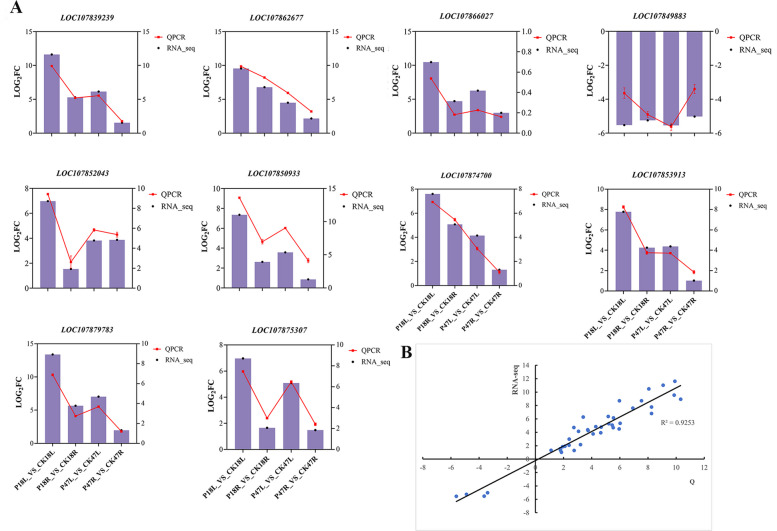 Figure 6
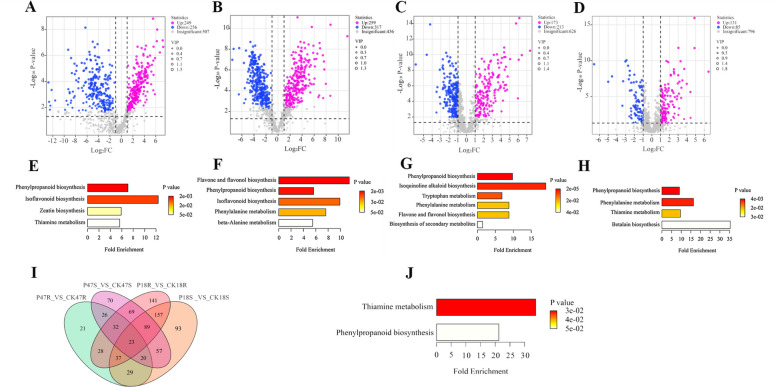 Figure 7
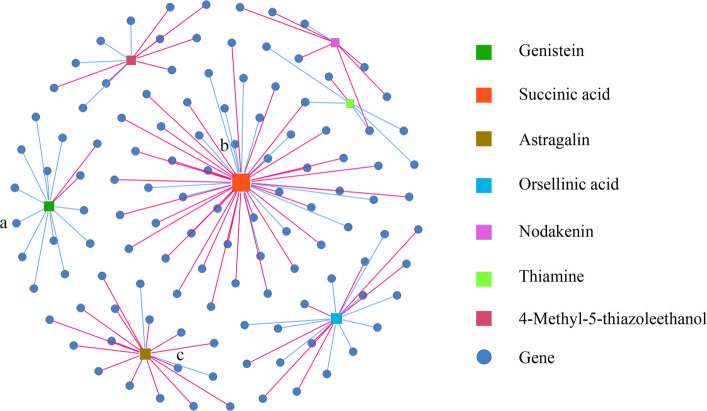 Figure 8
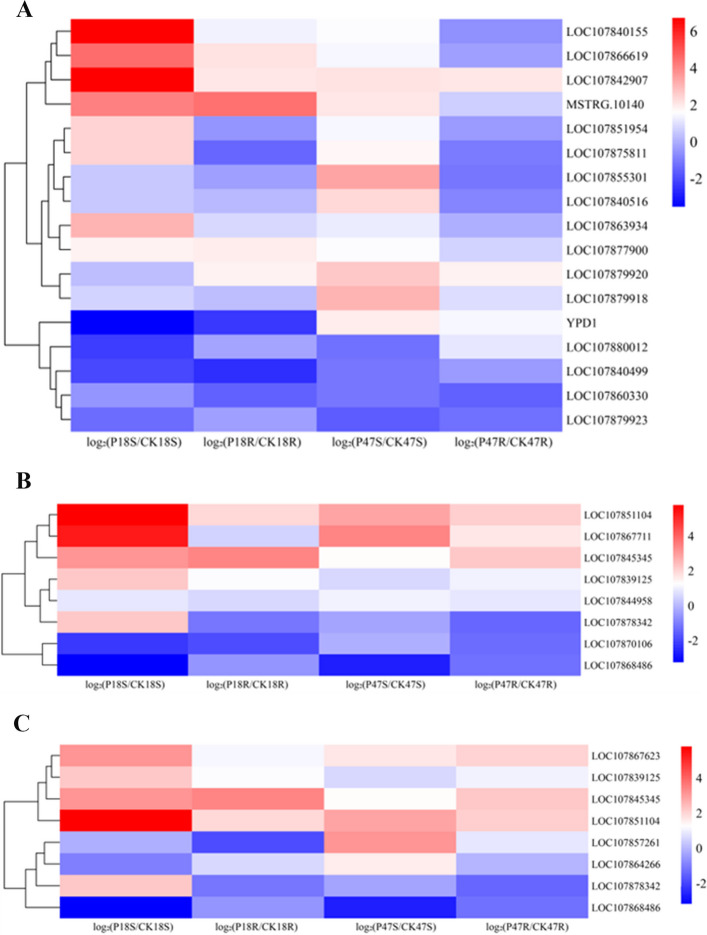 Figure 9
Peer Reviews
No public reviews on file for this paper yet. If you reviewed it on a platform where reviews are public (OpenReview, ICLR, NeurIPS, ICML), you can paste yours below so the community can read it here.
Videos
No videos yet. Explain this paper in a talk, walkthrough, or lecture? Add one.
Taxonomy
TopicsIon Channels and Receptors · Genomics, phytochemicals, and oxidative stress · Plant Stress Responses and Tolerance