Echinococcus granulosus antigen B acts as an LPS-scavenging lipoprotein in vitro, preventing TLR4-mediated activation of dendritic cells
S. Lagos Magallanes, A. Beasley Lomazzi, F. Zamarreño, F. Carrión, M. Fló, J. Dutto, J. Julve, M. Costabel, M. Maccioni, A. M. Folle, A. M. Ferreira

TL;DR
This study shows that a protein from Echinococcus granulosus can act as an LPS scavenger, reducing inflammation by blocking TLR4 activation in immune cells.
Contribution
The study reveals that EgAgB functions as an LPS-binding and -scavenging lipoprotein, offering a novel mechanism for its immunomodulatory effects.
Findings
EgAgB inhibits LPS-induced cytokine production and disrupts TLR4 dimerization and endocytosis in dendritic cells.
EgAgB binds LPS more effectively than human HDL, as shown by competitive binding assays and docking analysis.
The LPS scavenging activity of EgAgB is TLR4-independent but suppresses TLR4-mediated inflammatory responses.
Abstract
Echinococcus granulosus sensu lato antigen B (EgAgB) is a major parasite lipoprotein, produced by the hydatid and released at the host-parasite interface. Accumulating evidence supports that EgAgB may exert immunomodulatory effects on myeloid cells; however, the underlying molecular mechanisms remain poorly understood. We examined the impact of native EgAgB (nEgAgB) and recombinant EgAgB8/1 (rEgAgB) on lipopolysaccharide (LPS)-induced activation of bone marrow-derived dendritic cells (BMDC) to help elucidate these mechanisms. Both immunoaffinity-purified nEgAgB or rEgAgB induced modest BMDC activation, indicated by the production of IL-6, IL-12p40, and nitric oxide, but not IFN-β. This activation was primarily attributed to LPS traces in EgAgB preparations since it was nearly abolished by a specific TLR4 inhibitor and in Tlr4−/− BMDC, while EgAgB binding to BMDC was TLR4-independent.…
Genes, proteins, chemicals, diseases, species, mutations and cell lines named across the full text — each resolved to its canonical identifier and authoritative record.
Click any figure to enlarge with its caption.
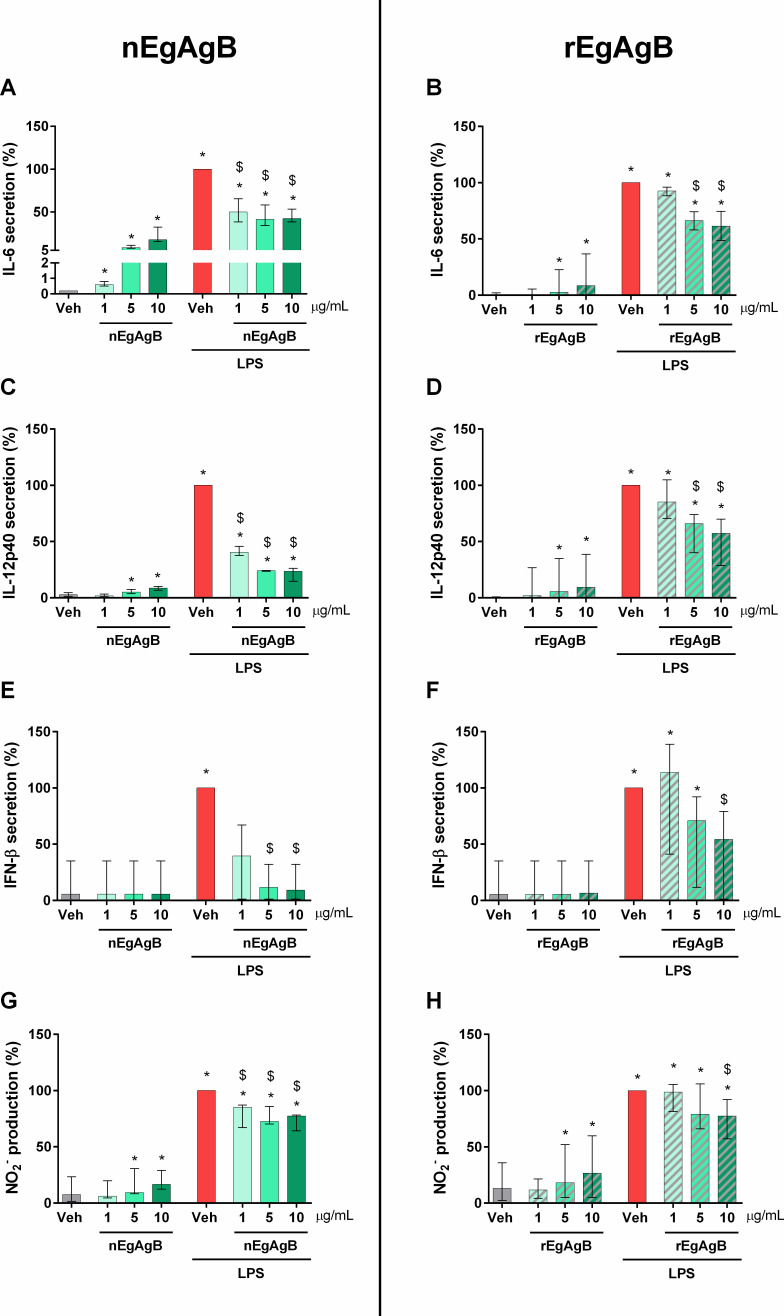 Figure 1
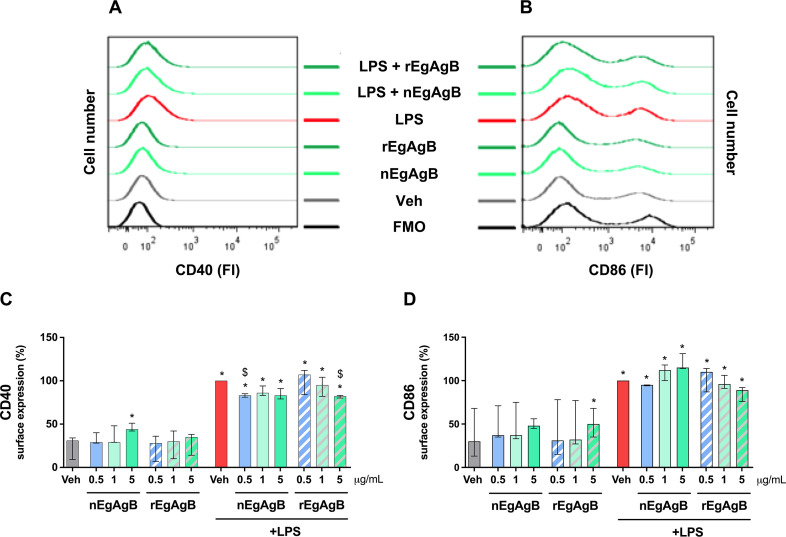 Figure 2
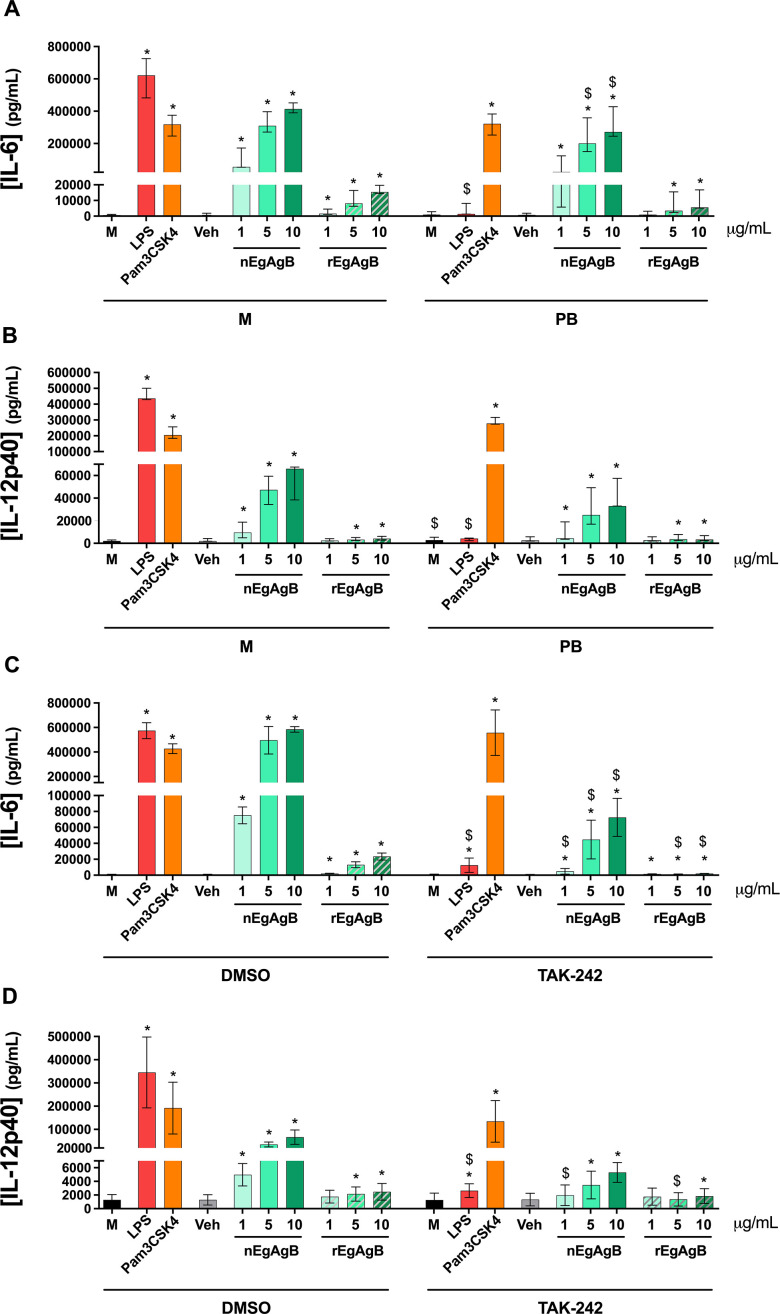 Figure 3
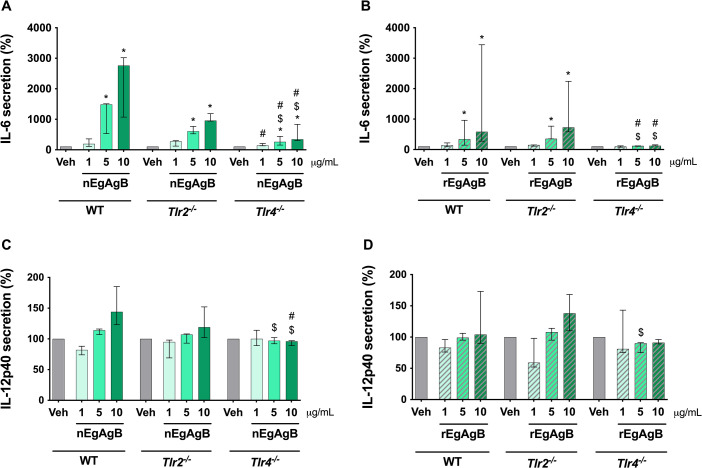 Figure 4
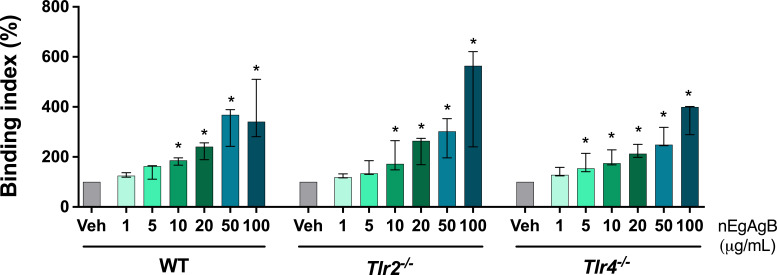 Figure 5
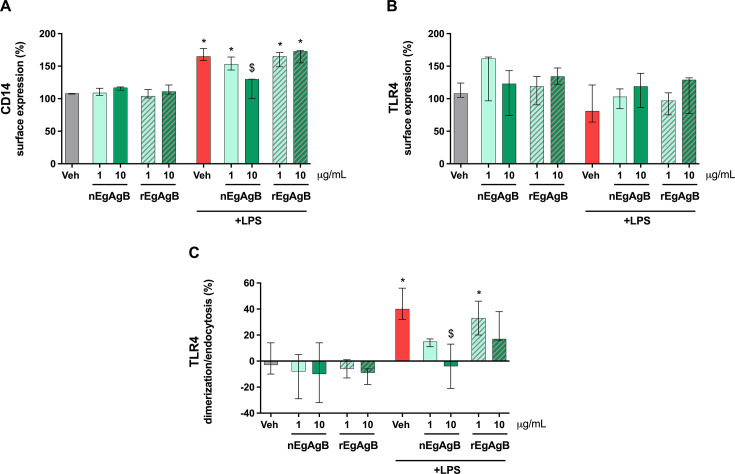 Figure 6
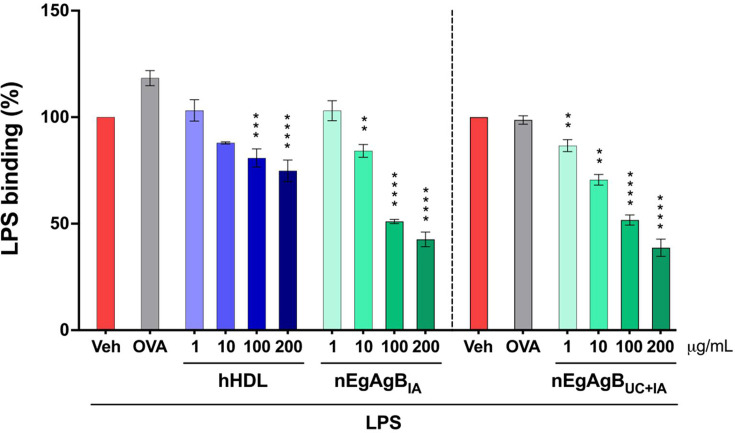 Figure 7
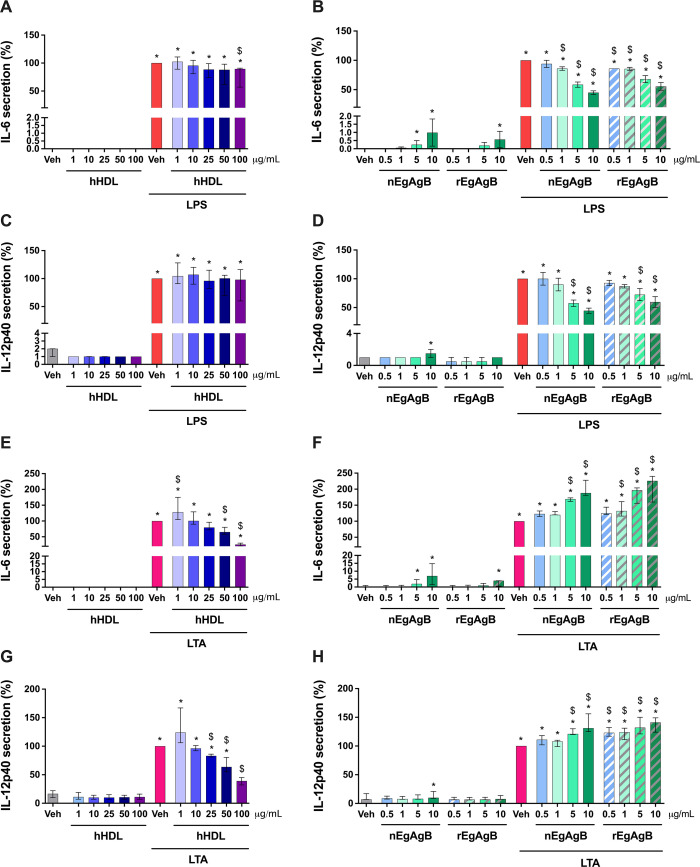 Figure 8
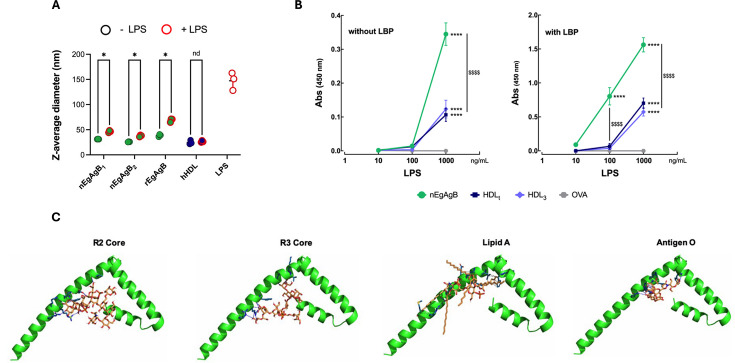 Figure 9
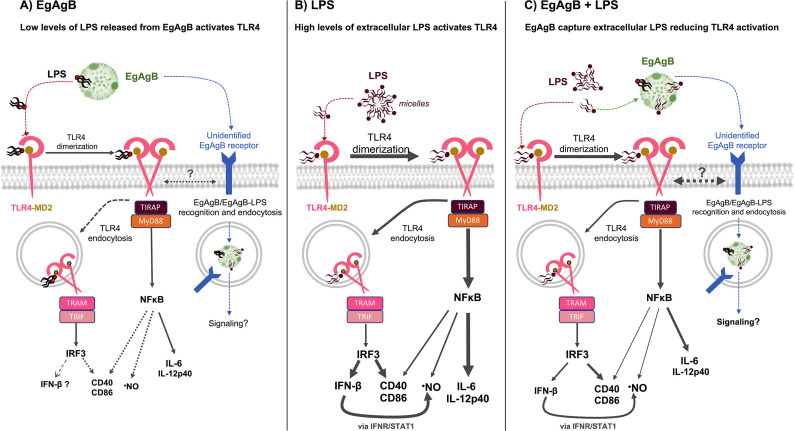 Figure 10
Peer Reviews
No public reviews on file for this paper yet. If you reviewed it on a platform where reviews are public (OpenReview, ICLR, NeurIPS, ICML), you can paste yours below so the community can read it here.
Videos
No videos yet. Explain this paper in a talk, walkthrough, or lecture? Add one.
Taxonomy
TopicsParasitic infections in humans and animals · Amoebic Infections and Treatments · Parasites and Host Interactions