Evaluation of an Italian Phlebotomus perfiliewi (Larroussius) wild population as a permissive vector species for Leishmania tropica and L. major transmission
Ilaria Bernardini, Claudia Mangiapelo, Eleonora Fiorentino, Stefania Orsini, Riccardo Bianchi, Anna Rosa Sannella, Aldo Scalone, Trentina Di Muccio, Gioia Bongiorno

TL;DR
This study shows that an Italian sand fly species can support the development of two Leishmania parasites, though less efficiently than known vectors.
Contribution
The study experimentally demonstrates that Phlebotomus perfiliewi can support the development of L. tropica and L. major in Italy.
Findings
P. perfiliewi supported L. tropica development with a 25.2% infection positivity rate.
P. perfiliewi supported L. major metacyclogenesis, though with a lower feeding rate than the control species.
Parasite migration to the stomodeal valve suggests potential for full developmental cycles in P. perfiliewi.
Abstract
Among pathogenic Leishmania species, L. major and L. tropica, occur mainly in North African and Middle Eastern countries, primarily transmitted by Phlebotomus papatasi and P. sergenti respectively. In Italy, P. perfiliewi is the second most abundant sand fly species involved in L. infantum transmission exhibiting opportunistic behaviour in rural and semi-urban settings. Experimental infections were conducted to assess the susceptibility of a wild Italian P. perfiliewi population to the development of L. tropica and L. major. Experiments were performed with a wild P. perfiliewi population, collected in Magliano in Toscana (Tuscany, Italy). In separate experiments, females were artificially infected with a suspension of L. tropica or L. major (106 promastigotes/ml). Infection progression was monitored through microscopic midgut dissection and supported by molecular analyses.…
Genes, proteins, chemicals, diseases, species, mutations and cell lines named across the full text — each resolved to its canonical identifier and authoritative record.
Click any figure to enlarge with its caption.
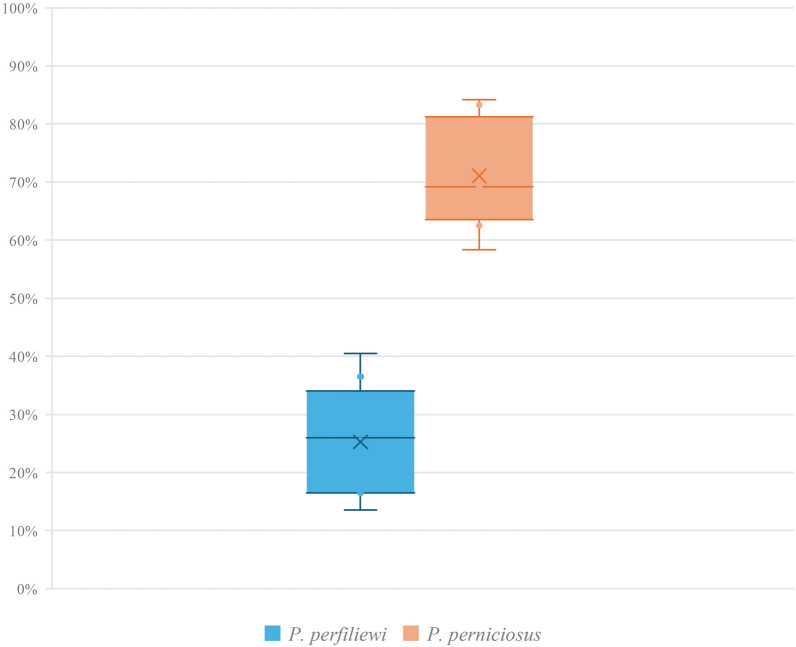 Figure 1
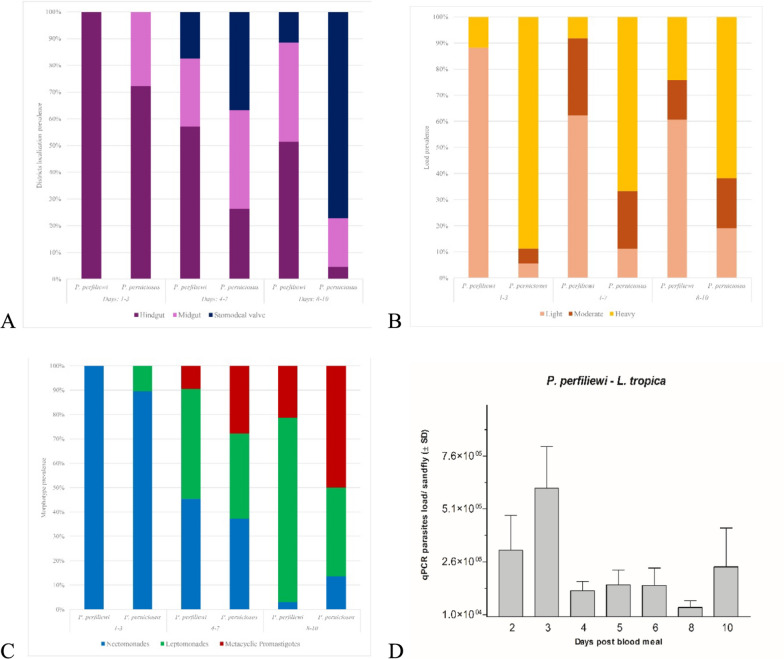 Figure 2
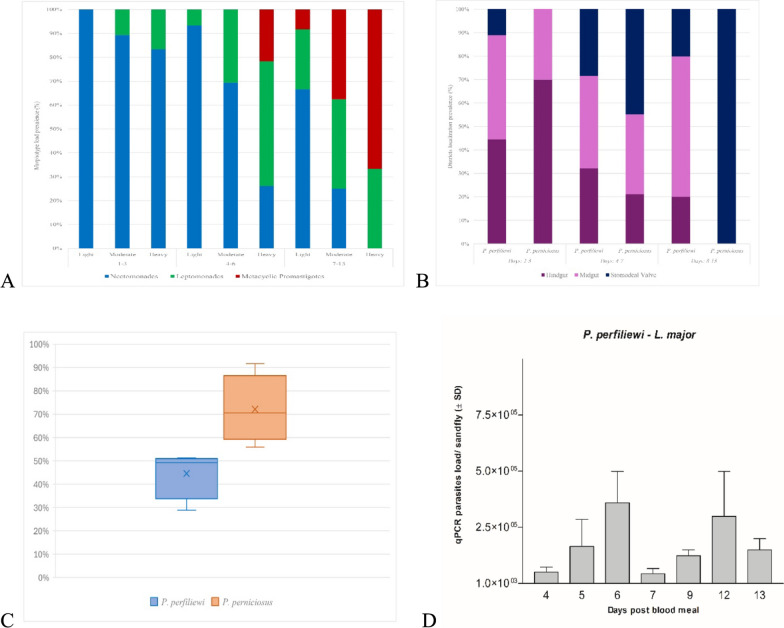 Figure 3
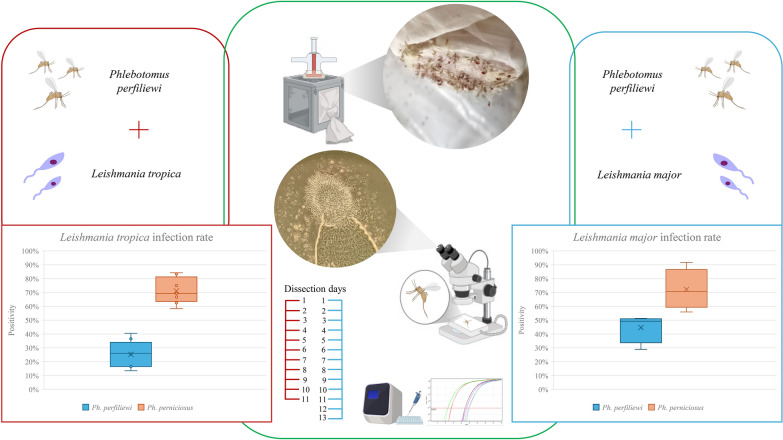 Figure 4
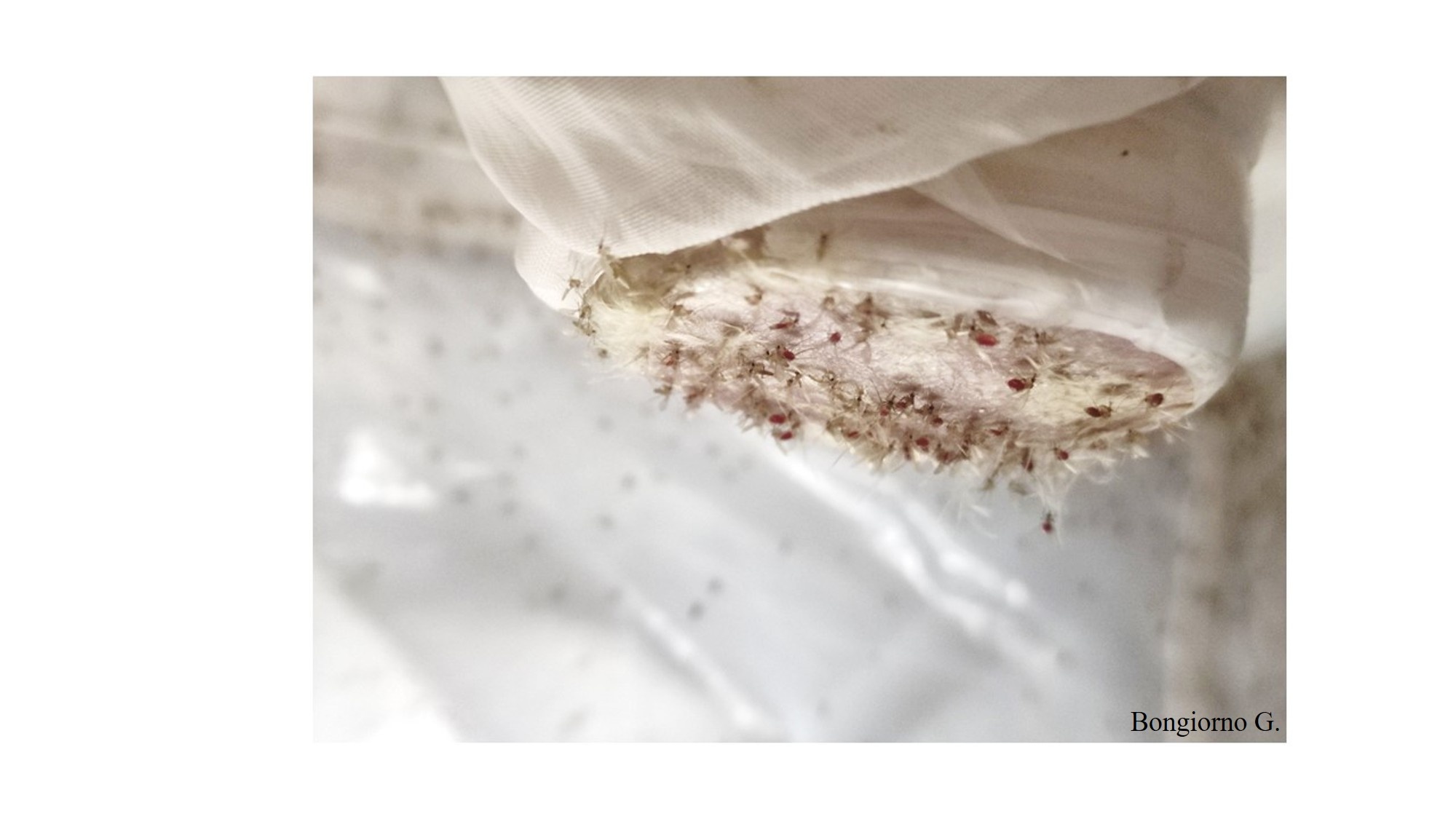 Figure 5
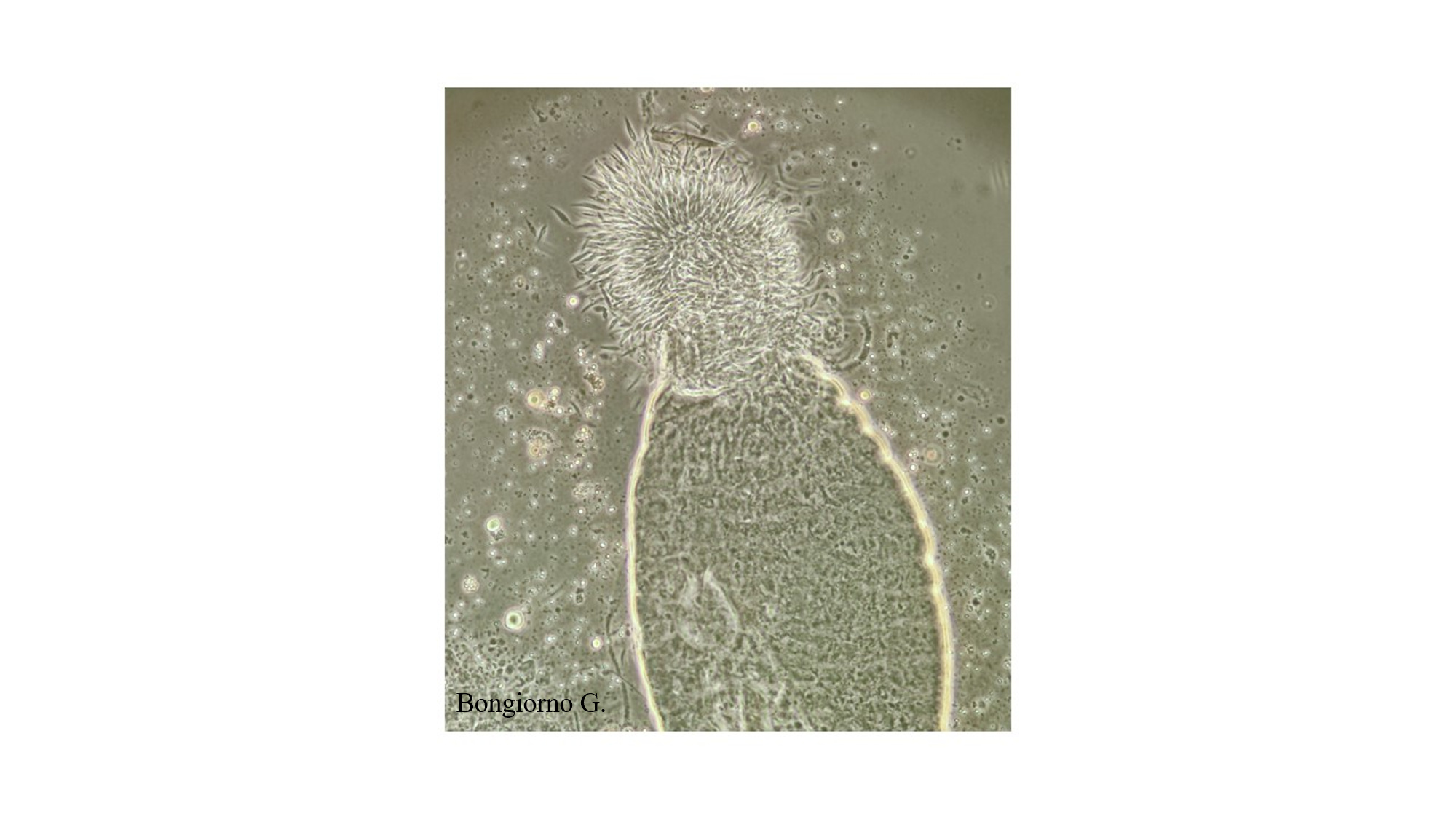 Figure 6
Peer Reviews
No public reviews on file for this paper yet. If you reviewed it on a platform where reviews are public (OpenReview, ICLR, NeurIPS, ICML), you can paste yours below so the community can read it here.
Videos
No videos yet. Explain this paper in a talk, walkthrough, or lecture? Add one.
Taxonomy
TopicsResearch on Leishmaniasis Studies · Parasites and Host Interactions · Trypanosoma species research and implications