Non-motor symptoms as critical predictors of quality of life in Parkinson’s disease: a machine learning approach
Daniel Magano, António S. Barros, João Massano, Laila Alsuwaidi, Tiago Taveira-Gomes

TL;DR
This study shows that non-motor symptoms are key predictors of quality of life in Parkinson’s disease using machine learning models.
Contribution
The study introduces a machine learning approach to predict quality of life dimensions in Parkinson’s disease using non-motor symptoms.
Findings
Non-motor symptoms were the most important predictors of health-related quality of life across all models.
Machine learning models achieved moderate performance in predicting overall quality of life and cognitive aspects.
Social Support, Bodily Discomfort, and Stigma dimensions clustered with Anxiety in the analysis.
Abstract
Parkinson’s disease (PD) considerably impacts health-related quality of life (HRQoL) through motor and non-motor symptoms. The Parkinson’s Disease Questionnaire-39 (PDQ-39) is the most widely used tool to assess HRQoL, encompassing eight dimensions and a Summary Index providing an overall score. Despite advances in machine learning (ML) for predicting disease symptoms and progression, its application to predict HRQoL across these dimensions remains underexplored. This study uses complete-case data for 478 of 861 patients from PRISM, a cross-sectional observational survey conducted in six European countries in 2018–2019. Participants were adults with PD recruited through advocacy groups and clinical centers who completed online assessments, providing data on demographics, medication, comorbidities, and disease characteristics (Tolosa et al., 2021). ML models were trained to predict…
Genes, proteins, chemicals, diseases, species, mutations and cell lines named across the full text — each resolved to its canonical identifier and authoritative record.
Click any figure to enlarge with its caption.
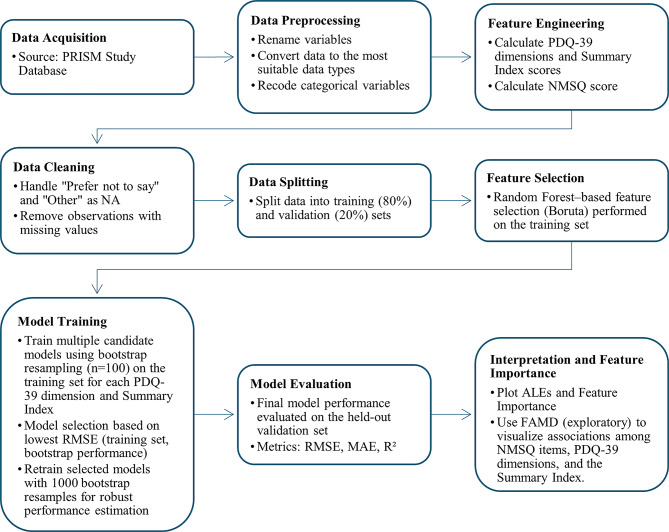 Figure 1
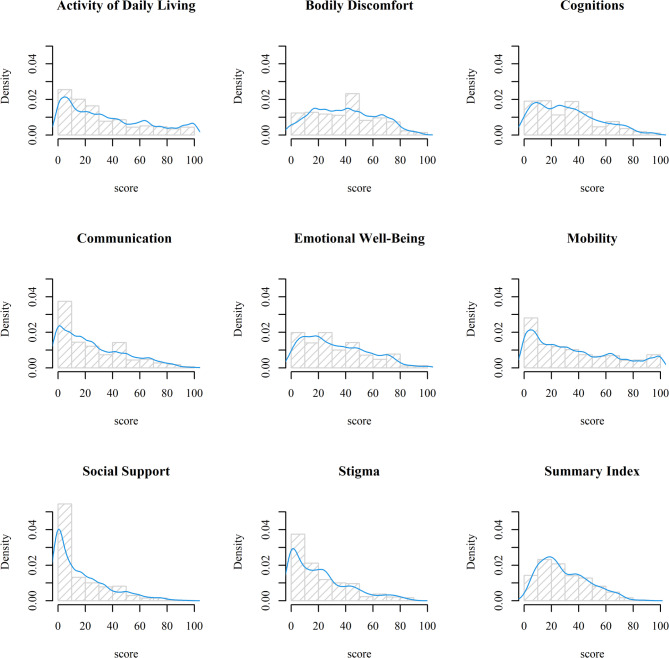 Figure 2
 Figure 3
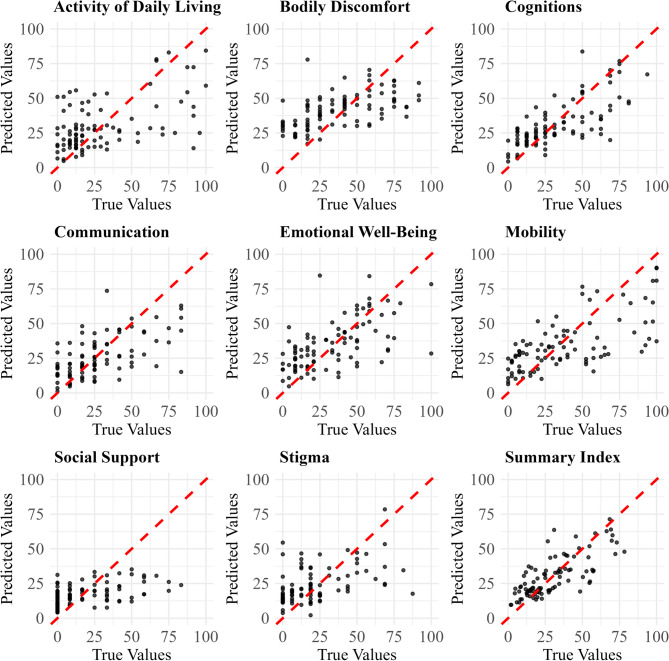 Figure 4
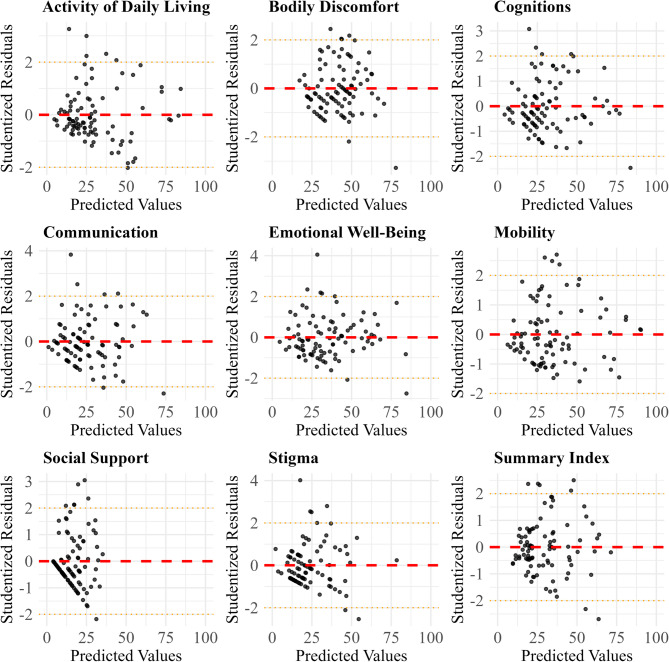 Figure 5
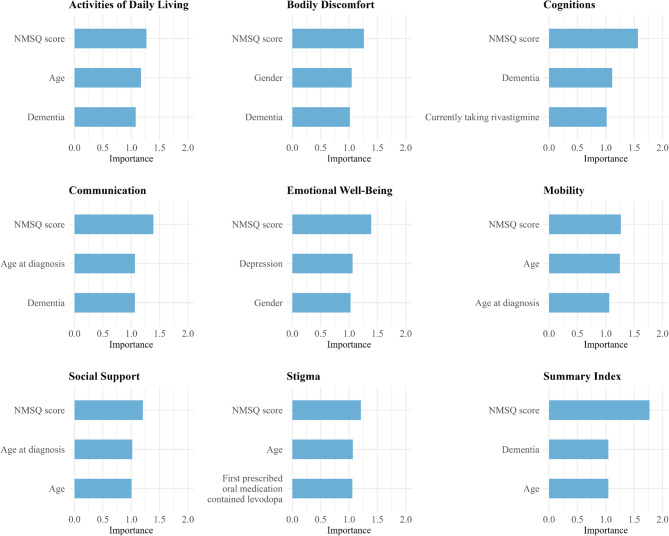 Figure 6
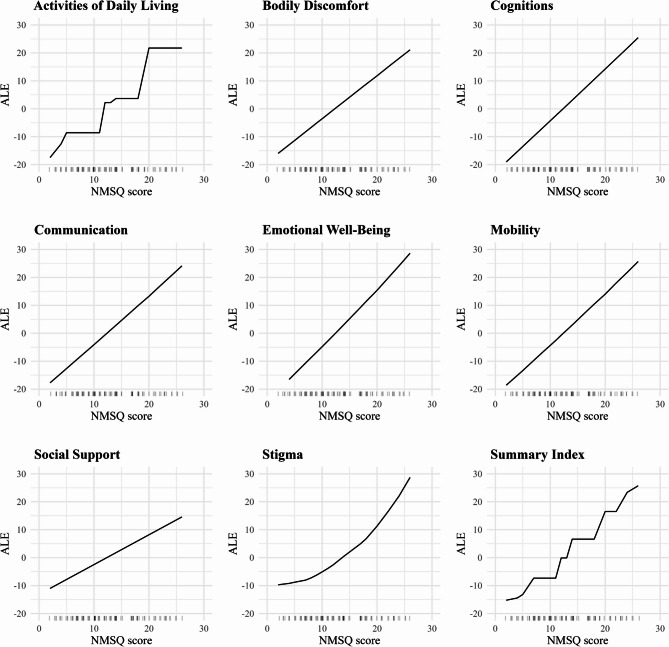 Figure 7
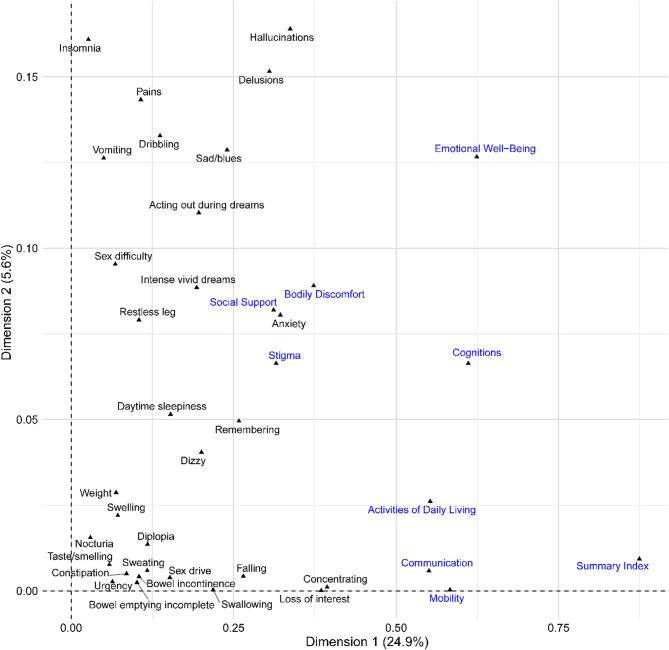 Figure 8
Peer Reviews
No public reviews on file for this paper yet. If you reviewed it on a platform where reviews are public (OpenReview, ICLR, NeurIPS, ICML), you can paste yours below so the community can read it here.
Videos
No videos yet. Explain this paper in a talk, walkthrough, or lecture? Add one.
Taxonomy
TopicsParkinson's Disease Mechanisms and Treatments · Voice and Speech Disorders · Balance, Gait, and Falls Prevention