Risk factors of hypoxemia during bronchoscopy under deep sedation in pediatric patients and establishment of a predictive model: a 2024 retrospective study
Xiao-Qin Li, Ping Xue, Yan-Mei Zheng, Xiang-Li Yang, Shuo Liu, Lin Feng

TL;DR
This study identifies risk factors for hypoxemia during bronchoscopy in children under deep sedation and creates a predictive model to help prevent it.
Contribution
The study establishes a predictive model for hypoxemia in pediatric bronchoscopy under deep sedation based on age and procedure duration.
Findings
Young age and longer examination duration are significant risk factors for hypoxemia during bronchoscopy under deep sedation in children.
The predictive model showed strong performance with an area under the curve of 0.96 in the modeling group and 0.89 in the validation group.
Calibration curves indicated good consistency between predicted and actual hypoxemia risks in both groups.
Abstract
Hypoxemia is a common complication of bronchoscopy performed under deep sedation in pediatric patients, seriously compromising the safety of surgery and the prognosis of children. Therefore, this study explored the risk factors and established a predictive model for hypoxia during bronchoscopy in pediatric patients under deep sedation. 365 pediatric patients who underwent bronchoscopy under deep sedation in our hospital from January to December 2024 were retrospectively selected with a random number table. After screening, 346 pediatric patients were finally included, and they were divided into a modeling group (n = 243) and a validation group (n = 103) in a ratio of 7:3. Data were analyzed. The results of binary logistic regression analysis showed that age (6.39 ± 2.80) and examination duration were factors influencing hypoxemia during bronchoscopy under deep sedation (P < 0.05). A…
Genes, proteins, chemicals, diseases, species, mutations and cell lines named across the full text — each resolved to its canonical identifier and authoritative record.
Click any figure to enlarge with its caption.
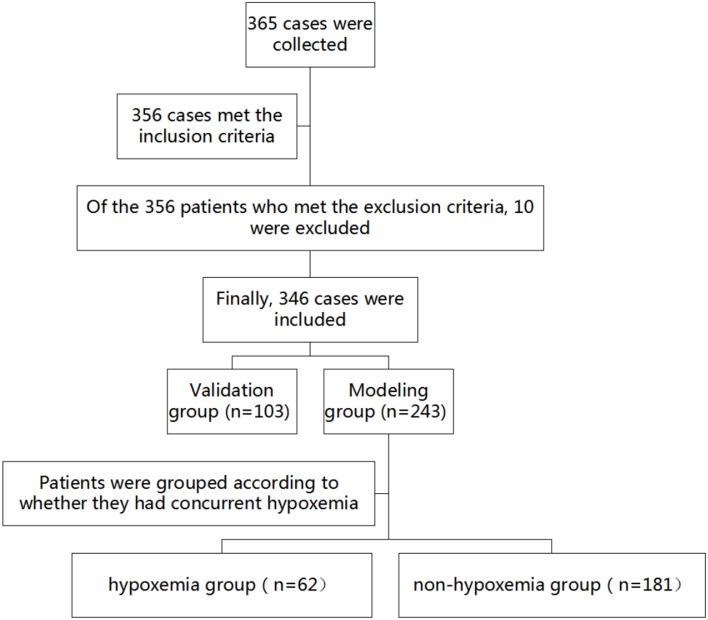 Figure 1
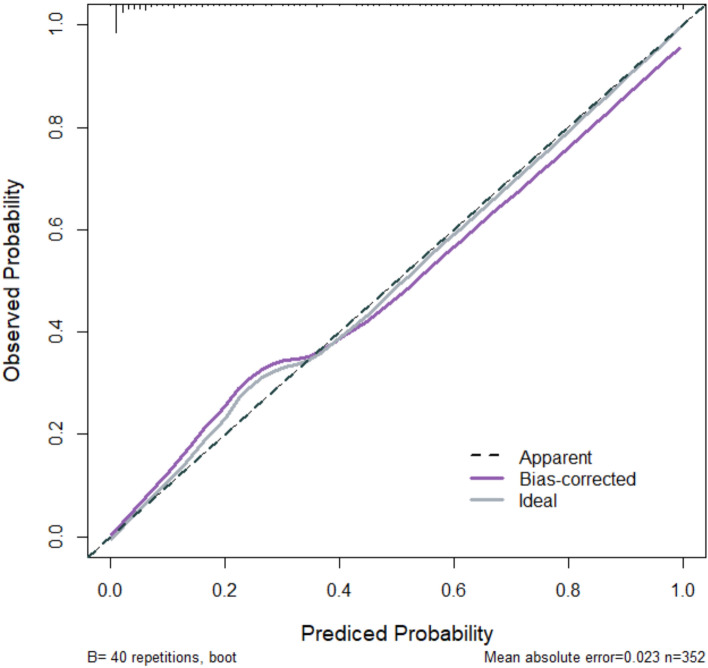 Figure 2
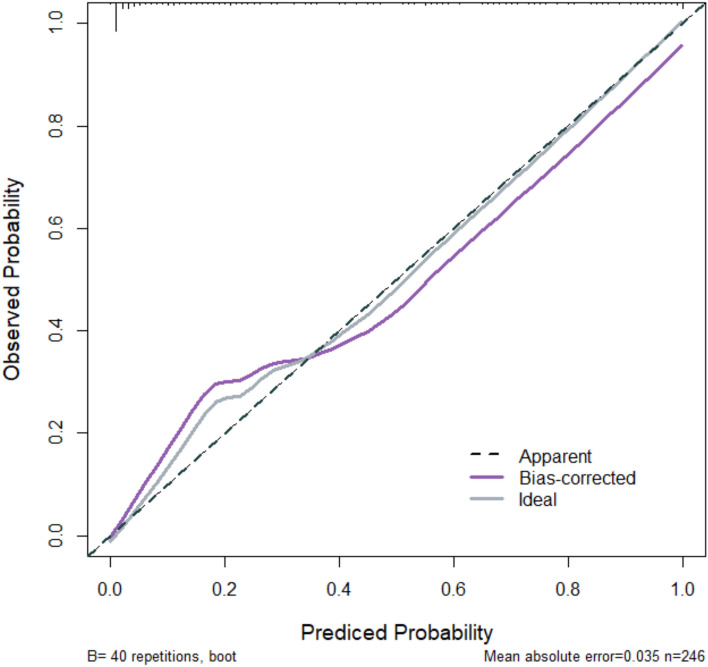 Figure 3
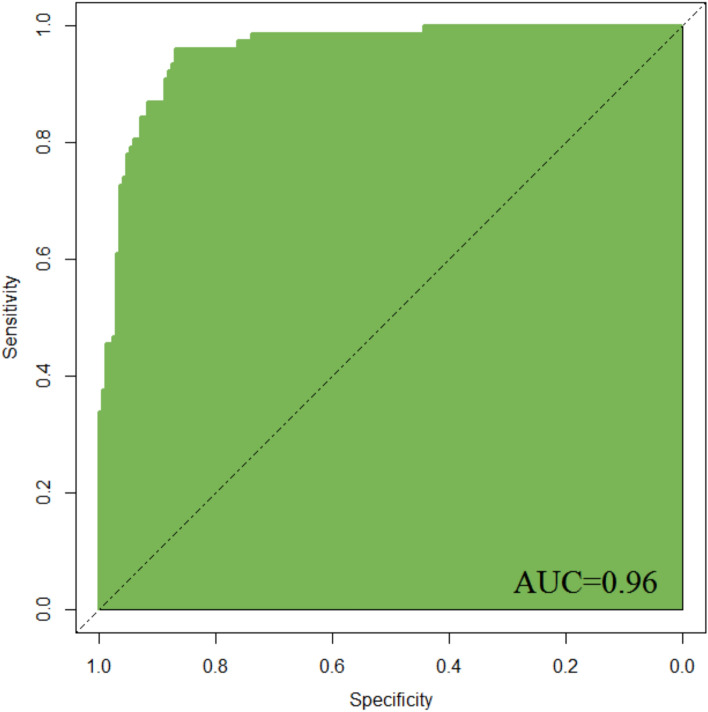 Figure 4
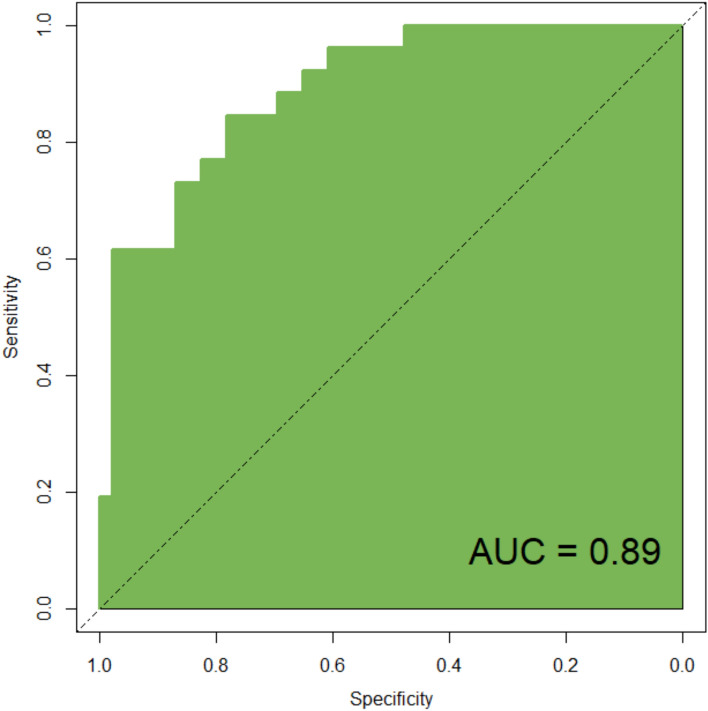 Figure 5
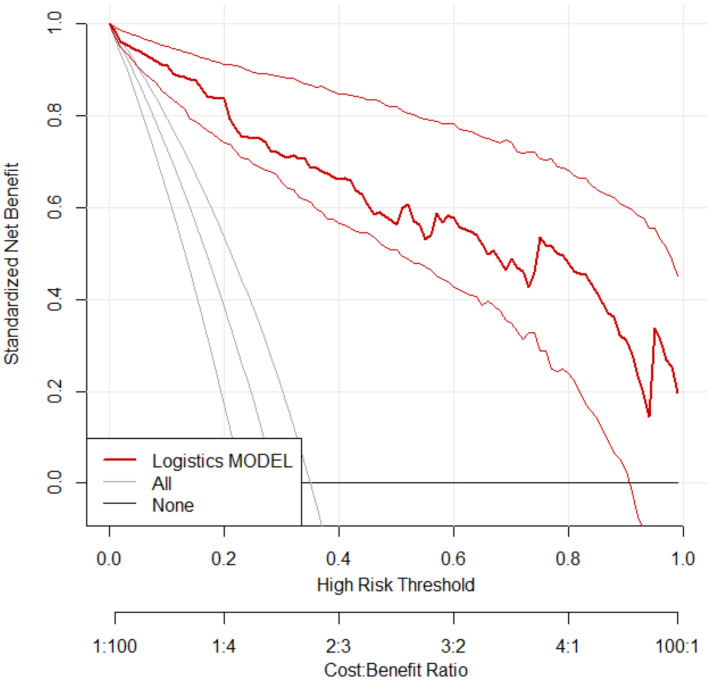 Figure 6
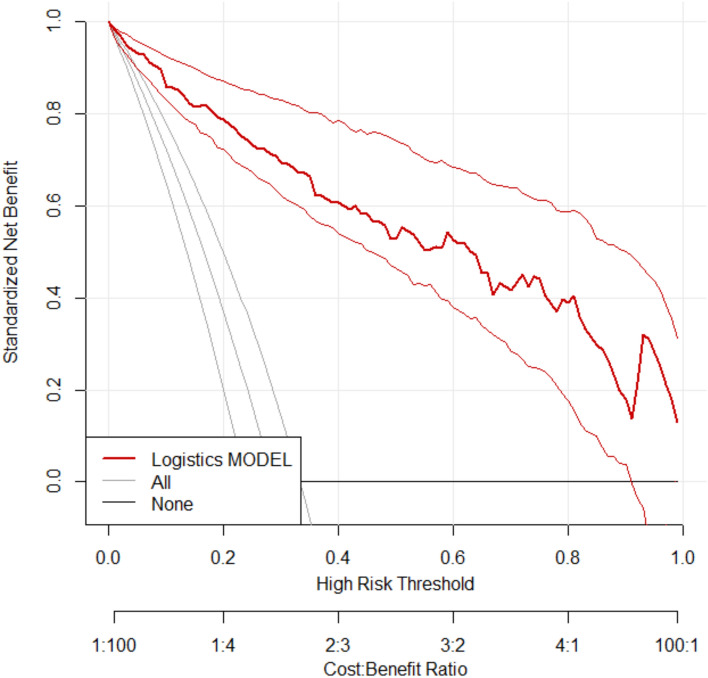 Figure 7
Peer Reviews
No public reviews on file for this paper yet. If you reviewed it on a platform where reviews are public (OpenReview, ICLR, NeurIPS, ICML), you can paste yours below so the community can read it here.
Videos
No videos yet. Explain this paper in a talk, walkthrough, or lecture? Add one.
Taxonomy
TopicsAnesthesia and Sedative Agents · Airway Management and Intubation Techniques · Lung Cancer Diagnosis and Treatment