Performance of a self-developed panel for biogeographic ancestry inference and dissection of the genetic background of three Tibetan groups
Yifeng Lin, Xi Yuan, Xi Wang, Shuanglin Li, Hongbin Yao, Bonan Dong, Bofeng Zhu

TL;DR
This study develops a genetic panel to infer ancestry and analyze the genetic structure of three Tibetan groups, showing good performance in classifying African and East Asian populations.
Contribution
A novel panel of 56 AIM-InDels is developed and validated for ancestry inference and Tibetan group analysis.
Findings
The panel accurately classifies African and East Asian individuals with minimal noisy labels.
The SVM model remains robust with small proportions of noisy labels.
Three Tibetan groups share genetic structures similar to East Asian populations.
Abstract
In this study, we used a panel consisting of 56 autosomal ancestry-informative insertion/deletions (AIM-InDels) for biogeographic ancestry inference, three Y-InDels, and one Amelogenin gene, and verified its performance in Gannan Tibetan, Qinghai Tibetan, and Tibet Tibetan groups. Meanwhile, we analyzed the genetic structures of these three Tibetan groups. The results showed that 56 AIM-InDels performed better at classifying African and East Asian individuals without noisy labels compared with other intercontinental populations. By the addition of noisy labels, the SVM model was robust when the proportion of noisy labels was small. Furthermore, the African and East Asian populations showed better performance than the other three intercontinental populations. And the 56 AIM-InDels could be used for individual identification and full sibling identification of three Tibetan groups.…
Genes, proteins, chemicals, diseases, species, mutations and cell lines named across the full text — each resolved to its canonical identifier and authoritative record.
Click any figure to enlarge with its caption.
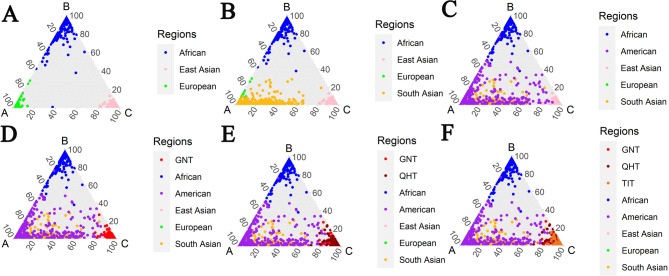 Figure 10
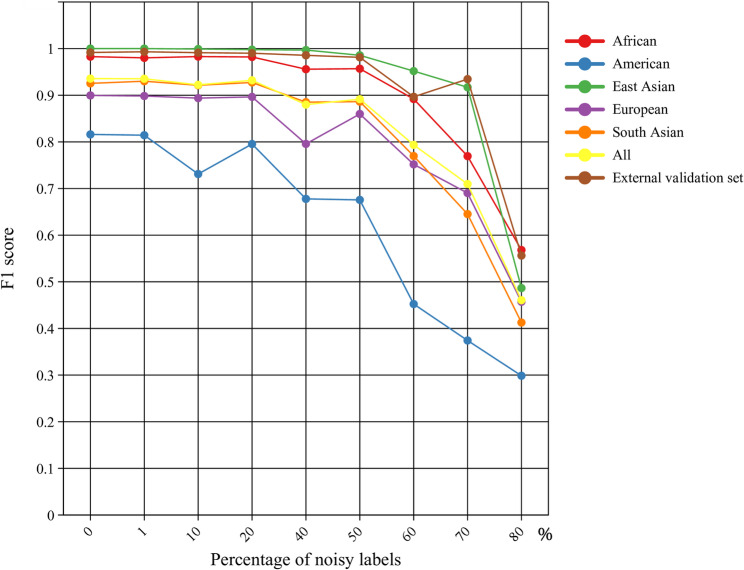 Figure 1
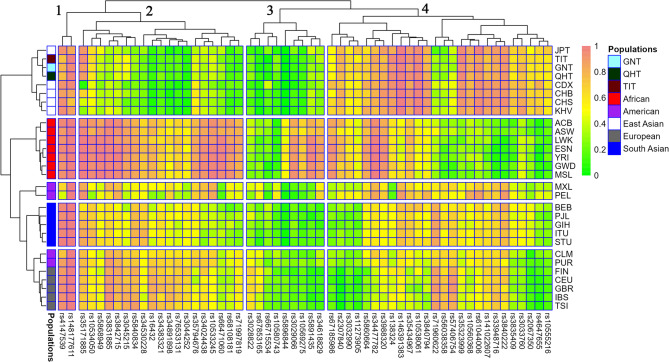 Figure 2
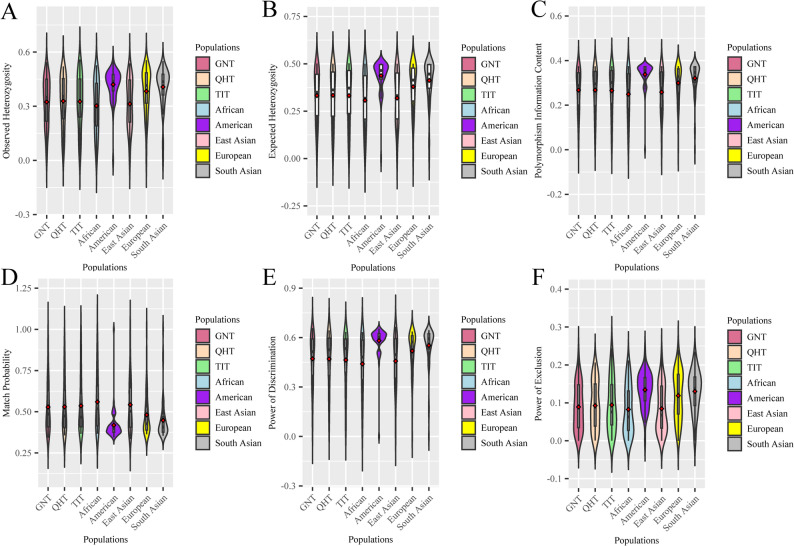 Figure 3
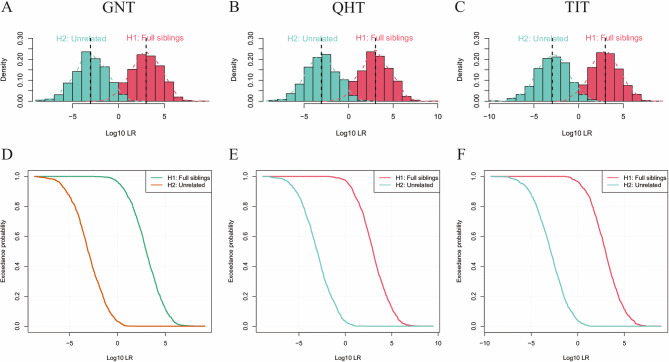 Figure 4
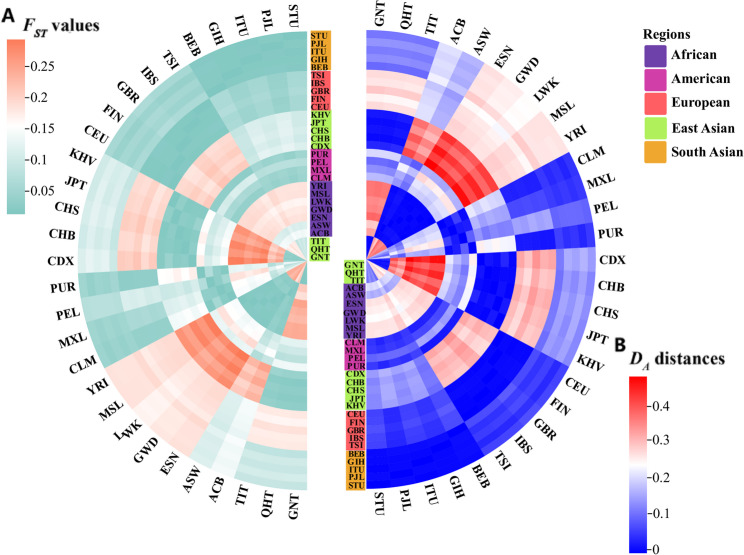 Figure 5
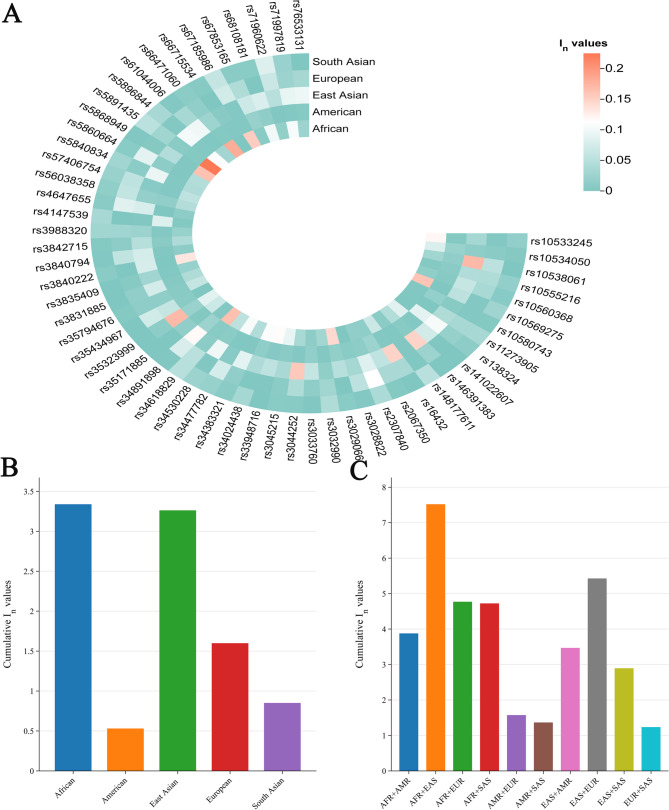 Figure 6
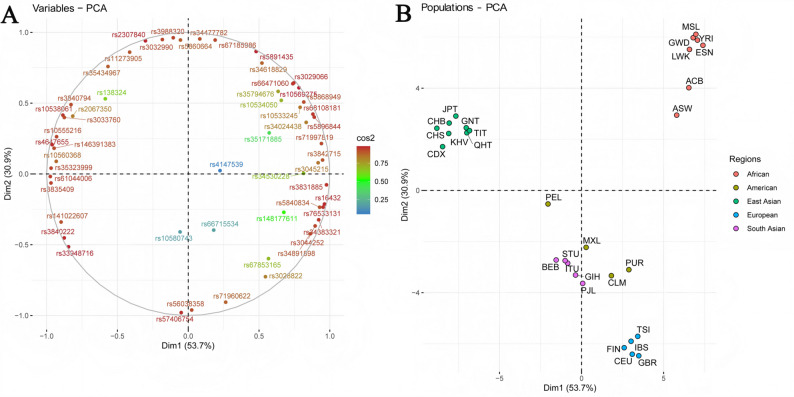 Figure 7
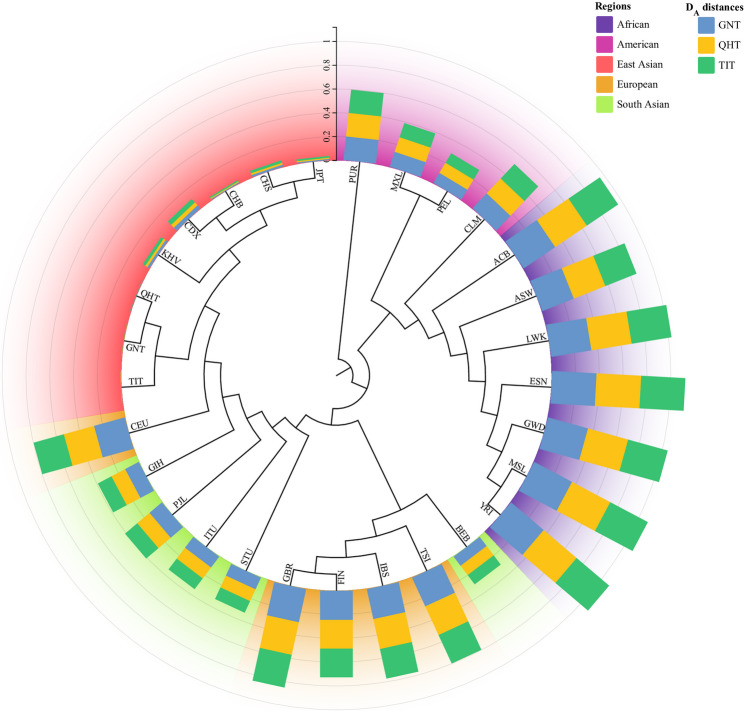 Figure 8
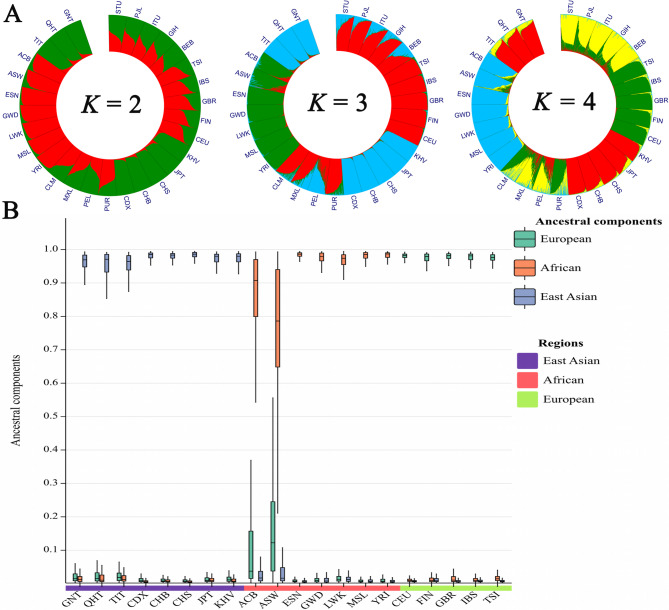 Figure 9
Peer Reviews
No public reviews on file for this paper yet. If you reviewed it on a platform where reviews are public (OpenReview, ICLR, NeurIPS, ICML), you can paste yours below so the community can read it here.
Videos
No videos yet. Explain this paper in a talk, walkthrough, or lecture? Add one.
Taxonomy
TopicsForensic and Genetic Research · Genetic diversity and population structure · Forensic Anthropology and Bioarchaeology Studies