A Novel, Low-Cost, Non-laboratory Training Model for Neurosurgical Microdrilling Skills: A Proof-of-Concept Study
Ntenis Nerntengian, Theodosis Birbilis, George Tokas, Alexey Ivanchenko, Andrea Hajduk, Oliver W Sakowitz

TL;DR
This study introduces a low-cost, lab-free model using walnuts and a nail drill to train neurosurgical microdrilling skills, showing potential for resident training.
Contribution
The novel model uses affordable materials to simulate microdrilling without a lab or high-speed surgical tools.
Findings
Consultants successfully drilled without perforation on the first attempt, while residents needed two attempts.
Participants reported a subtle resistance change before reaching the walnut skin, mimicking real surgical feedback.
The model allows practicing microdrilling on a delicate substrate without infection risk or lab access.
Abstract
Introduction Surgical simulation is essential in neurosurgical resident training for dexterity development in a risk-free environment. Microdrilling is a fundamental neurosurgical skill. Practicing this skill usually requires specially equipped facilities with a biological or synthetic material and thus has limited availability. Up-to-date computerized virtualization cannot fully replace the training of hand-eye sensorimotor coordination. The aim of this study is to develop and preliminarily evaluate a low-cost, lab-free proof-of-concept microdrilling model using walnuts, a nail drill, and surgical loupes and to explore performance differences between neurosurgical residents and consultants. Materials and methods We used a surgical loupe with LED light and 3.5x magnification, walnuts, and a battery-powered nail drill. Some walnuts were drilled from the flat surface toward the…
Genes, proteins, chemicals, diseases, species, mutations and cell lines named across the full text — each resolved to its canonical identifier and authoritative record.
Click any figure to enlarge with its caption.
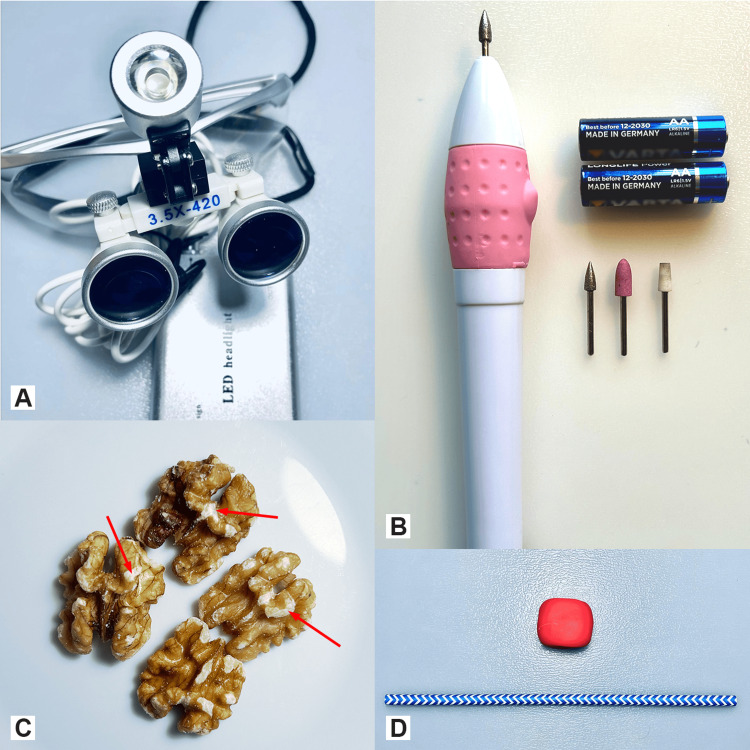 Figure 1
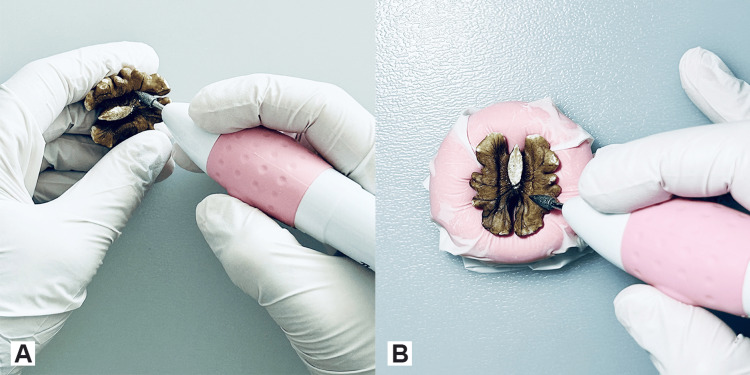 Figure 2
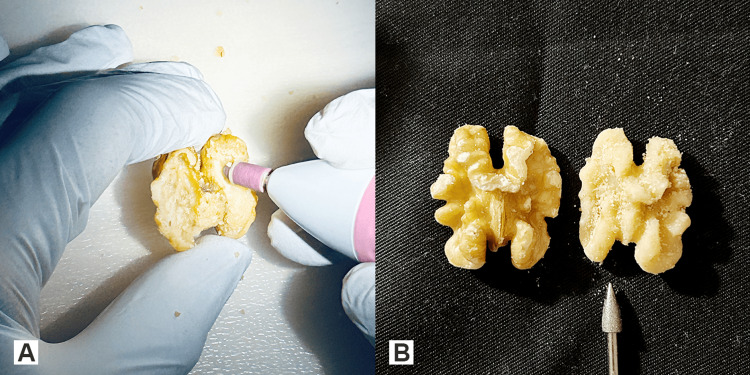 Figure 3
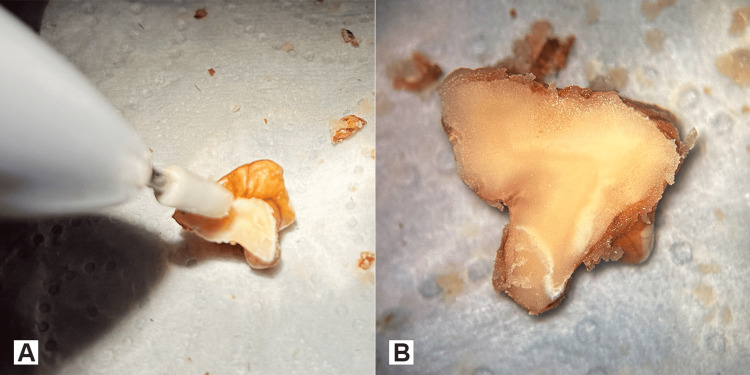 Figure 4
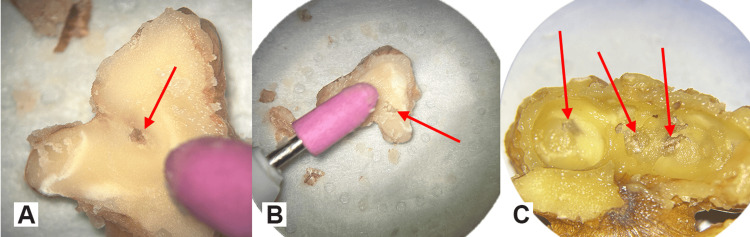 Figure 5
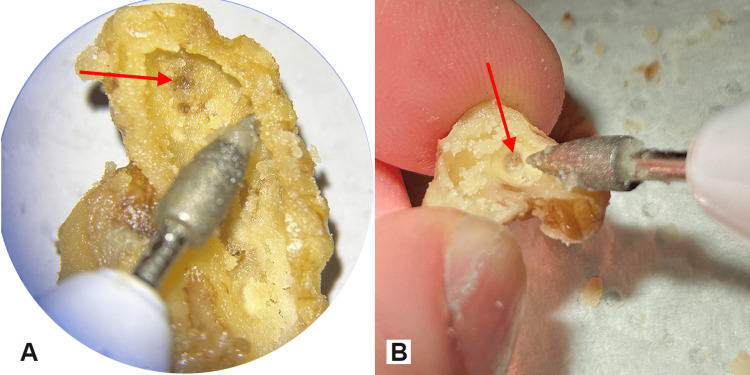 Figure 6
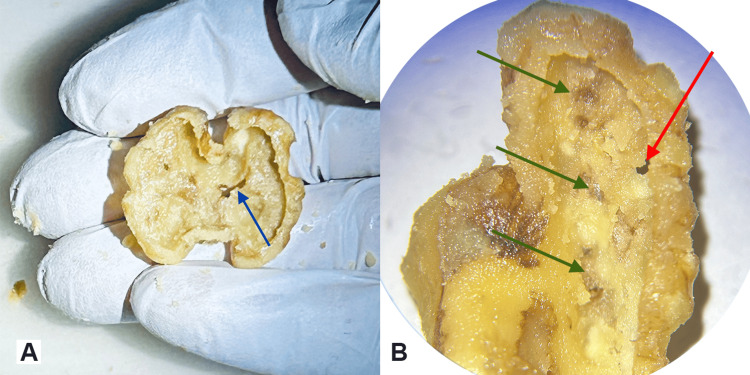 Figure 7
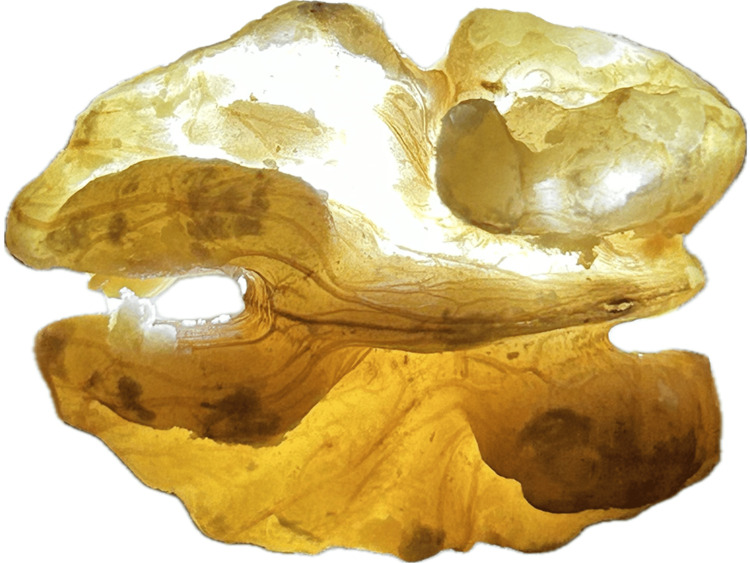 Figure 8
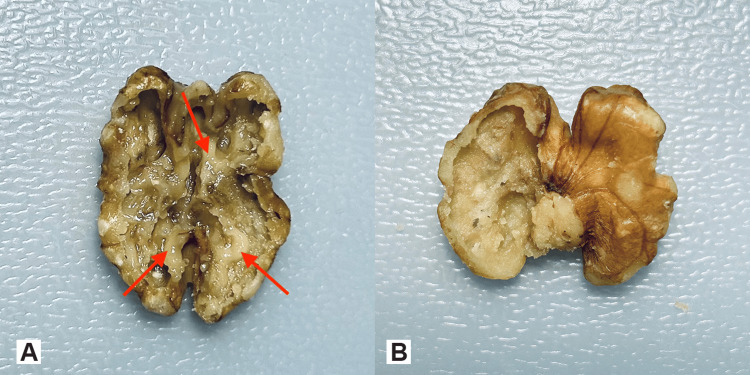 Figure 9
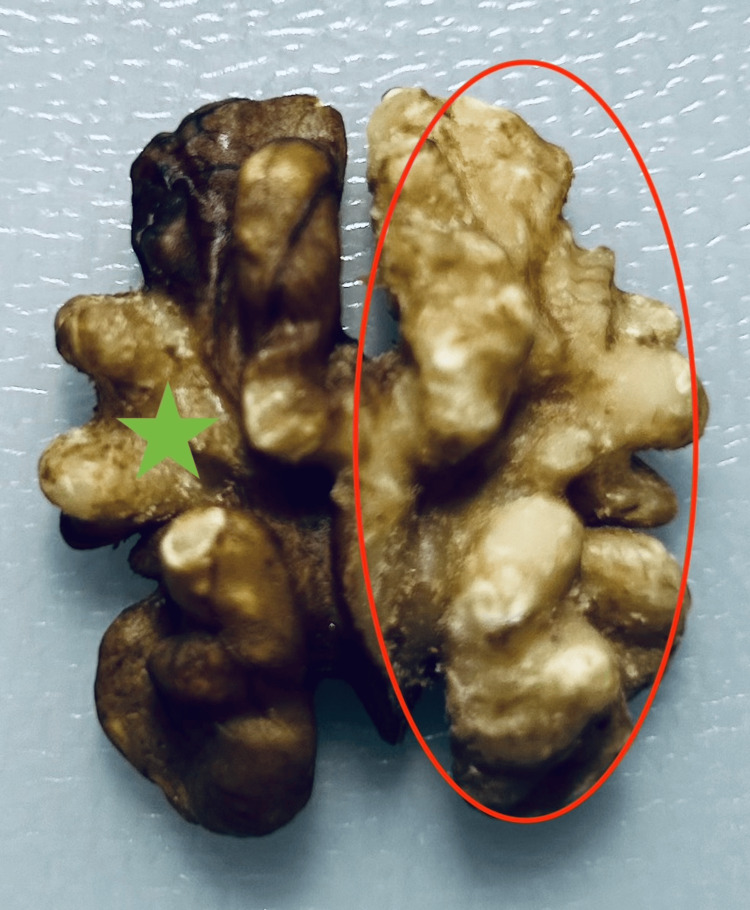 Figure 10
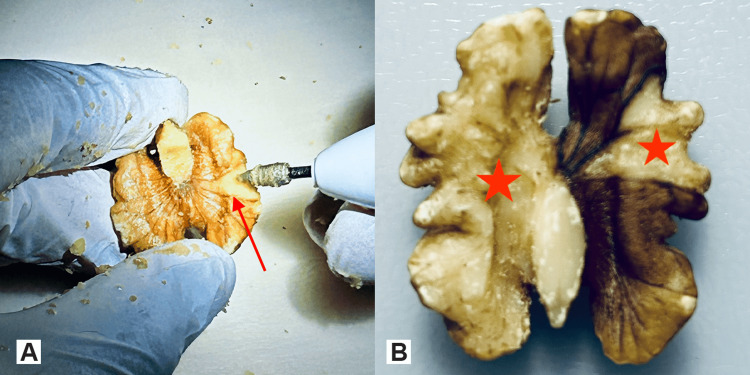 Figure 11
Peer Reviews
No public reviews on file for this paper yet. If you reviewed it on a platform where reviews are public (OpenReview, ICLR, NeurIPS, ICML), you can paste yours below so the community can read it here.
Videos
No videos yet. Explain this paper in a talk, walkthrough, or lecture? Add one.
Taxonomy
TopicsSurgical Simulation and Training · Simulation-Based Education in Healthcare · Soft Robotics and Applications