A high-quality draft genome assembly of the Neotropical butterfly, Batesia hypochlora (Nymphalidae: Biblidinae)
Nhat Tan Pham, Anne Duplouy, Joseph See, Lucy S. Knowles, Edgar Marquina, Geoffrey Gallice, Freerk Molleman, Vicencio Oostra

TL;DR
Scientists created a high-quality genome assembly for the Neotropical butterfly Batesia hypochlora, providing a valuable resource for studying its evolution and adaptation.
Contribution
This is the first reference genome for the Biblidinae subfamily, offering a foundation for comparative genomic studies in Neotropical butterflies.
Findings
The genome assembly has 15 chromosome-sized scaffolds and a total size of 395.788 Mbp with high contiguity and completeness.
Gene prediction identified 19,395 genes, with 17,400 assigned to orthogroups shared with other butterfly species.
The mitochondrial genome was fully assembled, and Wolbachia was identified as belonging to the B-supergroup.
Abstract
We report a long-read high-coverage reference genome assembly of the Neotropical butterfly, Batesia hypochlora (Nymphalidae: Biblidinae). This represents the first reference genome in the Biblidinae subfamily, a clade subject to ongoing studies on seasonal and climate adaptation in the Amazon. We assembled the genome from PacBio HiFi long reads (66X coverage), polished it with Illumina short reads (15X coverage), and annotated it using PacBio IsoSeq RNA data. We observed 15 chromosome-sized scaffolds, varying in length from 13.2 Mbp to 37.6 Mbp (median, 24.3 Mbp), which combined to form a total genome size of 395.788 Mbp. This assembly is highly contiguous (contig N50 of 25.14 Mbp) and complete (BUSCO completeness score of 98.6% and 0.2% duplication rate). Repeat annotation revealed that the genome comprises approximately one-third transposable elements. Gene prediction using RNA-seq…
Genes, proteins, chemicals, diseases, species, mutations and cell lines named across the full text — each resolved to its canonical identifier and authoritative record.
Click any figure to enlarge with its caption.
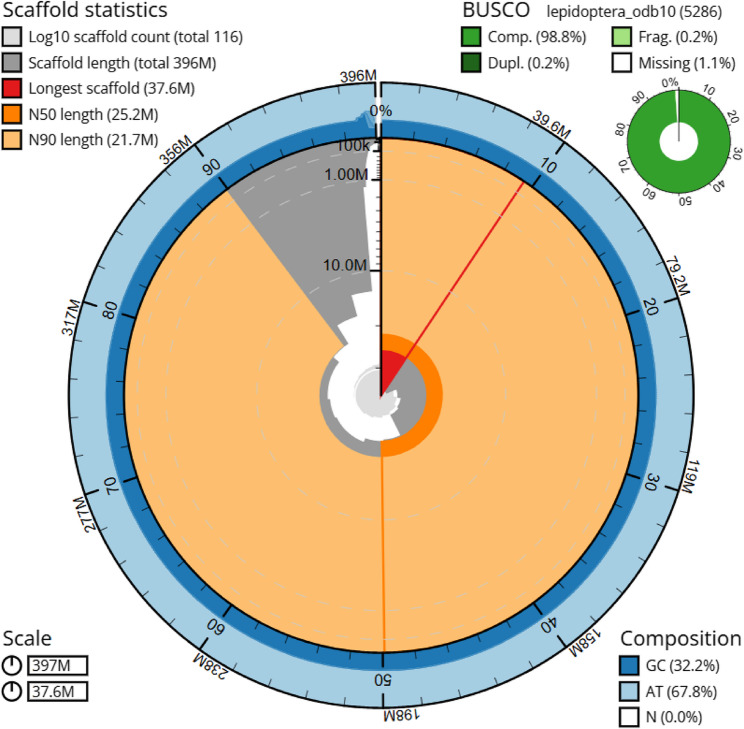 Figure 1
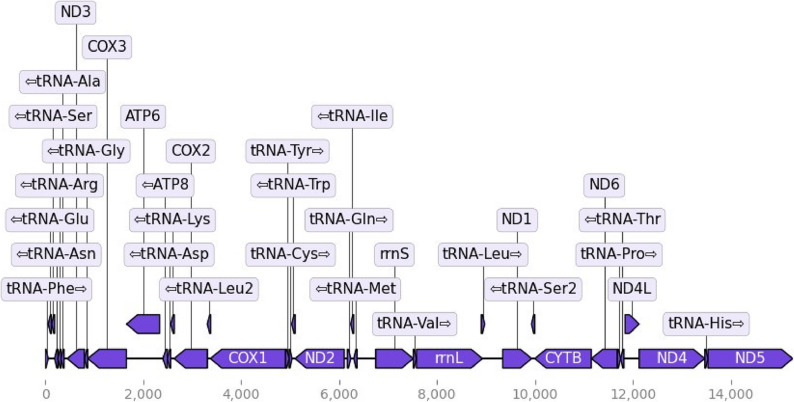 Figure 2
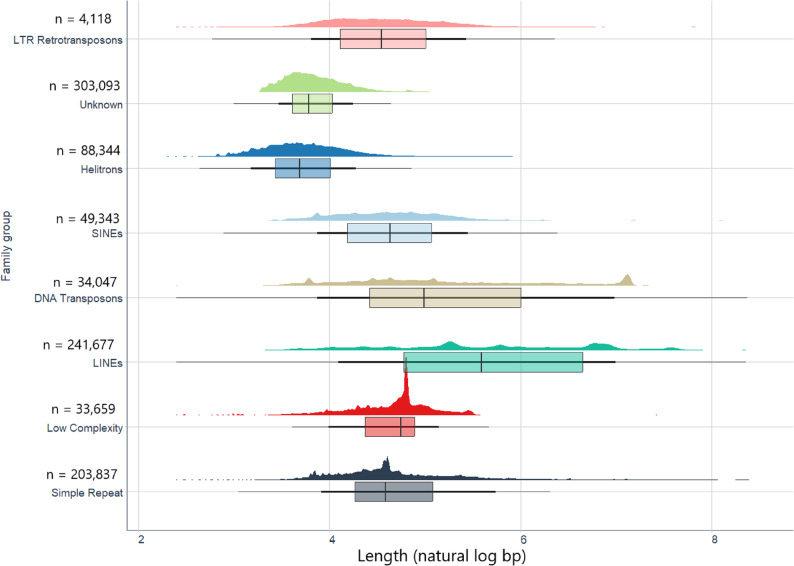 Figure 3
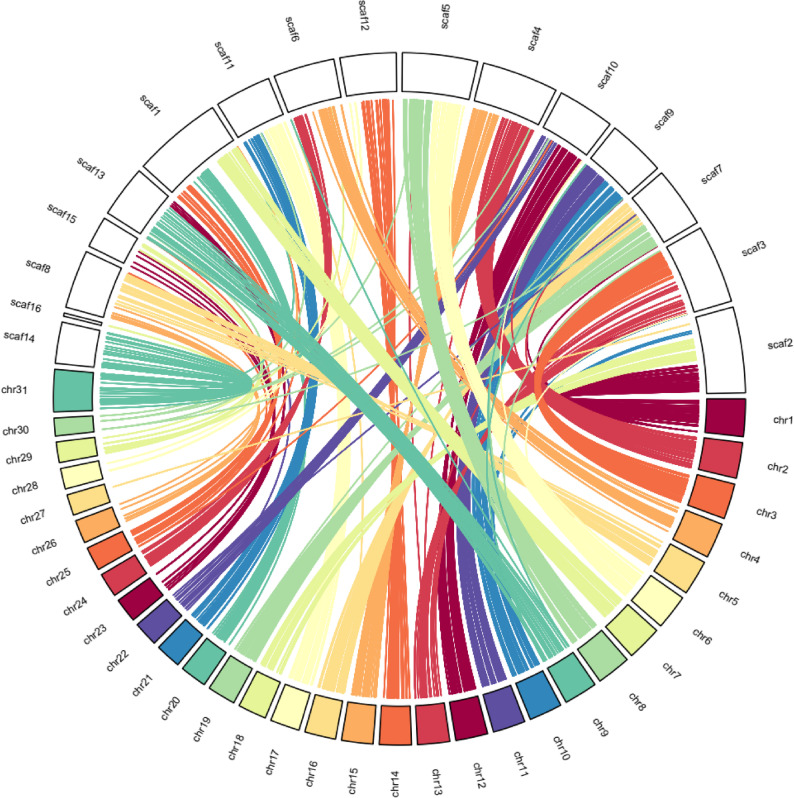 Figure 4
Peer Reviews
No public reviews on file for this paper yet. If you reviewed it on a platform where reviews are public (OpenReview, ICLR, NeurIPS, ICML), you can paste yours below so the community can read it here.
Videos
No videos yet. Explain this paper in a talk, walkthrough, or lecture? Add one.
Taxonomy
TopicsGenomics and Phylogenetic Studies · Lepidoptera: Biology and Taxonomy · Insect symbiosis and bacterial influences