Integrated genomic and transcriptomic Insights into methanol tolerance mechanisms in Methylobacterium extorquens AM1, identifying key targets for strain engineering
Gyu Min Lee, Khoi Nhat Pham, Ina Bang, Seyoung Ko, Donghyuk Kim

TL;DR
This study identifies genetic and transcriptional changes that improve methanol tolerance in Methylobacterium extorquens AM1, offering insights for engineering better strains for biomanufacturing.
Contribution
The study reveals convergent mutations in metY and kefB and their combined role in methanol tolerance through integrated genomic and transcriptomic analysis.
Findings
Evolved strains showed up to 1.68-fold higher growth rates at 2.5% methanol compared to wild-type.
Recurrent mutations in metY and kefB were found to improve methanol tolerance through distinct mechanisms.
Transcriptomic analysis identified 767 differentially expressed genes linked to metabolism and stress responses.
Abstract
Methanol is an attractive one-carbon feedstock for sustainable biomanufacturing because of its abundance, cost-effectiveness, and industrial compatibility. However, its cytotoxicity limits its biotechnological applications in native methylotrophs such as Methylobacterium extorquens AM1. In this study, we developed AM1-derived strains capable of sustained growth under elevated methanol concentrations through adaptive laboratory evolution (ALE). From the evolved population, five representative strains were isolated, exhibiting up to a 1.68-fold increase in specific growth rates compared with those of the wild- type at 2.5% (v/v; 617.93 mM) methanol. Genomic analysis of the evolved strains revealed recurrent mutations in metY (O-acetyl-L-homoserine sulfhydrylase) and kefB (potassium efflux antiporter). Functional validation confirmed that these recurrent mutations improve methanol…
Genes, proteins, chemicals, diseases, species, mutations and cell lines named across the full text — each resolved to its canonical identifier and authoritative record.
Click any figure to enlarge with its caption.
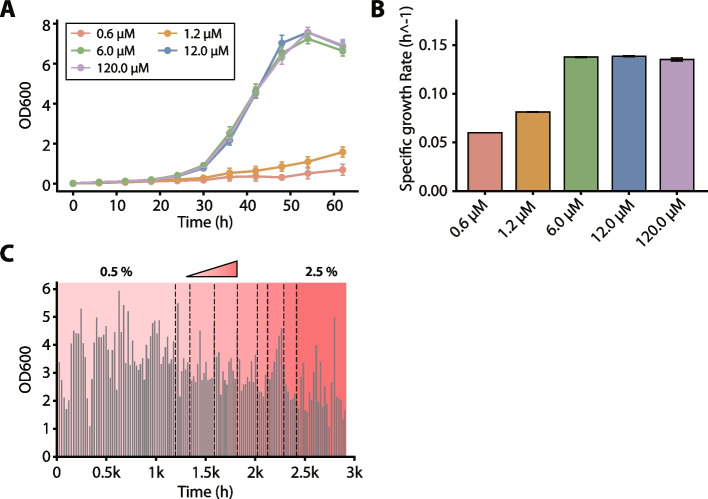 Figure 1
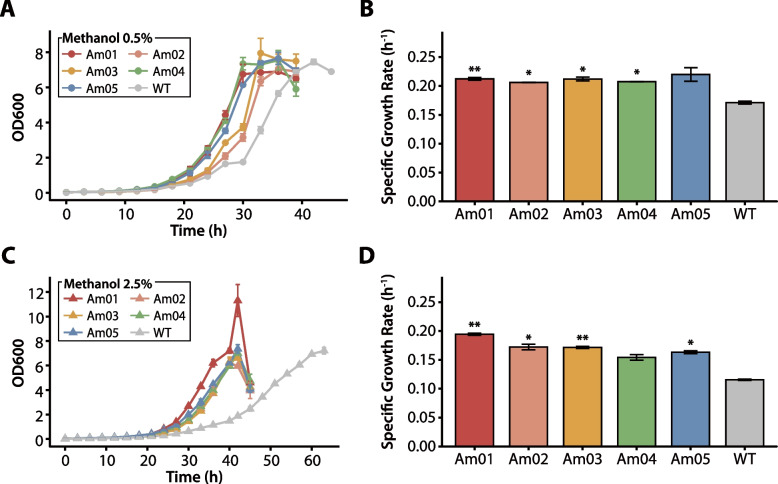 Figure 2
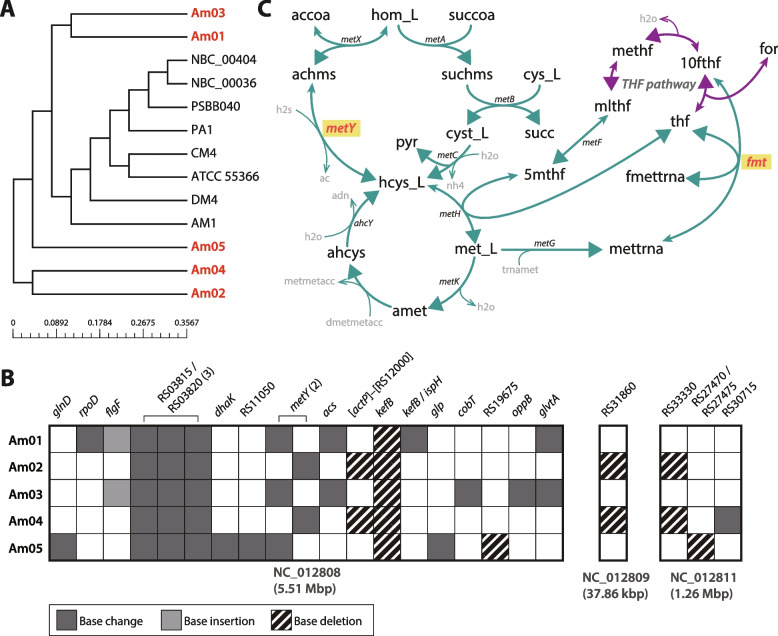 Figure 3
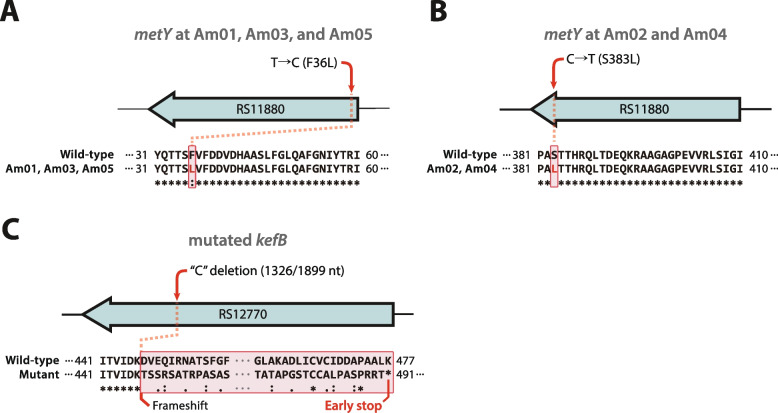 Figure 4
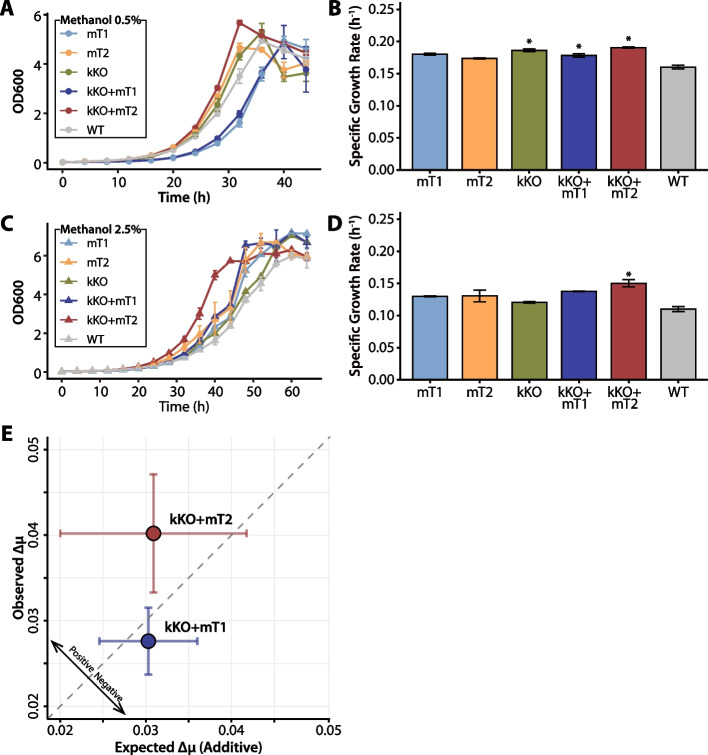 Figure 5
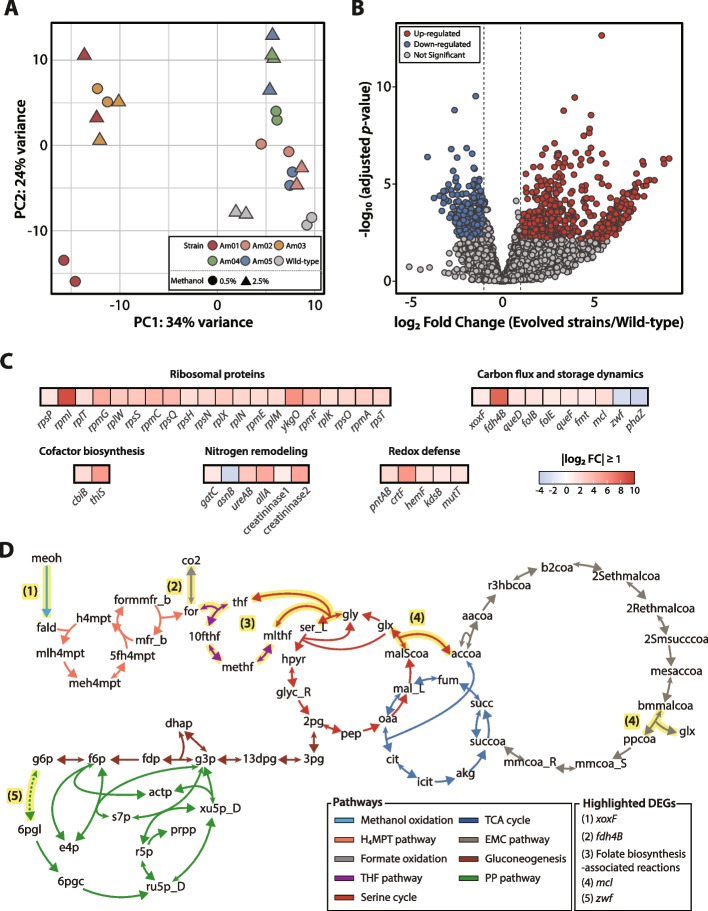 Figure 6
Peer Reviews
No public reviews on file for this paper yet. If you reviewed it on a platform where reviews are public (OpenReview, ICLR, NeurIPS, ICML), you can paste yours below so the community can read it here.
Videos
No videos yet. Explain this paper in a talk, walkthrough, or lecture? Add one.
Taxonomy
TopicsMicrobial metabolism and enzyme function · Microbial Metabolic Engineering and Bioproduction · Metalloenzymes and iron-sulfur proteins