Hepatic steatosis in postmenopausal women is characterized by distinct serum extracellular vesicle proteomic signatures
Patrick Pirrotte, Brooke Lovell, Siobán D. Harlow, Carrie A. Karvonen-Gutierrez, Michelle M. Hood, Ignazio S. Piras, Xiumei Wu, Melissa N. Martinez, Ritin Sharma, Krystine Garcia-Mansfield, Maya Willey, Johanna K. DiStefano

TL;DR
This study finds unique protein patterns in blood vesicles of postmenopausal women with liver fat, suggesting potential biomarkers for liver disease.
Contribution
Identifies distinct serum extracellular vesicle proteomic signatures associated with hepatic steatosis in postmenopausal women.
Findings
60 EV proteins differed by hepatic steatosis status, with C4A and AFM remaining significant after correction.
INHBE was consistently elevated across subgroups, while AFM showed higher expression in MASH compared to steatosis.
Racial and severity-specific differences in EV proteins were observed, highlighting subgroup variability.
Abstract
Metabolic dysfunction-associated steatotic liver disease (MASLD) is common among midlife women. Circulating extracellular vesicles (EVs) carry bioactive cargo that may mediate or reflect disease processes, but their role in hepatic steatosis in postmenopausal women remains unexplored. We conducted liquid chromatography data-independent acquisition–mass spectrometry on serum-derived EVs from 275 postmenopausal women enrolled in the Michigan site of the Study of Women’s Health Across the Nation (MI-SWAN). Participants were grouped by hepatic steatosis status (n = 75), assessed via standardized ultrasound at the 2010 follow-up visit. Fasting serum samples were processed using size exclusion chromatography to isolate EVs. Differential EV protein abundance was evaluated by ANCOVA, adjusting for ethnicity and diabetes status, and applying Benjamini–Hochberg correction. Gene Set Enrichment…
Genes, proteins, chemicals, diseases, species, mutations and cell lines named across the full text — each resolved to its canonical identifier and authoritative record.
Click any figure to enlarge with its caption.
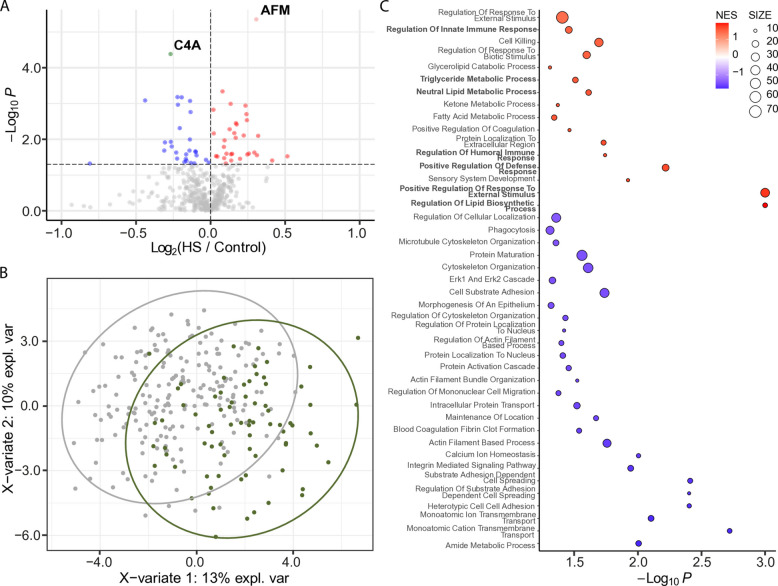 Figure 1
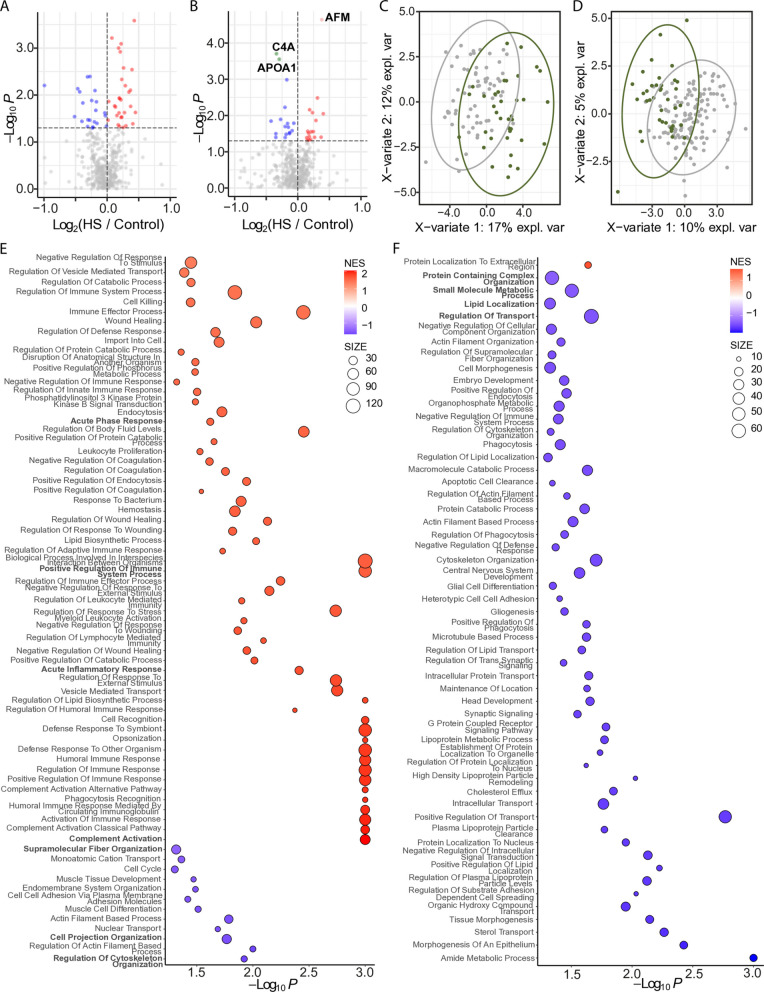 Figure 2
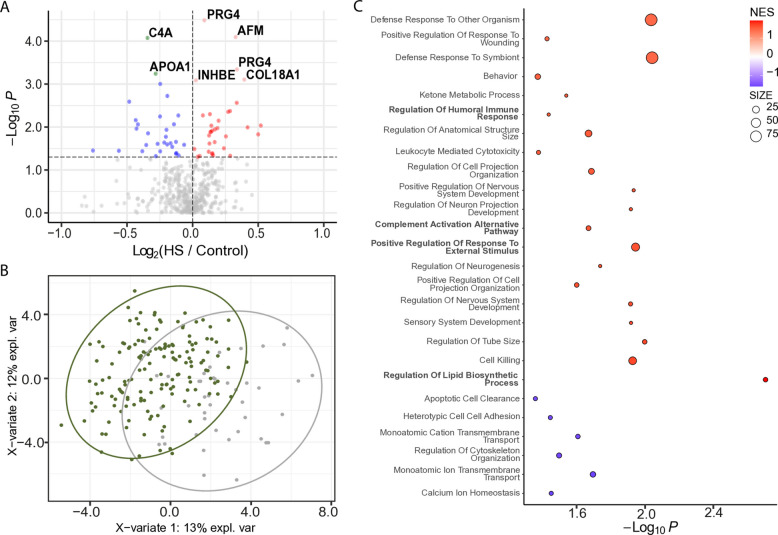 Figure 3
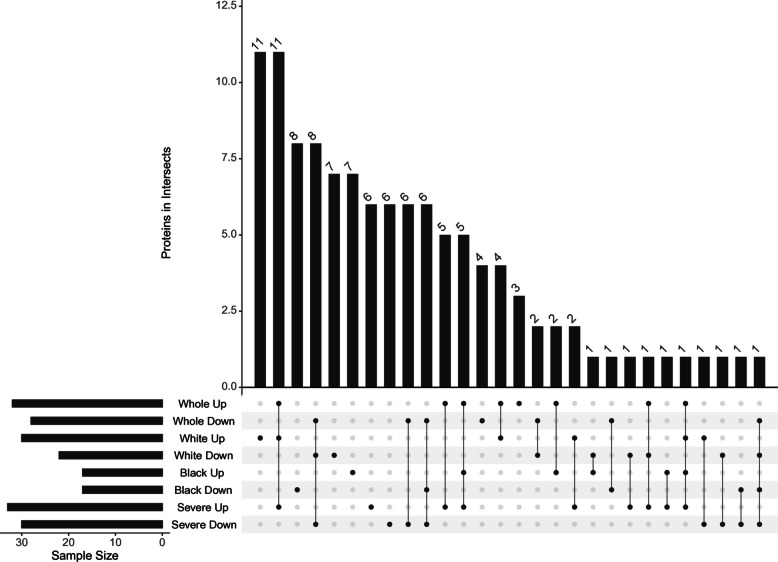 Figure 4
Peer Reviews
No public reviews on file for this paper yet. If you reviewed it on a platform where reviews are public (OpenReview, ICLR, NeurIPS, ICML), you can paste yours below so the community can read it here.
Videos
No videos yet. Explain this paper in a talk, walkthrough, or lecture? Add one.
Taxonomy
TopicsLiver Disease Diagnosis and Treatment · Pregnancy and preeclampsia studies · Diabetes, Cardiovascular Risks, and Lipoproteins