Carbon Efficient CO2 Interfaces in Acid through Ion Management Channels
Blanca Belsa, Anku Guha, Barbara Polesso, Ranit Ram, Viktoria Golovanova, Marinos Dimitropoulos, Sunil Kadam, Prathama Haldar, Aliaksandr S. Bandarenka, F. Pelayo García de Arquer

TL;DR
This paper introduces ion management channels to improve CO2 electroreduction in acidic conditions by enhancing carbon efficiency and reducing hydrogen evolution.
Contribution
The novel ion management channels combine cation- and anion-exchange domains to control ion transport and improve CO2 electroreduction performance.
Findings
IMC-functionalized electrodes achieved ∼80% Faradaic efficiency for C2+ products at 0.5 A·cm–2.
Single-pass carbon utilization of ∼90% was sustained over 70 h of pulsed operation.
IMCs improved peak C2+ partial current density by 39% over monopolar cation-exchange ionomers.
Abstract
CO2 electroreduction (CO2E) in acidic media enables high carbon utilization but is often limited by enhanced hydrogen evolution (HER). Cation-exchange ionomer coatings can suppress HER by enriching alkali cations at the catalyst surface, yet in situ SERS reveals that they also cause excessive *OH adsorption, hindering CO2 access and suppressing C–C coupling. To address this, we introduce ion management channels (IMCs), a spatially distributed ionomer architecture combining cation- and anion-exchange domains to modulate nanoscale ion transport. Applied to PTFE-Cu gas diffusion electrodes, IMCs facilitate the removal of excess *OH by restructuring interfacial water, increasing *CO coverage, and enhancing multicarbon (C2+) selectivity. IMC-functionalized electrodes achieve ∼80% Faradaic efficiency for C2+ products at 0.5 A·cm–2, with ∼90% single-pass carbon utilization sustained over 70 h…
Genes, proteins, chemicals, diseases, species, mutations and cell lines named across the full text — each resolved to its canonical identifier and authoritative record.
Click any figure to enlarge with its caption.
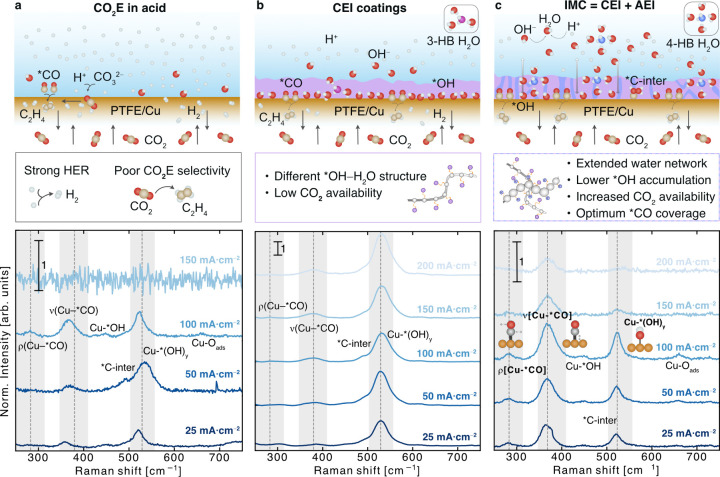 Figure 1
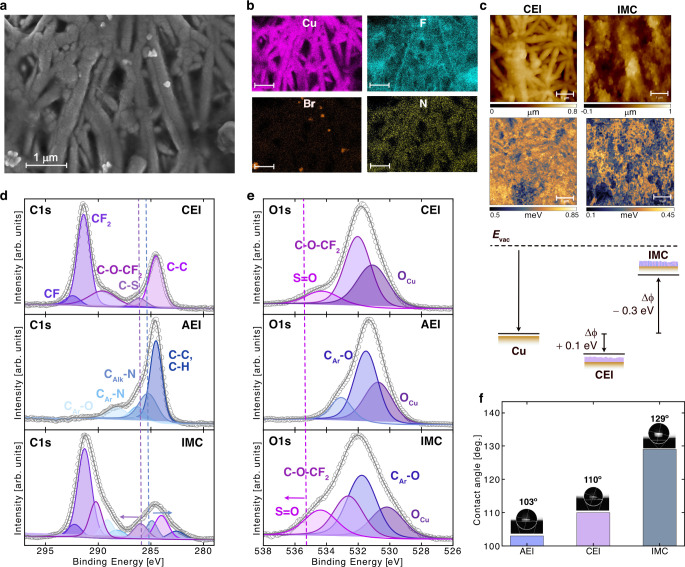 Figure 2
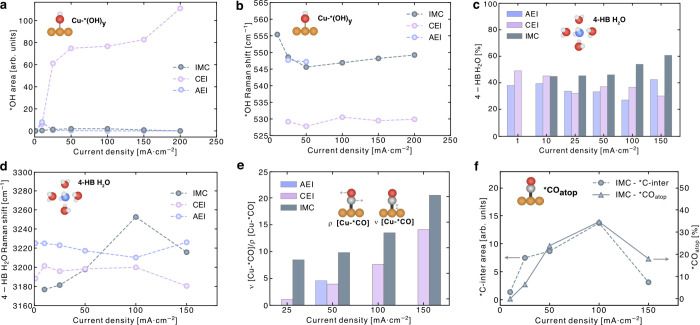 Figure 3
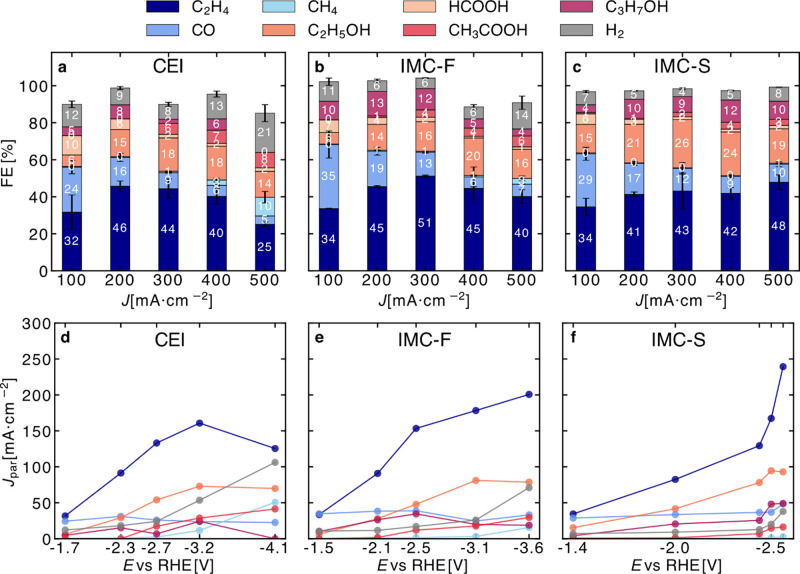 Figure 4
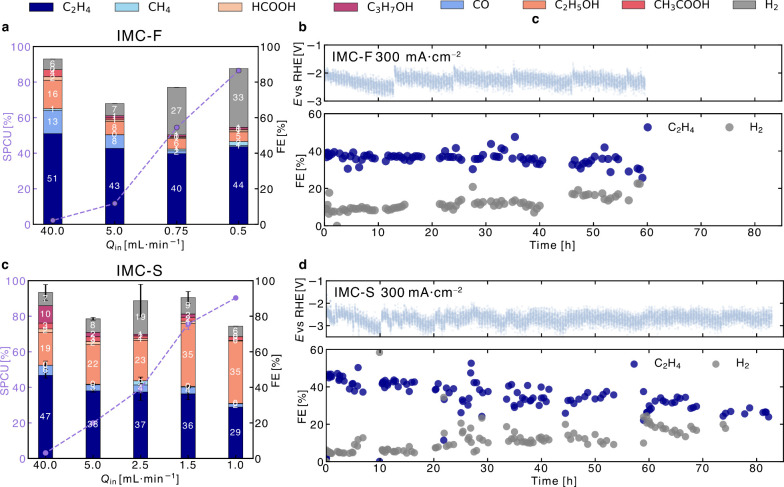 Figure 5
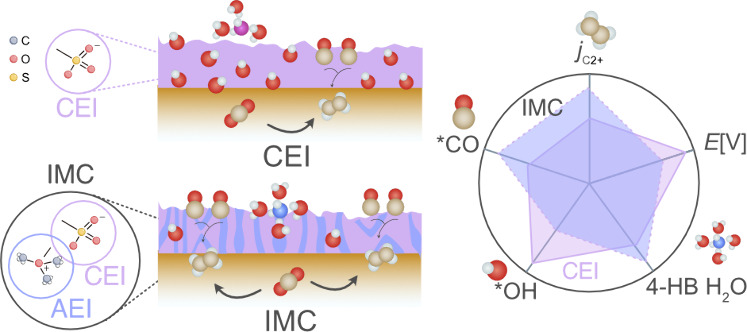 Figure 6
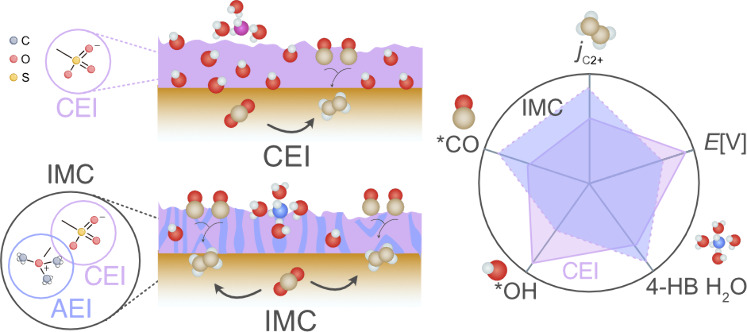 Figure 7
Peer Reviews
No public reviews on file for this paper yet. If you reviewed it on a platform where reviews are public (OpenReview, ICLR, NeurIPS, ICML), you can paste yours below so the community can read it here.
Videos
No videos yet. Explain this paper in a talk, walkthrough, or lecture? Add one.
Taxonomy
TopicsCO2 Reduction Techniques and Catalysts · Electrocatalysts for Energy Conversion · Advanced battery technologies research