Concomitant Enhancement of the Reorientational Dynamics of the BH4 – Anions and Mg2+ Ionic Conductivity in Mg(BH4)2·NH3 upon Ligand Incorporation
J. B. Grinderslev, M. B. Amdisen, S. Rosenqvist Larsen, B. A. Trump, M. Karlsson, W. Zhou, T. J. Udovic, Y. Cheng, T. Tominaga, T. R. Jensen, M. S. Andersson

TL;DR
Adding ammonia to a magnesium compound increases ion conductivity and the movement of certain anions, which may be linked.
Contribution
The study reveals a link between enhanced Mg2+ conductivity and BH4– anion reorientational dynamics upon NH3 addition.
Findings
NH3 ligand increases Mg2+ ionic conductivity and BH4– anion reorientational mobility.
Terminal BH4– anions have a much lower reorientational energy barrier than bridging anions.
NH3 ligands exhibit faster reorientational dynamics and quantum tunneling below 50 K.
Abstract
The addition of neutral ligand NH3 is known to increase the Mg2+ ionic conductivity in Mg(BH4)2·NH3 as compared to the parent compound Mg(BH4)2. Using inelastic neutron scattering, quasielastic neutron scattering, synchrotron X-ray powder diffraction, impedance spectroscopy, and density functional theory, the structure, the dynamics, and the Mg2+ ionic conductivity were investigated. The results show that the introduction of the NH3 ligand not only enhances the Mg2+ ionic conductivity but also significantly increases the reorientational mobility of the BH4 – anions. Thus, the results suggest that there may be a link between the two. Furthermore, the results show that Mg(BH4)2·NH3 exhibits two coordination environments for the BH4 – anions, which act as either bridging or terminal anions, in contrast to Mg(BH4)2, which only exhibits bridging anions. The different coordination…
Genes, proteins, chemicals, diseases, species, mutations and cell lines named across the full text — each resolved to its canonical identifier and authoritative record.
Click any figure to enlarge with its caption.
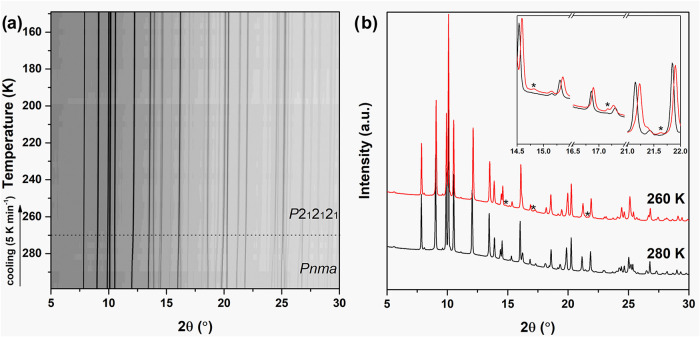 Figure 1
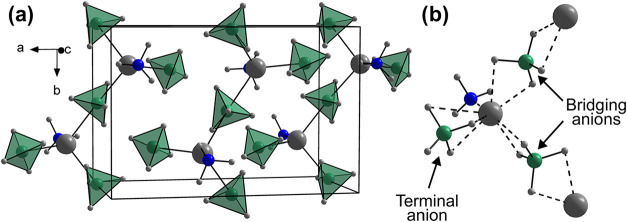 Figure 2
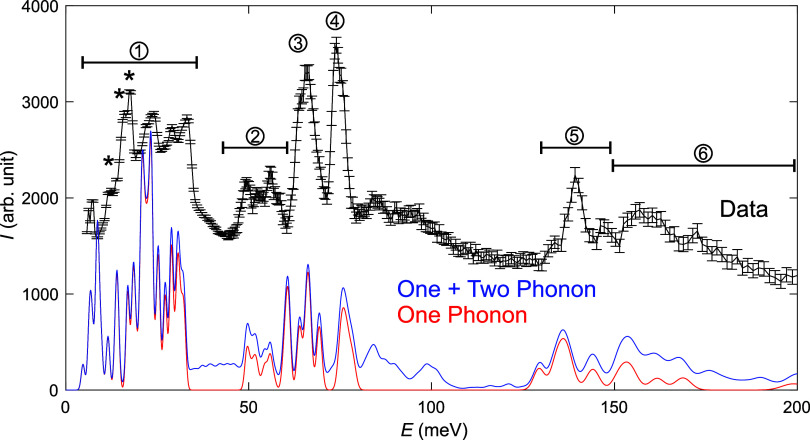 Figure 3
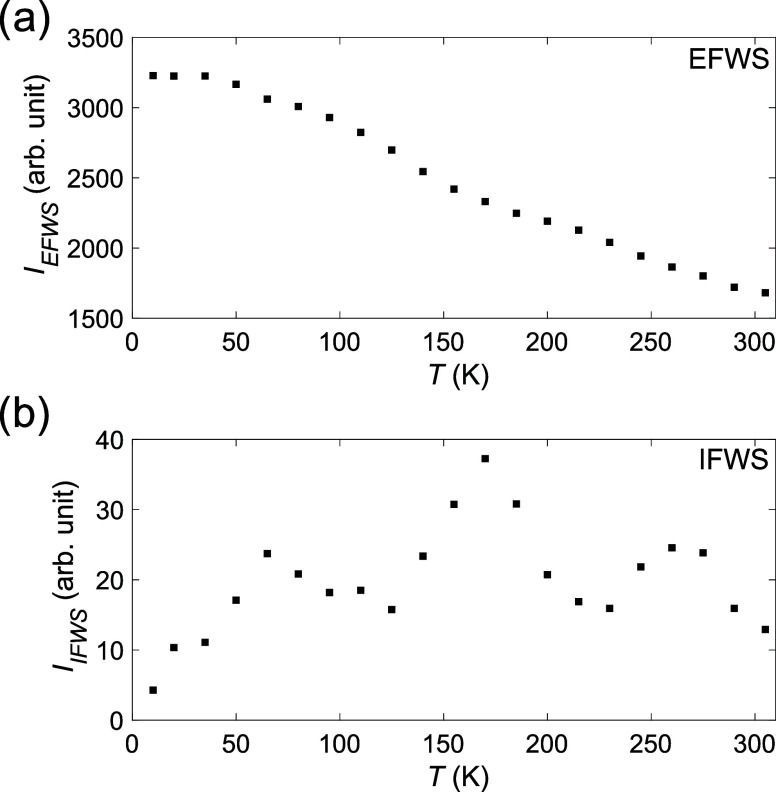 Figure 4
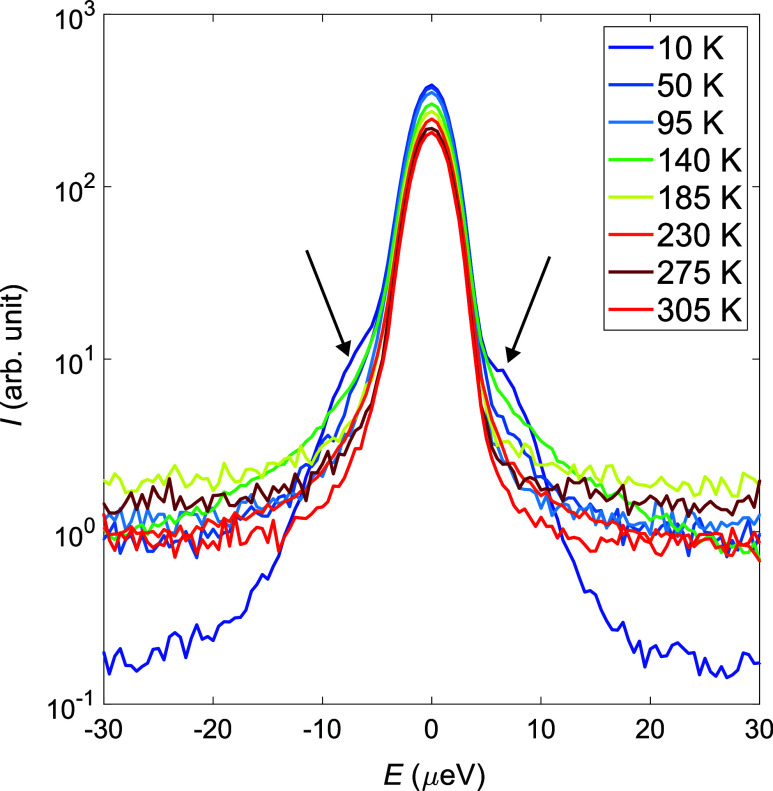 Figure 5
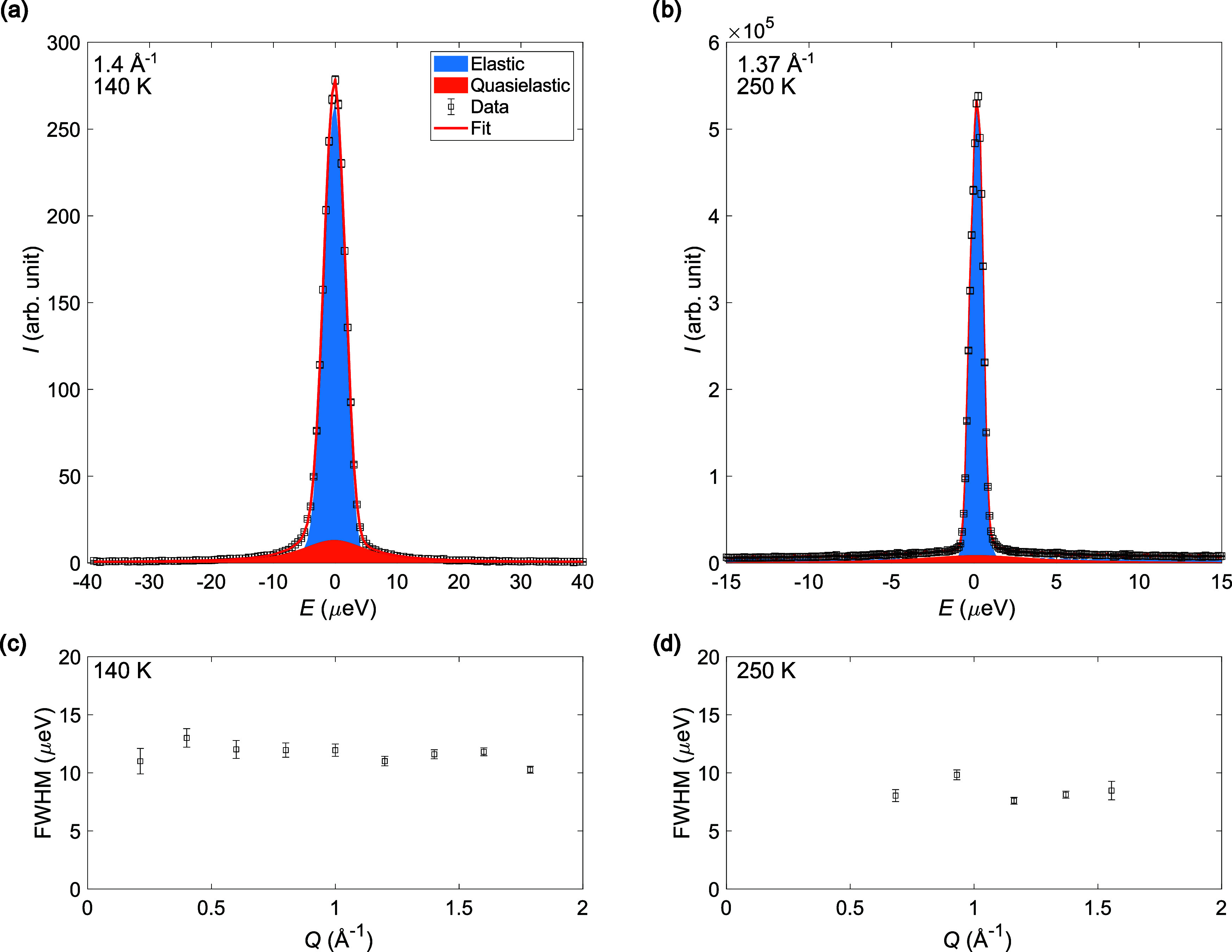 Figure 6
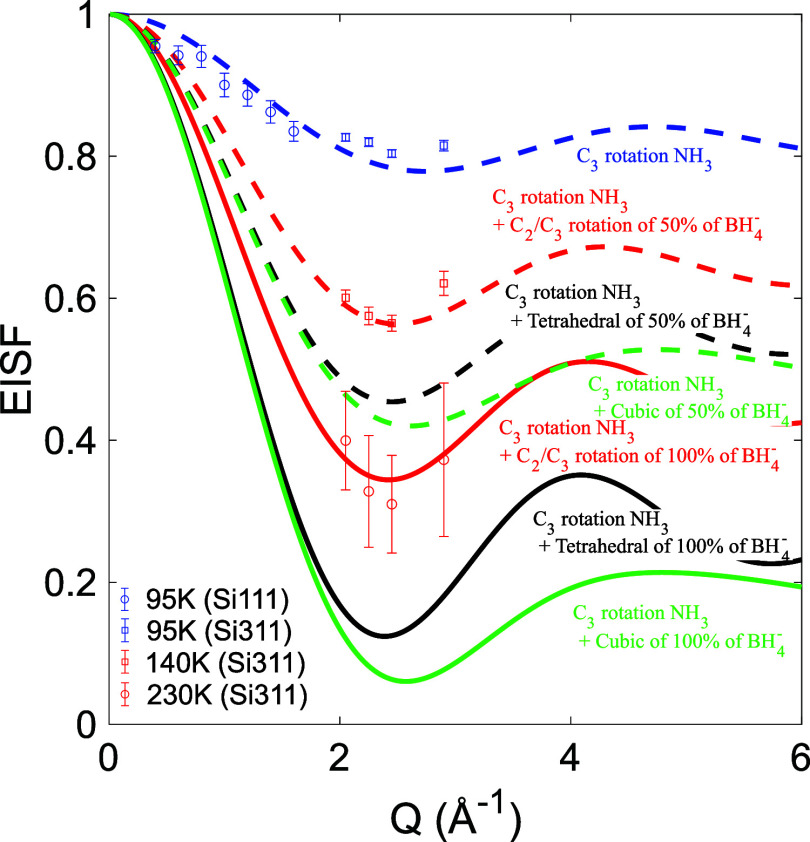 Figure 7
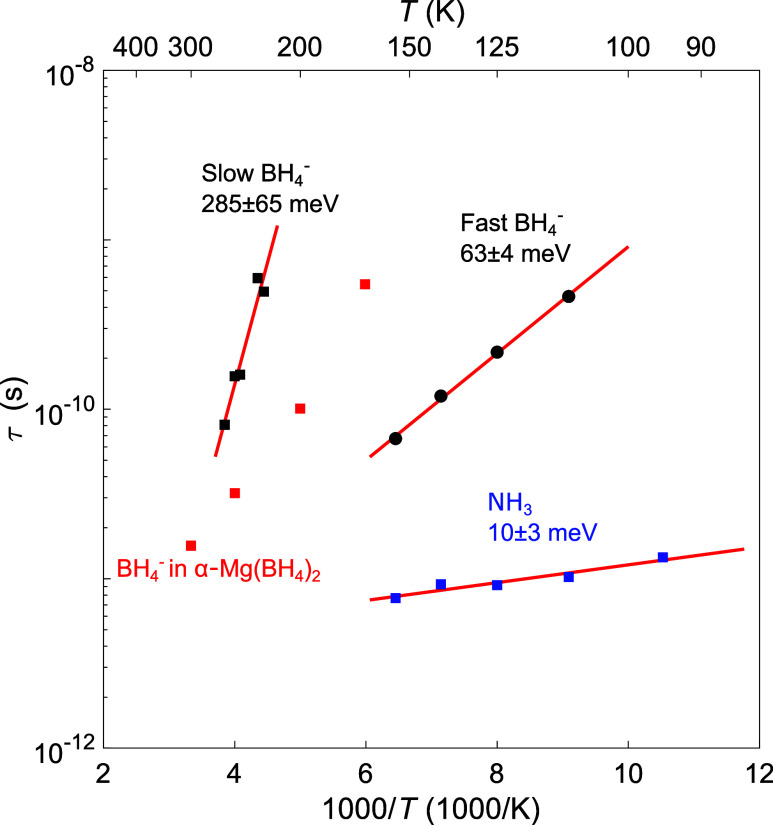 Figure 8
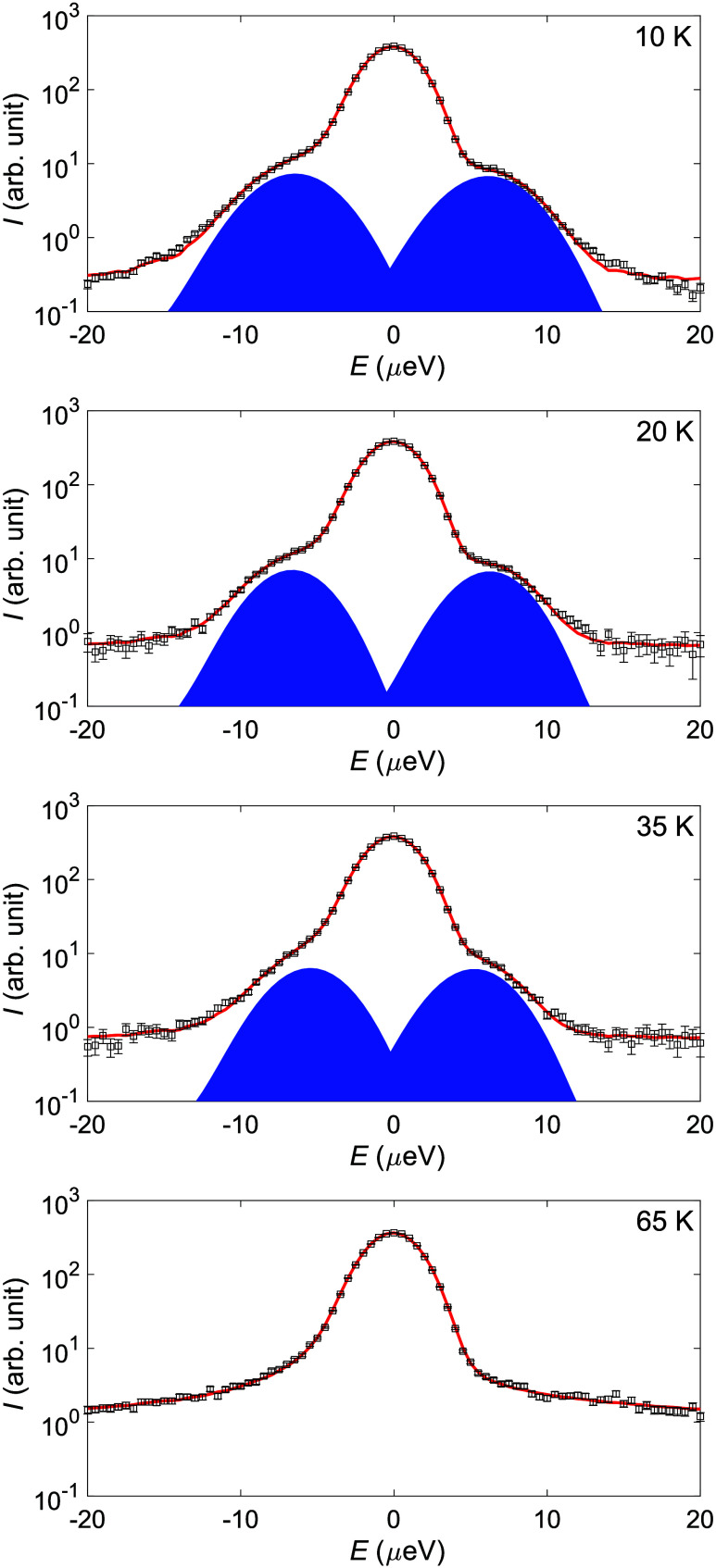 Figure 9
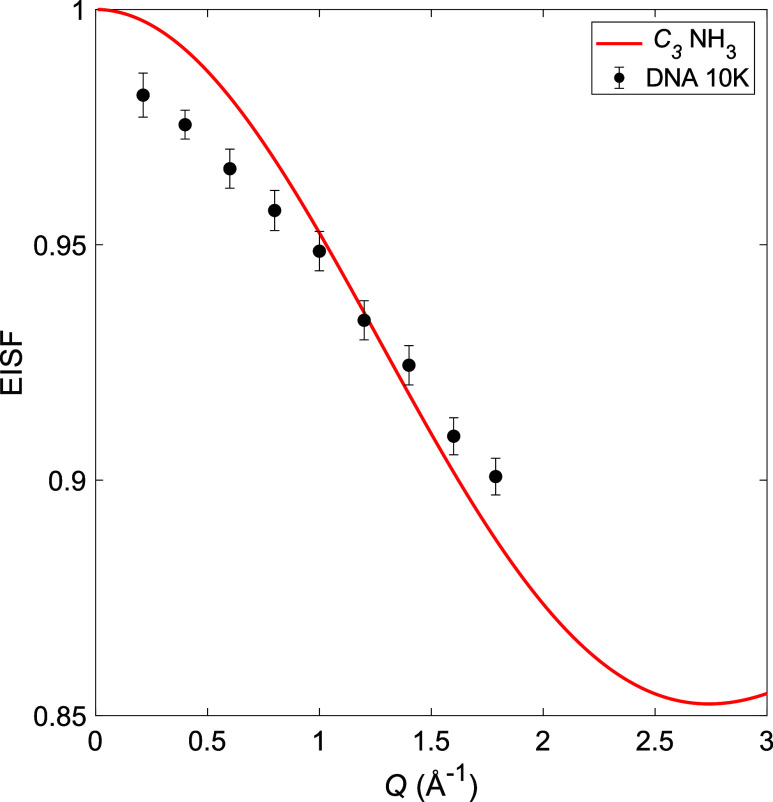 Figure 10
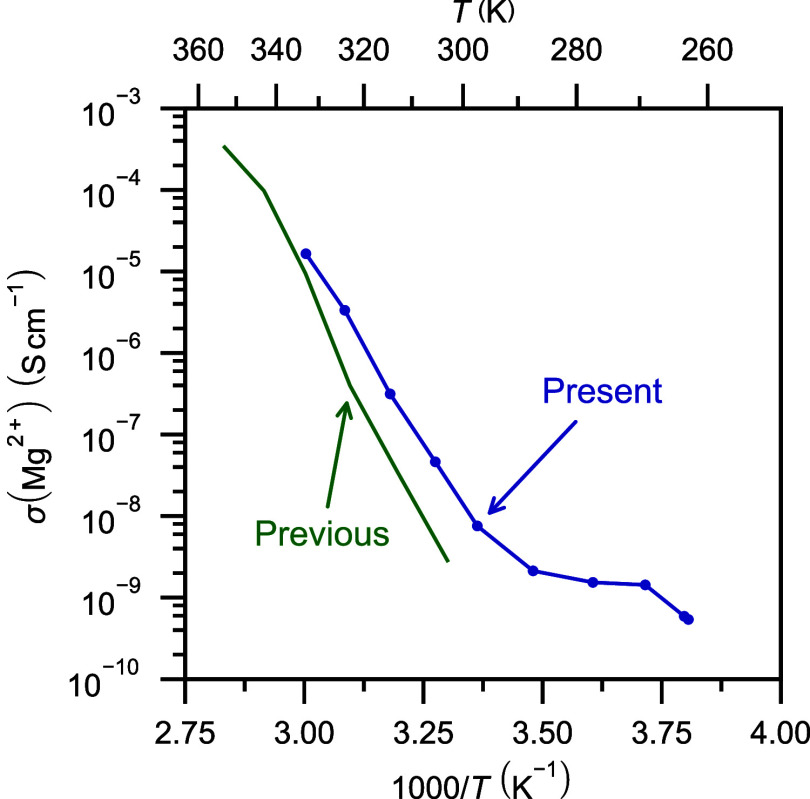 Figure 11
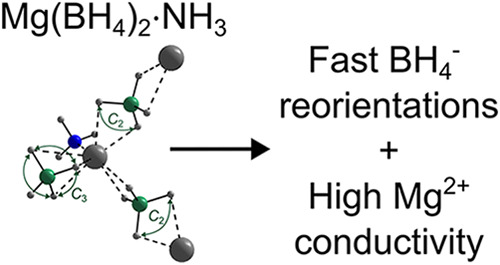 Figure 12
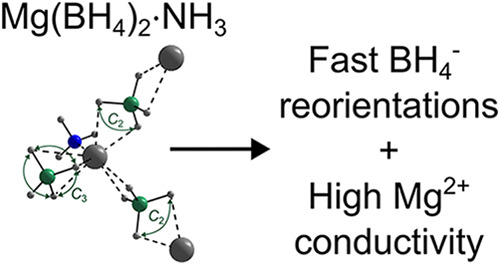 Figure 13
 Figure 14
 Figure 15
 Figure 16
 Figure 17
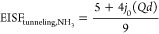 Figure 18
Peer Reviews
No public reviews on file for this paper yet. If you reviewed it on a platform where reviews are public (OpenReview, ICLR, NeurIPS, ICML), you can paste yours below so the community can read it here.
Videos
No videos yet. Explain this paper in a talk, walkthrough, or lecture? Add one.
Taxonomy
TopicsHydrogen Storage and Materials · Quantum, superfluid, helium dynamics · Inorganic Fluorides and Related Compounds