Electrophysiological evidence of Hebbian plasticity in awake adult rats
Siddharth S. Gaikwad, Yi Chen, Bing Chen, Wil H. D. Bogue, Giuseppe Scesa, Matthew S. Neehouse, Theresa M. Vaughan, Jonathan S. Carp, Martin Oudega, Jonathan R. Wolpaw, Monica A. Perez

TL;DR
This study shows that Hebbian stimulation can change motor responses in awake rats, offering a new way to improve recovery after spinal cord injuries.
Contribution
The first evidence of bidirectional modulation of motor-evoked potentials in awake rats using Hebbian STDP protocols.
Findings
MEP size increased by 30% with Hebbian+ stimulation.
MEP size decreased by 27% with Hebbian− stimulation.
Paired stimulation based on STDP principles modulates MEPs in awake rats.
Abstract
Hebbian stimulation, based on principles of spike timing-dependent plasticity (STDP), has been successfully used to enhance functional recovery in individuals with spinal cord injury (SCI). To advance therapies using Hebbian stimulation, this study aimed to establish STDP-based protocols targeting spinal motoneuron synapses in awake rats. Adult male and female Sprague–Dawley rats were implanted with stainless steel screws through the skull over the hindlimb area of the left motor cortex to enable epidural cortical stimulation. A custom-made cuff with embedded fine-wire electrodes was placed around the right posterior tibial nerve for peripheral stimulation. Fine-wire electrodes were inserted in the soleus muscle to record motor-evoked potentials (MEPs), H-reflexes, and the maximal motor response. During Hebbian stimulation, descending volleys evoked by cortical stimulation were timed to…
Genes, proteins, chemicals, diseases, species, mutations and cell lines named across the full text — each resolved to its canonical identifier and authoritative record.
Click any figure to enlarge with its caption.
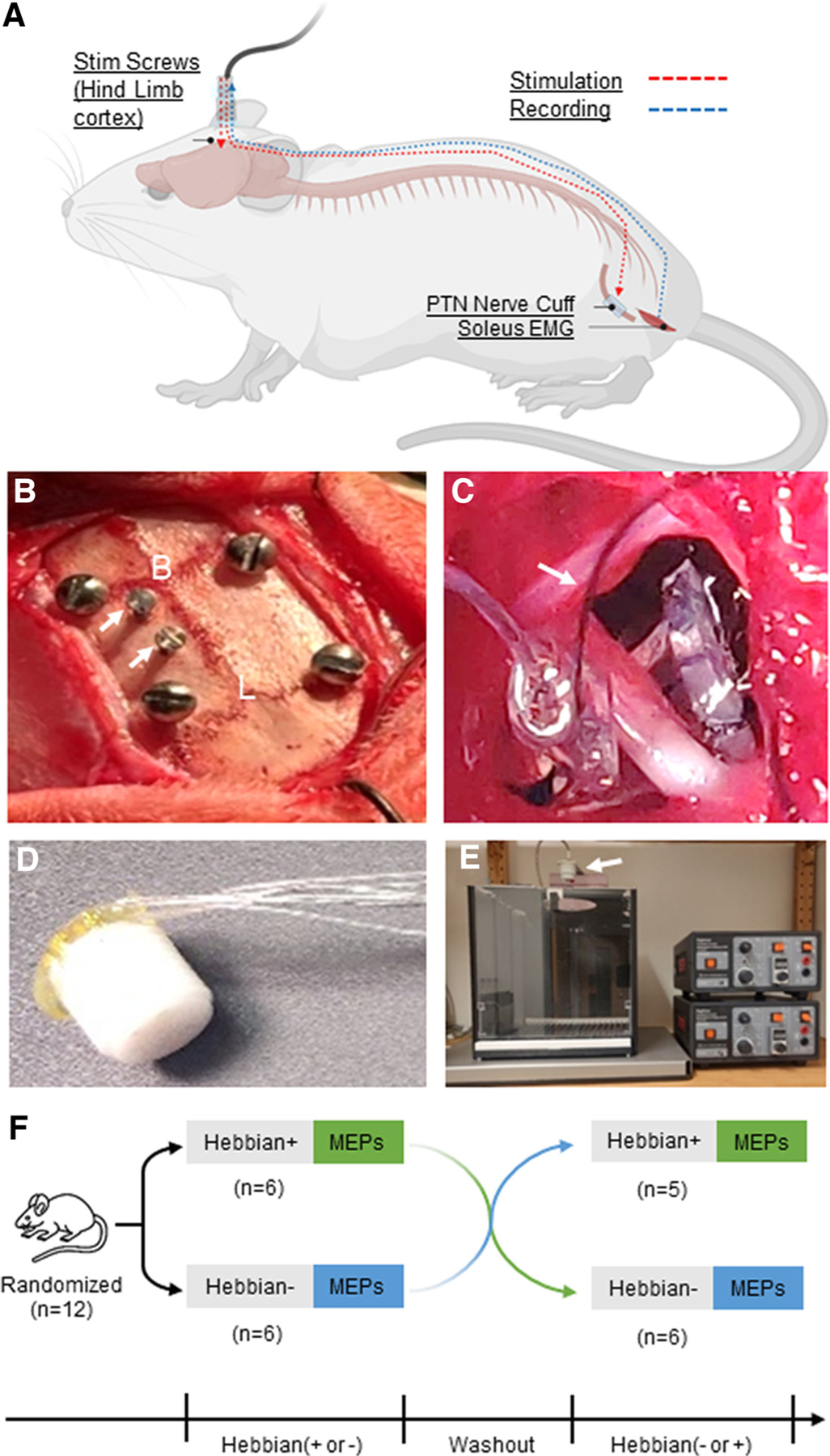 Figure 1
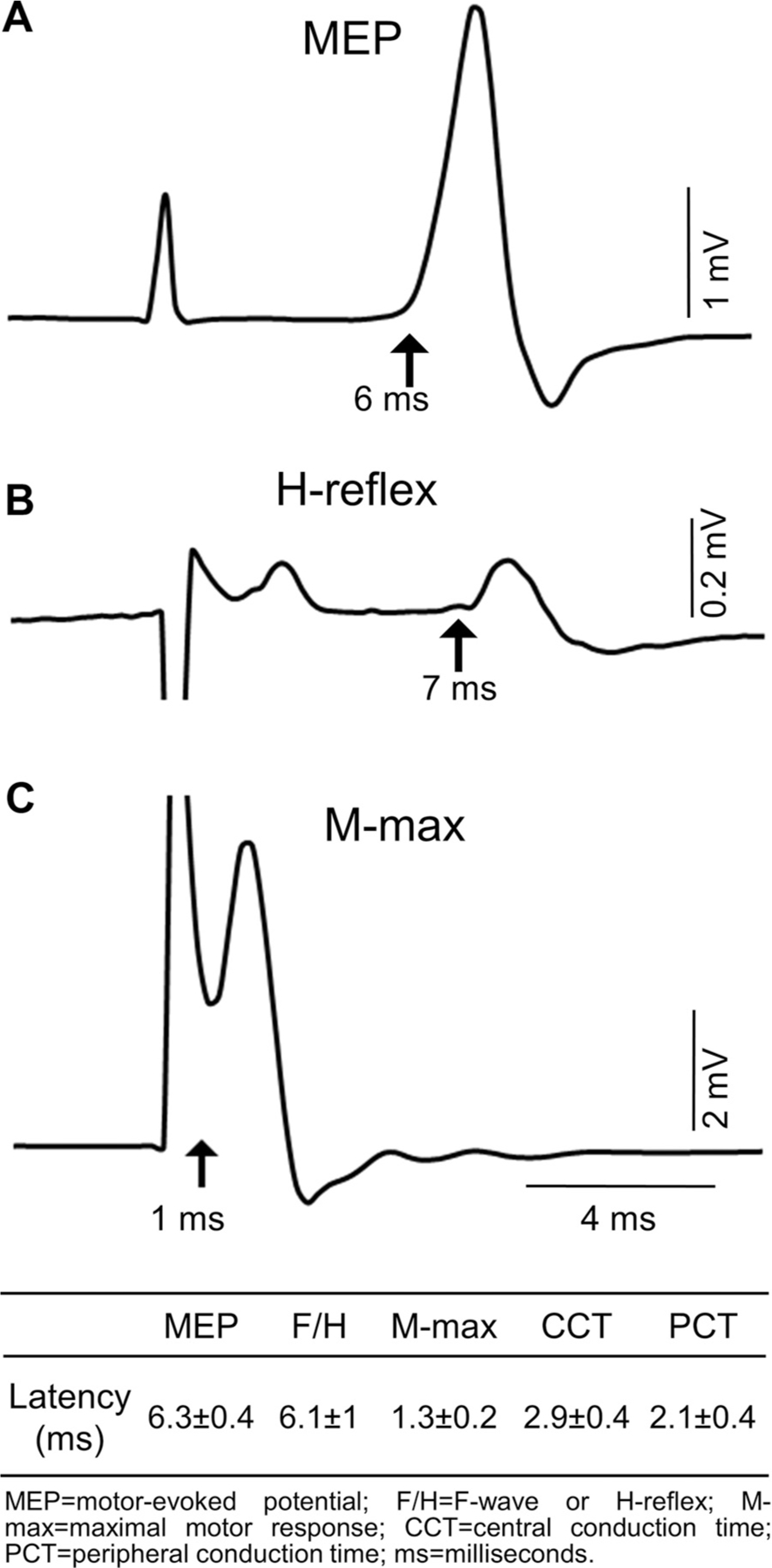 Figure 2
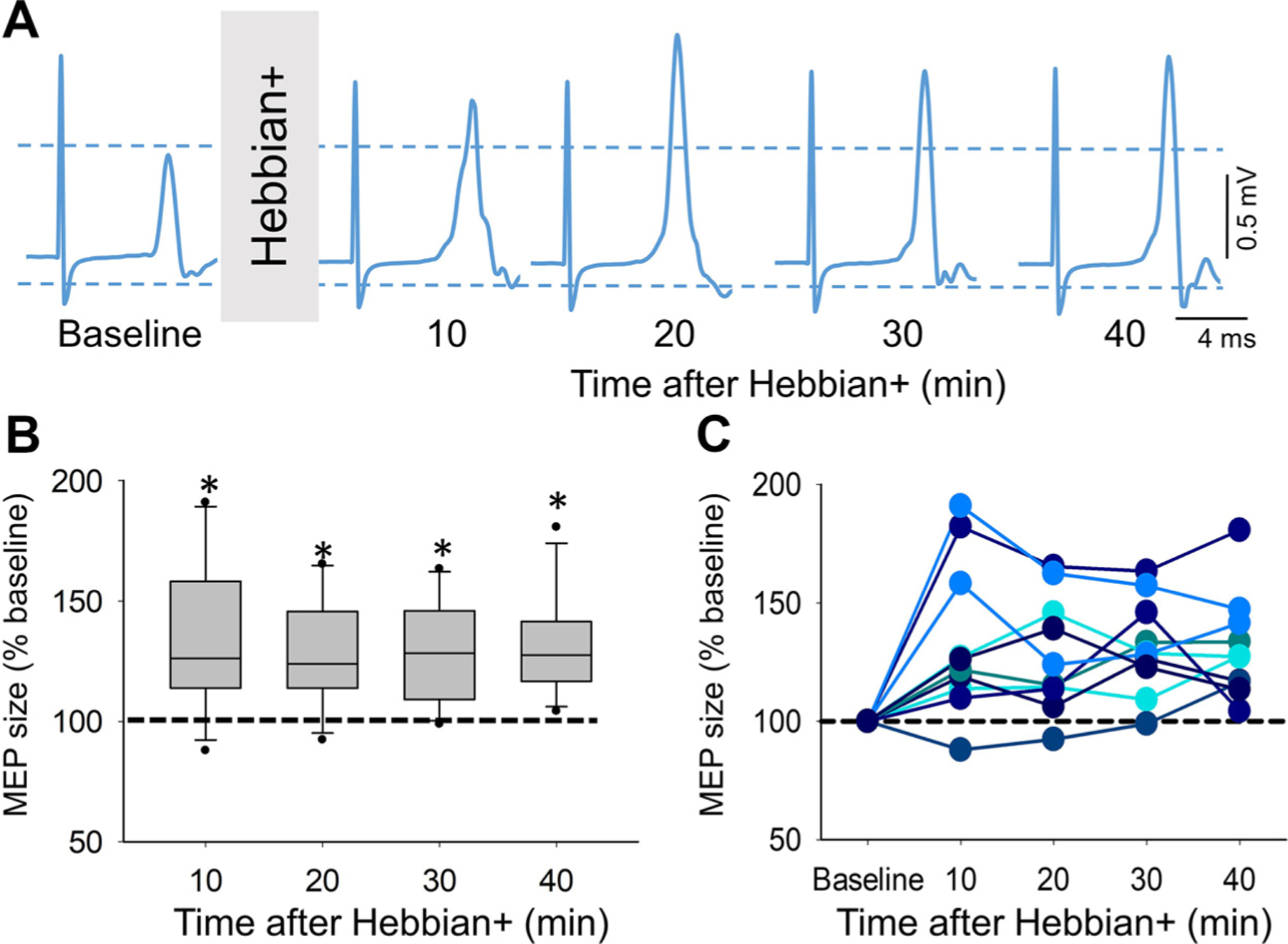 Figure 3
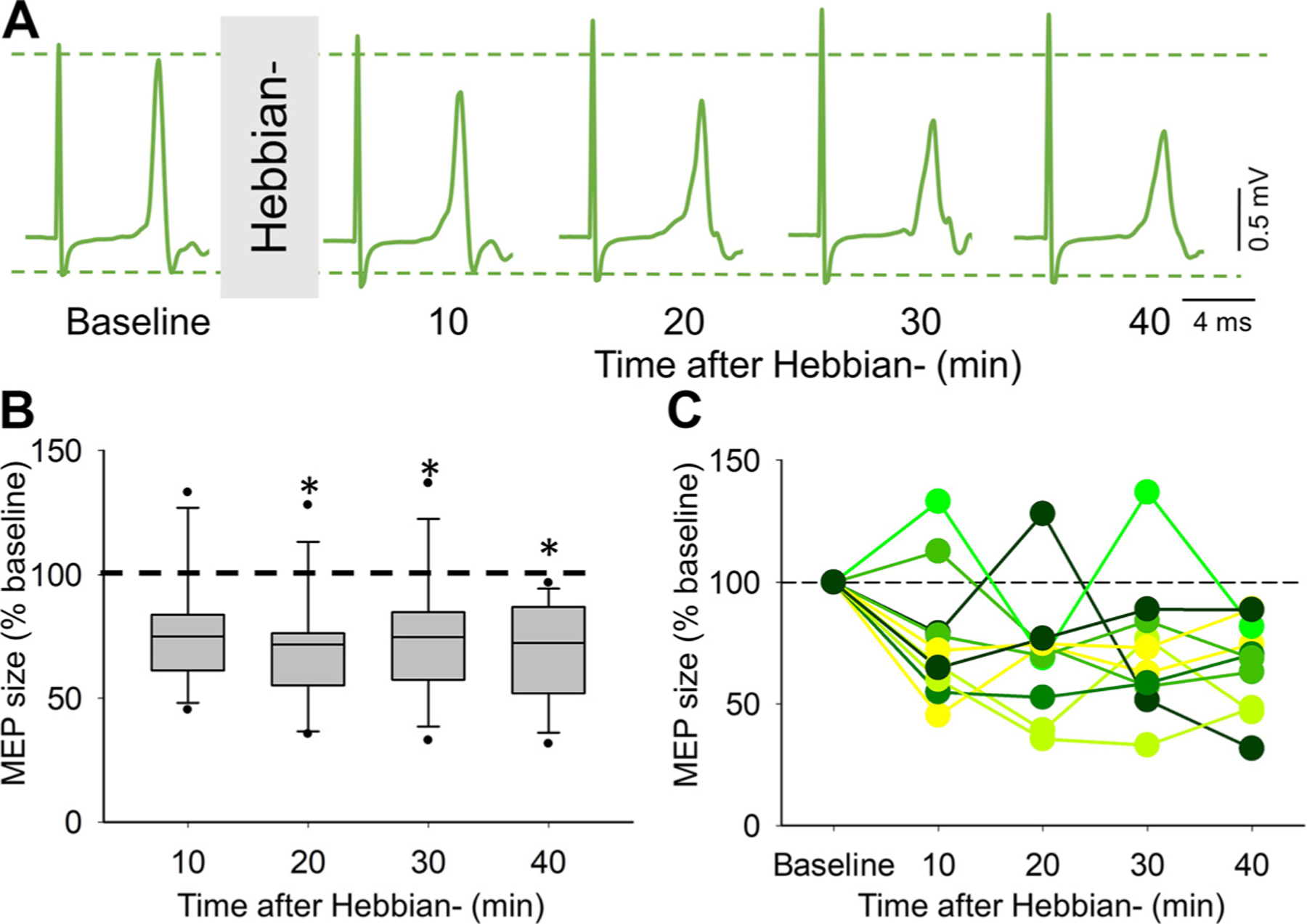 Figure 4
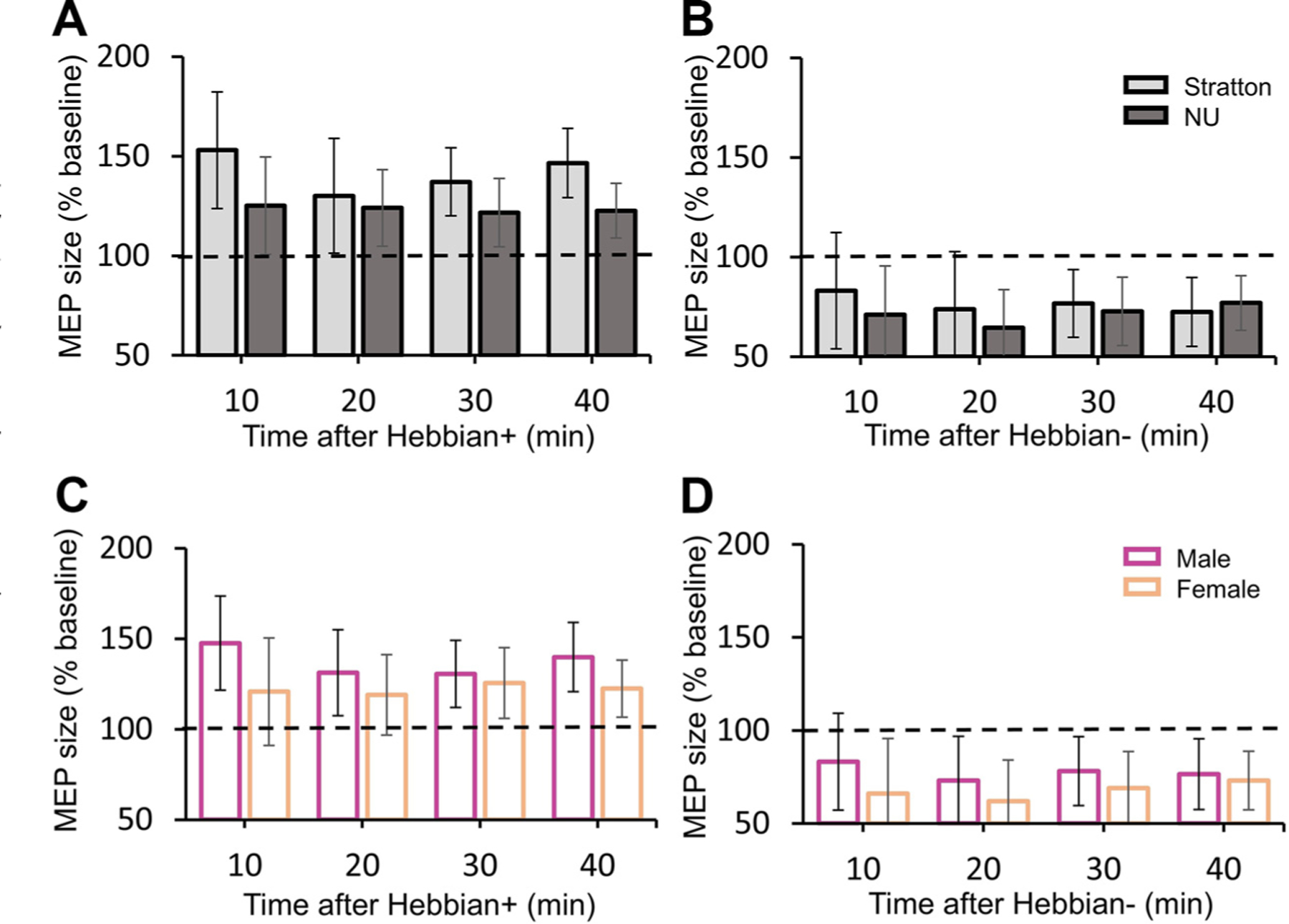 Figure 5
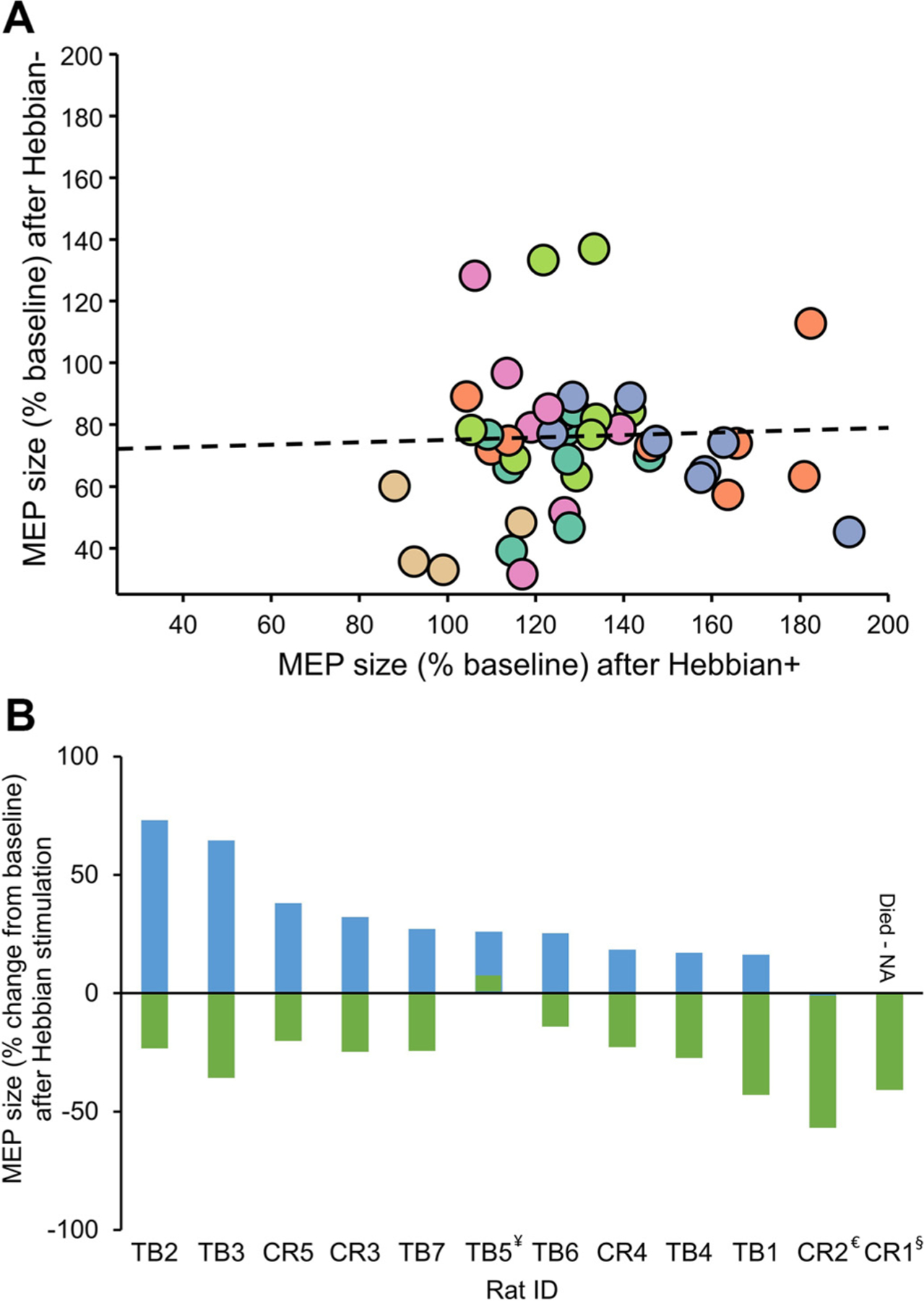 Figure 6
Peer Reviews
No public reviews on file for this paper yet. If you reviewed it on a platform where reviews are public (OpenReview, ICLR, NeurIPS, ICML), you can paste yours below so the community can read it here.
Videos
No videos yet. Explain this paper in a talk, walkthrough, or lecture? Add one.
Taxonomy
TopicsAdipose Tissue and Metabolism