Removal of Selenium Oxyanions from Aqueous Solutions by Ion Exchange: Equilibrium, Kinetics, and Mechanistic Modeling
Z. Zeng, Z. Shen, J. D. Einkauf, A. P. Ladshaw, R. Custelcean, C. Tsouris, S. Yiacoumi

TL;DR
This study explores how a resin can remove harmful selenium compounds from water, even when sulfate is present.
Contribution
The study provides new insights into the selective removal of selenate over sulfate using ion exchange and confirms the mechanism via X-ray analysis.
Findings
The resin IRA-900 shows higher selectivity for selenate (SeO4^2–) over sulfate (SO4^2–) and selenite (SeO3^2–).
The maximum exchange capacity of the resin was found to be 2.04 mequiv/g.
X-ray photoelectron spectroscopy confirmed ion exchange as the primary removal mechanism.
Abstract
Selenium (Se) is an essential micronutrient but toxic at high concentrations, posing challenges for water treatment. This study investigated the removal of selenate (SeO4 2–) and selenite (SeO3 2–) using the strong-base anion-exchange resin IRA-900, particularly in the presence of competing sulfate (SO4 2–). The performance of the commercially available resin IRA-900 was systematically investigated. The batch equilibrium behavior was studied in both single- and binary-component systems, and the kinetic behavior was investigated in single-component systems. Results confirmed a selectivity order of SeO4 2– > SO4 2– > SeO3 2–, indicating preferential SeO4 2– removal over competing SO4 2– but lower affinity for SeO3 2–. The maximum total exchange capacity was determined to be 2.04 mequiv/g. Furthermore, SeO3 2– uptake was found to be pH-dependent, whereas SeO4 2– uptake remained stable…
Genes, proteins, chemicals, diseases, species, mutations and cell lines named across the full text — each resolved to its canonical identifier and authoritative record.
Click any figure to enlarge with its caption.
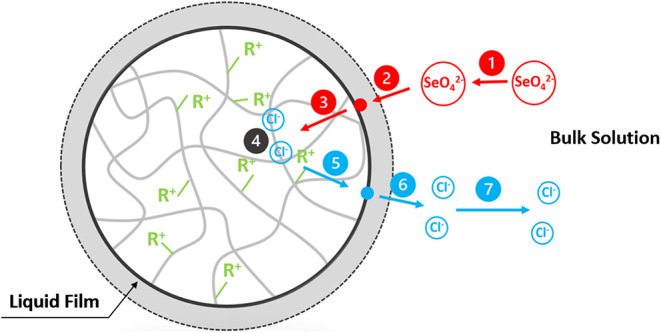 Figure 1
 Figure 2
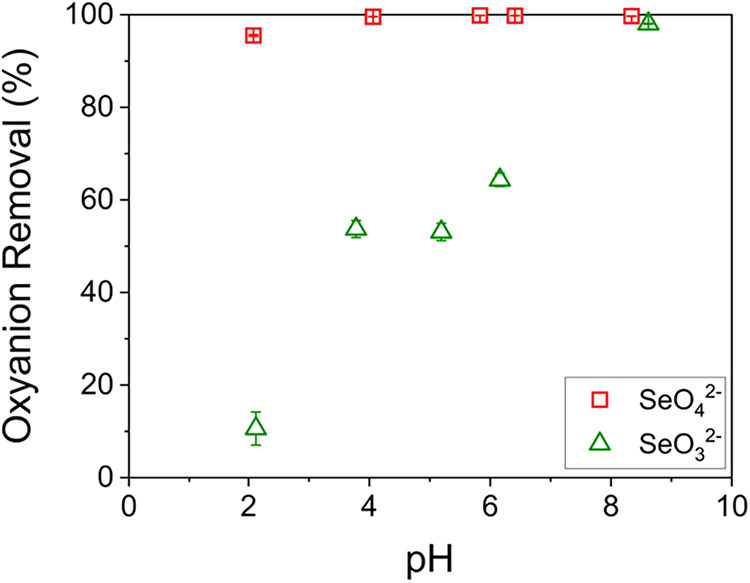 Figure 3
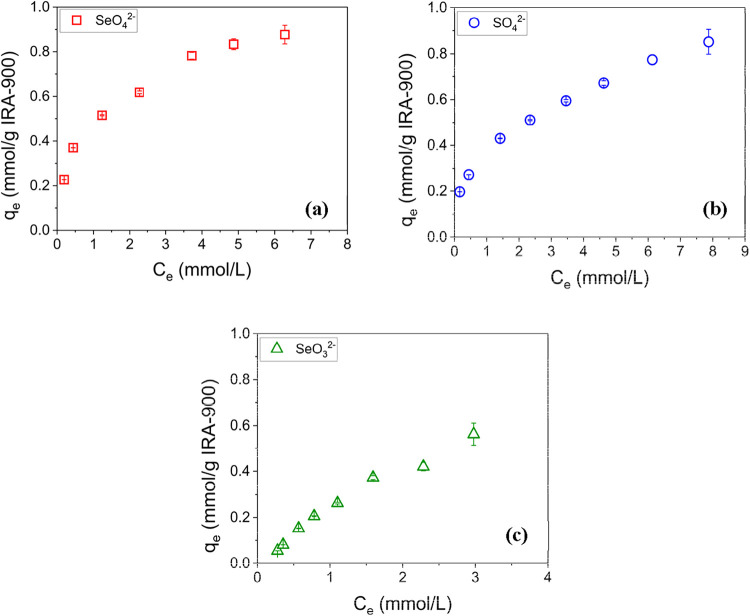 Figure 4
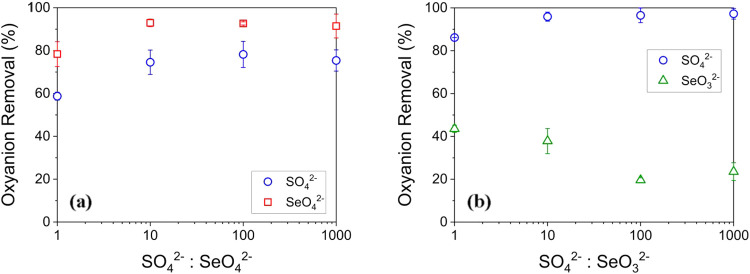 Figure 5
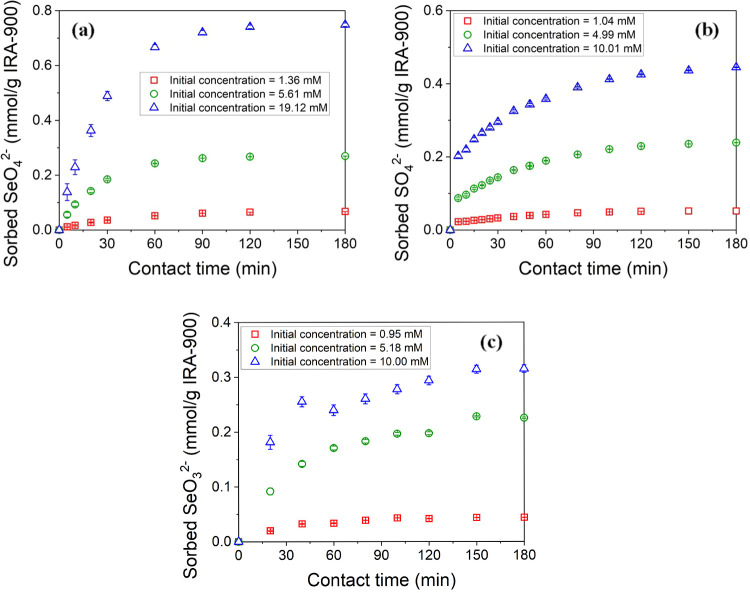 Figure 6
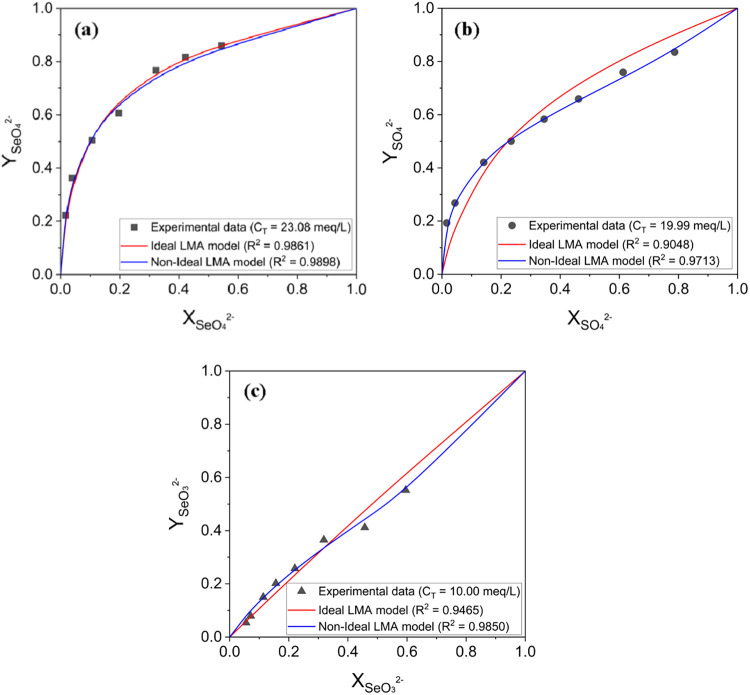 Figure 7
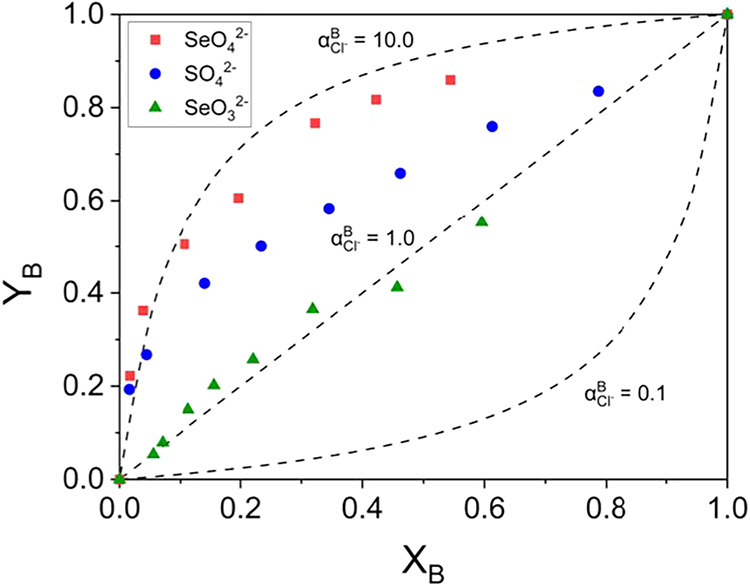 Figure 8
 Figure 9
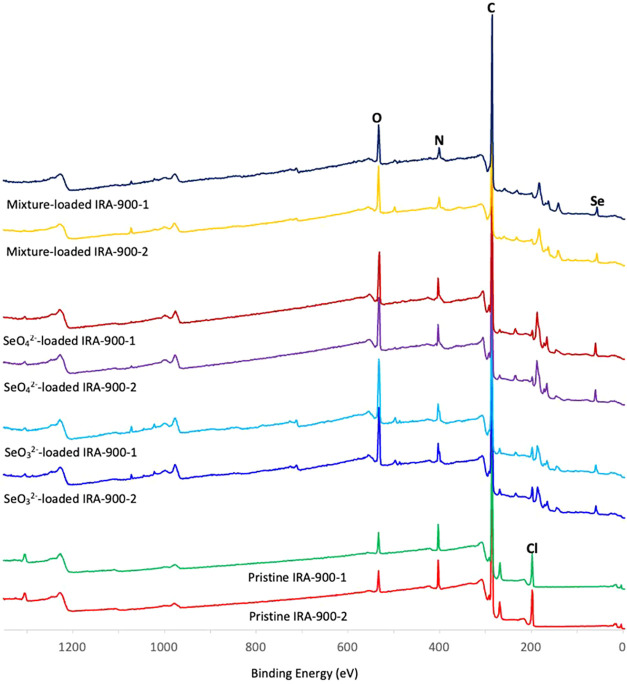 Figure 10
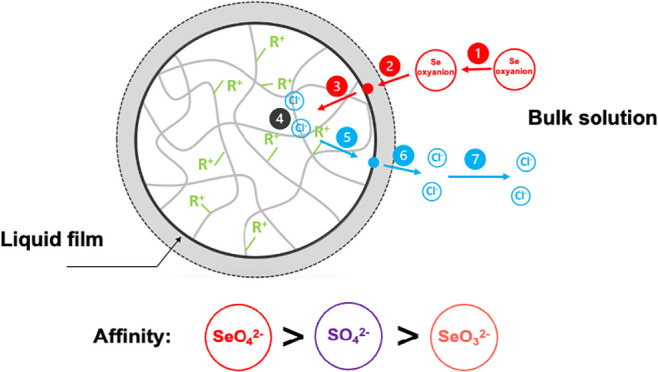 Figure 11
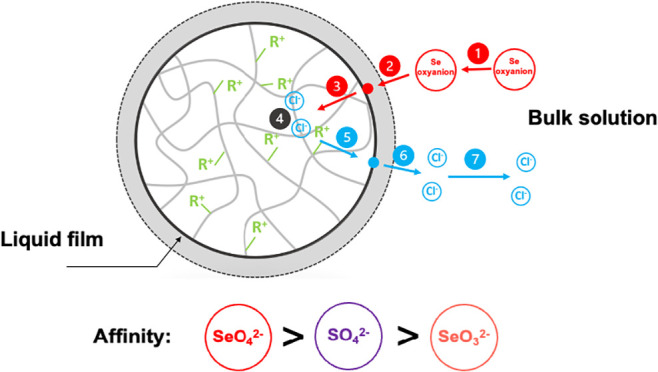 Figure 12
 Figure 13
 Figure 14
 Figure 15
 Figure 16
 Figure 17
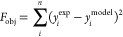 Figure 18
 Figure 19
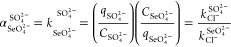 Figure 20
 Figure 21
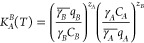 Figure 22
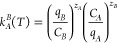 Figure 23
 Figure 24
 Figure 25
 Figure 26
 Figure 27
 Figure 28
 Figure 29
 Figure 30
 Figure 31
 Figure 32
 Figure 33
 Figure 34
 Figure 35
 Figure 36
 Figure 37
 Figure 38
 Figure 39
Peer Reviews
No public reviews on file for this paper yet. If you reviewed it on a platform where reviews are public (OpenReview, ICLR, NeurIPS, ICML), you can paste yours below so the community can read it here.
Videos
No videos yet. Explain this paper in a talk, walkthrough, or lecture? Add one.
Taxonomy
TopicsSelenium in Biological Systems · Arsenic contamination and mitigation · Adsorption and biosorption for pollutant removal