Heterogeneity Driven Trapping at the Pore-Network Scale in Edwards Brown Dolomite
Nihal Darraj, Sojwal Manoorkar, Catherine Spurin, Sajjad Foroughi, M. Saleh, Steffen Berg, Martin J. Blunt, Samuel Krevor

TL;DR
This study examines how pore-scale heterogeneity in a dolomite rock affects CO2 trapping, showing that capillary barriers significantly influence fluid immobilization and plume migration.
Contribution
The study provides new insights into how capillary barriers at the pore scale impact CO2 trapping in heterogeneous geological formations.
Findings
A downstream low-porosity region acted as a capillary barrier, remaining brine-saturated during decane injection.
Pore-network analysis revealed limited connectivity with over 30% of pores connected by two or fewer throats.
Ganglia analysis showed elevated trapped volumes behind the barrier, indicating enhanced trapping and reduced accessible pore volume.
Abstract
Trapping is a key control governing the stability and long-term containment of CO2 within geological storage formations, with residual trapping at the pore scale being well established and routinely incorporated into reservoir simulation models. In contrast, integrating the effects of capillary trapping arising from spatial variability in capillary entry pressure at the micron to centimeter scale remains a challenge for field-scale models, despite clear evidence of its influence on plume migration. Studying pore-scale heterogeneity allows direct quantification of how heterogeneity in pore connectivity and throat geometry translates into capillary entry pressures and snap-off mechanisms, which ultimately control trapping efficiency and is not often resolved at the continuum scale. In this study, we performed flow experiments with brine and decane under capillary-dominated conditions (C a…
Genes, proteins, chemicals, diseases, species, mutations and cell lines named across the full text — each resolved to its canonical identifier and authoritative record.
Click any figure to enlarge with its caption.
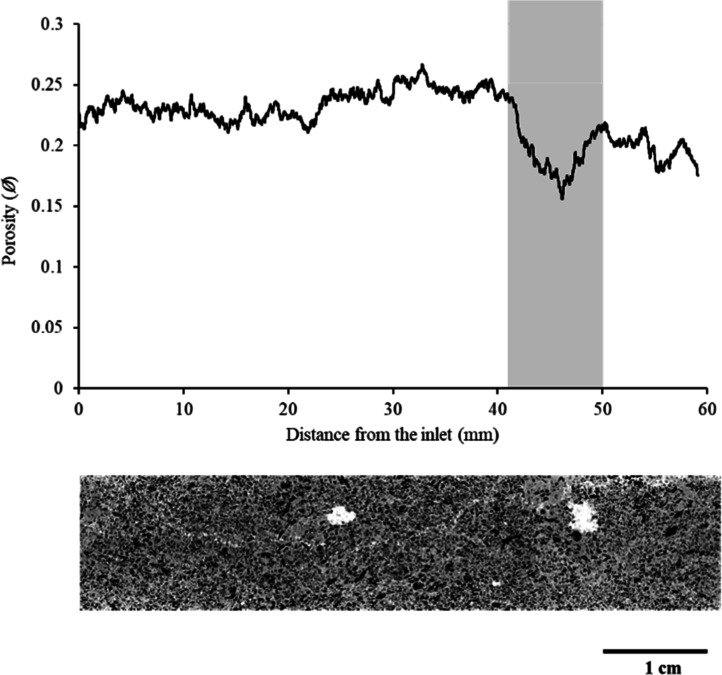 Figure 1
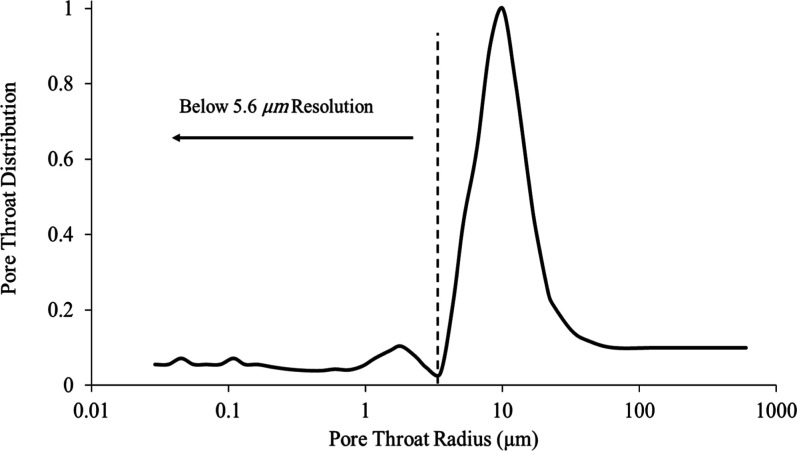 Figure 2
 Figure 3
 Figure 4
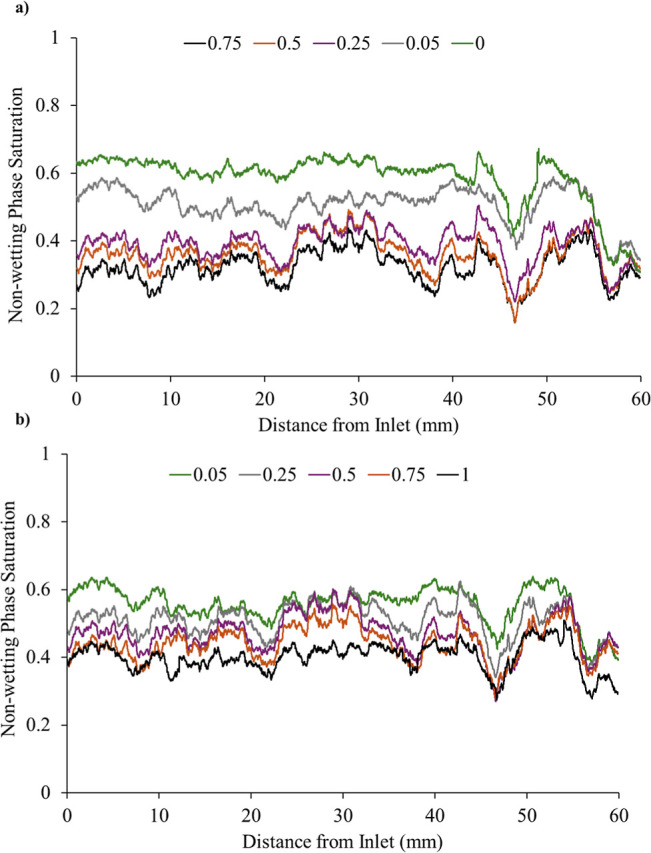 Figure 5
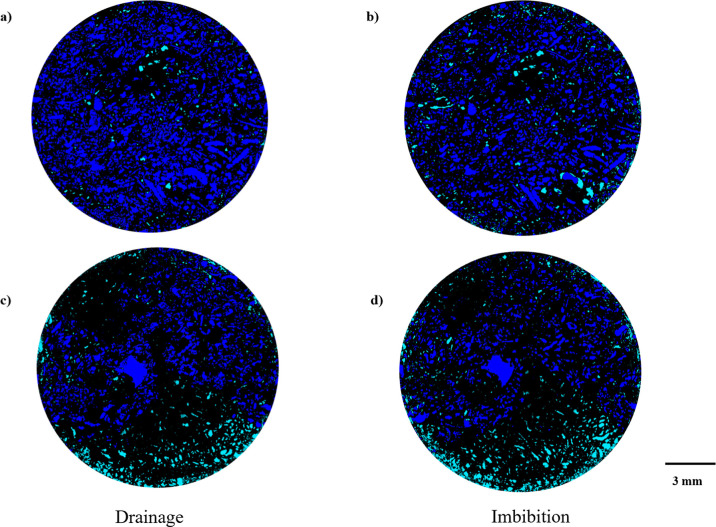 Figure 6
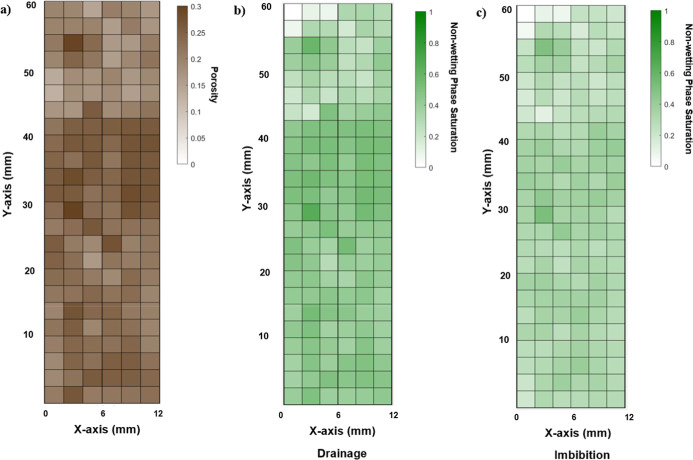 Figure 7
 Figure 8
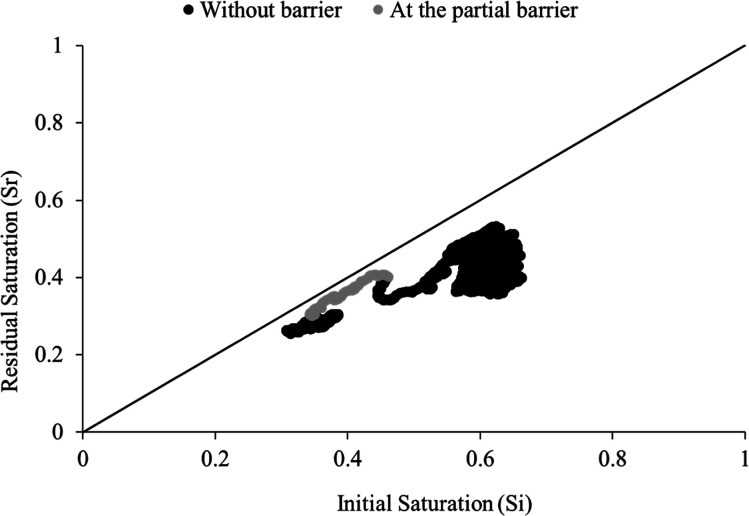 Figure 9
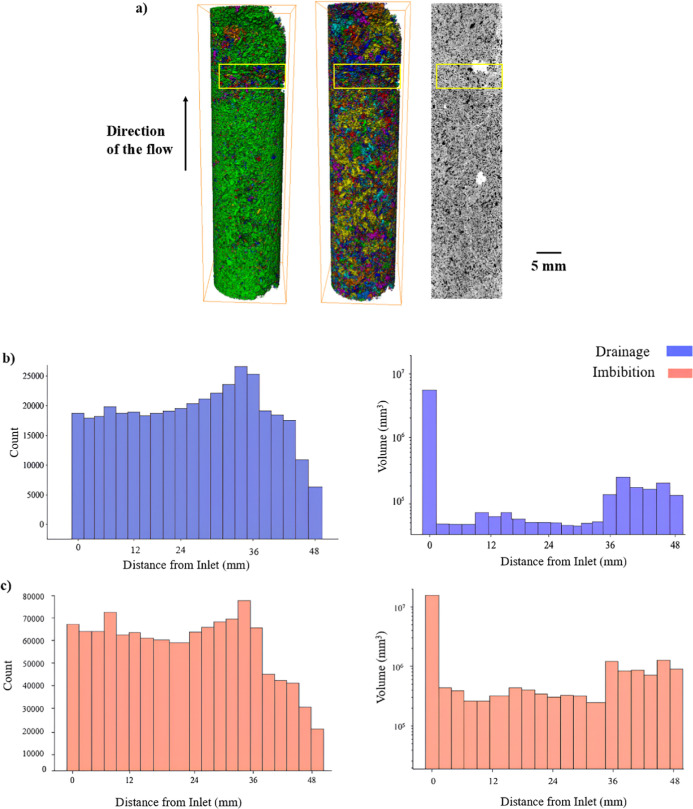 Figure 10
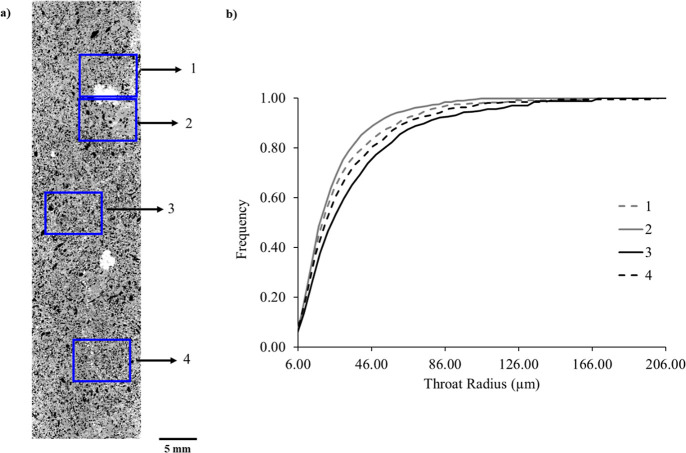 Figure 11
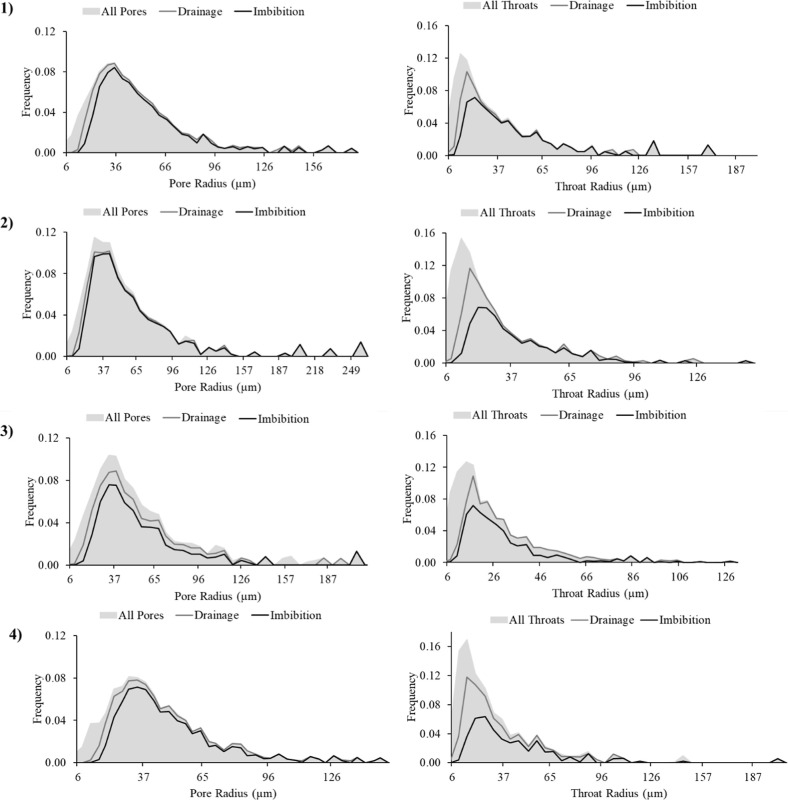 Figure 12
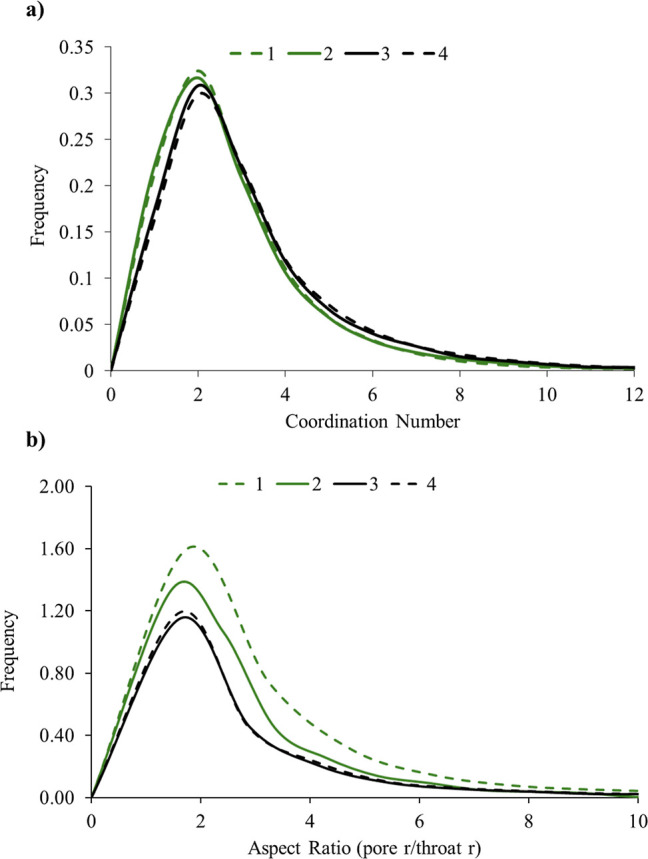 Figure 13
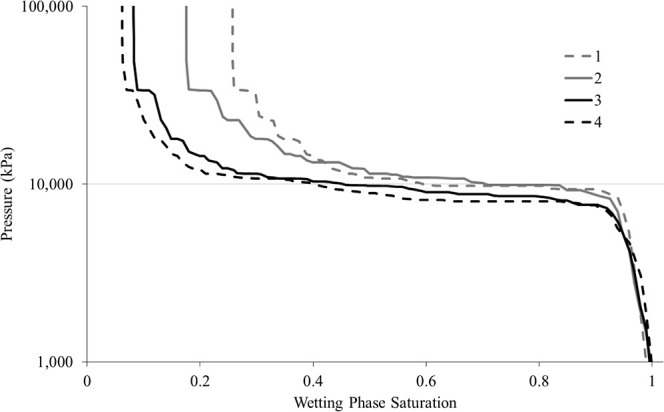 Figure 14
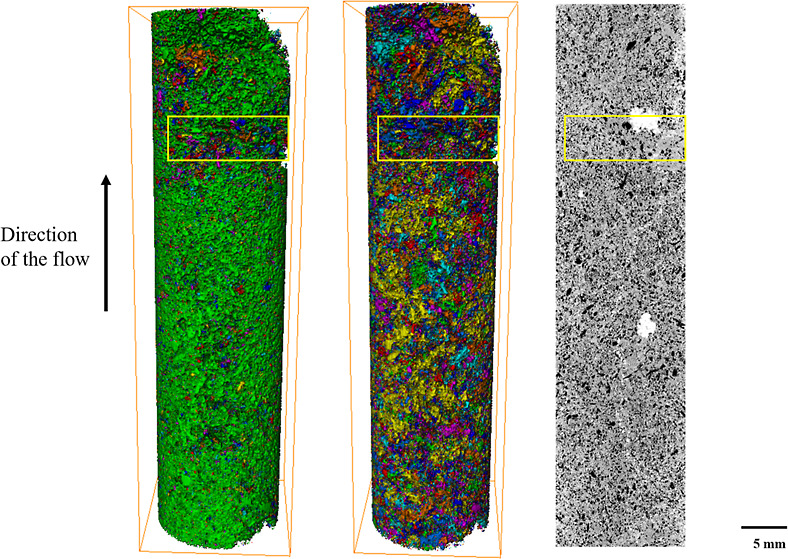 Figure 15
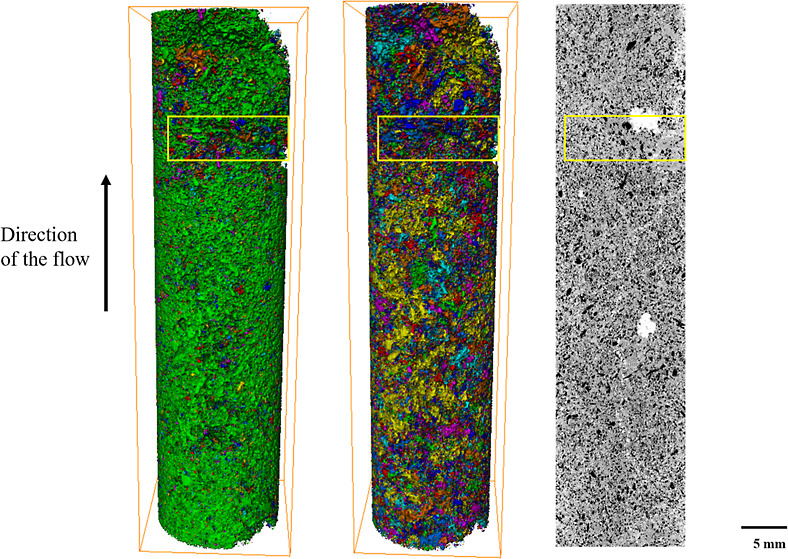 Figure 16
Peer Reviews
No public reviews on file for this paper yet. If you reviewed it on a platform where reviews are public (OpenReview, ICLR, NeurIPS, ICML), you can paste yours below so the community can read it here.
Videos
No videos yet. Explain this paper in a talk, walkthrough, or lecture? Add one.
Taxonomy
TopicsCO2 Sequestration and Geologic Interactions · Enhanced Oil Recovery Techniques · Hydrocarbon exploration and reservoir analysis